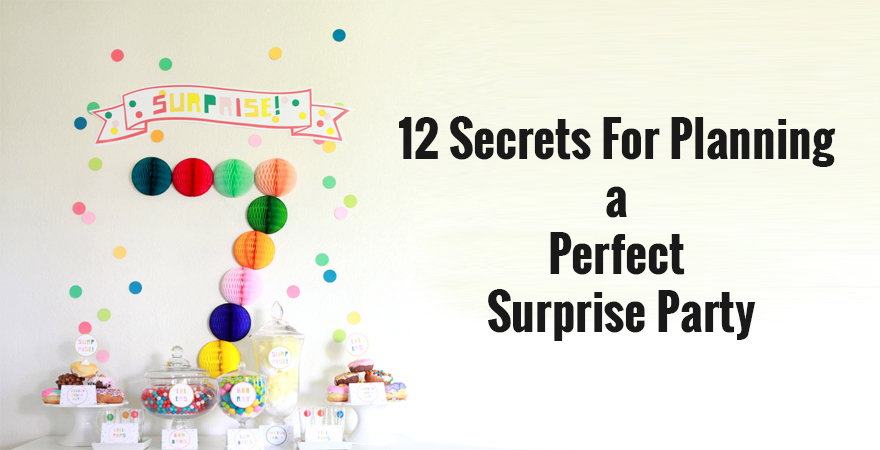
Planning A Surprise Birthday Party

There is a peculiar alchemy in the act of planning a surprise. It is not merely about logistics, decorations, or the perfect cake. At its core, it is a profound exercise in empathy, a deliberate journey into the inner world of another person to retrieve a moment of pure, unadulterated joy. When we decide to plan a surprise birthday party, we are essentially saying, "I see you, I understand what makes your heart sing, and I am willing to invest my time and energy to manifest that understanding into reality." This act taps into a deep-seated human need for validation and belonging, a psychological bedrock upon which our most cherished relationships are built. The brain's reward system, which thrives on social connection and anticipated pleasure, lights up not only for the recipient but also for the giver, creating a shared emotional resonance before the event even commences.
However, beneath the surface of confetti and candles lies a complex psychological terrain, fraught with both beautiful potential and subtle pitfalls. Our modern culture, saturated with curated images of perfect celebrations on social media, has inadvertently raised the stakes, turning a simple gesture of love into a potential performance. This pressure can trigger our own anxieties about inadequacy and the fear of disappointing someone we care about deeply. Yet, this very tension is where the opportunity for personal growth lies. To plan a surprise party is to confront our own vulnerabilities—our need for approval, our fear of failure, and our capacity for unconditional generosity. It forces us to step outside our own ego and adopt a lens of radical empathy, a skill that, when honed, enriches every facet of our lives.
The Hidden Emotional Triggers: Navigating the Labyrinth of Anticipation
The most significant cognitive bias at play in a surprise party is the spotlight effect. As the planner, we often become consumed by the fear that every detail will be scrutinized, that one minor mishap will ruin the entire experience. We project our own self-consciousness onto our guest of honor, imagining them judging the temperature of the appetizers rather than feeling the warmth of the room. In reality, the celebrant’s brain is flooded with a neurochemical cocktail of dopamine and oxytocin, a state of emotional overwhelm that facilitates a profound shift in perception. They are not seeing a flaw; they are seeing the culmination of love. Recognizing this disconnect is crucial—it allows us to release our unrealistic perfectionism and focus on the emotional truth of the event rather than its superficial gloss.
Must Read
Another hidden trigger is the paradox of choice. When we are planning a surprise, we are forced to make decisions on behalf of another adult. This can inadvertently trigger a subtle form of decision fatigue and a lingering sense of impostor syndrome. "Who am I to decide what they want?" we ask ourselves. This is particularly acute if the person is notoriously particular or if we share a complex history with them. The mental hurdle here is the confusion between control and care. We mistakenly believe that needing to control every variable is a sign of our dedication. In reality, true care involves a surrender to spontaneity and a trust in the resilience of the relationship. The surprise is not a flawless script; it is an offering, and the recipient’s reaction, whatever it may be, is the completion of the gift.
Furthermore, we must confront the specter of anticipatory anxiety within the guest of honor. Even before the “surprise” is revealed, some deeply perceptive individuals will sense that something is afoot. They may feel a strange unease, a disconnect between the normality of the day and the subtle tension in the air. This is a delicate dance. The planner must manage the secret without creating a feeling of conspiracy. The emotional risk is that the person may feel tricked rather than cherished if the execution feels deceptive rather than delightful. This requires a deep attunement to the individual's personality—is they someone who loves a dramatic reveal, or do they prefer a quiet, private acknowledgment? The greatest gift we can give them is not just the party, but the feeling of being truly known, which means calibrating the surprise to their genuine temperament, not our idealized version of it.
Finally, there is the often-ignored emotional trigger of post-event letdown. For the planner, the weeks of anticipation and adrenaline culminate in a single, fleeting moment. When it is over, there can be a surprising emptiness. Similarly, for the recipient, the return to ordinary life after such a peak emotional experience can feel jarring and even melancholic. Acknowledging this psychological arc as a natural part of the experience—rather than a sign that the party was a failure—is essential for maintaining mental well-being. The event is not meant to replace daily happiness; it is a monthly bonus, a beautiful punctuation mark on the sentence of a relationship. The true value lies not in the high itself, but in the strengthened bond and the shared memory that provides a reservoir of comfort for the quieter days.

The Art of Mindful Planning: A Step-by-Step Journey to Joy
To navigate this emotional labyrinth, we must shift our mindset from planning an event to curating an emotional experience. This begins with a simple yet profound step: radical empathy in the conceptual phase. Before you look at Pinterest or call a caterer, sit in a quiet space and ask yourself what your loved one truly craves. Is it a raucous gathering with 50 of their closest friends, or is it a small, quiet dinner with a select few? Is it a nostalgic theme that recalls their childhood, or a futuristic, trendy aesthetic? Do not plan for them based on what you would want; plan for them based on what they have consistently shown you they value. Observe their energy—do they thrive in crowds or do they recharge in solitude? This introspection is the most critical ingredient in the entire process, as it aligns the event with their authentic self.
Once you have a clear vision, the next step is to deconstruct the "surprise" into a "scheduled mystery." The burden of secrecy is one of the heaviest to bear. Instead of framing it as a secret you must protect, frame it as a mystery you are building. Write down the "story" of the day. For example, "She thinks she's having a quiet dinner with me, but actually, her sister is flying in and will join us for a drink at the restaurant, and from there, we will walk to the surprise venue." Breaking the secret into smaller, more manageable pieces reduces your anxiety and makes the process feel like a creative writing exercise rather than a high-stakes covert operation. This helps you manage your own mental load and prevents you from feeling like a dishonest conspirator.
Mastering the art of compartmentalization is also a vital coping mechanism. The fear of slipping up and ruining the surprise can become a constant background hum of worry. To counter this, dedicate specific, time-boxed periods for "party planning mode." During these slots, you are allowed to obsess over details, order supplies, and make calls. But outside these windows, you must give yourself explicit permission to not think about it. If a thought about the party intrudes during your work hours or while you are relaxing, gently tell it, "I will see you on Tuesday at 7 PM." This trains your brain to manage the information, reducing the cognitive load and preventing the surprise from consuming your entire identity. It also protects your own mental well-being by preventing burnout and resentment.
Finally, the most liberating step is to embrace the concept of "good enough" and prepare for Plan B—and C. The primary source of stress in planning is the illusion of control. A cake can be late, a guest can fall ill, or the weather can turn. Instead of trying to prevent these, pre-accept them as possibilities. As you plan, create a simple contingency for the "big rocks" (the venue, the food). Within your mind, practice a mantra of resilience: "The party is a gift, not a test." When you externalize your love, you release the need for a perfect performance. The guest of honor will not remember if the napkins were the right shade of blue; they will remember the laughter, the hug from a distant cousin, and the look of pure love in your eyes. Your presence, and your willingness to laugh when the unexpected happens, is the most profound gift of all.

Frequently Asked Questions: The Emotional Handbook
1. I am extremely anxious and terrified they won't like the party. How do I manage this fear?
This fear is a manifestation of your deep care, so first, acknowledge that your anxiety is a distorted reflection of your love. To manage it, you must separate your intention from the outcome. Your intention is to bring joy; the outcome is their reaction. You are not responsible for their reaction, only for your intention. Remind yourself that the celebration is a reflection of your perception of them, and even if they are not usually a party person, the sheer fact that you orchestrated it demonstrates that you listen. If they seem overwhelmed, they are not rejecting you; they are processing stimuli.
Secondly, shift your focus from the recipient to the collective. A surprise party is a network of relationships. You are not alone in this. Enlist a trusted co-conspirator to share the emotional burden. Often, our anxiety stems from isolation. By bringing in a friend or family member who knows the celebrant well, you can validate your choices and share the stage. This removes the pressure of being the sole architect of their happiness. And remember, we often overestimate the negativity of others' reactions. They will almost always be more gracious than we expect, primarily because they are operating from a place of love for you, too.
2. What if my partner or friend hates surprises? Should I still do it?
This is the most critical question of all. The answer lies in the definition of a "surprise" itself. A true surprise is not the hidden nature of the event; it is the revelation that you understood them. If your partner vocally hates surprises, then surprising them with a party is not an act of empathy; it is an act of ignoring their boundaries. The emotional harm of doing something they explicitly dislike to make them happy is a significant cognitive dissonance. It can lead to feelings of being invalidated and unheard.
Instead, the "surprise" can be the depth of your listening. If they hate large gatherings, surprise them by renting a cabin for two for the weekend. If they hate the feeling of being out of control, surprise them by giving them a beautifully designed "Party Choice" card, offering them three different options to choose from. This honors their boundary while still providing novelty and excitement. The goal is to create a feeling of wonder, not alarm. Adapting your plan to their expressed preferences is the ultimate sign of respect, and it will create a deeper, more secure emotional connection than any forced celebration ever could.

3. My budget is very tight. How can I make it special without spending a lot of money?
Financial stress is a real mental burden, but it is crucial to remember that the emotional value of a gift is rarely correlated with its monetary cost. The brain's reward system responds most strongly to effort and authenticity. A handmade collage of photos, a playlist of songs that represent your friendship, or a personally written speech that recounts your favorite memories are priceless assets. These items cannot be bought, and they signal that you invested thought rather than merely capital.
Country-level tactics for a tight budget include hosting a "potluck" surprise where each guest brings their signature dish. This makes the guests feel involved and creates a diverse, communal feast. Instead of renting a venue, repurpose a living room or local park. The key is to foster intimacy. The most luxurious feeling for a guest of honor is not caviar; it is the feeling of being surrounded by people who genuinely love them. When you are constrained by a budget, you are forced to be creative, which often leads to a more personalized and meaningful experience. It transforms the party from a transaction to a collaboration of love.
4. How do I handle the secret without it consuming my life and making me feel dishonest?
The burden of secrecy can cause genuine psychological distress, as it involves a constant state of hyper-vigilance. To alleviate this, you must reframe the narrative. You are not lying; you are curating a delay in disclosure. This is a form of gift-wrapping. The wrapping is not a lie; it is a tool to amplify the eventual reveal. Remind yourself that the temporary concealment is in service of a greater emotional good. This cognitive reframe can significantly reduce the guilt associated with withholding information.
Practically, you should limit the number of people in the "inner circle" of the secret. The more people who know, the higher the risk of leakage and the greater your anxiety. Also, create "safe zones" where you can talk freely. If you live with the person, use a separate messaging app with co-planners or talk on the phone during your commute. When you are forced to interact with the person, practice "active listening" rather than "active planning." Focus entirely on what they are saying in the present moment, which redirects your brain from the singular thought of the party. This presence will prevent you from slipping up and will also make you a better companion.

5. The party is over, and I feel empty and exhausted. Is this normal?
This is not only normal; it is a textbook psychological response known as the post-event slump. The planning phase provides a steady stream of dopamine—the anticipation, the problem-solving, the small victories. When the event passes, that supply is cut off, leading to a crash. This is our body's way of demanding rest. You have orchestrated a complex emotional operation, and your nervous system is depleted. Acknowledge this physical and emotional exhaustion without judgment. It is a sign of a job well done, not a weakness.
To process this, engage in a "post-mortem" ritual, but focus on the emotional highlights rather than the logistical flaws. Look back at photos and videos and focus on the genuine smiles and tears of joy. Write a heartfelt note to your co-planners, thanking them for their support. Most importantly, schedule a quiet, low-stakes date with the celebrant a few days later. This is not to relive the party but to reconnect as individuals, to solidify the bond that the party was meant to honor. This gentle decompression will help you integrate the experience and find a healthy closure, allowing the joy of the memory to slowly replace the adrenaline of the execution.
Mastering the art of the surprise party is, at its heart, a masterclass in emotional intelligence. It teaches us that the most profound joy comes not from receiving, but from the meticulous, selfless act of giving in a way that is tailored to another soul. It demands we sit with our own discomfort, our fears of inadequacy, and our desire for perfection, and then gently set those aside in favor of a raw, human connection. The skills you build here—empathy, compartmentalization, resilience, and radical listening—are the very skills that build thriving marriages, strong friendships, and a fulfilling career. You are not just planning a party; you are forging a deeper version of yourself.
When we step back from the confetti and the empty plates, we realize that the true gift of the surprise birthday party is the gift of hope. It is a tangible, physical proof that we are not alone on our journey around the sun. It is a testament to the fact that someone cares enough to think about our happiness when we are not looking. And for the planner, it is a reminder of our own capacity for generosity—a quiet, powerful affirmation that we have love to give, and the courage to express it. In a world that often feels transactional and hurried, taking the time to orchestrate a moment of pure, unexpected joy is a rebellious act of humanity. It reconnects us to what matters most, leaving us with a heart that is full, balanced, and profoundly grateful for the messy, beautiful tapestry of human connection.