Persuasive Speech About Homelessness
Hold onto your oat-milk lattes, because the discourse cycle has spun faster than a TikTok influencer apologizing for a 2016 tweet. We’re not talking about the latest celebrity breakup or a crypto crash. We’re talking about the homelessness aesthetic, the "urban camping" bans, and the sudden, viral surge of armchair urban planners who have definitely solved the housing crisis from their ergonomic desk chairs. The topic has blown up across every platform, from YouTube documentaries with gritty thumbnails to Instagram carousels with infographics so dense they crash your feed. It’s no longer a social issue whispered about in policy meetings; it’s a content genre.
Why the sudden spike in engagement? Because the economy is a dumpster fire wrapped in a recession, and the zoomer and millennial cohorts have realized that their rent is 40% of their income, and they are exactly two missed paychecks away from being the subject of one of those "What’s in my backpack?" videos filmed under a bridge. The proximity of crisis has made the issue relatable in a deeply uncomfortable, "main-character-energy" way. Suddenly, everyone is an expert on zoning laws, NIMBYism, and the psychological effects of encampment sweeps, all while sipping a $9 iced beverage.
But let’s be real: the conversation is a mess. It’s a cesspool of performative activism, "just hustle harder" libertarianism, and genuine, gut-wrenching empathy colliding in the comments section. We’re watching a live-streamed societal meltdown where the algorithm rewards the most extreme takes. So, how do we navigate this minefield without getting canceled or, worse, becoming cynical? Let’s dive into the weird, wonderful, and occasionally toxic subcultures that have sprouted up around this very real crisis.
Must Read
The Subculture Of "Skid Row Streamers" And "Urban Survival" Gurus
Welcome to the dark side of the algorithm. We have two distinct, opposing factions battling for your FYP (For You Page). First, the "Skid Row Streamers". These are outsiders—often tech bros or ex-journalists—who walk through tent cities with a 4K camera, narrating the situation like they’re David Attenborough discovering a new species. They offer "raw, unfiltered" looks at addiction and blight, often for millions of views. The subculture here is fascinating because it toes the line between awareness and poverty tourism. The comments are usually a battleground: half the viewers are horrified, the other half are typing "see? they just want to do drugs" as if they’ve cracked the Da Vinci Code.
On the flip side, we have the "Van-Life" and "Urban Survival" gurus. These folks are selling a dream of freedom that is dangerously close to a nightmare. They post aestheticized videos of cooking ramen on a camp stove inside a modified Prius, using tags like #AlternativeLiving and #StealthCamping. They’re not homeless; they’re "houseless." They’ve hacked capitalism! But the cognitive dissonance is staggering. They monetize the idea of "living free," glossing over the fact that the actual homeless population isn't doing this for the Instagram aesthetic—they’re doing it because they have no other options. This subculture thrives on survivorship bias, ignoring the systemic failures that force people into literal doorways, not just scenic overlooks in the Pacific Northwest. It’s a toxic blend of privilege and hustle culture that makes the rest of us feel both inspired and deeply guilty.
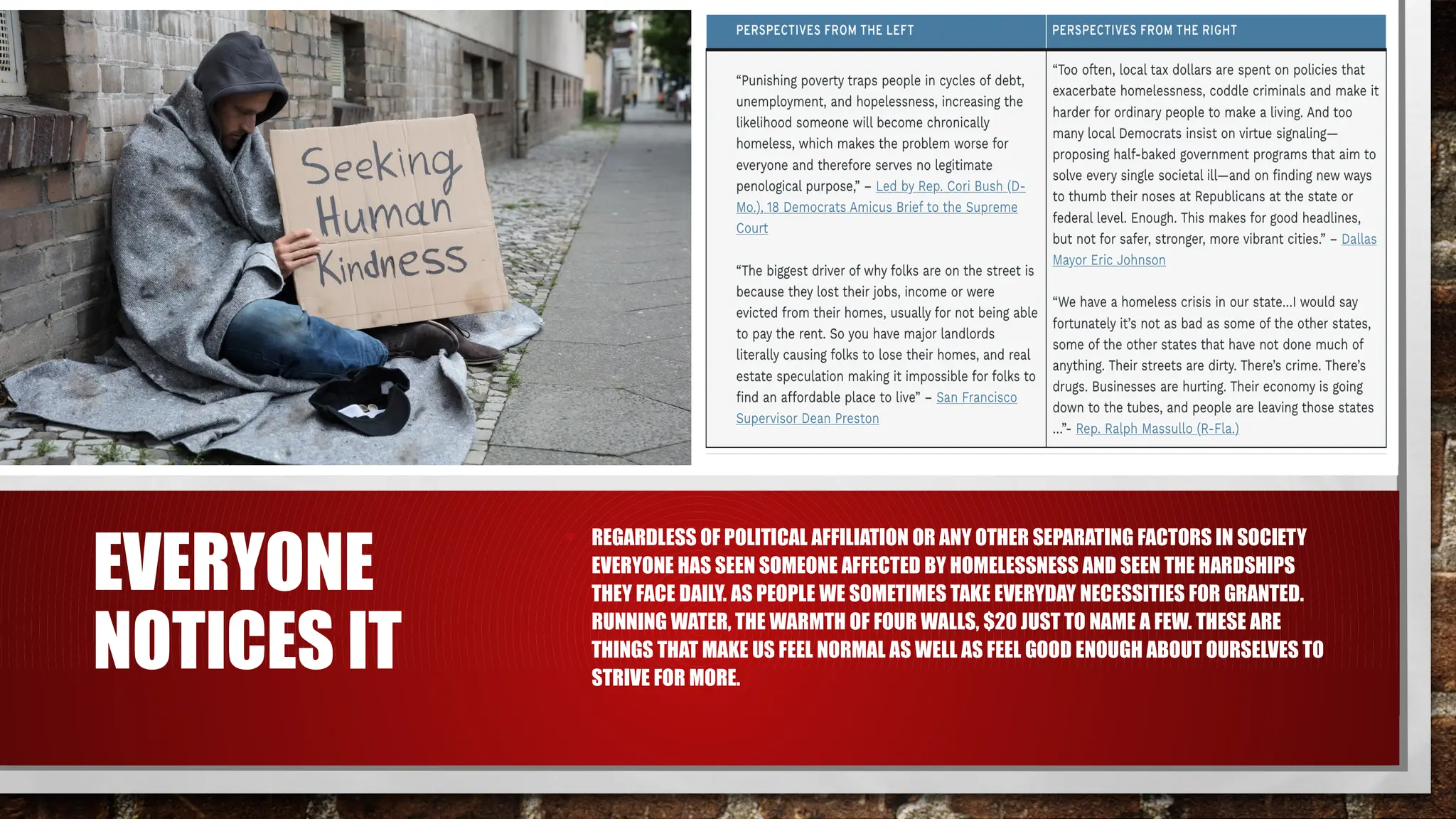
How To Navigate This Trend Without Losing Your Sanity Or Wallet
You want to help, but you don't want to get scammed. You want to share your opinion, but you don't want to get ratioed into oblivion. Fear not, because we’re going to give you the pragmatic, low-dopamine guide to surviving the homelessness discourse without becoming a victim of it.
First, stop doomscrolling and start geo-locating. When you see a viral video about a massive tent city in Portland or Los Angeles, realize that the algorithm is showing you the extreme outlier. It is not representative of the entire homeless population, nor is it an excuse to write off a whole city. Before you share a shocking stat, cross-reference it with a credible source like the Department of Housing and Urban Development (HUD) or local non-profits. Your Instagram infographic made on Canva is not a peer-reviewed study. Be a discerning consumer of viral misery.
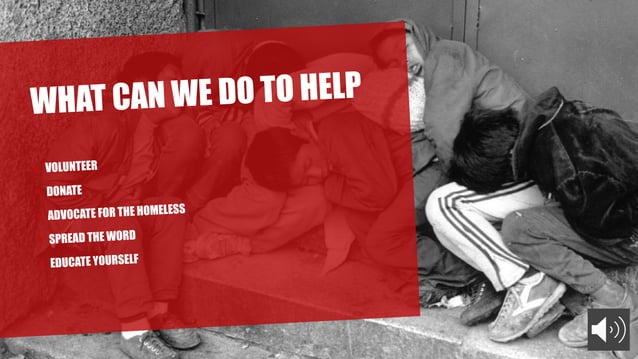
Second, detach your wallet from your guilt. Do not give cash to the person on the street who looks like they just walked out of a Gucci campaign. That’s performative. The most effective way to help is to donate to organizations that provide “Housing First” solutions. Look up groups that offer direct cash transfers, rental assistance, or legal aid for eviction defense. These programs have the highest success rates in getting people into permanent homes. If you feel the urge to hand out food, that’s lovely, but consider calling your city council to advocate for more public bathrooms instead. That’s the real un-glamorous work.
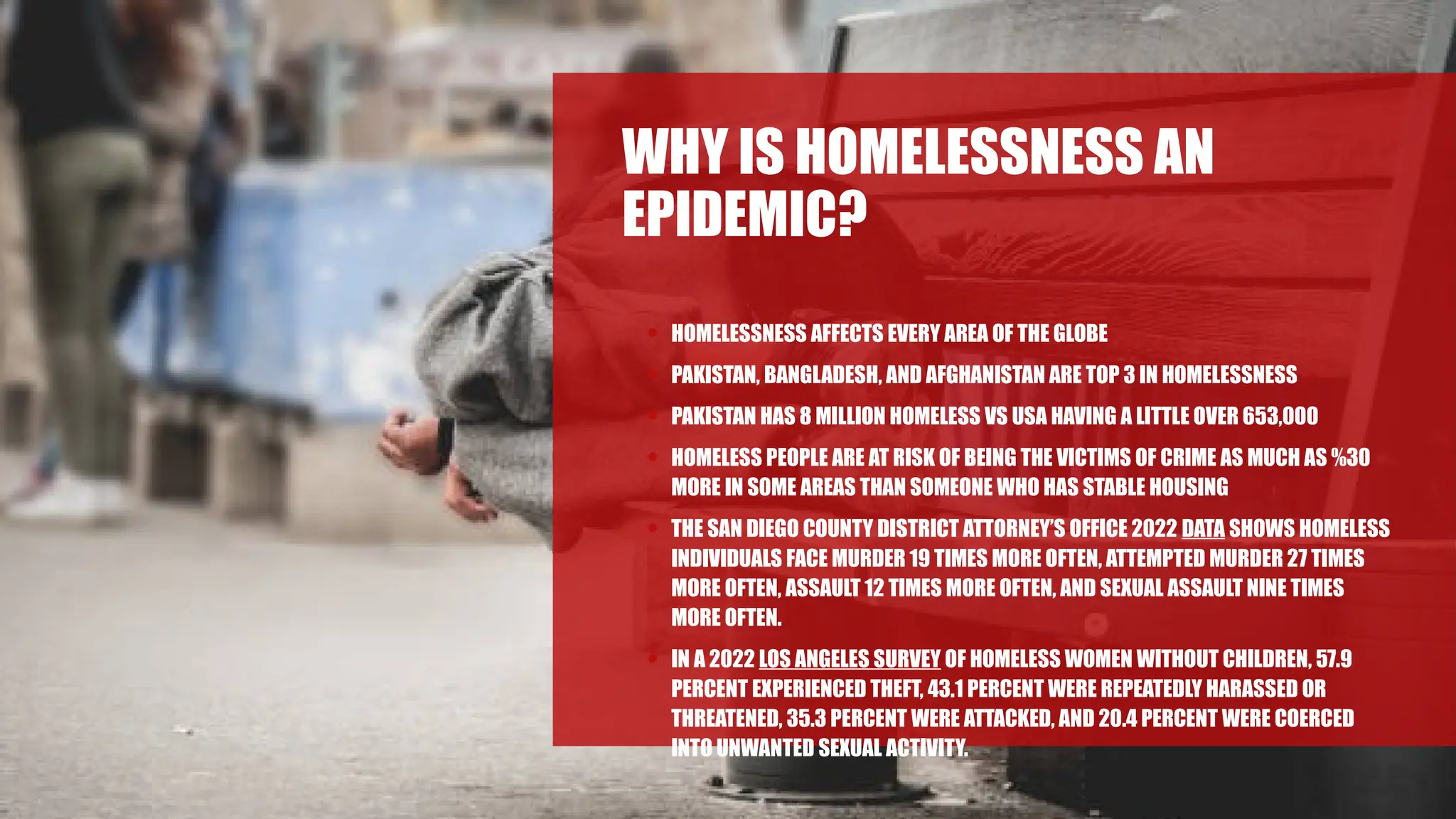
Third, argue like a lawyer, not a meme-lord. When you enter the comment section, avoid the "swipe left" mentality. Don't use buzzwords like "fentanyl capital" or "lazy bums" if you aren't prepared to discuss the complex matrices of mental health cuts, the opioid crisis, and the sheer absence of affordable housing. Conversely, if you’re advocating for "just building more shelters," be ready for the hard question: where? Be prepared to discuss zoning laws and the "Not In My Backyard" (NIMBY) movement. If you can’t handle the nuance, just lurk. It’s okay to learn before you speak.
Finally, re-evaluate your own housing vulnerability (preferably without spiraling). Use this trend as a prompt to check your own financial safety net. Are you one medical bill away from disaster? Maybe cancel that extra streaming service and put $20 into an emergency fund. The line between 'housed' and 'unhoused' is thinner than people think, especially for the creative class that loves to engage in these debates. Use this as a wake-up call to build community ties, because in a crisis, your network is your net worth. And for the love of god, vote in local elections. National politics are incredibly important, but your mayor and city council decide where the shelter buses stop.
H3: Is "Housing First" Just A Liberal Fantasy Or A Proven Fix?
The internet debate rages on this one, usually fueled by a viral clip of a street interview. The critics claim that "Housing First" is just giving addicts free apartments to trash, expecting them to magically get sober. They argue it enables destructive behavior and costs the taxpayer a fortune. However, the data—which is freely available if you look—tells a different story. Housing First is a model that prioritizes getting a person a stable home before addressing other issues like addiction or employment. The logic is simple: you can’t treat a broken leg if you are sleeping in a puddle.
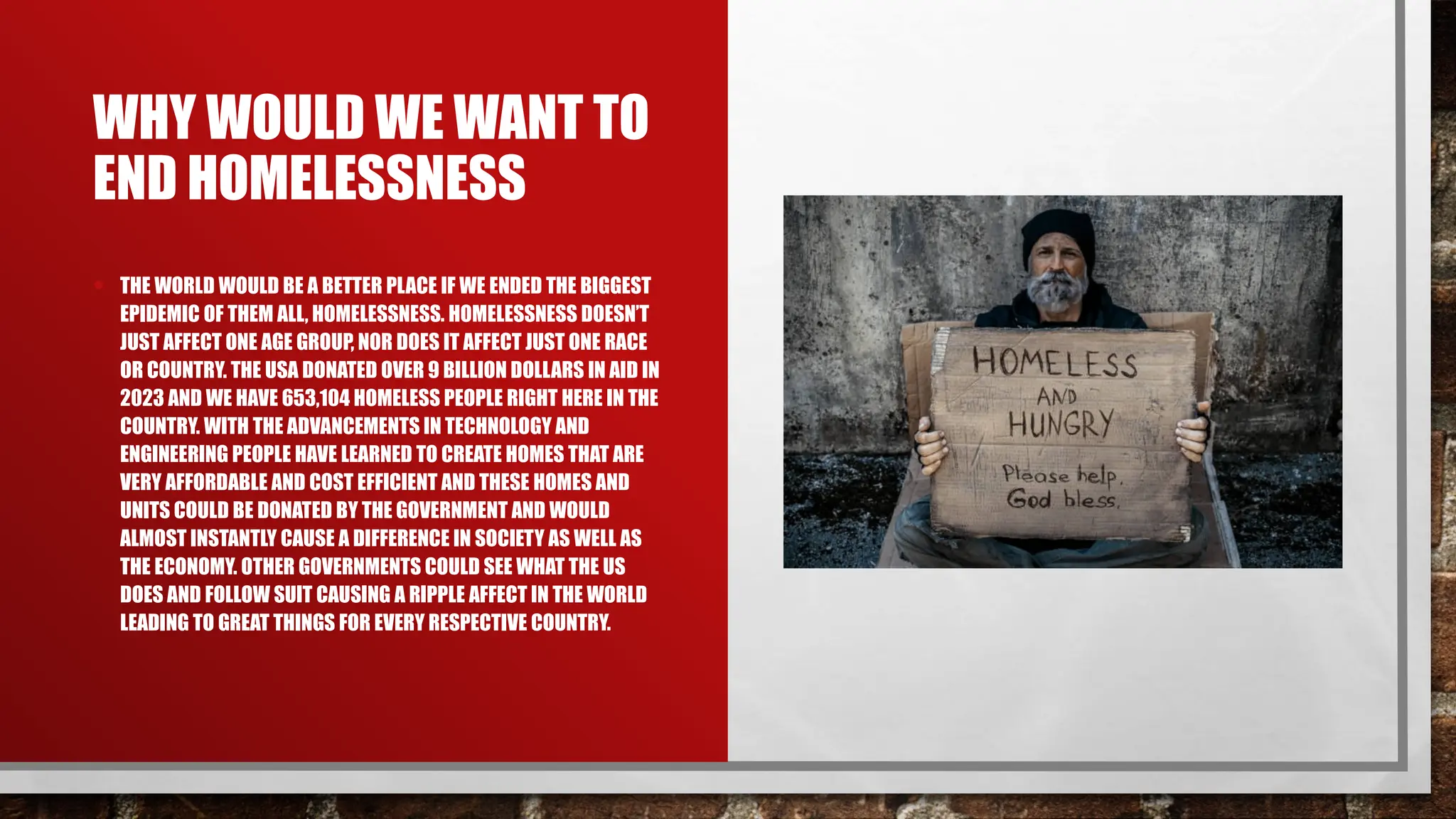
Studies from the United States Interagency Council on Homelessness have consistently shown that Housing First programs have an 85% to 90% housing retention rate. That means people stay housed. It costs more upfront, but it saves the system money in the long run by reducing emergency room visits, jail bookings, and mental health crises. The "failure" that critics point to is often the small percentage of people who do drop out, which is vastly outweighed by the successes that are never viral because they are boring. So, no, it’s not a fantasy; it’s just not as sensational as a video of a guy yelling at a council meeting.
H3: Why Do YouTubers Keep "Interviewing" Homeless People?
Ah, the classic "humanity" content. It’s a genre that ranges from genuinely touching to utterly exploitative. You see these videos everywhere: "I Gave a Homeless Man $1000" or "Listening to the Wisdom of the Street." The problem arises when the interaction is transactional. The creator is extracting a story for views, and the subject is paid (often less than the ad revenue generated). It can be seen as a modern-day freak show if done poorly, reducing a complex human being to a prop for an emotional reaction.
However, there is a sub-genre of this that is actually good. Some creators do long-form interviews without flashing cash in the thumbnail, focusing on systemic issues and the individual’s personal journey with mental health. They treat the subject with dignity and give them a platform, not just a megaphone for profit. The key differentiator is the power dynamic. If the person looks sober, comfortable, and consents to the filming, it might be okay. If the camera is shoved in their face while they’re sleeping, it’s exploitation. Support the former, report the latter.

H3: Should I Give Money To Panhandlers At Intersections?
This is the dinner-table debate that breaks families. Your dad says, "They're just going to buy booze." Your aunt says, "You can't judge." The internet says either "You’re a saint" or "You’re funding the addiction economy." The truth is, there is no one-size-fits-all answer. Some individuals are in dire need of immediate cash for bus fare or food. Others are struggling with severe substance use disorder and will absolutely use that cash to fuel it. You cannot tell the difference from your windshield in 30 seconds.
Here is a pragmatic take: your $5 is not going to destabilize the drug trade, nor is it going to solve their housing crisis. It is a temporary stopgap. If you feel strongly about giving, give with zero strings attached, because that is actual freedom. If you do not want to give cash, carry "care kits" in your car—socks, water, granola bars, and a list of local shelter numbers. That is practical. But do not lecture them. And if you choose to look away, that is also a choice, but try to frame it as "I don't want to enable" rather than "they're a subhuman." Respect their agency, even if you disagree with how they use it, or just donate to a non-profit with your car window rolled up. The performative shame is useless.
So, is this a fad? Will we stop talking about homelessness when the algorithm shifts to the next crisis? Unfortunately, yes, the viral aspect is a fad. The TikTok engagement will die down. But the structural issue is not. The rising cost of rents, wage stagnation, and the lingering effects of the pandemic's eviction cliff mean this is a permanent feature of the modern landscape. We can treat it like a viral trend and move on, or we can let this moment of collective heightened awareness force us to confront the fact that a society is judged by how it treats its most vulnerable. The "trend" is over, but the reality remains. The only question left is whether we have the attention span to care after the views stop rolling in.