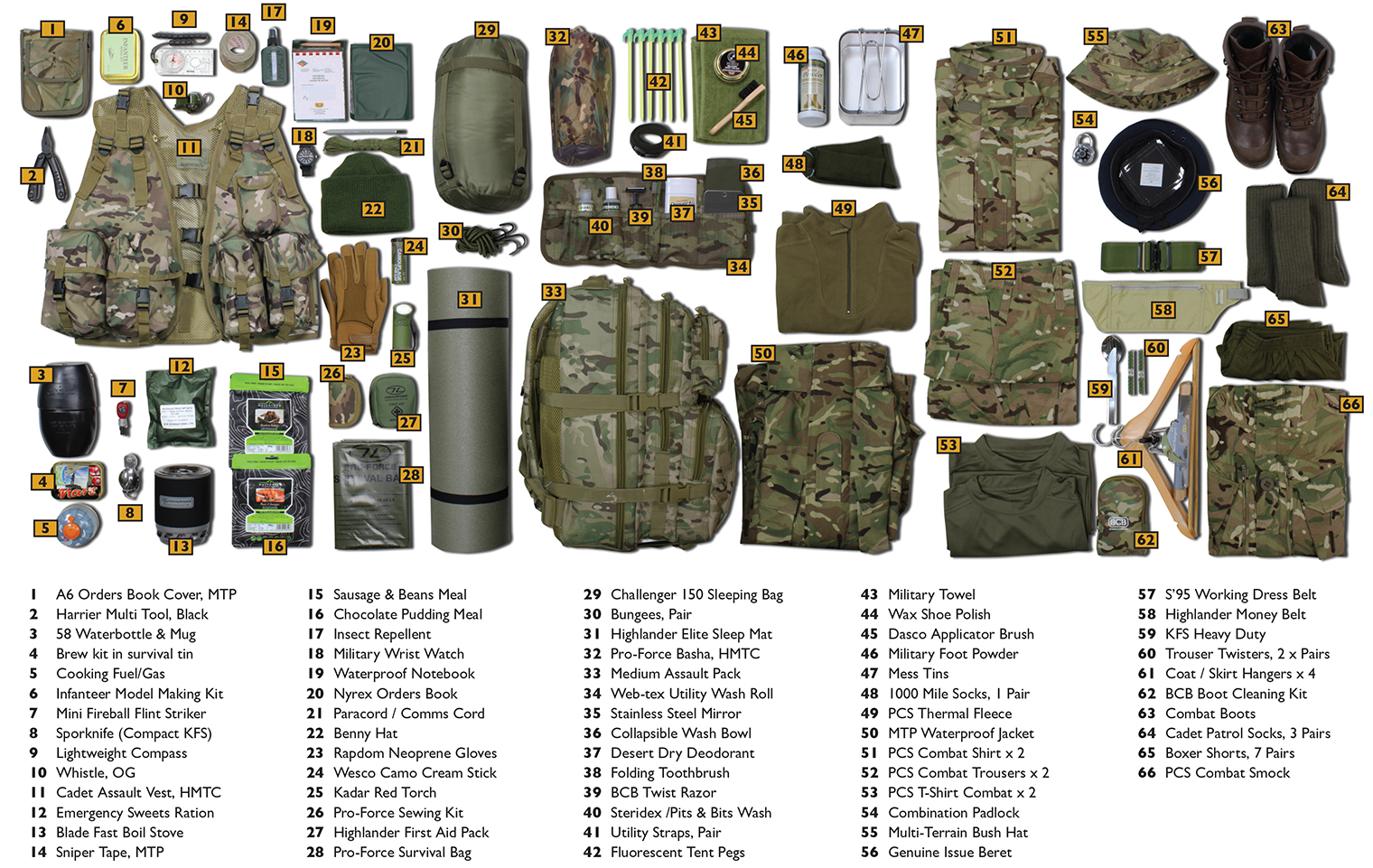
Packing List For Basic Training Army

The decision to join the Army is rarely just about a job; it is often a whispered answer to an internal question about purpose, resilience, and identity. As you stand on the precipice of Basic Training, your mind is not occupied with the physical grind ahead—the running, the push-ups, the obstacle courses—but with a quieter, more profound anxiety. This anxiety is not a weakness; it is the brain’s ancient alarm system firing at the prospect of the unknown. We are hardwired to fear the loss of autonomy, and Basic Training represents the ultimate, structured surrender of that autonomy. Understanding this psychological root—that your fear is a primal, protective response to losing control over your time, body, and choices—is the first step toward not just surviving, but thriving in the crucible you are about to enter.
In our modern world of curated comfort and instant gratification, the concept of packing a duffel bag for a transformation process feels almost archaic, yet it is profoundly relevant. We are a generation that packs for vacations, not for pilgrimages. This list is not about socks and toothpaste; it is a physical manifest of your willingness to let go of the person you were to become the person you need to be. The very act of packing becomes a psychological rehearsal for the letting go ahead. Every item you place in that bag is a small negotiation with your old self, a silent agreement that for the next ten weeks, your external world will be stripped bare so that your internal world can be rebuilt. This guide is not just a list; it is a map for the emotional terrain you are about to cross.
The Hidden Emotional Weight of Every Item
When you start researching packing lists, you will see the same sterile words: razor, shampoo, stationery. But look closer. The razor is not just a tool for grooming; it is the daily ritual that will remind you that you are still an individual beneath the uniform. In the chaos of week one, when your name is replaced by a number and your voice is lost in the roar of a drill sergeant, that small, familiar act of scraping foam from your face becomes a lifeline to your own humanity. The emotional trigger here is the cognitive bias known as the "identity shift." You are terrified of being erased. The simple, mundane items on your list are your anchors to the ‘you’ that existed before the storm.
Must Read
Consider the humble notebook. To the outside world, it is a place for phone numbers and schedules. To you, it will become a confessional, a therapist, and a time capsule. During Basic Training, your mind will be bombarded with information and stress, leaving little room for introspection. The act of writing forces your brain to process events at a slower, more digestible pace. The emotional hurdle is the feeling of being overwhelmed by groupthink. You will be told what to think, what to say, and how to feel. The notebook is your silent rebellion, a private space where your authentic, unfiltered thoughts can exist without judgment. Packing it is an acknowledgment that you will need a sanctuary, even if that sanctuary is only the size of a pages.
The most overlooked item on any list is the photograph. It is a tiny, two-dimensional piece of cardboard, yet it carries the immense, gravitational weight of your entire support system. When you are exhausted, cold, and questioning why you ever left, that photograph is a visual reminder of the stakes. It is not about nostalgia; it is about motivation. Looking at the faces of those you love forces your brain to shift from a state of "flight" to a state of "fight." It triggers the release of oxytocin, the bonding hormone, which actively counteracts the cortisol flooding your system. Preparing this item is an emotional moment. Choose the photo not of the perfect sunset, but of the imperfect, laughing family dinner. That is the image that will carry you through your darkest hour.
Packing as a Meditation: Mindset Shifts and Actionable Steps
Do not pack the night before you leave. This is a critical rule for your mental well-being. Packing in a state of panic creates a negative psychological association with your gear. Instead, begin your packing process three days prior. Lay every item on your bed in the morning. Throughout the day, as you think about each item—its purpose, its weight, its necessity—you are mentally rehearsing your departure. This step-by-step ritual is a form of mindfulness. By consciously touching and placing each object, you are telling your brain, "I am accepting this change. I am preparing for this transition." This process converts passive dread into active agency. You are no longer a victim of the upcoming change; you are a participant in your own preparation.
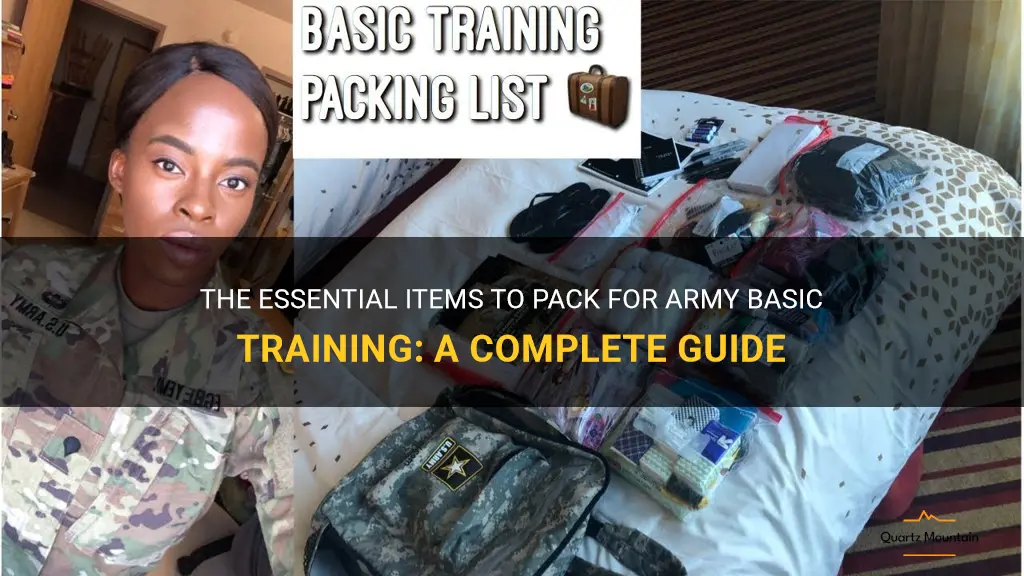
Mindset shift number two: embrace the concept of "minimalist scarcity." When packing, your brain will beg you to bring extra underwear, extra snacks, extra comfort items. This is the scarcity bias—the fear of not having enough. However, Basic Training is designed to teach you that you need remarkably little to survive and excel. Pack exactly what the official list says, and not one item more. This is a discipline practice. Every time you resist the urge to overpack, you are strengthening the mental muscle of self-control that you will need when you are tempted to quit during a ruck march. The drill sergeants will search your bags; having extraneous items is not just a physical burden, it is a psychological invitation for them to see you as unprepared. Packing lean is your first act of trust in the process—trust that you will be provided for, trust that you are strong enough to adapt.
Your step-by-step routine should mimic the structure you are about to enter. Step one: gather all items into categories (hygiene, clothing, admin, morale). Step two: pack the "admin" items first—your orders, ID, and social security card. These represent your identity; they are non-negotiable and should be given the highest mental priority. Step three: pack clothing rolled, not folded. This is not just about space; it is about efficiency. Rolling is a proactive, space-maximizing action that will subconsciously teach you to solve problems with logic rather than panic. Step four: place the photograph and the notebook in the top pocket, not at the bottom. These are your "emergency rations" for the soul. Having them easily accessible tells your subconscious that you value your mental health as much as your physical preparedness. Finally, zip the bag shut, stand up straight, and look in the mirror. Tell yourself, "I am not packing a bag; I am packing my resolve."
Finally, adopt the mindset of "the observer." As you pack, mentally detach from the anxiety and observe your own actions. Notice the tremor in your hands, the speed of your breath. Do not judge these reactions; simply notice them. This is a cognitive behavioral technique called "decentration." By observing your anxiety without engaging with it, you weaken its power over you. You are training your mind to see the bigger picture. The bag is packed; the fear is present; but you are still in control of your breath. This simple practice of breath awareness while packing will be the exact same technique you use during the gas chamber or the final ruck march. You are not just packing gear; you are packing the tools for your own mental resilience.
Frequently Asked Questions: Emotional Navigation
What if I get homesick and cry at night? Will that make me weak?
Let us address this head-on: crying is not weakness; it is a physiological release of pent-up stress hormones. In the barracks, under the fluorescent lights, surrounded by strangers, you will likely hit a wall of loneliness. When this happens, your body is literally trying to flush out the cortisol that has been building up all day. Suppressing that emotion is akin to holding a beach ball underwater—it takes immense energy and eventually explodes. The strength is not in never crying; the strength is in crying quietly in your sleeping bag, letting the tears flow for a few minutes, and then taking a deep breath and wiping your face.

The true test of your resilience is not the crying itself, but what you do after. Do you isolate further, or do you whisper a joke to the guy in the bunk next to you? The weakness is in letting the homesickness define your entire experience. You are not leaving your home; you are expanding its definition to include the brothers and sisters who will suffer beside you. When you feel that lump in your throat, touch the photograph in your pocket. Use it as a catalyst. Ask the person next to you about their family. In that act of connection, you will find that you are not alone, and that shared vulnerability is the glue of a formidable unit.
I am terrified of failing the physical fitness test. How do I cope with that weight?
The fear of physical failure is often a proxy for a deeper fear: the fear of being publicly exposed as inadequate. Basic Training is a fishbowl; everyone sees your push-ups, your run times, your struggles. This triggers a social survival instinct. To cope, you must detach your self-worth from your initial numbers. The Army does not care about your starting point; they care about your trajectory. They have artificially made the initial standards lower because they know you are arriving undernourished emotionally and physically.
Your coping mechanism is to practice "process orientation." Instead of obsessing over the number of push-ups, obsess over the form. Focus on the smooth, controlled descent and the explosive push upward. Every single repetition, regardless of count, is a win if your form is perfect. Redirect your brain from the question "Can I do this?" to "Am I doing this properly?" Furthermore, understand that the fatigue you feel during the test is not a signal to stop; it is a signal to dig deeper. Your brain sends a pain signal to protect you from injury, but in this context, you must politely override it. Tell yourself, "I am safe. I am strong. I can do one more." This cognitive reframing transforms a panic-inducing physical event into a mental victory lap.

How do I handle the feeling of being constantly yelled at without taking it personally?
This is perhaps the most psychologically challenging aspect of Basic Training. The yelling is a tool designed to simulate the high-stress environment of combat, forcing you to function while your nervous system is overloaded. The drill sergeant is not angry at you; they are evaluating your ability to listen under duress. The biological hurdle is that your amygdala interprets the yelling as a threat, triggering a "freeze" response. You must train your brain to reframe the sound. Instead of hearing "you are worthless," try hearing "do not freeze; move."
To achieve this, adopt a "historical perspective." Understand that this yelling has been happening to every soldier for generations. It is a rite of passage, not a personal indictment. When the yelling begins, use a grounding technique: feel your feet on the ground, feel the fabric of your uniform, and count your breaths. This brings you from the emotional brain to the logical brain. You are not a dog being scolded; you are an actor receiving direction. The drill sergeant is the director, and the yelling is the performance cue. The moment you detach your ego from the volume of the drill sergeant's voice, you reclaim your internal power. You will realize that they cannot break you because you refuse to give them the keys to your self-esteem.
What about the fear of being injured and getting recycled (pushed back a phase)?
The fear of physical injury is primal, but the fear of being "recycled" is a social and temporal anxiety. It means a setback, a delay in your timeline, a feeling of being left behind. This fear can cause recruits to hide injuries, which only compounds the problem. You must understand that being recycled is not a moral failure; it is often a logistical necessity for recovery. The Army would rather have a healthy soldier a month later than a broken soldier who was pushed through.
To manage this anxiety, you must shift your definition of "failure." Success is not the absence of setbacks; success is the ability to recover from them. If you get a stress fracture, the successful action is to report it immediately, go to sick call, and listen to your body. You are not quitting; you are managing your long-term readiness. This introspection is crucial: the soldier who ignores pain to prove a point is selfishly prioritizing ego over the mission. The soldier who heals and returns stronger is serving the unit better. Your mind is a powerful healer or exaggerator. If you focus on the catastrophic "what ifs," you will live in a state of anxiety. If you focus on the present moment—the ice pack on your shin, the physical therapy, the slow progression—you are mastering the art of living in the "now."

Is it normal to feel like I made a huge mistake right after I arrive?
Yes, and it is not just normal; it is an expected phase of the psychological adjustment curve. In the first 48 hours, you will experience a profound shock to your system. The sensory overload—the sounds, the smells, the pressure—combined with sleep deprivation creates a state of cognitive dissonance. Your brain, desperate for the comfort of your previous life, will scream at you that you have made a catastrophic error. This is the "honeymoon phase" of the old life ending, replaced by the "reality check" phase. You are mourning the loss of your identity, and grief often looks like regret.
The key to navigating this is to recognize that this feeling is temporary and not reflective of your true potential. You must create a "24-hour contract" with yourself. Do not allow yourself to panic-quit in a moment of acute stress. Tell yourself, "I will give this 24 more hours. I will complete just one more meal, one more class, one more night of sleep." By breaking the enormity of the challenge into small, digestible time blocks, you prevent the spiral of "I cannot do ten weeks of this." You are not committing to the entire journey; you are committing to the next hour. As the days pass, you will look back at the terrified person who arrived, and you will realize that the "mistake" was actually the bravest decision you ever made.
Mastering the art of packing for Basic Training is the first lesson in mastering the art of life. It is about recognizing that growth requires a period of strategic surrender. You are relinquishing the clutter—both physical and mental—to make room for a more disciplined, focused, and resilient version of yourself. The anxiety you feel as you zip that duffel bag is the same energy you will learn to channel into courage. The act of letting go of the unnecessary is the very definition of maturity. This journey is not just about learning to fight; it is about learning to live with intention.
When you finally stand in your uniform, years from now, you will not remember the brand of your shampoo. You will remember the weight of the bag on your shoulder the first time you walked into the reception battalion. You will remember the fear and, more importantly, how you walked through it. The packing list is a tool, but the real transformation is internal. You are packing for a journey that will strip you down to your core and rebuild you with steel. You are not losing yourself; you are finding the parts of yourself that were always meant to be forged under pressure. Carry that truth in your duffel bag, and you have already won the first battle.