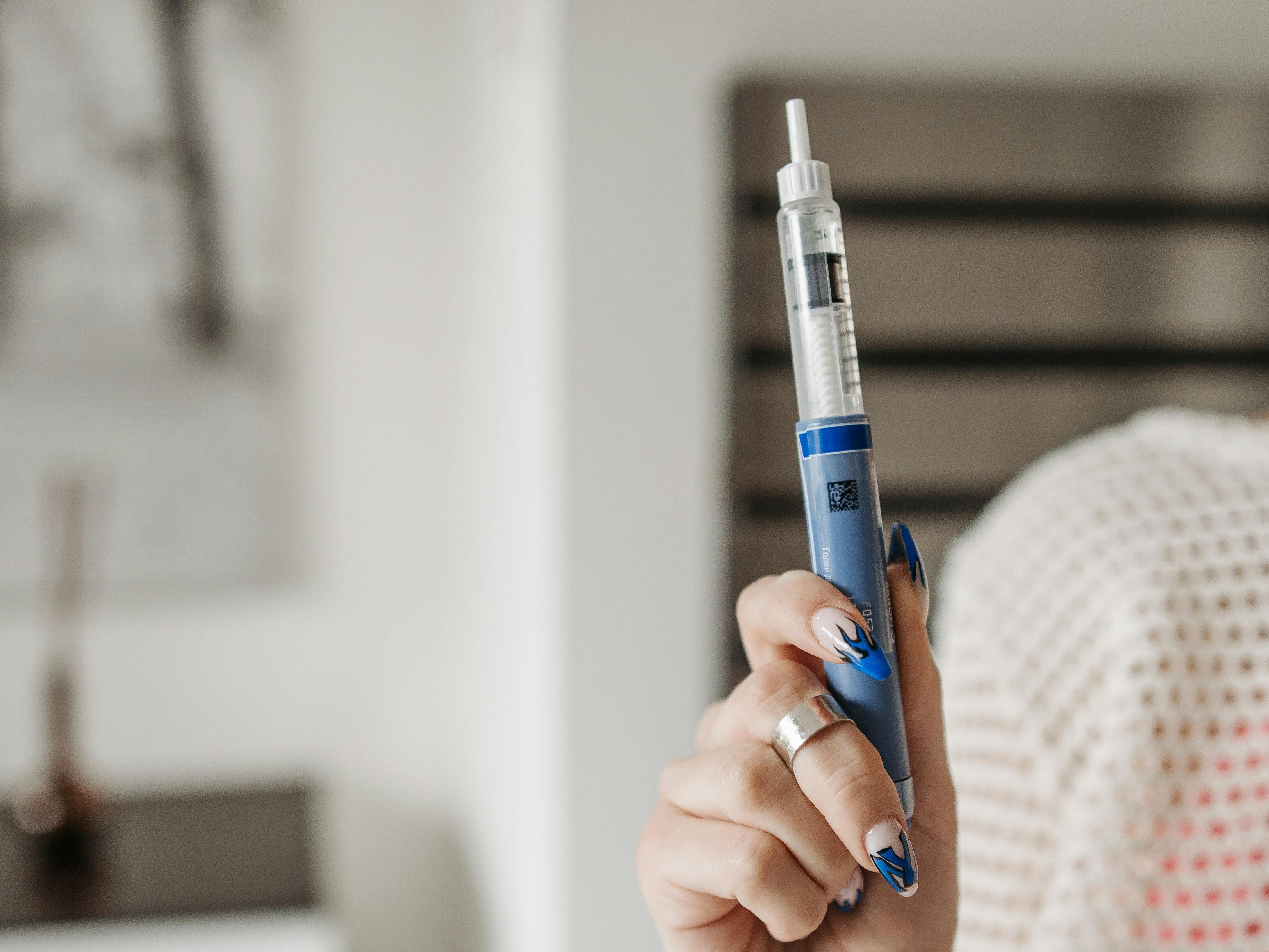
Ozempic Side Effects Constipation

So, you’ve started on Ozempic—congrats on joining the slow-drip revolution. You’re feeling less hungry, your jeans are looser, and the scale is finally moving. But then, there’s the silence. Not just in your cravings, but in your digestive tract. That’s right, we need to talk about the unsexy side effect that nobody puts on the promotional poster: constipation.
You’re not alone in this. Nearly one in five people on GLP-1 meds like Ozempic report some level of “backed-up-ness.” It’s the flip side of the appetite-suppression coin, where your stomach empties slower to keep you full. The same magic that keeps you from eating a second slice of cake also slows the entire conveyor belt of digestion, leaving things a little too cozy.
The "Why" Behind the Blockage
Think of your gut as a lazy river. Ozempic turns down the current to make you feel fuller, longer. But less current means more time for water to be absorbed from your waste—which creates drier, harder “logs” that don’t float downstream easily.
Must Read
It’s a classic case of “full” vs. “full of it.” You might eat less, but your colon is still collecting what you do eat. And because you’re probably also eating less fiber (because you’re less hungry), there’s not enough bulk to push things along. Everybody’s favorite party trick: a traffic jam, but in your pelvis.
Fiber: Your New Best Friend (But Be Smart)
Don’t go crazy with a giant bowl of bran flakes and a side of kale just yet. Sudden, drastic fiber increases can actually make things worse, turning a small log jam into a full-blown boulder field. Instead, sneak in soluble fiber like psyllium husk (the stuff in Metamucil) or chia seeds soaked in your morning smoothie.

And yes, you’ve heard it before, but hydration is non-negotiable. You need to drink more water than you think, especially because Ozempic can dull your thirst signals. Think of it this way: you wouldn’t run a dishwasher without water, so don’t run your gut dry. Aim for a couple of extra glasses a day, and add electrolytes if you start feeling light-headed.
The "Magical" Morning Routine
Here’s where we get a little tactical. Don’t just roll out of bed and hit the coffee—give yourself ten minutes of movement. A gentle walk, some yoga poses like “knees to chest,” or even just bouncing on a yoga ball can stimulate those lazy bowels. Your lower gut loves motion; it’s basically a grumpy baby that needs to be rocked to sleep.

Also, consider a warm beverage—not necessarily coffee (which can dehydrate), but warm lemon water or a mild herbal tea. Heat plus hydration is the old-school combo that gets the plumbing humming. And if you’re really struggling, try a magnesium supplement at night—it pulls water into the colon and relaxes your muscles, making morning “business” less of a horror movie.
Cultural Fixes & Fun Facts
Did you know the ancient Greeks used prunes as a medicine for everything, not just grandma’s breakfast juice? Turns out, they were onto something. Prunes have sorbitol, a natural sugar that acts like a mild laxative. Just two or three a day—not the whole bag—can work wonders without triggering Ozempic’s nausea side effect.
Fun fact: Your gut is called the “second brain” for a reason. It contains over 500 million neurons. That means it has the capacity to be just as dramatic and stubborn as your actual brain. So, treat it gently—bribe it with prunes, water, and a walk, rather than yelling at it with strong laxatives that can cause cramping.

Another cultural hack: the “French squat”. Yes, a small footstool in your bathroom can change your life. By elevating your knees above your hips, you mimic a natural squatting posture, which straightens the last part of your colon. It’s the secret porcelain throne hack that interior designers don’t talk about.
When To Tap Out
Now, let’s be real. If you haven’t “gone” in five or more days, are dealing with severe abdominal pain, or feel like you’re trying to pass a bowling ball, it’s time to call your doctor. Over-the-counter stool softeners like docusate are generally safe, but avoid stimulant laxatives unless directed. You’re not trying to colonic-irrigate your soul; you’re just trying to skip the discomfort.
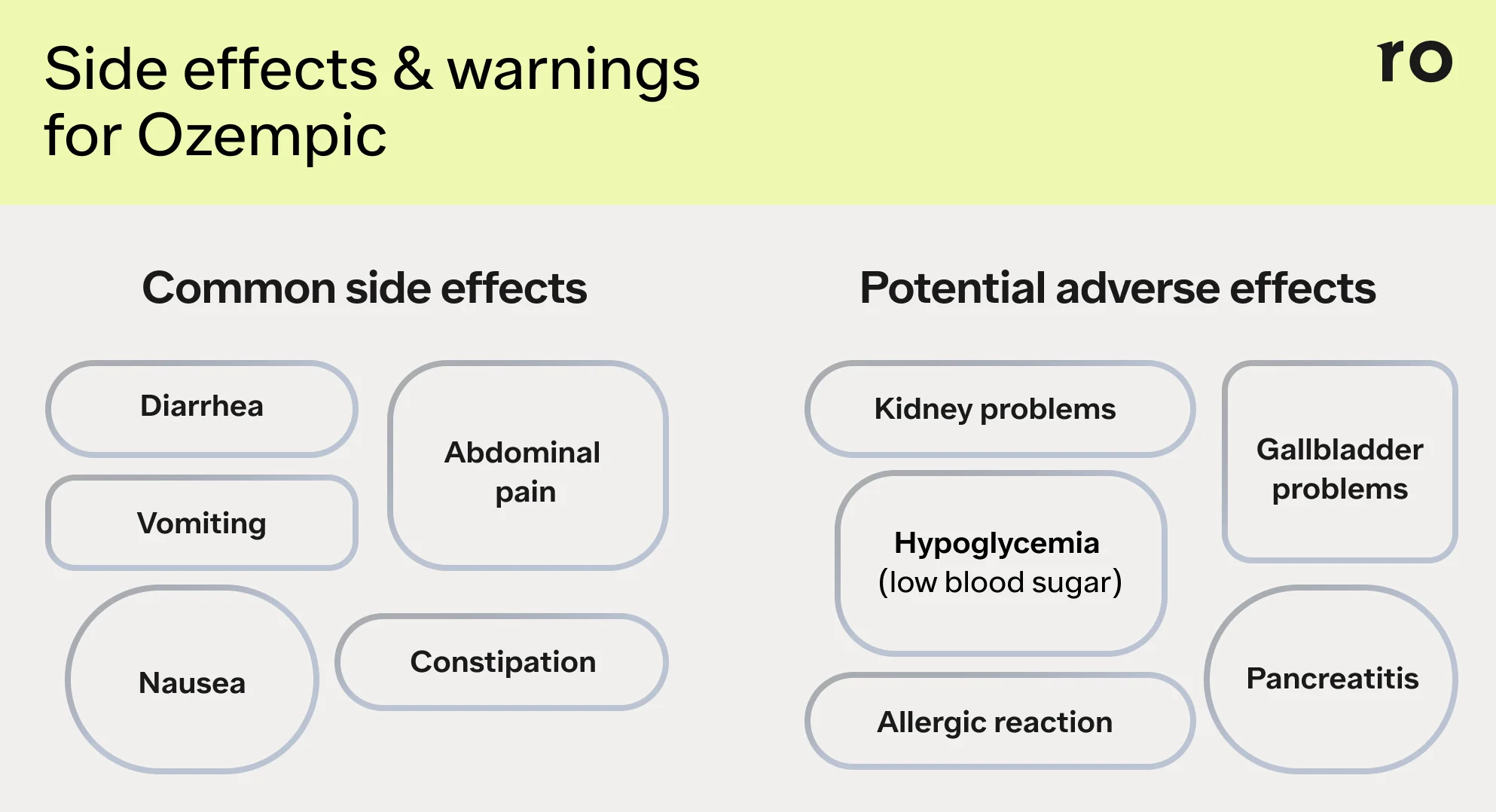
Also, remember that this usually settles down after a few weeks as your body adjusts to the medication. The first month is a shock, then things start to find a new normal. If it doesn’t, your doctor can sometimes adjust your dose or suggest a split-dose regimen.
The Bottom Line (Pun Intended)
You didn’t start Ozempic to become a master of “pushing,” but here we are. This is the side quest nobody asked for—the one that makes you appreciate the simple, unglamorous miracle of a regular, effortless trip to the bathroom. It’s a humbling reminder that our bodies are not machines; they’re ecosystems that need delicate care, not brute force.
So, treat yourself like a high-maintenance houseplant. Give it slow, steady water, a little bit of morning sunlight, and some premium soil (that’s your fiber). The scale might be moving, but the goal is to move you too—gently, consistently, and without a wrestling match with the toilet. You’ve got this, and your guts will eventually get with the program. Just keep the water bottle close and the footstool closer.