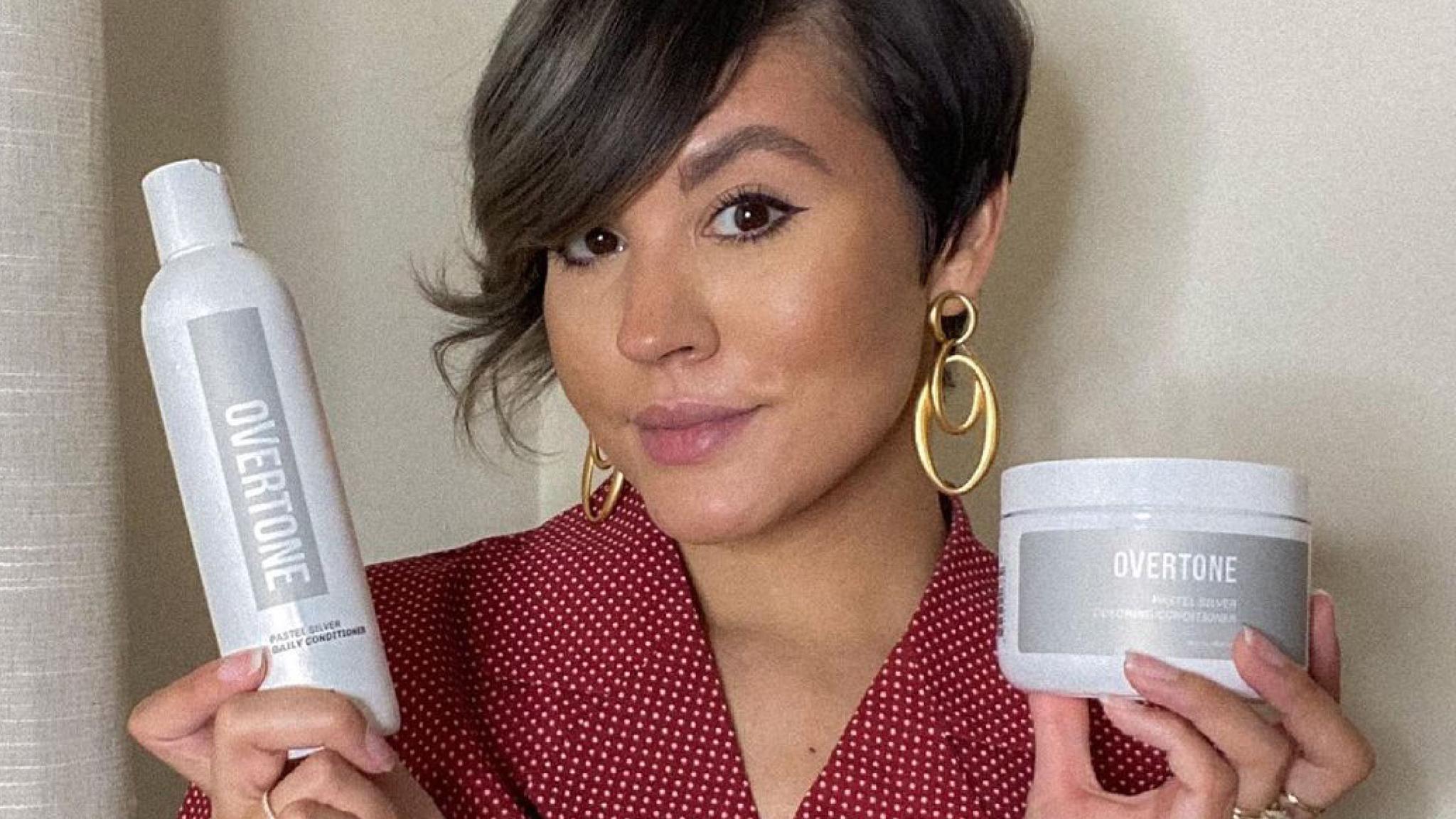
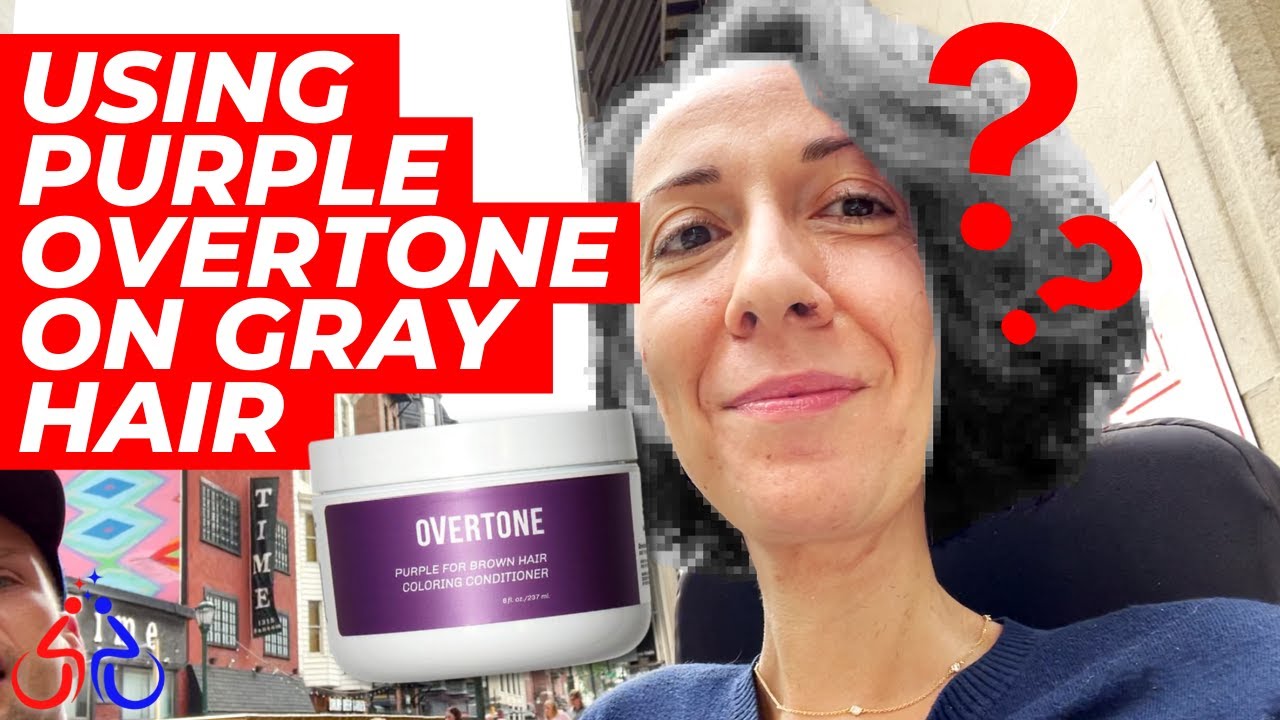
Overtone Hair Color For Gray Hair

There is a particular silence that falls over a bathroom when a woman of a certain age first catches a glimpse of silver at her temples. It is not the silence of shock, but of recognition—a quiet acknowledgment of a conversation her grandmother once had, and her grandmother before that. For generations, this moment was met with a binary choice: the patient, defiant embrace of the salt-and-pepper crown, or the ritualistic pilgrimage to the drugstore aisle, seeking a box of dye to turn back the hands of time. This was the era of the "rinse," the "touch-up," and the hushed whispers about "covering the gray." The history of hair color is not merely a timeline of chemical innovations; it is a deeply personal narrative of how we negotiate with mortality, visibility, and selfhood. From the ancient Egyptians crushing henna to mask the first signs of age, to the Victorian women who used lampblack and lead combs—often at the cost of their health—the quest to control pigment has always been a quest to control perception. The humble beginnings were messy, toxic, and shrouded in shame, a secret kept between a woman and her bathroom mirror. The initial human necessity was not purely vanity; it was survival in a social landscape where youth equated to fertility, vitality, and worth. In the mid-20th century, with the rise of the beauty industrial complex, gray hair was pathologized as a "problem" that needed solving. The advertising of the 1950s and 1960s painted a stark picture: gray was synonymous with neglect, with "letting yourself go." The dye was the savior, but it was a demanding one—requiring precision, allergy tests, and a strict every-four-weeks maintenance schedule that dictated one’s social calendar. This was the world into which Overtone hair color would eventually be born, but not yet. For decades, the silver-haired individual was trapped in a cycle of harsh ammonia, peroxide, and brittle strands, all in the name of a color that was never their own. The shame was the fuel, and the salon chair was the confessional. Yet, within this rigidity, a seed of rebellion was planted, waiting for a generation that would question the very premise of the "problem."
The Great Chromatic Shift: From Concealment to Canvas
The transformation of the gray hair landscape did not happen with a single product launch, but rather through a cultural seismic shift that began in the late 2010s. The "gray hair movement" was not about hiding the silver; it was about highlighting it—treating the natural growth as a highlighter or a base for vibrant, temporary expression. This is where Overtone inserted itself with the precision of a cultural surgeon. Founded by a woman who was tired of bleaching her roots to achieve pastel colors, the brand tapped into a forgotten vintage fact: porous hair holds color differently. In the 1970s, a stylist might have told you that damaged hair was a curse, a sign of over-processing that led to uneven color. Overtone flipped this dictum on its head, realizing that the very texture of silver and gray hair—which is often coarser, more porous, and lacking natural pigment—was, in fact, the perfect sponge for direct-deposit dyes. The bizarre treatment of the past—where stylists used violet shampoos to "neutralize" yellowing—was now being hacked into a method for applying vivid, jewel-toned pigments without a single drop of bleach. This era marked a radical departure from the "normalization" of the past. Instead of a single, uniform shade of "Ash Brown" or "Golden Blonde," the market saw a rainbow emerge from the crown of women who had previously been relegated to the shadows of beauty. The forgotten vintage fact that resurfaces here is the ancient use of botanical stains; indigo and henna were once used not just to color, but to add a protective layer to the hair shaft. Overtone’s conditioners operate on a similar principle, depositing pigment while simultaneously conditioning the fiber. But the true genius of the modern hack lies in its psychological impact. It allowed women to say, "I see my gray, and I am not hiding it—I am using it as a canvas." It transformed the act of "covering" into the act of "curating." The 2020 pandemic lockdowns accelerated this, as women, unable to visit salons, took control of their hair narratives at home, mixing vibrant oranges and deep purples into their growing silver roots, creating a deliberate, chromatic ombré that was more stylish than any single-process dye job could ever be.The Alchemy of Porous Silver: Modernizing Classic Care
The modern genius of using Overtone on gray hair lies in its reframing of a classic principle: the less pigment you have, the more vibrant the deposit. In the past, stylists used "fillers" before applying dark color to gray hair to prevent it from looking flat or hollow. Overtone has effectively commodified this concept, making the filler the star of the show. For the fast-paced woman of today, the laborious ritual of a full color appointment—the foils, the processing time, the expensive toner—has been replaced by a 15-minute mask application in the shower. The classic principle of "tone correction" is hacked into a weekly ritual of "tone enhancement." You are no longer fighting the gray; you are leveraging its high porosity to create a custom look that shifts with every wash. The "fade" that was once a sign of neglected roots is now a deliberate aesthetic—a lived-in, dimensional look that speaks to a busy lifestyle, providing a gradient effect that high-end salons charge a premium to mimic. Moreover, the modern hack involves a synergy with the "silver fox" aesthetic for men as well. The stigma for men is different, but the technology is universal. By using a deep, translucent blue or violet Overtone, a man with graying hair can neutralize the yellowing caused by hard water and product buildup, keeping his silver looking like polished platinum. This is the ultimate modernization of the 1930s "blue rinse" but without the tell-tale stiffness of a dry shampoo. The classic principle of hair care—moisture retention—is the backbone of the product line. Unlike traditional demi-permanent dyes that open the cuticle with alkaline agents, Overtone adheres to the surface, meaning the integrity of the silver hair is maintained, preventing the "yellowing" that comes from stress and breakage. It is a marriage of nostalgia and pragmatism, proving that the old rules of hair color—avoiding red tones to prevent brassiness—can be rewritten when you accept that the gray is not a flaw, but a feature.Frequently Asked Questions: Bridging the Past and the Pigment
Will Overtone stain my gray hair permanently, or is it a temporary commitment?
Historically, the fear of temporary color was that it would wash out within a week, leaving behind a murky, stained mess. In the 1980s, temporary hair mascaras and sprays were notorious for flaking off onto collars and pillows. However, the science of direct dyes has evolved. Overtone is a semi-permanent, direct-deposit dye, meaning it does not use peroxide to lift the cuticle. Instead, it wraps around the hair fiber. For gray hair, which is naturally porous, the pigment penetrates deeper than it would on virgin hair. The result is a commitment that lasts anywhere from 4 to 8 weeks, sometimes longer, depending on your wash frequency. It will not wash out completely clean; it fades gracefully, often leaving behind a pastel tint that many users adore. This is a stark contrast to the permanent dyes of the 1950s, which required harsh chemical removers to alter. This is a "semi-commitment," giving you the flexibility to change your mind without the guilt of a botched salon job.
Modern conditioning formulas deposit pigment while sealing the cuticle with moisturizing agents. This means that unlike the dyes of yesteryear that left gray hair feeling like straw, Overtone actually improves the texture. The "fade" is user-controlled; if you use a harsh clarifying shampoo, you will strip it faster. If you use sulfate-free shampoos, the color lingers longer. The historical myth that silver hair cannot hold vibrant color without pre-bleaching is entirely false. The porous nature of gray hair acts as a natural highlighter, meaning that a deep blue or a rich copper will look vivid immediately. The key is to strand test, because the porosity varies from root to tip. If your gray hair is resistant, you may need to leave the conditioner on for an extended period, but it is a low-risk, high-reward endeavor compared to the chemical risks of the past.
Can I use Overtone on gray hair that has previously been chemically dyed?
This is a complex scenario that bridges the old world and the new. In the past, applying a new color over a box dye was a gamble, often resulting in a demarcation line or a muddy brown. However, with Overtone, the rules are different. If your gray hair has been permanently dyed a darker shade, the first thing you must do is assess the current color. Overtone is not a lightener; it can only deposit color that is darker or of a similar tone. If your perished dye job is a light blonde or a faded brown, the Overtone will deposit on top, giving you a rich, glossy new hue. The issue arises with the "old" color versus new gray growth. The gray roots will be more porous and will grab the color intensely, while the previously colored ends may be less porous and grab less. This is actually a benefit—it creates a beautiful, dimensional "shadow root" effect that is highly sought after in modern salons.
Must Read
To hack this, you must treat the hair like a fabric. The vintage technique of "pre-softening" is highly recommended. Before applying the vibrant Overtone, if your ends are chemically dull, you can apply a deep conditioning treatment to equalize the porosity, or use a "color remover" (gently) to lift some of the old permanent pigment. However, a simpler approach is to lean into the mismatch. If your gray roots are 20% white and your old color is a medium brown, applying a deep purple Overtone will result in a fiery magenta on the roots and a blackberry tone on the ends. This is not a mistake; it is a modern, artistic approach. The historical rule of "matching your color" is obsolete. The new rule is to understand that you are layering light and texture. Always test a hidden strand first, but rest assured that the chemical interaction between a direct dye and an oxidative dye is safe, unlike the dangerous mix of bleach and metal-based dyes that caused hair loss in the 1920s.
How does the "fade" differ on gray versus regular hair, and can I control the pink/orange tint?
Aging hair is a story of diminishing pigment and increasing porosity. On regular hair, dye molecules are trapped by the cortex. On gray hair, there is no melanin to block the light or the dye. This means the fade is often unpredictable. The worst-case scenario in the past was the "brass" effect—a orangey, copper tint that appeared when red tones in the dye faded slower than the blue tones. To prevent this, the old-school solution was the blue and violet shampoo. With Overtone, you have full control. If you use their "blue" or "purple" shades, the fade will often leave a pleasant cooling tint that neutralizes yellow. However, if you use a red-based color like "Rose Gold," be warned: the red pigments are huge molecules and they hang tough. On gray hair, they will linger for weeks, creating a strawberry-blonde effect.
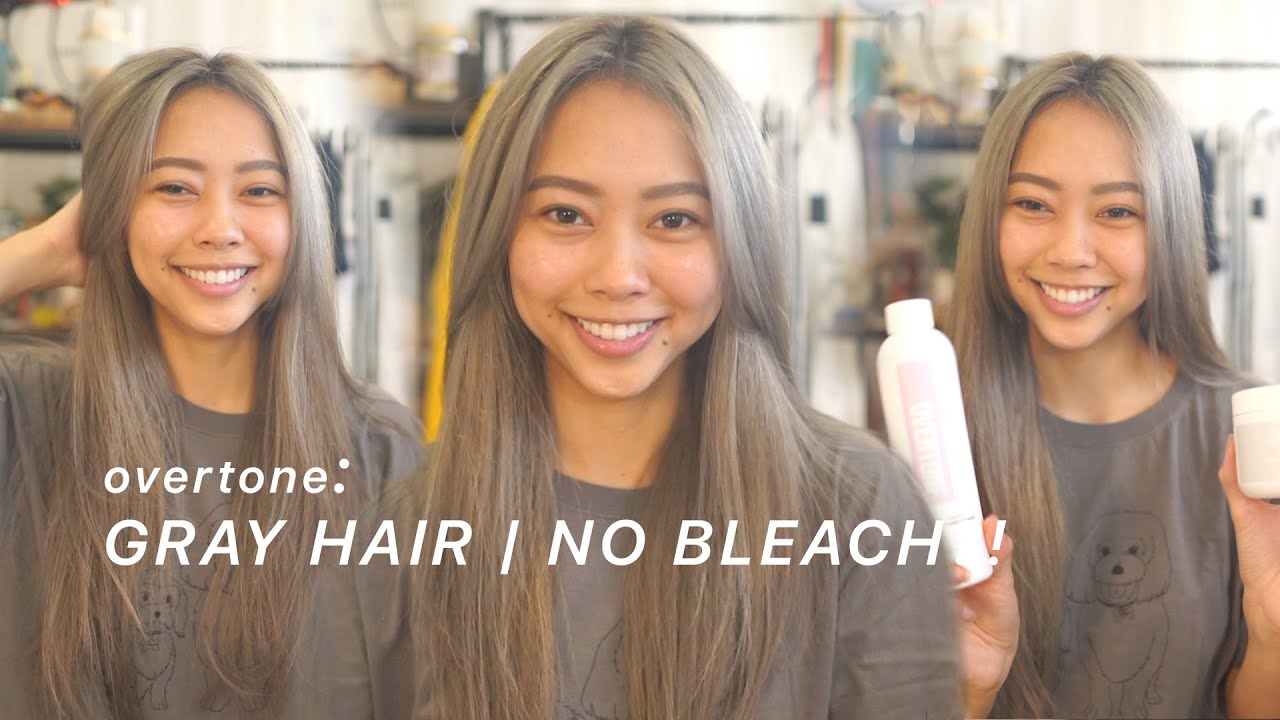
To control the fade, you must adopt a ritual of hydration. The '60s hairdressers knew that water was the enemy of color—they used a final cold rinse. That trick is still gold. Wash your gray hair with cold water to seal the cuticle. More importantly, treat the gray hair like a high-end fabric: use a leave-in conditioner to dilute the pigment concentration on the ends. If you find the fade is too saturated, you can mix a few drops of Overtone into your daily conditioner to create a custom "toning" blend. This is the modernization of the "spit curl" era—where control of the exact shade was a form of personal artistry. By understanding that gray hair is a thirsty sponge, you can direct the fade toward a pastel, however, be mindful that the porosity of gray hair means that any direct dye will linger. The key is to embrace the transition as part of the aesthetic, turning the "fade" into a "melt" that looks intentional, not accidental.
Looking forward two decades, the trajectory is breathtaking. We are moving away from the "one and done" permanent color and toward a dynamic, interactive relationship with our hair. The future will likely see the integration of biotechnological pigments that respond to pH changes in the environment, altering color subtly with sun exposure or temperature—a themochromatic effect that would have seemed like witchcraft to the 1940s salon matriarchs. We will see the rise of "smart" conditioners that analyze your hair’s porosity in real-time via your phone, dispensing the exact micro-dose of pigment needed for that days shade. The gray hair will no longer be the enemy of the colorist, but the ultimate variable—a living algorithm of beauty that shifts daily. The silver strands will be the anchor for nano-pigments that can be toggled on and off with a specific wavelength of light, allowing you to change your color from jet black to electric violet in seconds, without any chemicals. The shame of the root line will be a distant memory, replaced by the excitement of the gradient. The next 20 years will see the complete decoupling of hair color from the idea of "cover-up." It will be understood as a performance, a wearable tech, and a deeply personal expression of identity. For the aging population, this is the ultimate liberation. The gray hair will not be tolerated, nor merely showcased; it will be the substrate of a new form of digital and biological art. As we look to the future, we must carry the lesson of the past: that the chemicals are merely tools, but the longing to be seen and to define oneself on one’s own terms is eternal. Overtone and its progeny will not just color hair; they will color the way we think about time, memory, and the beauty of what comes next. The bathroom mirror will no longer be a place of hiding, but a console of infinite creation, where the silver in your hair is the most brilliant brushstroke you own.