Online Siddur With Transliteration
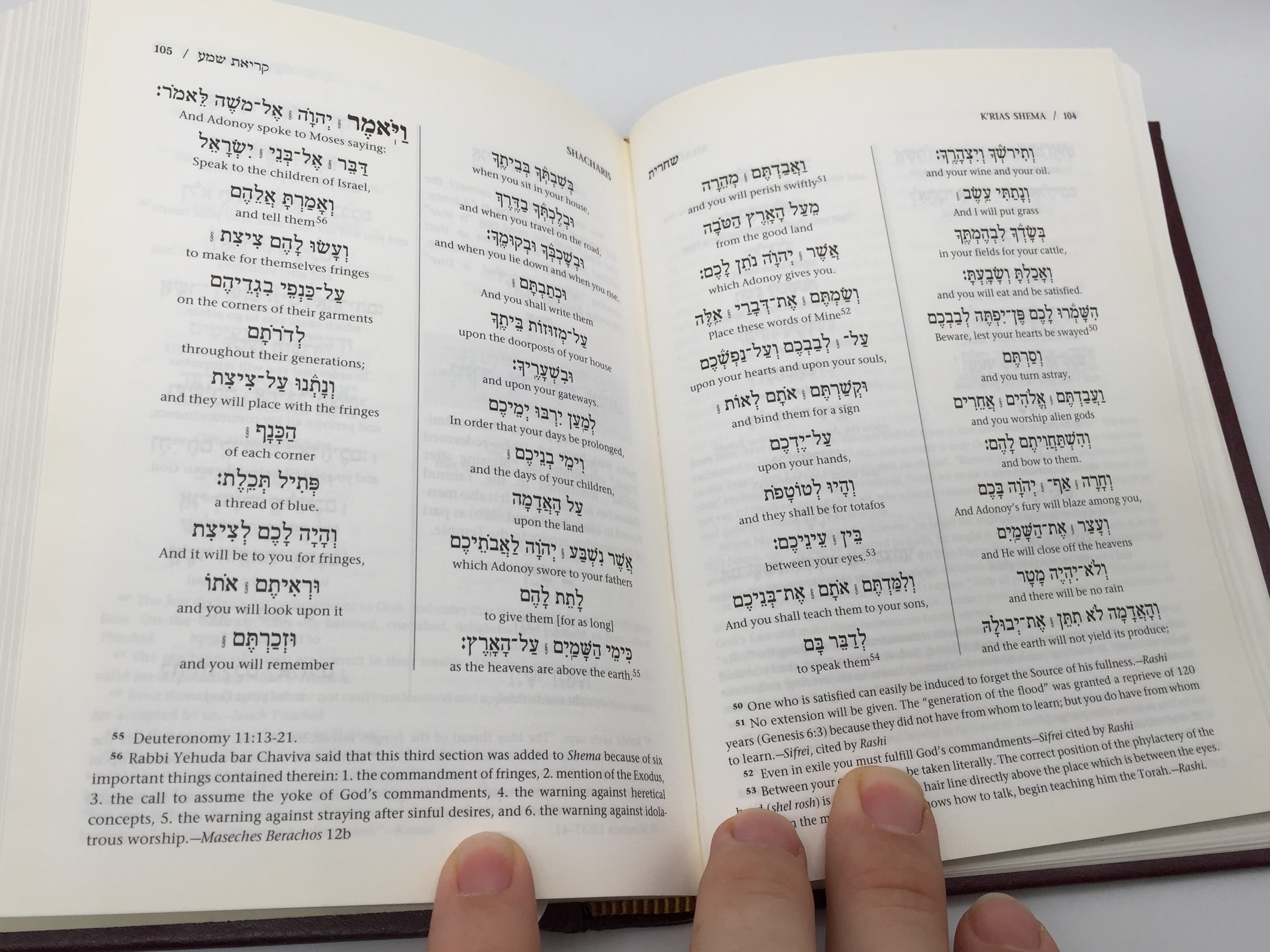
There is a particular, almost sacred, sensory memory that clings to the idea of a siddur. For generations, the weight of the book was the weight of history itself, a dense, cloth-bound anchor in the hands of a child barely tall enough to see over the bimah. The pages, thin as onion skin and fragile as a whisper, held a distinct aroma—a blend of aging paper, binding glue, and the lingering mustiness of a synagogue’s ark. To open one was to enter a world of intricate Hebrew calligraphy, a flowing script that undulated across the page like a river of ink, punctuated by the occasional flourish of a cantor’s notation. But for most of the 20th century, that river was a formidable barrier. The Hebrew letters were beautiful, yet for the vast majority of diaspora Jews who had not received a rigorous yeshiva education, they were a code without a key. The initial human necessity behind the siddur was never about mere reading; it was about belonging, about syncing one’s breath with the collective rhythm of a community that had been praying for millennia. The problem was that the rhythm was locked in a language that many hearts felt but few minds could decipher.
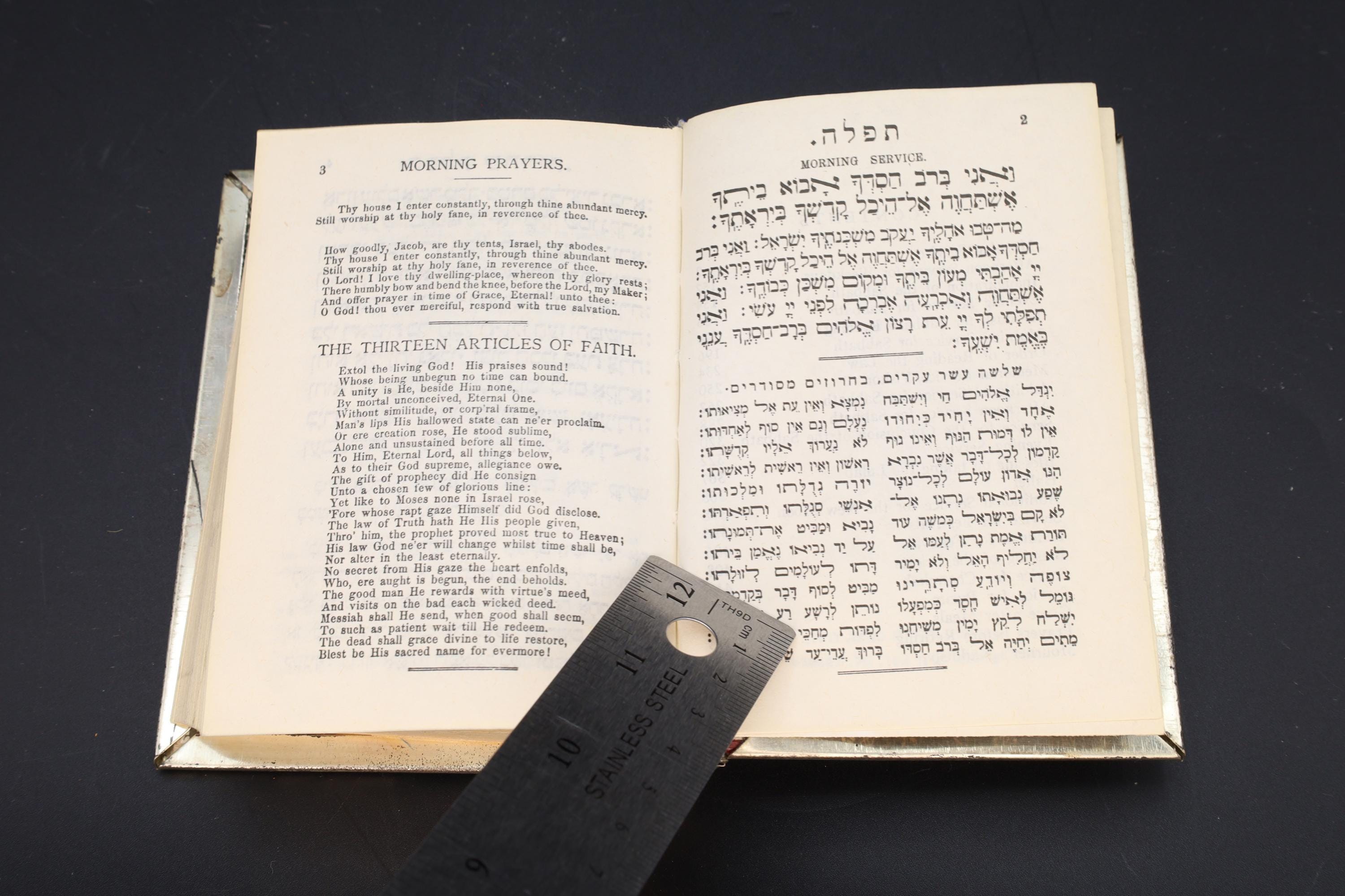
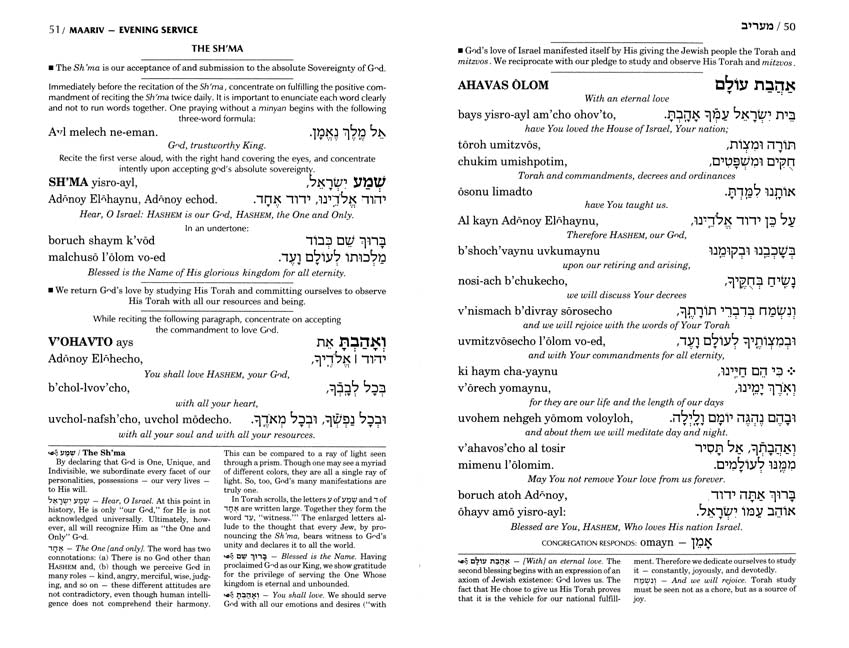
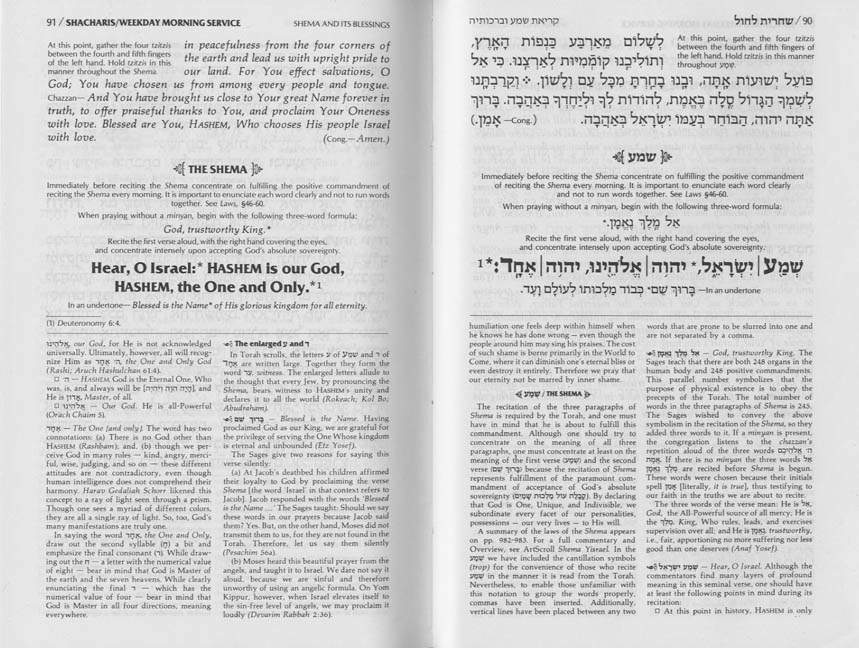
The solution, for decades, was a clumsy hybrid of memory and mimicry. You learned to hum the melodies, to sway at the right moments, and to mouth the sounds phonetically, even if the meaning remained elusive. Grandparents would point with a gnarled finger to a line, whispering, “Here, we bow,” while the child stared at the dense block of typography, feeling more lost than connected. The siddur was a treasure chest, but the lock was Hebrew. Early attempts to bridge this gap involved extensive transliteration printed in the margins—a practice that was viewed with a mixture of gratitude and disdain. These marginalia were often cramped, using an inconsistent phonetic system where “ch” could sound like a guttural scrape or a soft “h” depending on the publisher. The sheer physicality of flipping back and forth between the Hebrew line, the English translation, and the phonetic guide was a choreography of frustration. You lost your place, you missed the congregational response, and you felt a pang of shame for needing the crutch. Yet, these preliminary step-by-step guides, often found in “pocket siddurim” for soldiers or travelers, were the quiet ancestors of a digital revolution that no one yet dared to imagine.
It was a world of analog clunkiness, where liturgical fluency was a status symbol and the inability to read Hebrew was a quiet source of private grief. The necessity was not just for information, but for integration—the desire to be part of the service without a constant, frantic scan of the page. The initial technological answer was the cassette tape and the vinyl record. Synagogues began selling audio recordings of the Friday night service, allowing families to practice at home. But this was a passive experience; it did not allow you to follow word-by-word. You couldn’t pause the cantor to stare at a particularly complex vowel point. The humble, static siddur remained the primary interface, and the transliteration remained a secondary, almost apologetic, footnote to the text. This was the state of affairs for the better part of a century: a litany of workarounds, a patchwork of linguistic aids, and an ever-present, unspoken desire for a way to hold the ancient words without feeling ancient and inadequate in the face of them.
Must Read
The Digital Gutenberg: From Floppy Disks to the Age of Clickable Vowels
The major transformation began in the late 1990s, a time of dial-up internet and the first, clunky graphical interfaces. The idea of a “website” was still novel, let alone a website that could offer prayer. The first online siddurim were little more than scanned PDFs—photocopies of the physical book, replete with coffee stains and blurred fonts. They were useful for convenience, but they did nothing to solve the transliteration problem. It wasn't until the early 2000s, with the rise of dynamic HTML and JavaScript, that a visionary developer realized the potential for interactivity. The pioneering sites, often run by a single rabbi or a tech-savvy cantor out of their home office, began to link each Hebrew word to its transliteration on a mouse-over. This was a revelation. For the first time, the barrier was not a separate column of text, but a hidden layer, a kind of linguistic augmented reality. You could read the Hebrew (or try to), and when you stumbled, a simple hover would reveal the pronunciation. It was a private, forgiving, and infinitely patient tutor, a stark contrast to the judgmental eyes of a seasoned congregant sitting in the pew beside you, who had mastered the silent "shva" vowel decades ago.
Forgotten vintage facts from this era are charming in their technical limitations. Early browsers like Netscape Navigator could not handle dynamic font resizing, so the Hebrew text often appeared as a broken cascade of squares. Some ambitious developers created custom "font packs" that users had to download and install manually, a process that could take twenty minutes and often resulted in a corrupted system if one missed a step. The transliteration itself was a battleground of orthodoxy. The Sephardic pronunciation (with its guttural "chet" and rolled "resh") clashed with the Ashkenazi tradition (which used a softer "s" sound for certain letters), leading to online flame wars in comment sections about whether "Shabbat" should be spelled with an "Sh" or a "Shabbos" with an "Sh". There was no official body governing this digital Wild West. Some sites used a "power translator" that would automatically convert an entire page to English, stripping away the Hebrew entirely, which outraged traditionalists who saw this as a slippery slope toward assimilation. The bizarre reality was that a tool intended to make prayer more accessible was also fueling theological debates about the nature of authenticity in a digitized world.
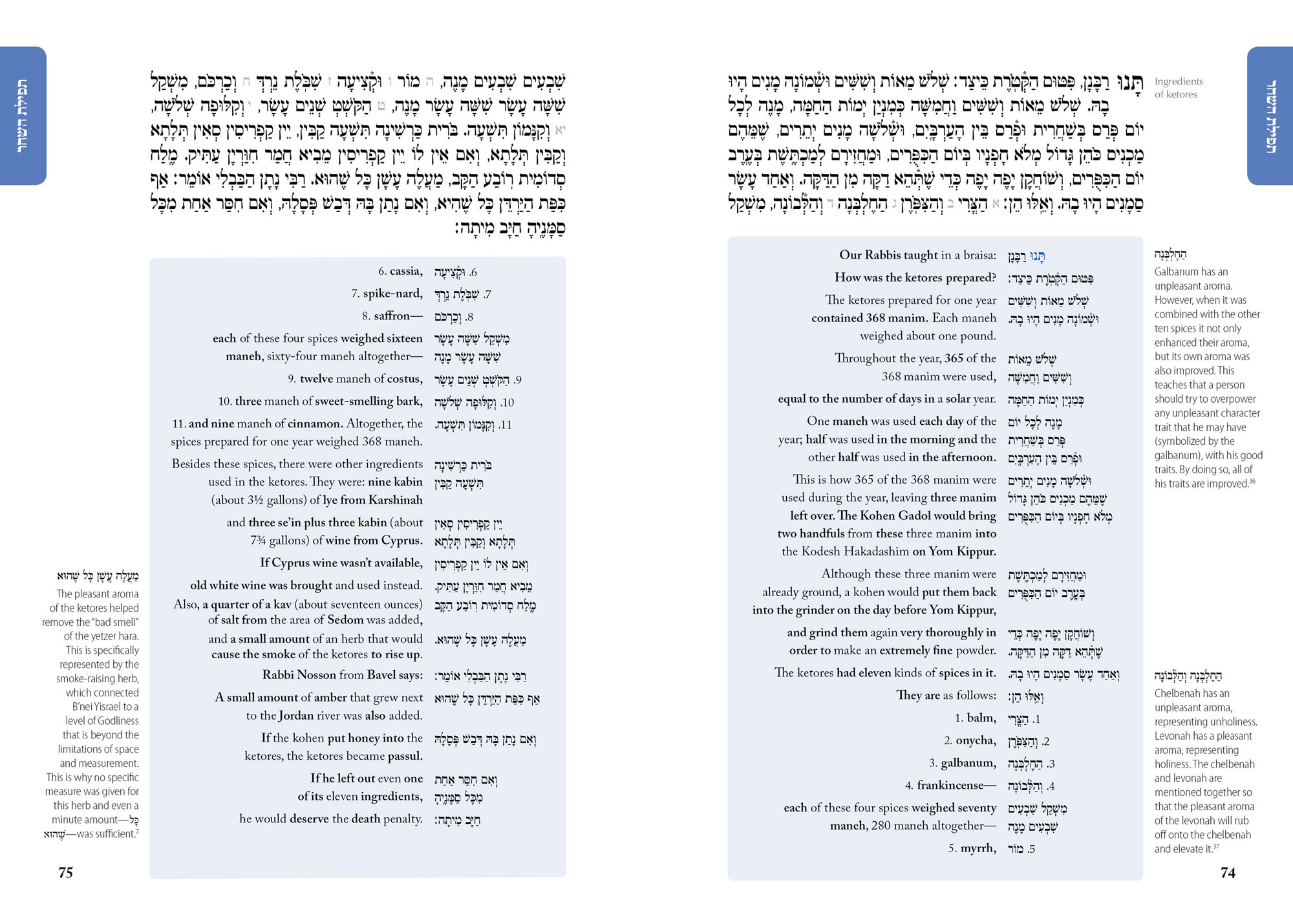
By the late 2000s, the mobile phone entered the picture, and with it, the idea of the siddur as an app. This marked a fundamental shift in user behavior. No longer were you sitting at a desktop computer in a study; you were standing in a crowded synagogue, phone glowing discreetly in your palm. The early apps were rudimentary—a static page with the text and a separate scrollable transliteration. But they offered a new form of portability that felt almost dangerously convenient. The act of carrying a smartphone into the sanctuary on Shabbat was, and remains, a point of contention for many halachic authorities who see the use of electricity as a violation of the day of rest. Yet, the secular and progressive movements embraced it wholeheartedly, seeing it as a lifeline for the unaffiliated and the curious. The key innovation of this period, however, was the advent of word-by-word highlighting. As the cantor chanted, the app would highlight the current phrase, syncing the audio track to the transliteration in real-time. This was the first time that "following along" became a truly passive and immersive experience. You could close your eyes, listen, and then open them to see exactly where you were, without losing your place. The tool had shifted from being a crutch to being a guide.
Perhaps the most bizarre treatment of the tool came from the "anti-transliteration" camp, who argued that these digital aids were a lazy shortcut. They championed a "sink or swim" methodology, encouraging people to listen more and rely on the text less, believing that the musical tropes (ta'amim) were a mnemonic device so powerful that transliteration was a crutch that prevented deep learning. They published articles with titles like "The Dumbing Down of Devotion," and some synagogues actively banned smartphones on their premises, forcing a return to the paper book. This pushback, however, was futile. The convenience, the customizability (adjusting font size, contrast, and even the gender-neutral language of the translation), and the sheer ubiquity of the smartphone made the online siddur with transliteration not just a resource, but a standard feature of modern Jewish life. The conversation shifted from "if" to "how," and the focus turned towards the user experience, attempting to replicate the sacred feel of the physical object through better typography, page transitions that mimicked paper, and even the addition of "smudges" and "worn edges" as digital skin options.
Hacking the Sacred: The Modern Liturgical Remix
Today, the classic principle of the siddur—that it is a fixed, static text—has been completely hacked by the modern digital environment. The most significant modernization is the advent of the "dynamic siddur." These are not just digital replicas; they are algorithmic prayer engines. Users can now filter their siddur based on the specific nusach (prayer rite) of their family, the time of year, or even the specific length of the service they have time for. A busy parent with twenty minutes to pray can select a "quick service" that trims the repetitive sections, while a punctilious mystic can access the full kabbalistic additions. The transliteration is no longer a straight phonetic string; it is a hyperlink. Clicking on the transliteration for the "Shema" might pull up a video of a rabbi explaining the philosophical meaning, or a historical essay on the exile of the Shema from the Temple. The prayer is no longer a stand-alone unit but a doorway into a web of commentary, music, and historical context. This is a dramatic departure from the linear reading of the past, where the text dictated the flow of the session.

Furthermore, the modern integration of Artificial Intelligence (AI) is pushing the boundaries even further. Some apps now use voice recognition to assess your pronunciation and offer immediate feedback, turning the prayer experience into a gamified language lesson. You receive "points" for correctly pronouncing the guttural "het" or the elusive "tzadi." This is a brilliant hack of the old fear of embarrassment; the AI is a non-judgmental coach. Another trend is the "social siddur," where communities can annotate the text in the margins, sharing their personal kavanot (intentions) for a specific prayer. Imagine a passage in the Amidah where you can click to see what a congregant three rows behind you was thinking about during the recitation of the blessing for healing. This communal annotation returns the siddur to its roots as a living document, yet it does so through the very technology that critics feared would isolate us. The ancient act of praying together is now being augmented by a shared digital layer, where the transliteration is just the beginning; the interpretation is the true payload.
Navigating the Digital Scroll: Answers to the Skeptical
Is a transliterated online siddur considered "valid" for fulfilling my prayer obligation?
The question of validity is a fascinating bridge between ancient halacha (Jewish law) and modern practice. Historically, the obligation to pray is not strictly about reading the Hebrew letters, but about the kavanah—the intentional focus of the heart. The Talmudic sages debated whether one could pray in any language, with a majority opinion eventually allowing prayer in the vernacular when necessary. However, the Aramaic text of the Kaddish and the specific formulaic blessings were codified with the belief that the Hebrew carries a unique spiritual gravity. The physical siddur you inherited from your grandfather was a tangible chametz of this debate—it provided translation, which was permitted, but rarely transliteration, which was seen as a linguistic crutch that might lead to incorrect pronunciation, thus altering the meaning of a sacred word by a single vowel.
In the digital age, the arguments have shifted. A rabbinic responsum from the early 2020s specifically addressed the use of a phone on Shabbat, concluding that while the screen is prohibited due to the "kindling of a fire" (electricity), the content itself is not invalidated. So, from a strictly legalistic perspective, the words on the screen, even in transliteration, are a form of the text. The deeper issue is one of kavod (dignity) versus accessibility. If you are reading the transliteration correctly and with full intentionality, many modern, non-Orthodox authorities would argue that the obligation is met. The orthodox view generally requires reading the Hebrew script, but the online siddur now offers a split-screen option, allowing you to see the Hebrew large, while keeping the transliteration in a dimmer, peripheral window—a compromise that was impossible in print. Ultimately, the "validity" comes from the sincerity of the heart, not the pixel density of the word.
Will the use of these tools cause my Hebrew reading skills to atrophy?
This is the most common fear, echoing the old "sink or swim" rhetoric. It is a valid concern, but the data and user experience suggest the opposite. Unlike the paper siddur, where the transliteration was a mid-page sidebar, the online version is often a toggle. You can turn it on and off with a single tap. This creates a new friction, but a positive one. Users develop a "training wheels" mentality: they will attempt a prayer with the transliteration hidden, and only reveal it when they hit a word they don't know. This is a form of active recall, a scientifically proven method for strengthening memory, far more effective than passive reading. The paper siddur forced a constant reliance on the crutch if you were weak; the digital one encourages you to test yourself constantly.
Historically, the fear of atrophying Hebrew skills was tied to the dwindling hours of Hebrew school in the mid-20th century. Parents feared that the prayer book was the only place their children would see Hebrew. In the digital age, the opposite is true. The same phone that holds your siddur also holds language-learning apps like Duolingo. Many modern online siddur platforms now link directly to your saved vocabulary list, offering flashcard reviews of the words you encountered during your morning prayer. The prayer book, once a dead-end street for language acquisition, has become a roundabout—you pray with it, you stumble on a word, you click it, you learn it, and you return to the prayer. The transliteration acts as the initial bridge, but the hyperlinked ecosystem is the true preservation mechanism. The tools are not making us lazy; they are making us curious.
Can the emotional weight of a physical, heirloom siddur ever be replicated in a digital format?
This question touches on the deep nostalgia associated with the object itself. The physical siddur is a repository of memory—a tear-stained page marking a yahrzeit, a pressed flower from a wedding, a signature of a grandfather inside the cover. A digital file cannot replicate the tactile intimacy of those physical remnants. This is a genuine loss, and it is important to acknowledge it. However, the online siddur with transliteration is not attempting to replace the heirloom; it is attempting to serve a different function. The heirloom is a relic of the past, a connection to ancestry. The digital siddur is a tool for the present, a bridge to fluency. They are not competitors; they are partners.

A key historical myth is that the physical book is the only sacred vessel. Historically, the Torah scroll is considered the holiest object, and a printed siddur is merely a practical copy. The digital text is one further step removed, yet it can hold immense emotional value. I have seen users create "digital scrapbooks" within their siddur apps, uploading photos of deceased relatives to the page of the Mourner's Kaddish. When they open the app on a visit to the grave, the digital image of their loved one floats next to the transliteration of the prayer. This is a modern form of yahrzeit memorialization that is deeply moving. The digital siddur can be more durable than paper—it survives water damage, fire, and the decay of acid in the paper. It can be backed up to the cloud, ensuring that the prayers your grandfather said are accessible to your grandchildren, a thousand years from now, with perfect fidelity. It is not the same as holding the worn leather, but it is a promise that the words will never be lost.
Looking ahead twenty years, the trajectory is clear: the online siddur will evolve from a reading aid into an immersive, sensory environment. Imagine a Shabbat morning where you don your augmented reality glasses, and the transliteration dances in your field of vision, projected invisibly over the physical backdrop of your living room or synagogue. The words will not be on a screen; they will be floating in the air, responsive to your gaze. As you sing the "Mi Chamocha," the background might subtly shift to a digital rendering of the parting Red Sea, generated by the tempo of the cantor’s voice and the collective heartbeats of the congregation, synced via their wearable health trackers. The siddur will become a conductor, not just of the text, but of the entire sensory mood of prayer.
Further into the future, the concept of transliteration itself may fade. Advanced neural-linguistic programming could upload the sound patterns of the Hebrew directly into your auditory cortex, allowing you to "hear" the correct pronunciation without seeing the letters. This is a profound and slightly unnerving prospect. Yet, the human spirit will always crave the tangible. The ancient sapphire-type scroll, the printed page, the glowing screen—they are all vehicles for the same intention. In twenty years, we may interact with the siddur by simply thinking the opening words, and a vibration in our sleeve will guide our breath. But the core necessity remains unchanged: to connect the individual soul to the eternal community. The tool will become more sophisticated, more invisible, and more intelligent, but the nostalgia for the simpler forms will remain, preserved in digital museums and holographic displays of ancient, worn-out books. The journey from the silent, impenetrable Hebrew to the instant, fluid accessibility of tomorrow is not just a technological story; it is a story of removing walls, so that every voice—regardless of educational background—can rise up and join the ancient chorus, loud and unashamed.