Nobel Prize Me Kitna Paisa Milta Hai

Okay, let’s be real for a second. When you hear “Nobel Prize,” your brain probably conjures up images of tuxedos, gold medals, and a very serious-looking king handing over something shiny. But the question everyone actually wants to ask—the one that gets whispered over coffee—is, “Yeah, but how much cash are we talking?”
I’m here to tell you, my friend, that the answer is not just “a lot.” It’s a ridiculous, life-changing, “buy-a-small-island” kind of pile of money. We’re not talking about a gift card to your local grocery store here.
The Big, Beautiful Number
So, let’s cut to the chase. As of 2023, the prize amount is a whopping 11 million Swedish Kronor. Go ahead, do the math in your head. That’s roughly 1 million US dollars—and in some years, it’s even more.
Must Read
Yes, you read that right. One million dollars. For thinking really, really hard about something. I should have paid more attention in physics class, honestly.
Now, here’s the kicker: if you win in a category like Physics or Chemistry, you might have to share that loot with up to two other geniuses. Suddenly, a million bucks becomes a third of a million bucks. Still not chump change, but it definitely changes your “yacht” plans into a “very nice sailboat” plan.
Wait, There’s More (And Less)
Here’s where it gets tricky, and where my inner accountant starts to sweat. You don’t just get a fat check handed to you tax-free. In Sweden, the prize money is taxed like any other income. And if you live in the US? The IRS wants its cut too, because of course they do.
So, that clean million can shrink faster than your jeans after Thanksgiving dinner. Let’s just say you’ll end up with enough to pay off your house, buy a solid used Tesla, and still have a very comfortable cushion for the future. But you won’t be bathing in gold coins Scrooge McDuck-style.
Also, a tiny piece of trivia that hurts my soul: Alfred Nobel originally set up the fund to generate returns. The amount has actually fluctuated over the years—it was once under $300k in the 1980s! Imagine winning a Nobel and getting a middle-class salary. The horror.
But The Real Prize? It’s Not The Cash
Okay, let’s pump the brakes on the money talk for a second. Because here’s the thing nobody tells you: the real payout is the title. You become a “Nobel Laureate,” which is the ultimate flex for the rest of your life.

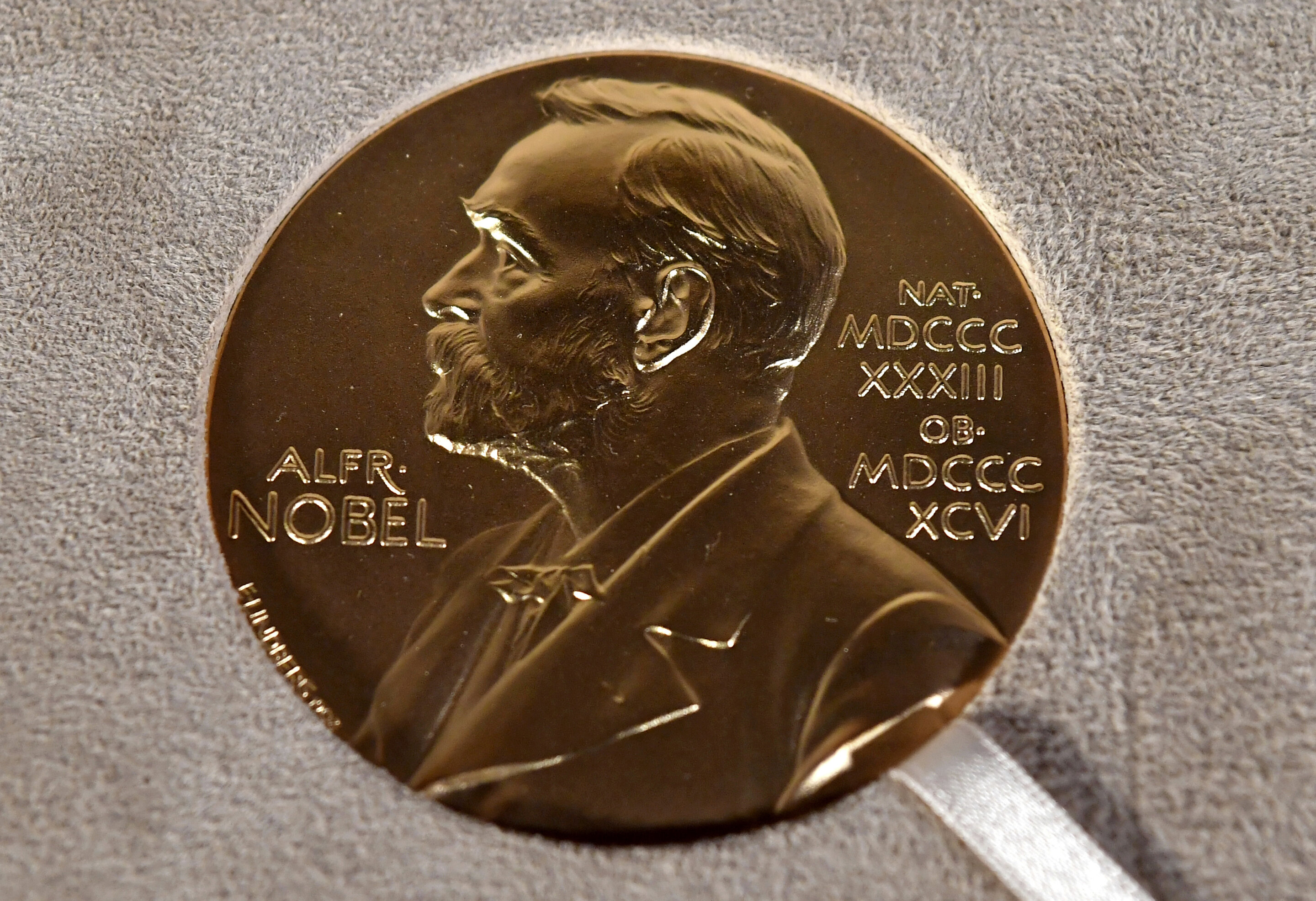
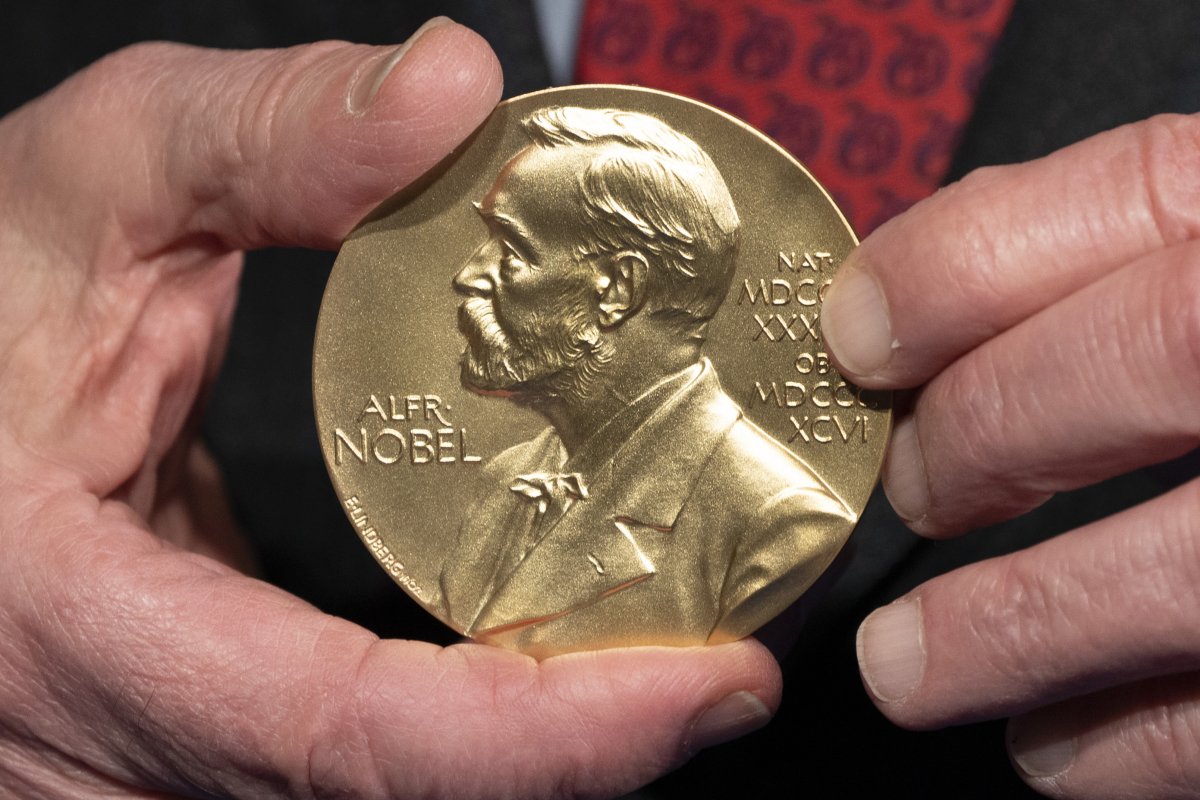
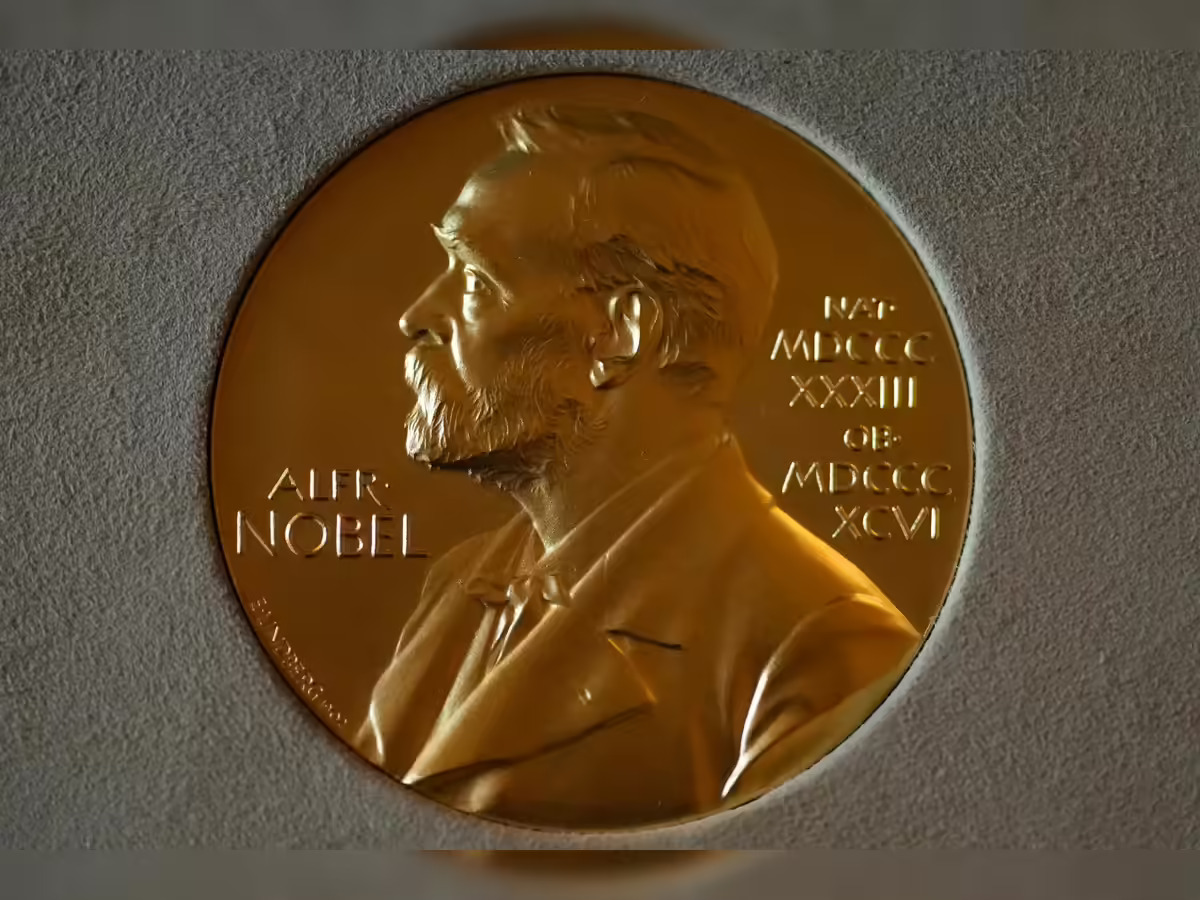
That piece of paper—and the iconic gold medal—opens doors that money can’t buy. You get invited to speak at every university on Earth. Your books sell like hotcakes. People treat your opinions like they came straight from a divine oracle.
So, the million bucks is nice. But the instant, permanent, global credibility? Priceless. It’s like winning the intellectual lottery, and the cash is just the confetti.
What Would You Do With It?
Be honest. If you woke up tomorrow with a Nobel and a million bucks, what’s the first thing you’d do? Pay off debt? Buy your mom a house? Invest in a start-up that makes robotic llamas?

I know what I’d do. I’d take that money and immediately buy a lifetime supply of fancy cheese and a plane ticket to somewhere with a beach. Then, I’d write a ridiculously self-important memoir about my journey.
But here’s the thing—you gotta win the Nobel first. And that requires, you know, discovering something or writing something that changes the world. That’s the hard part.
The Final Verdict
So, to answer the burning question: Yes, the Nobel Prize pays very, very well. It’s not just a trophy; it’s a life-changing financial windfall. But it’s also a responsibility.

You can’t just take the money and vanish. You’re expected to use that platform for good—to speak out, to inspire, to keep doing brilliant stuff. That’s the deal you make with the ghost of Alfred Nobel.
So, next time you see a laureate in a suit, don’t just see the dollar signs. See the guy who has to figure out how to split a million bucks three ways and still pay taxes on it. And then remember—he probably doesn’t care. Because he’s a Nobel Laureate, and you’re not. Ouch.
But hey, it could be worse. You could be me, writing about it from my couch, dreaming of a day when my bank account has a comma in it. Cheers to the dream, folks.