Nausea And Cramping After Sex
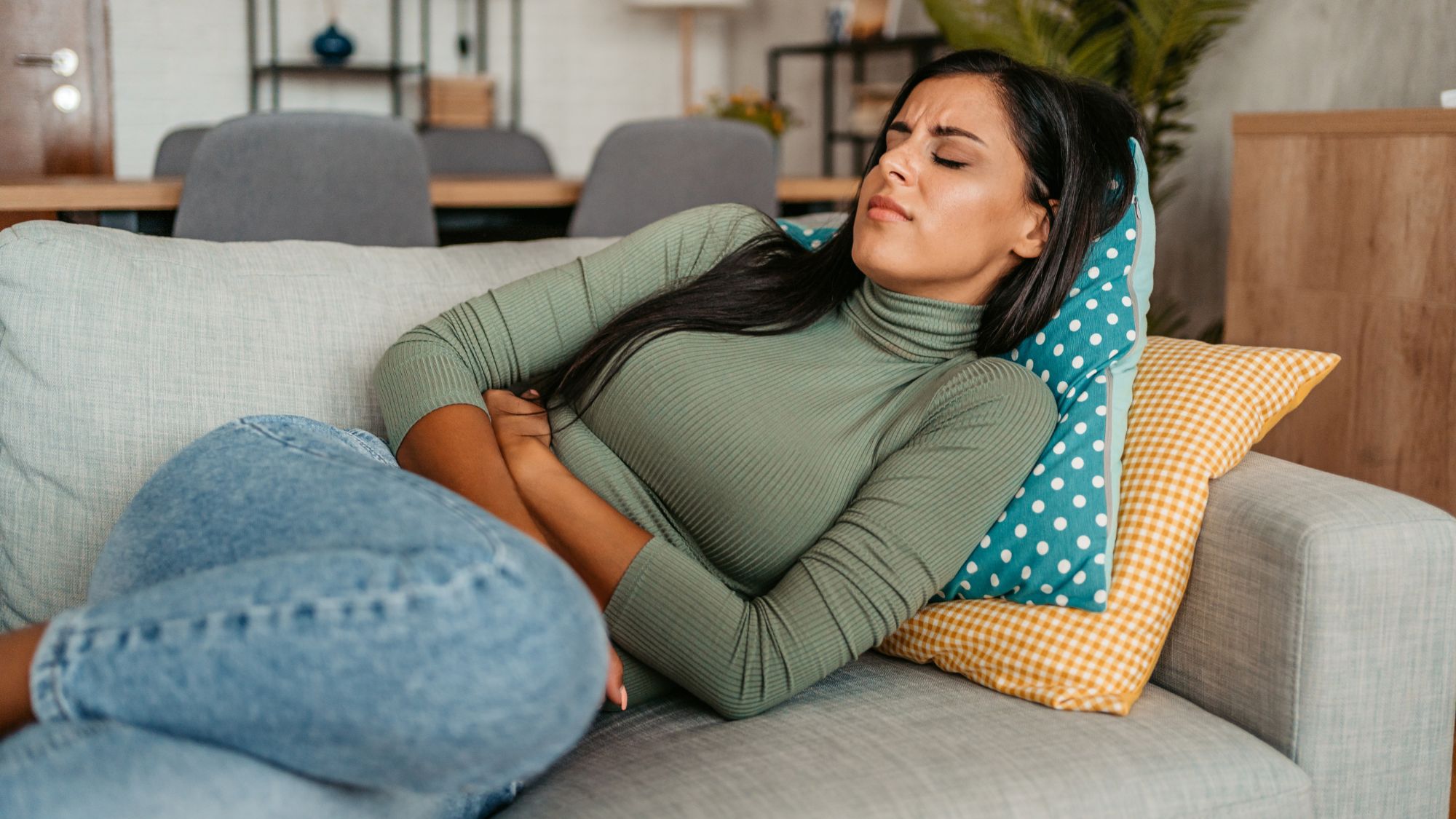
The experience of nausea and cramping after sex is more common than one might think, affecting a significant portion of the sexually active population at some point in their lives. While it can be distressing and may lead to concerns about one's health or the health of the relationship, understanding the underlying causes and mechanisms can provide relief and empower individuals to take proactive steps. Biology and physiology play critical roles in these experiences, as they do in many aspects of human life. The body's physiological response to sexual activity can sometimes lead to unexpected symptoms due to various factors, including hormonal changes, blood flow alterations, and nerve stimulation.
Investigating the core mechanics of nausea and cramping after sex, it's essential to consider the endocrine system's role in sexual response. Hormonal fluctuations during and after sexual activity can influence digestive processes and muscle contractions, potentially leading to nausea or cramping. Moreover, the parasympathetic nervous system, which is activated during sexual arousal, can also impact gastrointestinal motility and secretions, further contributing to these symptoms. Understanding these biological processes can demystify the experience and offer a basis for mitigation strategies.
In addition to hormonal and nervous system factors, psychological elements should not be overlooked. Anxiety, stress, or emotional distress related to sexual experiences can exacerbate physiological responses, leading to increased likelihood of nausea and cramping. The interplay between mind and body in sexual health is complex, suggesting that a holistic approach to managing nausea and cramping after sex could be most effective. This involves not only addressing physical factors but also emotional and psychological well-being.
Must Read
Biological and Systemic Reactions
Delving deeper into the biological and systemic reactions related to nausea and cramping after sex, it's clear that prostaglandins play a significant role. These hormone-like substances are involved in the contraction and relaxation of smooth muscle tissue, including that found in the uterus and intestines. During sexual activity, especially orgasm, the release of prostaglandins can cause uterine contractions, which may lead to cramping in some individuals. Similarly, the gastrointestinal tract can be affected by changes in blood flow and hormonal influences during sex, potentially causing nausea.
The hypothalamic-pituitary-adrenal (HPA) axis is another critical component in the body's response to stress and sexual activity. Activation of the HPA axis can lead to the release of cortisol and other stress hormones, which, in turn, can influence digestion, muscle tension, and overall physiological state. This axis is closely linked with the parasympathetic and sympathetic nervous systems, which are responsible for the body's rest-and-digest and fight-or-flight responses, respectively. Balancing these systems is crucial for minimizing adverse reactions post-sex.
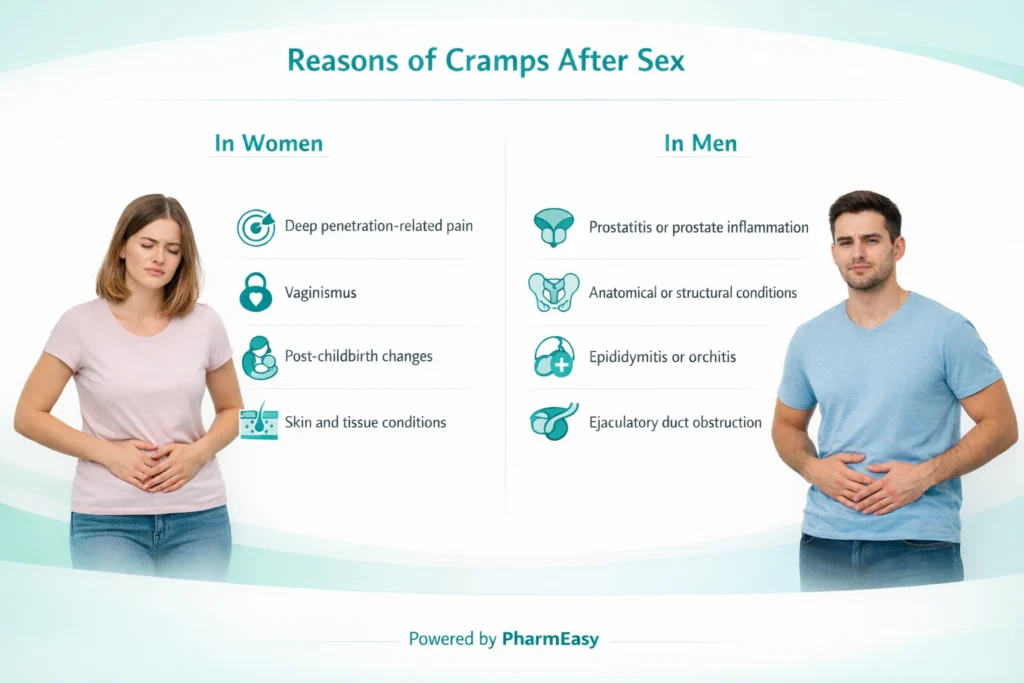
Furthermore, individual anatomical and physiological variations can significantly impact the likelihood and severity of experiencing nausea and cramping after sex. For example, women with conditions like endometriosis may be more prone to experiencing pelvic pain or cramping during or after sexual activity due to the presence of endometrial tissue outside the uterus. Understanding these variations and how they interact with sexual health can provide insights into personalized strategies for managing symptoms.
Practical Strategies for Optimization
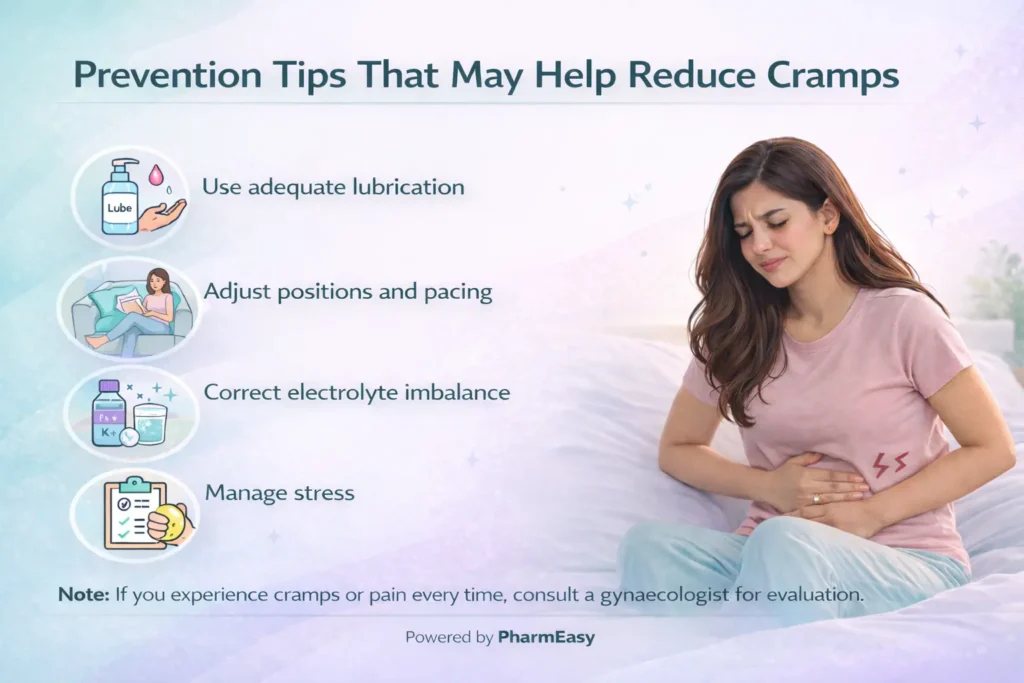
To effectively manage nausea and cramping after sex, individuals can employ several practical strategies. First, communication with a partner is key. Discussing discomfort or pain with a partner can help in identifying positions or practices that may be contributing to the issue and finding alternatives that are more comfortable. Additionally, relaxation techniques such as deep breathing, meditation, or yoga can help reduce anxiety and stress, which are known to exacerbate symptoms.
Physical preparation before sex can also be beneficial. Engaging in light physical activity or warm-up exercises can improve blood flow and reduce muscle tension, potentially decreasing the likelihood of cramping. Furthermore, hydration is essential, as dehydration can worsen nausea and contribute to muscle cramps. Drinking water before, during, and after sexual activity can help maintain fluid balance and support overall physiological well-being.
In some cases, over-the-counter medications may be used to manage symptoms. For cramping, ibuprofen or other nonsteroidal anti-inflammatory drugs (NSAIDs) can be effective, while anti-nausea medications may be prescribed for severe cases of nausea. However, it's crucial to consult with a healthcare provider before using any medication, especially if symptoms are persistent or severe.
Lastly, lifestyle adjustments can have a profound impact on reducing the frequency and severity of nausea and cramping after sex. Maintaining a balanced diet rich in essential nutrients, managing stress through regular exercise or mindfulness practices, and ensuring adequate sleep can all contribute to improved sexual health and reduced symptoms. By adopting these holistic approaches, individuals can better navigate their sexual well-being and minimize adverse reactions.
Frequently Asked Questions
What are the most common causes of nausea and cramping after sex?
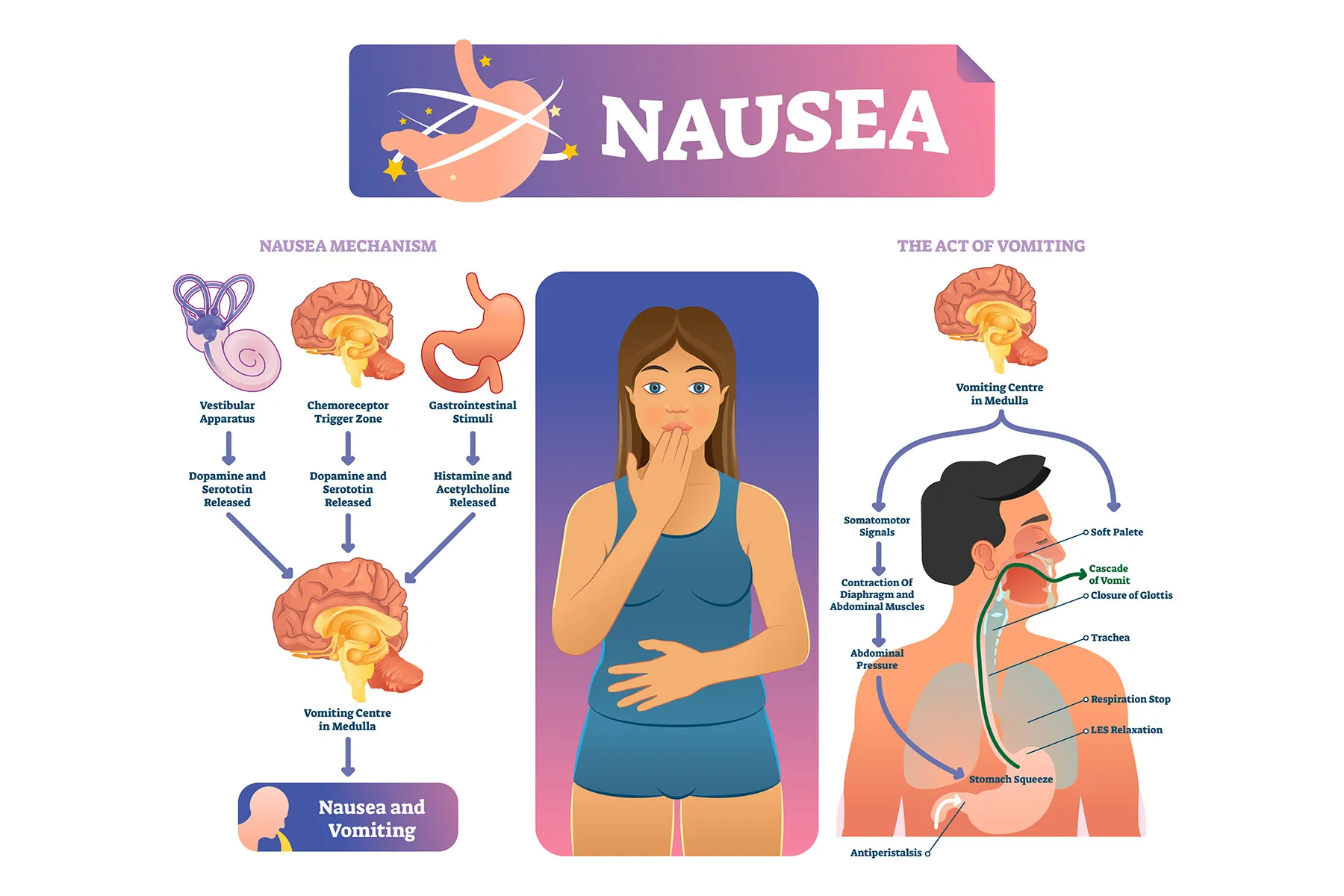
The etiology of nausea and cramping after sex can be multifactorial, including hormonal changes, blood flow alterations, nerve stimulation, and psychological factors. Hormonal fluctuations during sexual activity can influence digestion and muscle contractions, while changes in blood flow may affect oxygenation and nutrient delivery to tissues. Nerve stimulation, particularly of the parasympathetic nervous system, can also impact gastrointestinal motility and secretions, contributing to nausea.
Additionally, anatomical factors such as the presence of conditions like endometriosis or pelvic inflammatory disease (PID) can increase the risk of experiencing pain or cramping during or after sex. Understanding these potential causes can help individuals and their healthcare providers develop targeted strategies for management and prevention.
How can I differentiate between normal and abnormal symptoms of nausea and cramping after sex?
Differentiating between normal and abnormal symptoms involves considering the severity, duration, and frequency of the symptoms. While mild nausea or cramping that resolves quickly may be considered a normal response to sexual activity for some individuals, persistent, severe, or recurrent symptoms warrant further evaluation. Pelvic pain that is sharp, severe, or accompanied by vaginal bleeding or fever should be promptly assessed by a healthcare provider, as these could be indicative of underlying infections or other serious conditions.
Medical history and risk factors should also be taken into account. Individuals with a history of sexually transmitted infections (STIs), pelvic surgery, or certain gynecological conditions may be at increased risk for complications and should seek medical evaluation if they experience any concerning symptoms after sex.
Can nausea and cramping after sex be prevented or minimized?
Yes, several strategies can help prevent or minimize nausea and cramping after sex. Practicing relaxation techniques such as deep breathing, progressive muscle relaxation, or mindfulness can reduce anxiety and stress, which are known to exacerbate symptoms. Engaging in regular physical activity and maintaining a balanced lifestyle that includes a healthy diet, adequate sleep, and stress management can also support overall sexual health and well-being.
Furthermore, open communication with a partner about desires, boundaries, and any discomfort can help in identifying and avoiding practices that may contribute to nausea or cramping. For some individuals, lubricants or sexual aids may help reduce friction and discomfort during sex, potentially lowering the risk of post-sex cramping.
What role does hydration play in managing nausea and cramping after sex?
Hydration is crucial in managing nausea and cramping after sex. Drinking water before, during, and after sexual activity can help maintain fluid balance, support digestion, and reduce the risk of dehydration, which can worsen symptoms of nausea and contribute to muscle cramps. Additionally, electrolyte balance is important, as electrolytes such as sodium, potassium, and calcium play critical roles in muscle function and nerve transmission.
Are there any specific dietary recommendations for reducing nausea and cramping after sex?
Dietary choices can significantly impact sexual health and the experience of nausea and cramping after sex. Consuming a balanced diet rich in whole foods, such as fruits, vegetables, whole grains, lean proteins, and healthy fats, can support hormonal balance, digestive health, and overall well-being. Certain foods, like ginger, have natural anti-inflammatory properties and may help reduce nausea when consumed as part of a regular diet or as a supplement.
Foods high in omega-3 fatty acids, such as salmon and flaxseeds, can also help reduce inflammation and support pelvic health. Meanwhile, avoiding or limiting trigger foods that can cause digestive discomfort or exacerbate cramping, such as spicy, fatty, or high-fiber foods, may be beneficial for some individuals. It's also recommended to avoid heavy meals before engaging in sexual activity, as this can put additional pressure on the digestive system and increase the risk of discomfort.
Embracing the science behind nausea and cramping after sex empowers individuals to take control of their sexual health and well-being. By understanding the complex interplay of biological, psychological, and lifestyle factors, individuals can adopt targeted strategies to minimize symptoms and enhance their overall quality of life. This informed approach not only improves physical comfort but also fosters a deeper connection with one's body and sexual experiences, leading to more fulfilling relationships and personal growth.
The journey to optimizing sexual health and mitigating adverse reactions like nausea and cramping after sex is highly personal and involves a commitment to self-awareness, education, and open communication. As individuals navigate the intricacies of their sexual well-being, they are not only improving their physical health but also cultivating a more nuanced understanding of their bodies and desires. This holistic perspective on sexual health, grounded in the science of human biology and psychology, promises a more empowered, resilient, and fulfilling approach to sexuality and relationships.