National Cpr Foundation Vs Red Cross

So, you’ve decided to get CPR certified—awesome! You’re basically signing up to be a real-life superhero, cape optional. But then you hit the internet and suddenly you’re staring at two giant names: the National CPR Foundation and the Red Cross. It’s like choosing between Batman and Iron Man—both save lives, but they have very different gadgets and vibes.
The Big Showdown: What’s the Actual Difference?
Let’s break it down without the boring legal jargon. The Red Cross is the old, wise, battle-tested grandparent of first aid—they’ve been around since 1881, which is before your great-great-grandparents were even a twinkle. The National CPR Foundation is the cool, tech-savvy new kid on the block, offering online-only courses that you can finish in your pajamas.
Here’s the real kicker: both of them teach you how to push on a chest and blow air into a face. The difference is in how they get you there—and how much you’ll sweat during the process.
Must Read
Red Cross: The Gold Standard (and the Gold Price)
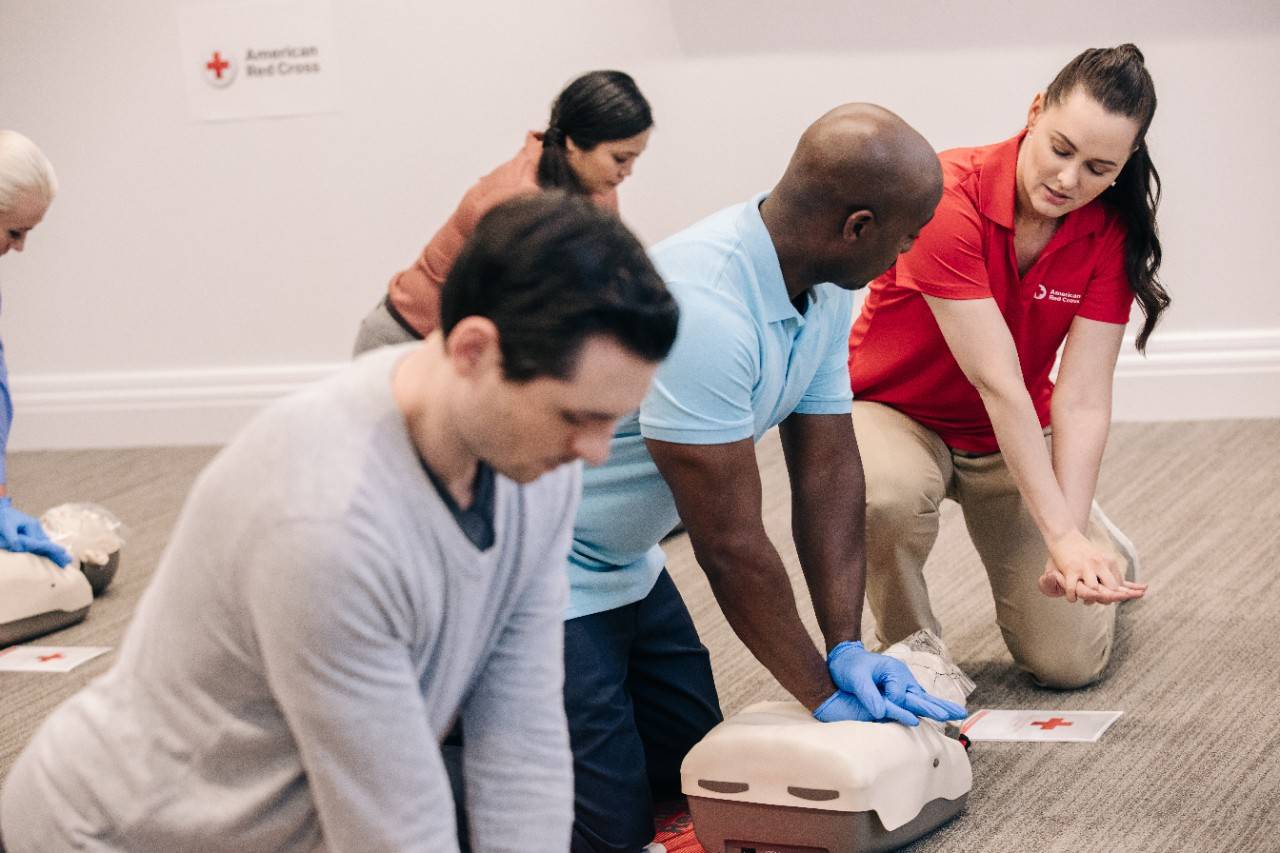
If you want to feel like you’ve truly earned your certificate, the Red Cross is your gym. Their courses mix online learning with an in-person skills session, which means you’ll actually get to practice on a mannequin while an instructor yells “Push harder!” at you. It’s a bit like a workout, but instead of burning calories, you’re building confidence.
On the flip side, that thoroughness comes with a cost—both in time and money. We’re talking anywhere from $70 to $110 for a basic CPR/AED course, and you have to schedule your in-person demo like a dentist appointment. Also, the mannequin’s mouth is a little too realistic. It’s cold. It’s rubbery. You’ll never look at a balloon the same way again.

The good news? Employers love the Red Cross credential because it’s recognized in all 50 states, and it’s accepted by the majority of hospitals and schools. If you miss a beat, they’ll even let you retake the exam for free. That’s classy.
National CPR Foundation: The Speed Racer of Certification
Now, the National CPR Foundation is your lazy Sunday afternoon. You take their 100% online course at your kitchen table, while simultaneously scrolling through memes on your phone. Their exams are open-book (no, they don’t tell you that, but yes, you can totally re-read the text as you go).
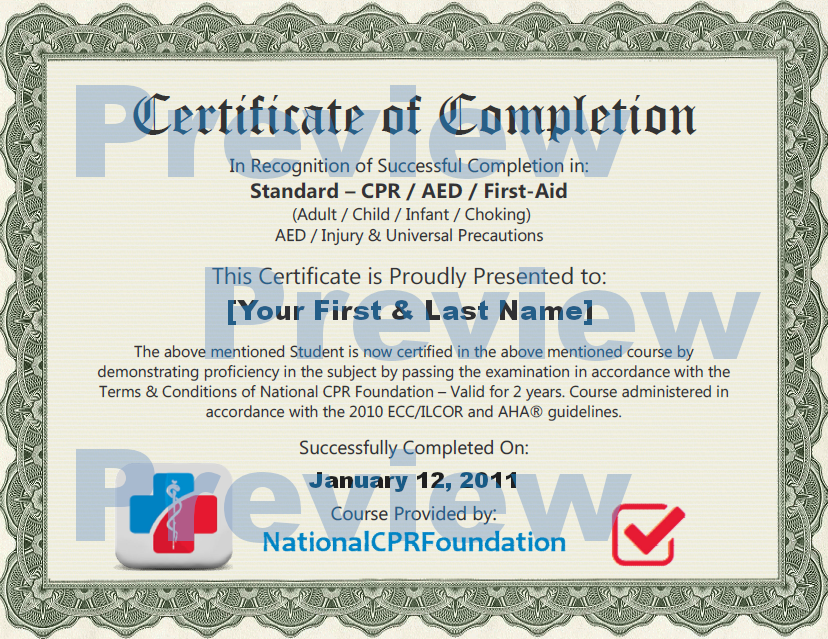
Here’s the best part: their courses are dirt cheap, usually between $15 and $25, and you get your certificate instantly. Like, boom, you’re done before your coffee gets cold. This is perfect for for busy people who just need the piece of paper—like babysitters, real estate agents, or that one guy who needs it for his gym’s insurance.
But hold on to your stethoscope—there’s a catch. The National CPR Foundation is not accredited by the American Medical Association, and some employers (especially in healthcare) won’t accept it. It’s totally fine for personal knowledge or basic workplace requirements, but don’t show up to a nursing job interview with that cert. They’ll laugh you out of the lobby.

Let’s Play “Which One Is You?”
If you’re a lifeguard, doctor, nurse, or a parent of a surprisingly clumsy toddler, go with the Red Cross. You need the hands-on practice and the heavyweight reputation. Plus, you’ll have a funny story about the time you gave CPR to a plastic dummy and accidentally gave it a nose bleed.
If you’re a student, freelancer, or just want to know what to do when your uncle chokes on a hot dog at the BBQ, the National CPR Foundation is your best friend. It’s cheap, fast, and honestly, the knowledge sticks because you can re-watch the videos at 2x speed. Just make sure your job doesn’t require the fancy stamp of approval.
The Verdict: Don’t Overthink It
Look, both programs teach you the same core steps: check, call, compress, and don’t be a hero if you’re not sure. The Red Cross is the Ivy League education—prestigious, pricey, but you’ll feel super prepared. The National CPR Foundation is the community college—affordable, accessible, and gets the job done. There’s no wrong choice as long as you actually learn something.
So pick one, sign up, and remember: the real person you’re trying to impress isn’t an instructor—it’s the person whose life you might save someday. And honestly, they won’t care if your certificate has a shiny gold seal or just a PDF. They’ll just be happy you were there.
So go on, get certified. And if you end up using it, I hope you feel like an absolute legend. Just remember to call 911 first, and then scream “I survived a CPR course!”—because that’s the real victory. You’ve got this.