Name The Excretory Organ Of Prawn
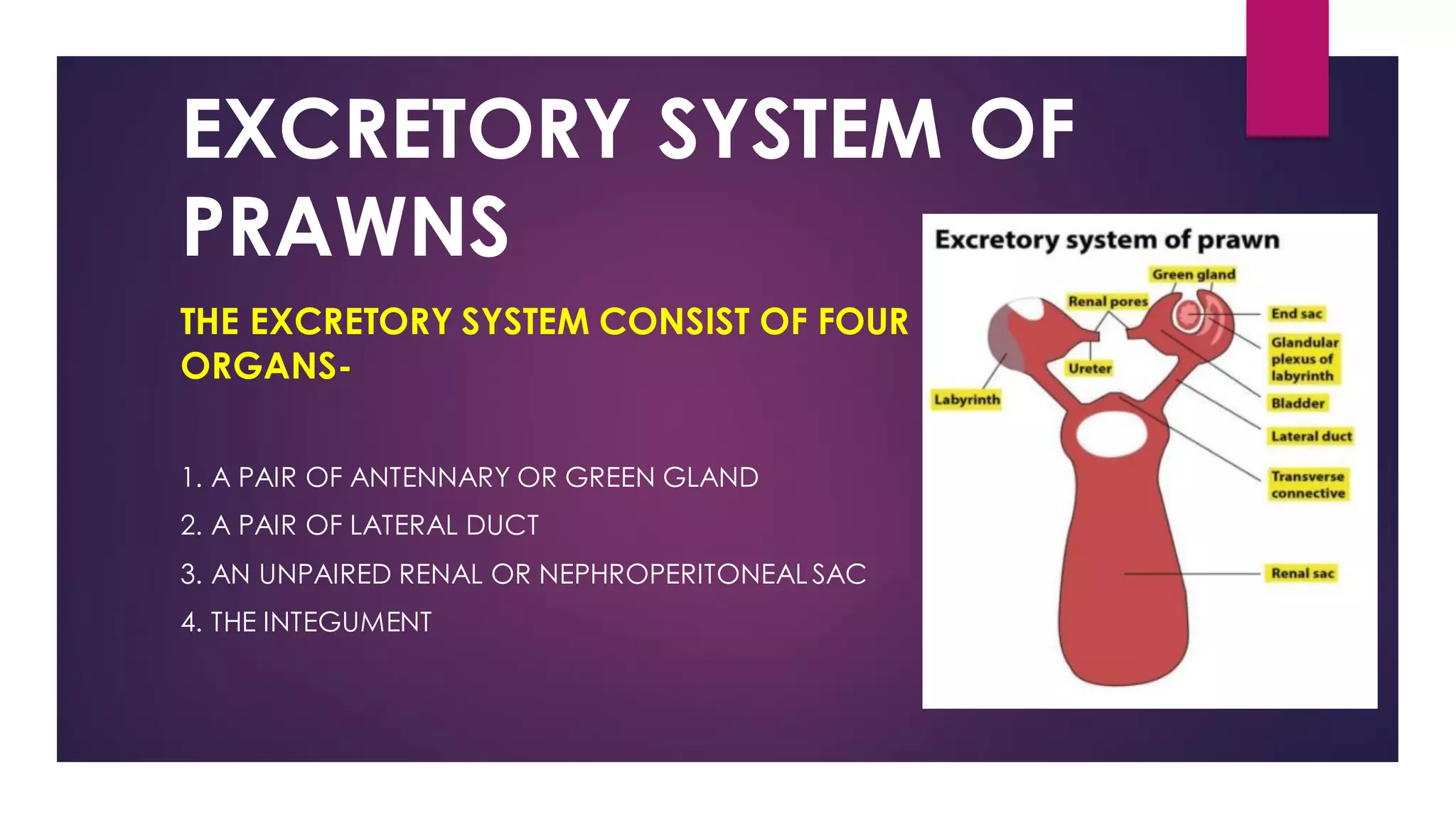
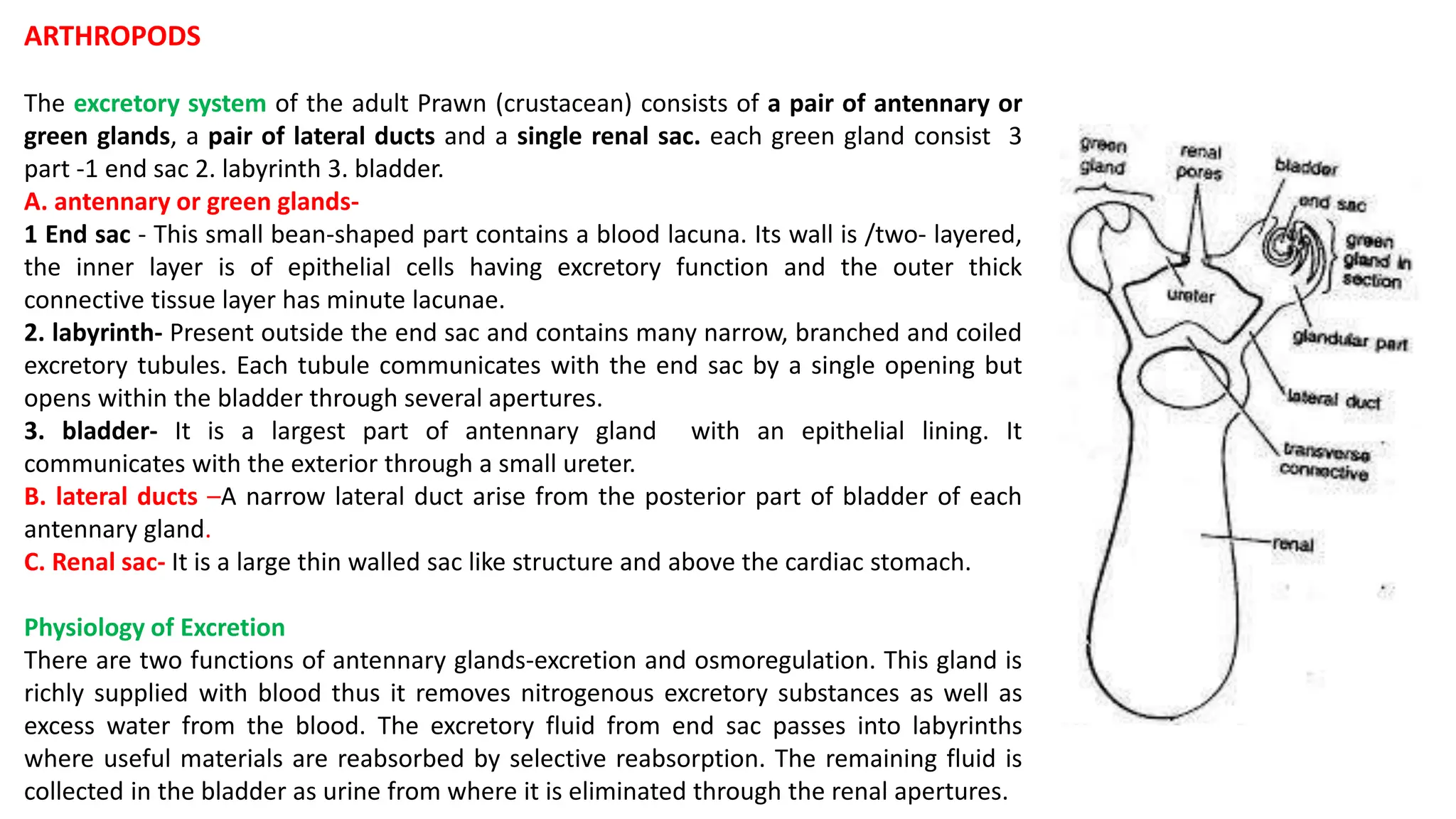
In the grand, glittering theatre of marine biology, few creatures straddle the line between culinary icon and biological enigma quite like the prawn. We adore them grilled, buttered, and tangled in garlic noodles, yet we rarely pause to consider the intricate plumbing that keeps these crustaceans alive. Today, we are diving deep—not into the ocean, but into the anatomy of one of nature’s most efficient filtration systems. The question on the table is simple, yet surprisingly taboo: what exactly is the excretory organ of a prawn? The answer, my friends, is not a kidney in the mammalian sense, but a pair of astonishing structures called antennal glands, also known as green glands.
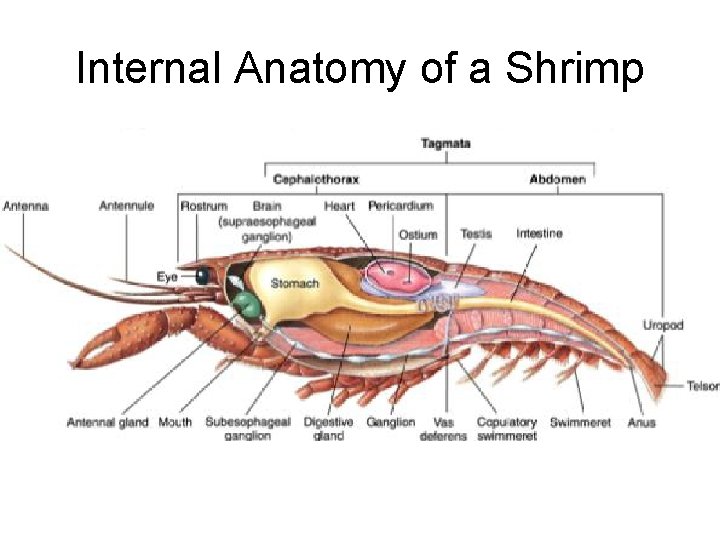
For the uninitiated, the idea of a “green gland” sounds like something out of a sci-fi novel, a mystical organ glowing with emerald vitality. But the reality is far more grounded in evolutionary genius. These small, sac-like organs are located in the head, just behind the antennae, and they function as the prawn’s primary kidney, filtering hemolymph (the crustacean equivalent of blood) and expelling nitrogenous waste. The term "green" isn’t whimsical; it’s literal. When these glands are actively filtering, they accumulate a greenish pigment, a visual cue to early zoologists who were likely more charmed than confused. Understanding this organ isn't just an exercise in trivia; it is a window into how evolution solved the problem of waste in a saline environment.
Why does this matter in the year 2025? Because our relationship with seafood is undergoing a radical transformation. We are pushing aquaculture to its limits, farming prawns in hyper-intensive systems where water quality is everything. The health of the antennal gland dictates the health of the batch. Moreover, in an age of biomimicry, these tiny organs are inspiring engineers to design better filtration systems for everything from dialysis machines to urban water recycling. By understanding how a prawn pees, we are inadvertently learning how to clean our own messes.
Must Read
Beyond the Bladder: The Secret Life of the Green Gland
Let’s dispel a myth immediately: prawns do not urinate the way we do. There is no concentrated stream, no bladder pressure, no midnight trips to the loo. Instead, the antennal glands operate on a principle of osmotic regulation, a process so delicate that it borders on alchemy. The gland is composed of a coelomic sac, a labyrinthine tubule system, and a terminal bladder that opens to the outside via a pore at the base of the antennae. As hemolymph flows through, the tubules selectively reabsorb essential ions like sodium and chloride, while actively pumping out ammonia and urea. The result is a diffuse, almost continuous release of diluted waste, turning the prawn’s head into a tiny, non-stop distillery.
Here is where the dark fun fact comes in. That “soup” you taste when you suck the head of a boiled prawn? You are literally consuming the remnants of that filtration process. The hepatopancreas (the tomalley) is the liver, but the fluid surrounding it is heavily influenced by the antennal gland’s output. In a sense, the “juice” that connoisseurs prize is a mixture of digestive enzymes and filtered waste products. It’s not toxic, unless the prawn was exposed to heavy metals, but it does add a layer of psychological irony to the ritual. You are, in the most refined culinary sense, tasting a filtered version of its urine.
Culturally, this organ has had a quiet but persistent impact. In Japanese cuisine, the head fat is considered the soul of the shrimp, yet chefs are careful to remove the “sand vein” (intestine) and often the antennae to avoid the slight bitterness of the excretion pore. In ancient Rome, prawn heads were ground into sauces, unknowingly utilizing the gland’s high concentration of salt and amino acids as a natural umami booster. The psychological shift here is profound: we are hardwired to find waste repulsive, but when repackaged as “brine” or “juice,” we celebrate it. The antennal gland is the ultimate trickster, hiding in plain sight, making our food taste better while silently cleansing the creature’s blood.
Moreover, the gland’s response to stress is a fascinating behavioral read. When a prawn is netted or alarmed, its nervous system triggers a release of dopamine, which accelerates the gland’s activity. The animal literally pees more out of fear. In crowded aquaculture tanks, this stress-induced urination can spike ammonia levels to toxic highs, leading to mass die-offs. This has led to a new field of study called “waste-aware aquaculture,” where farmers monitor not just water pH but the specific enzyme activity of the antennal glands to gauge the emotional temperature of their stock. The creature's anxiety becomes a measurable, quantifiable data point.

Practical Insights: Lessons from the Filter
If you are an aquarium hobbyist, the antennal gland is your silent ally. The next time you see your pet prawn twitching its antennae, know that it is performing a vital water-quality check. A common mistake among novices is overfeeding, which leads to protein breakdown in the water. The prawn’s gland works overtime, converting excess nitrogen into less toxic compounds, but only up to a point. If the ammonia spike is too high, the gland fails, and the prawn dies with its antennae locked in a rigid salute. The takeaway? Your tank’s filtration system is a supplement, not a substitute for the prawn’s internal physiology. You are managing a living kidney, not just a glass box.
In the commercial kitchen, this knowledge is a tool of sustainability. Chefs who know about the antennal gland often prefer live or freshly killed prawns, not just for texture, but because the gland degrades rapidly post-mortem, releasing a funky, acrid odor. That “fishy” smell you dislike in frozen supermarket prawns? That is the proverbial green gland breaking down into ammonia. A truly fresh prawn should smell of the sea, not of a hospital antiseptic. By demanding freshness, you are indirectly demanding that the gland be intact and dormant, which translates to a safer, more pleasurable dining experience.
Consider the case of a small-scale farm in Thailand that shifted to “low-salinity biofloc” systems. Initially, their prawns suffered from a mysterious mushy-shell syndrome. Researchers discovered that the issue was a malfunctioning antennal gland caused by a calcium-magnesium imbalance in the water. By tweaking the mineral profile, the glands regained their ability to osmoregulate, and the shells hardened. It was a million-dollar lesson in micronutrients. The actionable insight for us? Trace minerals are the unsung heroes of biological filtration. Whether it’s your own diet or your aquarium, a lack of magnesium, potassium, and zinc cripples the cellular pumps that drive the green glands.
Finally, there is a broader philosophical takeaway about efficiency. The antennal gland is a continuous, low-pressure system. It doesn't store waste; it eliminates it incrementally. This is a brilliant model for human waste management. We tend to build massive centralised systems that fail catastrophically (think of aging sewer lines). The prawn teaches us the value of distributed, always-on micro-filtration. In the future, imagine buildings with bio-inspired walls that filter greywater using glucosamine-based polymers mimicking the gland’s tubular labyrinth. We are already seeing prototypes of “green gland” filtration in aquaponics, where fish waste is converted into fertilizer using crustacean-derived enzymes. The prawn has become an unwitting consultant to urban planners.
On a personal level, observing the antennal gland teaches us about flow. The prawn doesn't fight its environment; it constantly balances it. We, too, have mental “green glands”—habits and routines that, when healthy, filter out stress and toxins from our daily lives. If we neglect them, our own systems build up ammonia in the form of anxiety and fatigue. Just as a prawn requires clean water to maintain its gland, we require clean digital and social environments to maintain ours.
The Excretory FAQ: Five Burning Questions Answered
1. Do prawns have kidneys like mammals?
No, prawns do not possess the bean-shaped, blood-filtering kidneys that we carry. Instead, they have a segmented pair of organs called antennal glands in their heads. These glands are functionally analogous to kidneys—they filter metabolic waste from the hemolymph and regulate ion balance—but they are anatomically distinct. Mammalian kidneys rely on high-pressure blood filtration via glomeruli, whereas prawn glands use a lower-pressure, tubular reabsorption system that is more energy-efficient for their aquatic lifestyle.
The difference is profound in terms of adaptation. Mammalian kidneys are designed to conserve water, producing concentrated urine. Prawns live in a buoyant, water-rich environment where conserving water is not a priority; instead, they need to actively pump out ions to avoid swelling or shrinking as salinity shifts. The antennal gland is a master of ion exchange, using active transport to kick out sodium and chloride while retaining amino acids. So, while they share the same “job title” (excretion), the operational mechanics are as different as a steam engine and an electric motor.
2. Why are they called “green glands”?
The name is a direct reference to their pigmentation. When a prawn is healthy and actively metabolising, the glands often appear a vivid shade of green or pale teal. This hue comes from the accumulation of guanine, a nitrogenous waste product, and other breakdown pigments that bind to the gland’s tubules. The color intensity can vary based on diet and molt stage; a prawn that has recently shed its shell may have paler, less pigmented glands.
Beyond the biology, the name has a whimsical charm that stuck in the lexicon of 19th-century zoology. Early French naturalists called them “glandes vertes,” and the name was translated into English due to its descriptive accuracy. It is one of the few anatomical terms that sounds like a botanical nickname. Interestingly, in some species of deep-sea prawns, the glands can appear almost red or orange due to carotenoid pigments from their diet, but the classic green remains the telltale sign for most commercial species like the Pacific white shrimp.

3. Is the antennal gland connected to the intestine?
No, the antennal gland and the intestine are entirely separate exits, which is a crucial distinction. The intestine (often called the “sand vein”) runs from the mouth, down the back, to the anus at the tail. This handles solid digestive waste. The antennal gland has its own pore—a tiny opening located at the basal joint of the second antennae, near the eyes. This arrangement is a perfect example of biological compartmentalisation: one pipe for food waste, another for chemical waste.
This separation is why a prawn can have a clean-looking gut but still impart a slightly bitter taste if the head is heavily cooked. The ureter-like duct of the antennal gland is very close to the muscles of the head, and if the gland contents leak during cooking, they can taint the surrounding flesh. Chefs often recommend removing the head immediately after cooking to prevent this leakage. The takeaway? The prawn’s body is a studio apartment with two separate trash chutes, and you should never confuse the two.
4. How does molting affect the excretory organ?
Molting is a high-stakes event for a prawn, and the antennal gland plays a critical role in the process. Before a molt, the prawn absorbs massive amounts of water to build hydrostatic pressure, which helps crack the old exoskeleton. This sudden influx of water would dilute the hemolymph, so the antennal gland goes into overdrive, rapidly excreting the excess water while retaining vital minerals like calcium and magnesium that have been reabsorbed from the old shell.
After the molt, the new shell is soft, and the prawn is vulnerable. The gland then shifts its function to retaining salts to help the new shell harden via calcification. In fact, the post-molt period is the most dangerous time for a prawn’s kidneys; a calcium deficiency can cause the gland to fail, leading to death by osmotic shock. Aquaculture experts often add a calcium booster to the water during mass molting events, essentially giving the prawns a “kidney supplement” to survive the transition. It’s a brilliant example of how an organ’s workload changes dynamically with the creature’s life cycle.

5. Can you see the green gland in a cooked prawn?
Yes, and you have probably seen it without realising it. When you twist off the head of a boiled prawn, you might notice a soft, greenish-brown goo hidden between the eyes and the base of the antennae. That is the antennal gland, cooked solid. Many people mistake it for “brain matter” or unformed eggs, but it is actually the filtration organ. Its texture is granular, slightly grainy, and its flavor is intensely briny and mineral-rich.
In some cultures, this goo is considered a delicacy, scooped out and mixed with rice. In others, it is diligently scraped away to avoid bitterness. If you want to see it clearly, buy a raw prawn and carefully peel the cuticle from the head; you’ll see two distinct, pale-green sacs shaped like tiny grapes. That is the gland in situ. Next time you’re at a seafood boil, point it out to your dining companions and watch their eyes widen with a mix of disgust and fascination. It’s the perfect dinner party fact.
Reflecting on this tiny organ, one cannot help but marvel at the elegance of nature’s design. The antennal gland is a quiet worker, never demanding attention, yet its failure is catastrophic. It reminds us that the most vital processes in life are often the least glamorous. We tend to glorify the heart and the brain, but the humble filters—the kidneys, the liver, the green glands of the world—are the ones that keep the theatre running. They are the stagehands of our biology, unseen and underappreciated.
This hidden plumbing connects us directly to the prawn. We both struggle with the same existential problem: managing the toxic byproducts of being alive. The difference is merely technique. Where we use high-pressure bladders and complex hormonal controls, the prawn uses a slow, steady, and mercilessly efficient drip. In our hyper-caffeinated, high-stress society, perhaps we can learn from the prawn’s calm, continuous release. Instead of bottling up our frustrations (storing them like a mammalian bladder), we might try a little antennal-gland philosophy: process and release, continuously, without drama.
Ultimately, the excretory organ of a prawn is a lesson in humility and adaptation. It is a reminder that even the smallest creatures grapple with the same fundamental chemistry of life. The next time you dip a prawn in cocktail sauce, take a moment to honour the green gland. It filtered the salt of the sea, it managed the stress of the net, and it gave its life so you could have a moment of gastronomic pleasure. That is not just biology; that is service. And it deserves a nod of respect, if not a toast.