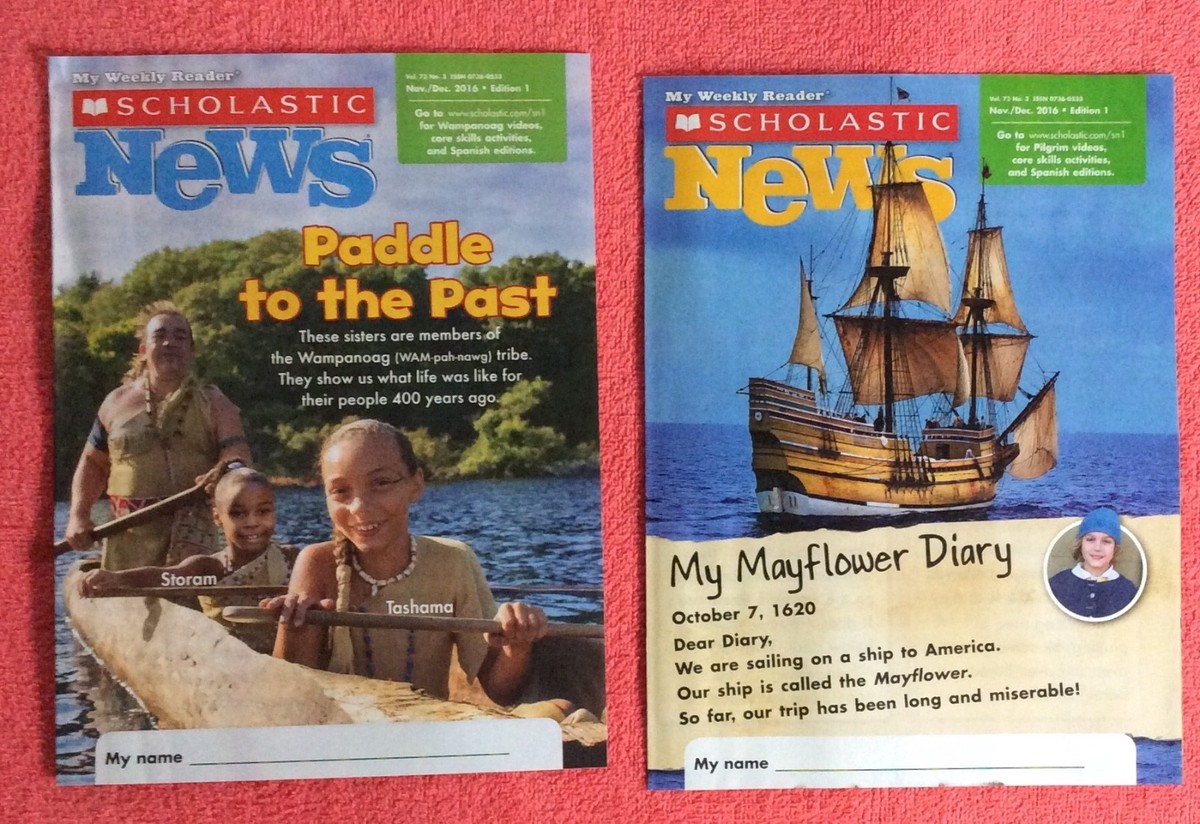
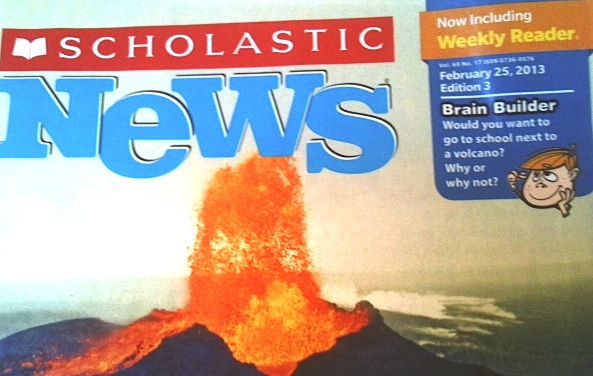
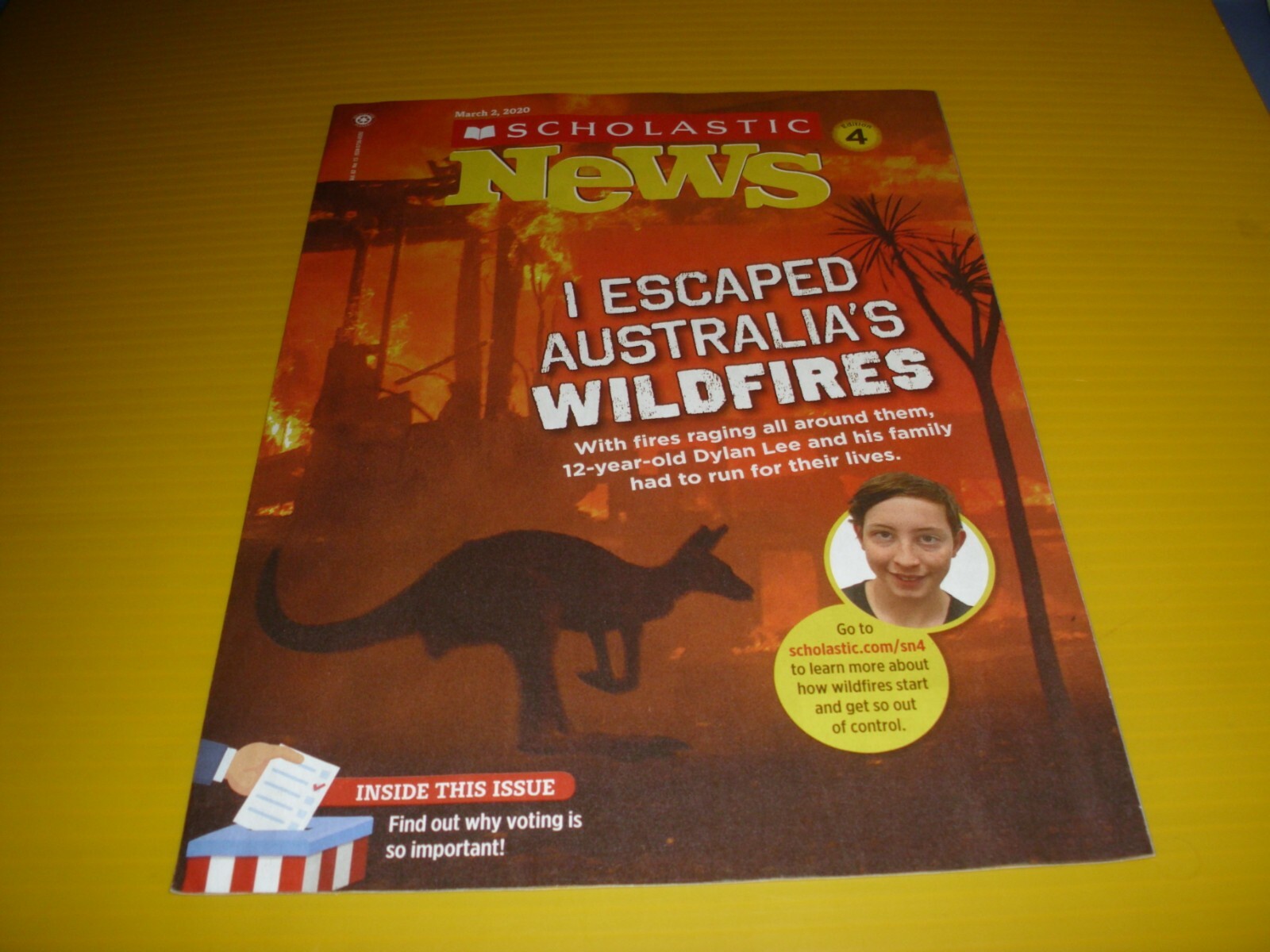
My Weekly Reader Scholastic News
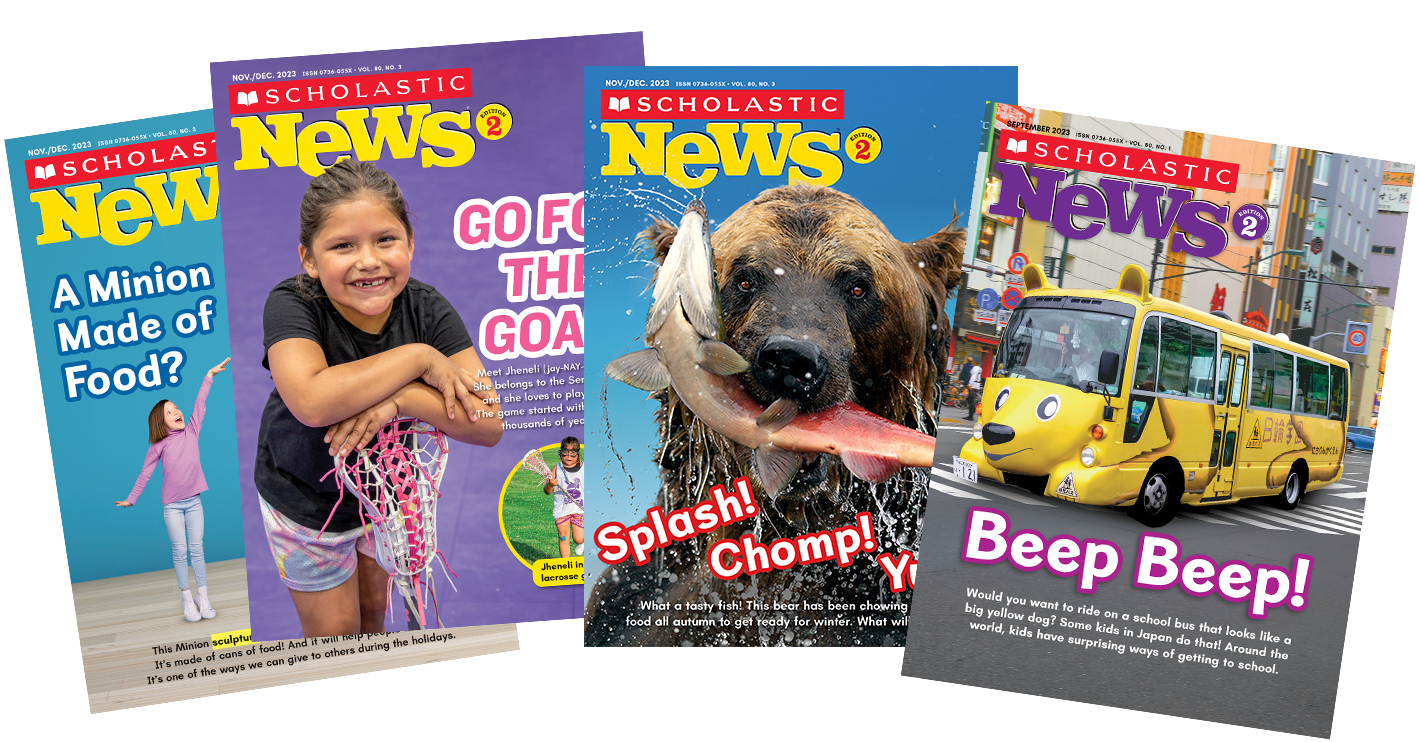
Remember the faint, almost magical smell of fresh ink and glossy paper that arrived with your name on it? That tiny, colorful newspaper, no bigger than a placemat, was a passport to a world far bigger than your classroom. For generations, My Weekly Reader and its modern successor, Scholastic News, have been the first taste of real-world news for millions of kids—and honestly, we adults secretly miss them.
Why do we love these little publications? Because they take the chaotic, scary, and complex world and shrink it down into bite-sized, friendly stories that make sense. They turn “current events” from something boring on TV into a treasure hunt of fascinating facts, animal antics, and heroic deeds. The magic isn’t just for kids, either; these papers offer a refreshing, optimistic lens on the news that we rarely see elsewhere.
The purpose goes far beyond filling a school day. These papers build the critical habit of curiosity—the simple, powerful urge to ask “why?” and “how?”. They teach us how to scan headlines, look at a map, and understand a graph, skills we use every day when reading the news or checking the weather. More than that, they prove that learning can be genuinely fun, which is a reminder we all need in our busy adult lives.
Must Read
You’ve probably seen their real-world application without even noticing. Think of the classroom where a child excitedly explains how volcanoes form, or the dinner table where a kid announces, “Did you know that octopuses have three hearts?” These moments come straight from a Scholastic News feature. Teachers use them to spark debates, and parents use them as a safe springboard for discussions about kindness, elections, or climate change.
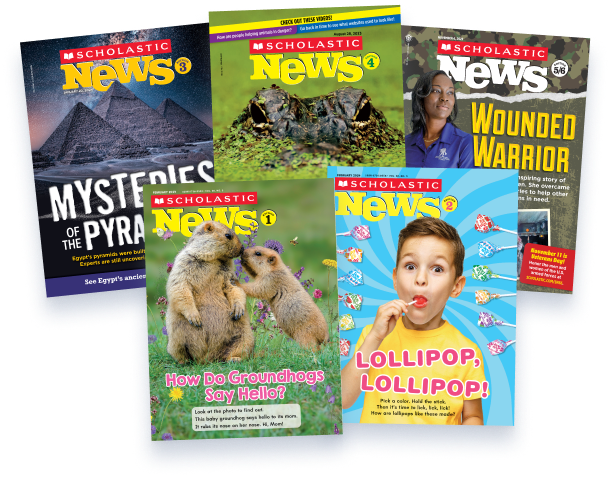
So, how can you bring that joy back into your own life? First, seek out the “kid’s edition” of any major news outlet—many are available online for free, and they are a masterclass in clear, hopeful writing. Second, try reading a single article from Scholastic News before your own news scroll; it resets your brain to appreciate simple explanations and big ideas.
Third, make it a game. Grab the paper or its website and give yourself a “Headline Hunt”—find one story that makes you smile, one that teaches you a new word, and one that shows something good happening in the world. It’s a practical, five-minute ritual that adds a spark of delight to any coffee break.
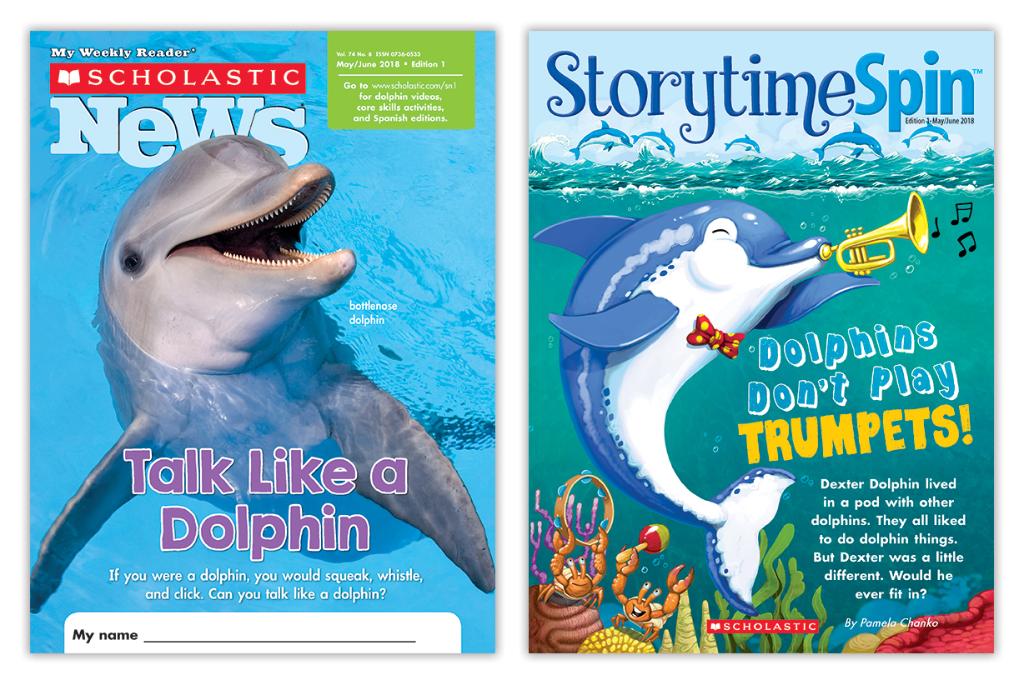
Finally, don’t underestimate the power of sharing. Send a fascinating animal fact or a cool science tidbit from Scholastic News to a friend or your own child, even if they’re now grown. Watching someone’s eyes light up with a “Wow, really?” is the very same joy that filled classrooms for decades.
In a world of endless, overwhelming headlines, My Weekly Reader and Scholastic News remind us that news can be good, learning can be light, and every subject—from space to squash bugs—holds a tiny miracle. So go ahead, click that link, and let your inner child read a story about a giant panda. You’ll feel better, I promise.