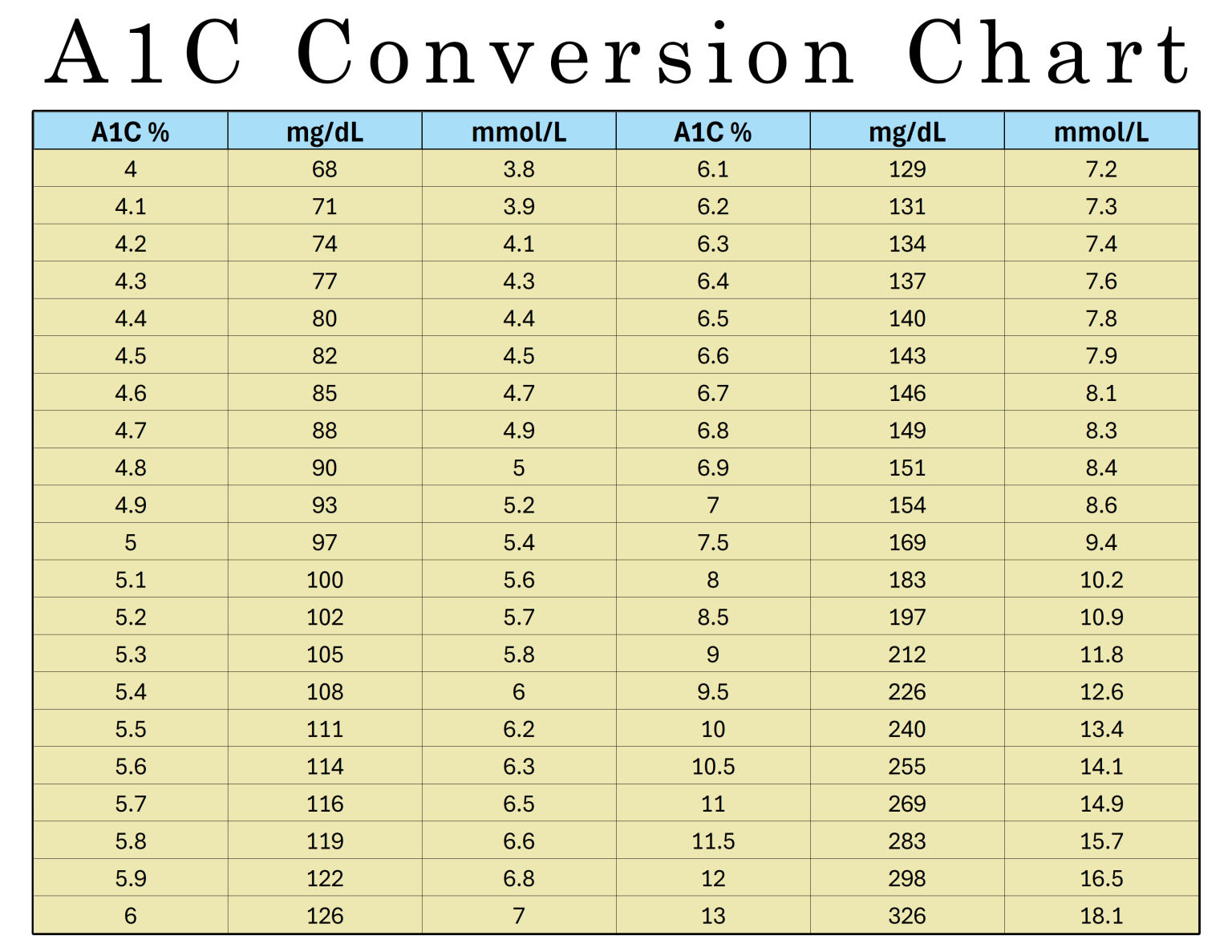
My A1c Is 8.3 What Does That Mean

So, you just saw “8.3” on your blood test results, and now your brain is doing that thing where it half-understands and half-spirals. Take a breath—this number is just a snapshot, not a verdict. It’s actually a fantastic starting point for a conversation with your body, and believe it or not, learning about it can be genuinely empowering.
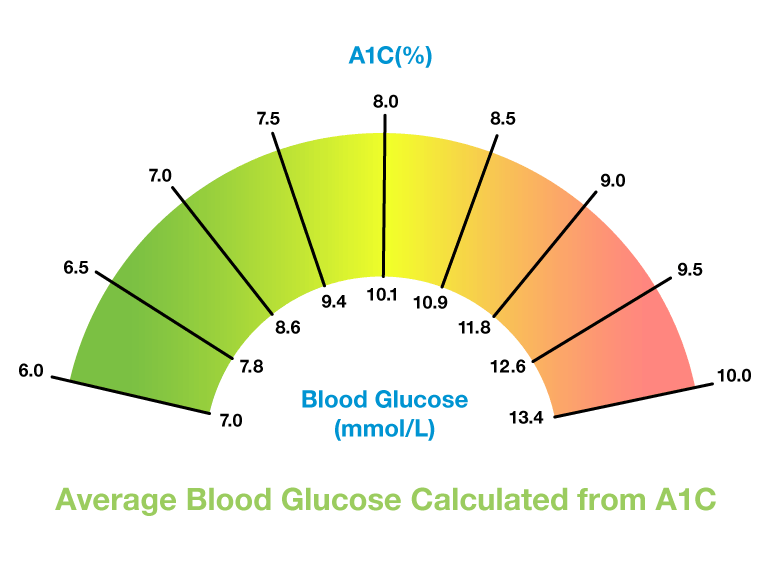
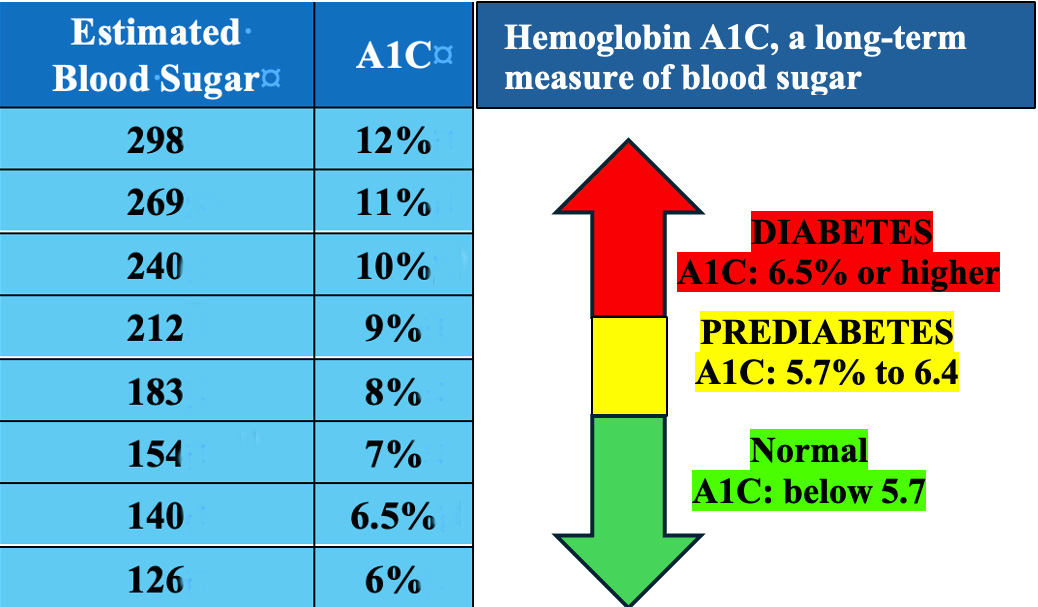
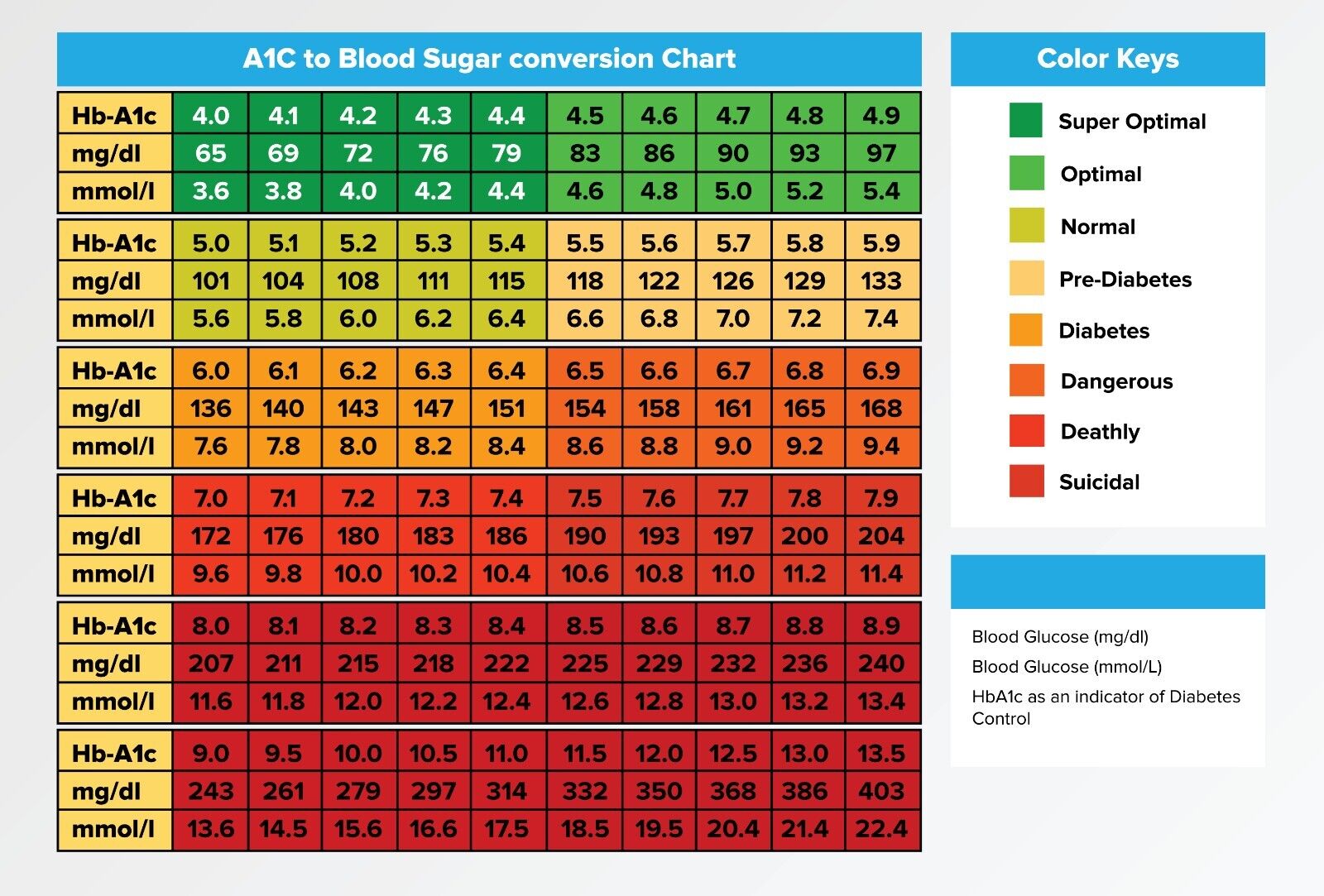
Let’s translate the medical jargon. An A1c test measures your average blood sugar over the past two to three months, kind of like a “season pass” summary instead of a single-day ticket. An 8.3 means about 8.3% of your hemoglobin—the protein in red blood cells—has sugar attached to it. In plain terms, that’s higher than the normal range (under 5.7%), and it falls into the diabetes category (6.5% or higher). But don’t panic—this isn’t about blame; it’s about information.
Why does this number matter to you? Because it’s a predictor of how your body handles fuel, and consistently high levels can strain your blood vessels, nerves, and organs over time. The good news? The A1c is also a feedback loop—it tells you if your current habits are working, so you can adjust and improve. It’s not a life sentence; it’s a dashboard for your metabolic health.
Must Read
Think of it like a car’s “check engine” light. You wouldn’t ignore it, but you also wouldn’t junk the car—you’d pop the hood and see what’s under it. For example, in a daily-life scenario, knowing your A1c helps you decide if that morning pastry is a treat or a habit. In education, doctors use it to teach patients about glycemic load—how different foods spike your sugar differently—rather than just saying “eat less sugar.”
Here’s a practical example: Two people with the same A1c of 8.3 might need different strategies. One might benefit from walking 15 minutes after meals, while another might see huge changes by swapping soda for sparkling water. The test gives you a baseline to experiment with, so you can actually see what works for your unique body. It turns vague worry into a targeted plan.
Now, what can you do with this number this week? First, don’t try to crash-diet or starve yourself—that backfires. Instead, pick one small habit: eat more fiber (like beans or oats) at your largest meal, or take a 10-minute walk after dinner. These tiny shifts can nudge your average down over the next few months, and your next A1c test will show it.
Another tip: talk to your doctor about continuous glucose monitors (CGMs), even if you don’t take insulin. Many clinics now lend them to people with A1c in your range for a week or two. Seeing your sugar spike after certain foods in real time is surprisingly fun—like being a detective in your own body. You’ll catch patterns you never noticed.

Lastly, remember that A1c is not a grade on your character. It’s influenced by genetics, stress, sleep, and even medications, not just willpower. The most curious, relaxed approach is to treat this number as a compass, not a report card. Ask yourself: “What’s one tiny experiment I can run this week?” Maybe it’s eating your lunch in a different order (protein first, then carbs). That’s it.
Every point you lower—say, from 8.3 to 7.5—cuts your risk of complications dramatically. And you don’t need to be perfect; you just need to be consistent. So, grab a notebook, jot down your meals and moods, and watch how your body responds. The fact that you’re reading this means you’re already taking the first step. That’s not scary—that’s brave.
Go easy on yourself. The number 8.3 is just a starting line for a more conscious, curious relationship with your health. You’ve got this.


:max_bytes(150000):strip_icc()/A1CLevels_final-b7bc709b6a5f4653b9a3497caec75016.png)