Migratory Birds And Animals In India

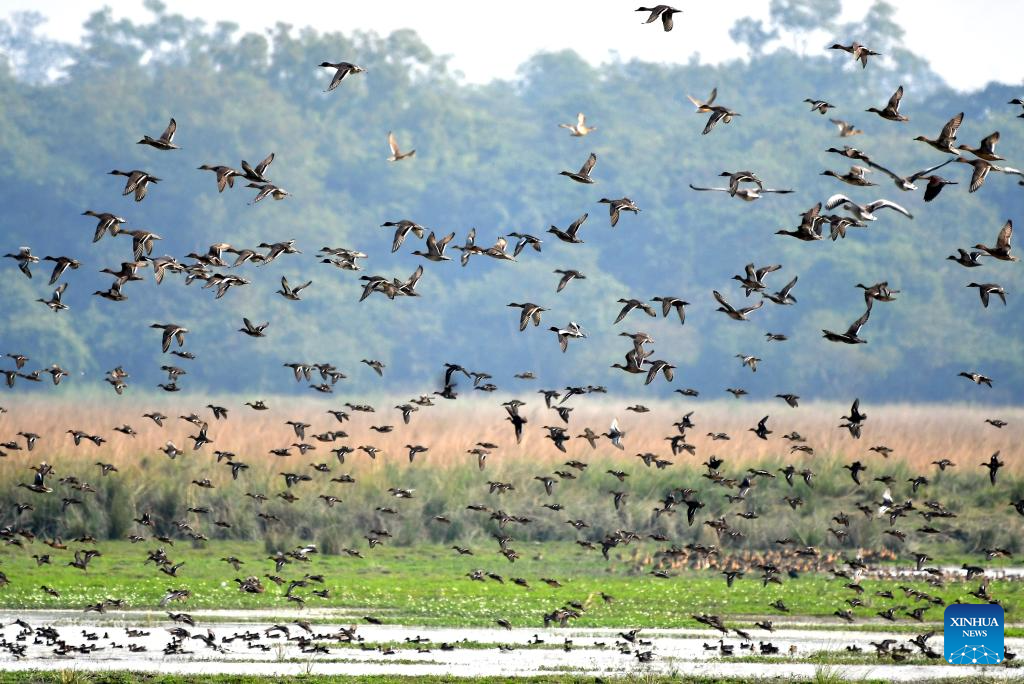
Move over, monsoon reels and biryani debates. The internet’s newest obsession isn’t a skincare routine or a celebrity breakup; it’s the avian equivalent of a business-class traveler landing in your local wetland. Yes, we’re talking about the great Indian migration—not the human kind that floods cities for jobs, but the feathered, furry, and occasionally finned kind that treats the subcontinent like a seasonal Airbnb. With drone footage of Siberian cranes going viral and birdwatchers morphing into overnight influencers, the #BirdMigration hashtag is pulling in more engagement than your average Bollywood teaser. It’s the new flex: showing up to a lakeside at 6 AM with binoculars and a thermos, all to witness a flamingo doing its best synchronized swimming routine.
Why the sudden hype? Blame it on our collective burnout from doomscrolling. We crave content that feels alive, and nothing says “hope” like 40,000 demoiselle cranes doing a flyby over Rajasthan’s Khichan village. The pandemic taught us to look down at our gardens; now, we’re looking up—and the skies are packed with drama. From the Amur falcons’ pit-stop in Nagaland (a story so epic it rivals any Netflix thriller) to the bar-headed geese literally scaling Mount Everest to reach Assam, India has become the ultimate wildlife reality show. And the audience? A mix of Gen Z nature stans, retired uncles with telephoto lenses, and corporate workers seeking “zen” via bird calls instead of meditation apps.
But let’s be real: this trend is a double-edged sword. While we’re busy liking posts about otter sightings in Kerala, we’re also the nation that lets plastic bags choke our rivers and construction sites bulldoze critical stopover habitats. The irony is thicker than a Delhi fog. So, grab your khaki vest and your phone charger—this is a deep dive into a world where insta-worthy meets extinction-level urgent. We’re dissecting the toxic fandom, the eco-anxiety, and the sheer absurdity of human-bird relations in 2025.
Must Read
The Unhinged Subculture Of “Twitchers” And Their Feathered Drama
Welcome to the world of “twitching,” where the stakes are higher than a stock market crash and the politics are more vicious than a Twitter cancel mob. This isn’t your grandma’s quiet birdwatching; this is a high-stakes sport. There are rare-bird sightings that trigger “dip alerts” (when you miss a bird by minutes) and WhatsApp groups with names like “Wetland Warriors” that share 27 voice notes arguing about the identity of a suspected ruff. The social hierarchy is brutal: the guy who spotted a White-bellied Heron trumps the guy who only saw a common egret. It’s like a high school lunch table, but instead of gossip, they trade coordinates and stealthy GPS pings.
The toxicity, however, isn’t just about ego. It’s the bizarre collision of conservation and consumerism. Every winter, photographers swarm Bharatpur or Chilika Lake with drones that violate every safety norm, causing mass panic among the very birds they claim to adore. There’s a new species of influencer—the “conservation-bait” creator—who films a stressed flamingo with a runny nose and labels it a “climate tragedy” for clicks. Meanwhile, local villagers who have coexisted with these birds for centuries are often treated as background extras, while urban elites take credit for “saving” the ecosystem. It’s a wild paradox: we want the birds to be wild, but we also want them to perform for our Instagram Reels with the perfect golden-hour lighting.
And let’s not forget the gatekeeping. Purists sneer at app-based birding (“You didn’t ID it by ear? Amateur!”), while newcomers treat eBird checklists like a Pokémon Go collection, chasing rare species just to tick them off a digital list. The drama escalates when a rare vagrant bird—say, a Pallas’s Gull—appears, and within hours, the site is trampled by 200 people, leading to a conservation lockdown. It’s a fascinating, often ridiculous microcosm of human behavior: we love nature, but only on our terms, with our filters, and our snacks.

How To Survive The Migration Craze Without Losing Your Sanity (Or Wallet)
So, you’ve decided to join the bandwagon. Fear not—you can enjoy the spectacle without becoming a certified bird-brain. First, lose the gear fantasy. You do not need a ₹2,00,000 lens to appreciate a spoonbill. Your smartphone with a decent 10x zoom and a pair of $20 binoculars will do. The birds don’t care about your f-stop; they care about you staying still. Second, respect the “No Drone” rule, even if your cousin said it’s “fine.” It’s not. Drones are the equivalent of a drunk uncle at a wedding—they ruin everything. If you see one, kindly report it to forest officials. You’ll feel like a hero, and you’ll spare the birds a panic attack.
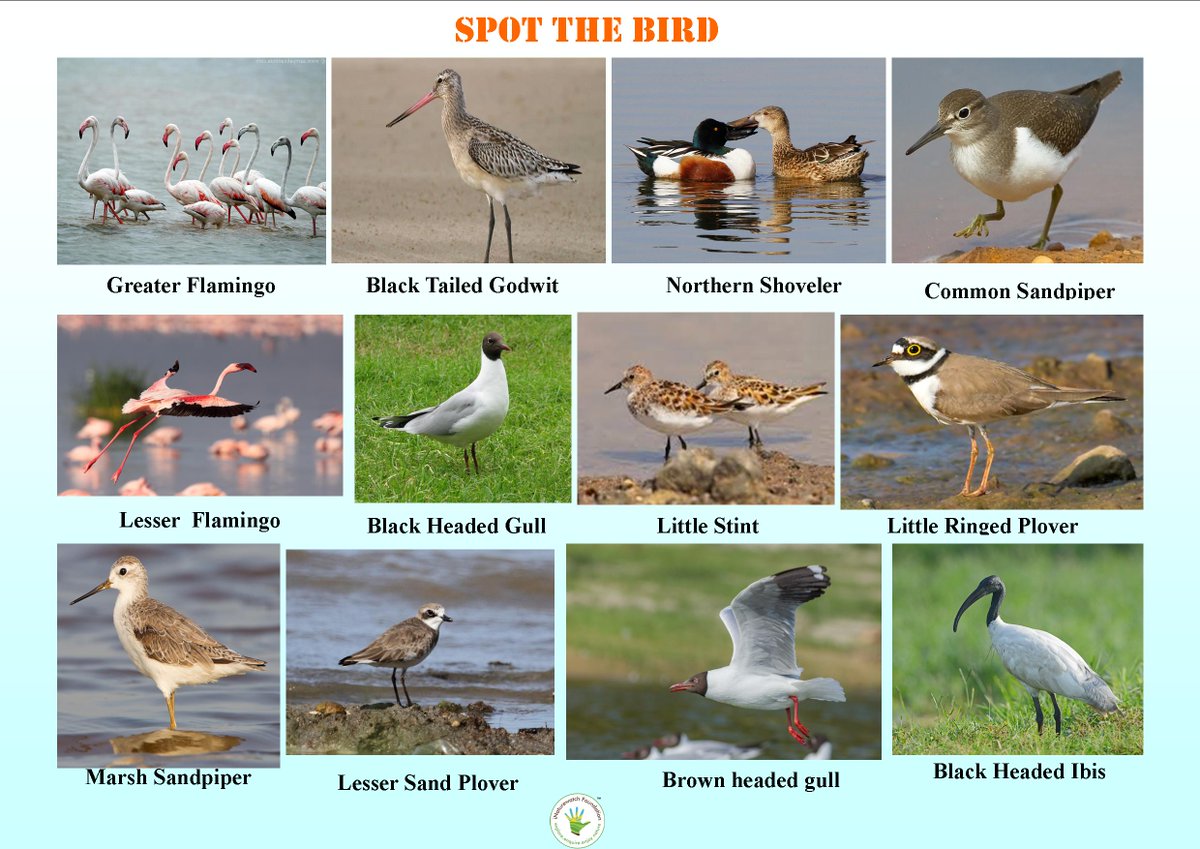
Third, choose your battlefield wisely. Do not hit the famous hotspots on weekends. That’s the Sunday mall rush of birding. Instead, look for micro-wetlands in your own city—a sewage treatment pond, a forgotten lake. These are often teeming with migratory teals and sandpipers. You’ll save fuel, avoid traffic, and discover a corner of your city you never knew existed. Also, time your window. Migratory birds follow a tight schedule; arrive at 7 AM, not 10 AM when the sun is high and the birds are napping. Treat it like a Black Friday sale—except the deals are feathers and the rush is spiritual.
Fourth, master the art of responsible sharing. Yes, that egret preening looks majestic, but don’t post the exact GPS coordinates of a nesting colony. This invites hordes of tourists who will feed them biscuits (a death sentence). Instead, share the district or a nearby café as the location. Be the filter that protects them. Fifth, budget for the experience, not the merch. Skip the logo t-shirt; spend that money on a local guide who knows the calls. Guides can spot a snipe from 200 meters while you’re still trying to focus your lens. They are the real MVPs, and tipping them generously is the only “social currency” that matters in this ecosystem.

Finally, manage your expectations. You will not see a snow leopard on your first trip. You will probably see a lot of water and a few egrets. That’s fine. Stop comparing your adventure to the heavily curated feeds of “WildWanderer_Woman” who claims she sees a tiger every Tuesday. The joy is in the patience, the quiet, and the sheer thrill of being a witness to a journey that spans continents. And if you see nothing? You still got to watch a sunrise away from your laptop. That’s a win.
Frequently Asked Questions For The Confused Urban Naturalist
“Is it ethical to feed migratory birds if they look hungry?”
This is the internet’s favorite moral panic. The snap answer? No, absolutely not. When you feed a wild migratory bird a piece of white bread, you’re not helping; you’re giving them empty calories and training them to depend on humans. They might stop flying south next year, waiting for the “bread man.” Worse, a diet of human food causes “angel wing” deformities in juvenile birds, making it impossible for them to fly. It’s a slow, painful death served with good intentions. They don’t look hungry—they look migratory, and their bodies are designed to forage naturally. The only “feeding” you should do is planting native, berry-producing shrubs and maintaining clean water sources, which provide nutritional autonomy.
Social media is full of terrible advice on this—viral videos of people feeding soaked gram to cranes might seem sweet, but it disrupts their protein balance and alters their intestinal flora for the worse. If you truly care, support conservation NGOs that create artificial wetlands and cultivate calcium-rich mudflats. That’s the actual menu birds need. So, the next time you feel that urge to toss a cracker at a pintail, hold back. Your silent restraint is the greatest gift you can offer. Practice the art of watching without touching—it’s the modern equivalent of respecting boundaries.
“Aren’t all these birds just flying south to escape the cold? What’s the big deal?”
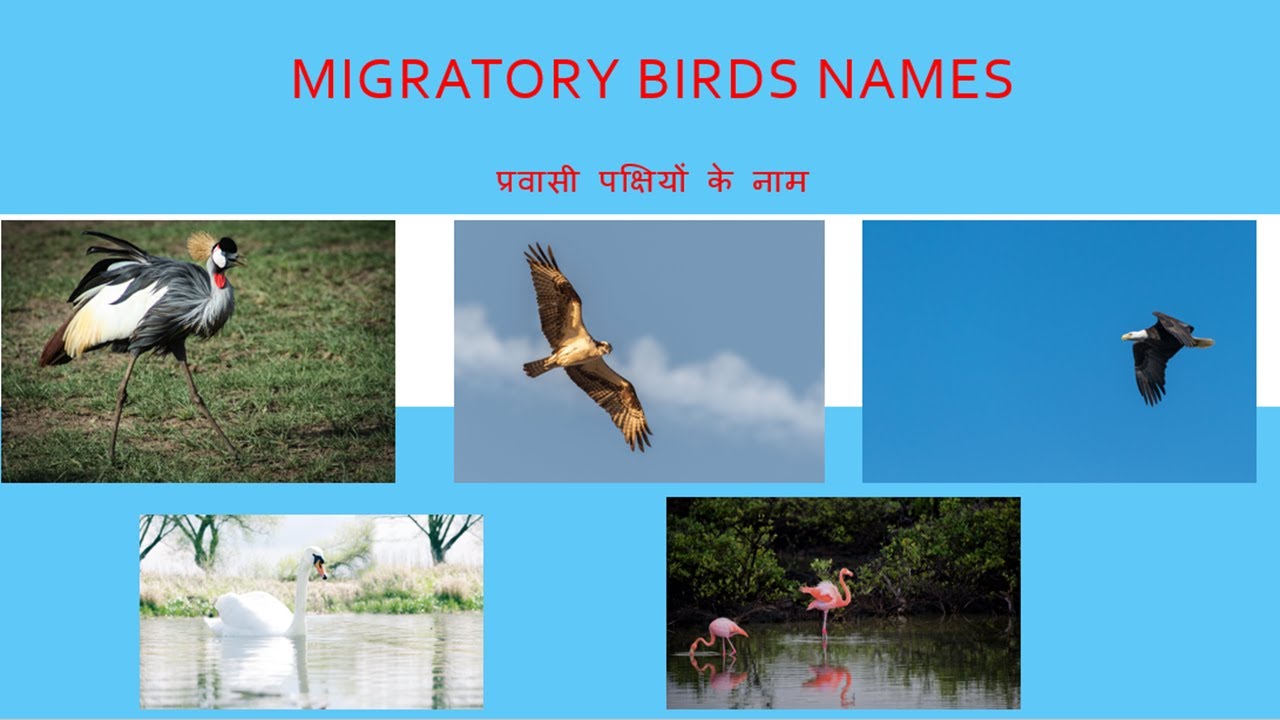
Ah, the classic oversimplification. Yes, they escape cold, but it’s less about comfort and more about survival thermodynamics. Migration is a death-defying relay race against starvation and exhaustion. A Siberian crane doesn’t just “fly south”; it flies 8,000 kilometers, navigating by magnetic fields and celestial cues, while losing 50% of its body weight. Many perish mid-flight from storms, exhaustion, or hunters in other countries. The big deal is that their arrival indicates the health of entire ecosystems—if the cranes stop coming, it means our wetlands are dead. They are the canary in the coal mine, but for the entire subcontinent’s groundwater and biodiversity.
Moreover, the “big deal” is geopolitical. India is a pit-stop on the Central Asian Flyway, a highway used by 90% of the region’s birds. We are a restroom break for species that breed in Russia and spend winters in Tamil Nadu. If we screw up their resting spots, we don’t just lose birds; we break a chain that affects agriculture (they eat insect pests) and seed dispersal (they plant forests with their droppings). So, next time you see a flock, remember: they’re not tourists; they’re unpaid ecological laborers.
“Why is the Amur Falcon mass slaughter still a thing, and what can I actually do?”
You’re referencing the dark chapter in Nagaland, where hunters used to kill tens of thousands of Amur falcons during their roost stopovers. Good news: massive awareness campaigns and community-led conservation have virtually stopped that practice. The bad news? The threat has just moved. Now, we face issues like powerline collisions and the illegal pet trade. The internet loves to ragebait about this, but the solution isn’t just angry tweets. The real action is supporting the “Friends of the Amur Falcon” groups that employ local hunters as conservation guards. You’re turning poachers into protectors by giving them a better income.

On a personal level, you can help by avoiding wood from illegal logging in Southeast Asia (which destroys their wintering habitats) and by pressuring your local electricity provider to install bird diverters on high-tension wires near wetlands. This is boring, unglamorous work, but it’s more effective than sharing a sad infographic. The birds don’t need your outrage; they need your consistent advocacy. So, next time you see a shocking video about bird deaths, do one concrete thing: donate to a grassland restoration fund or write to your MP about wetland protection. That’s the only content that makes a difference.
So, is this migration obsession a fleeting trend, like the 2016 fidget spinner? Unlikely. We’re witnessing a generational shift in consciousness driven by climate anxiety. The birds are the visible canaries of our changing planet, and as we feel the heat waves and erratic monsoons, we’re looking for signs of resilience. Birding is becoming the new gym membership for the soul—a low-impact, high-reward way to disconnect from the algorithm and reconnect with a rhythm much older than smartphones.
However, the permanence depends on our ability to move from spectatorship to stewardship. If the trend stays at the level of photo ops and hashtags, it’s just another slippery form of narcissism. But if it evolves into collective pressure for policy change, habitat restoration, and mindful tourism, it could be the quiet revolution we desperately need. The birds are teaching us a masterclass in resilience—flying thousands of miles without a map or a meeting app. The least we can do is keep the landing strip intact.