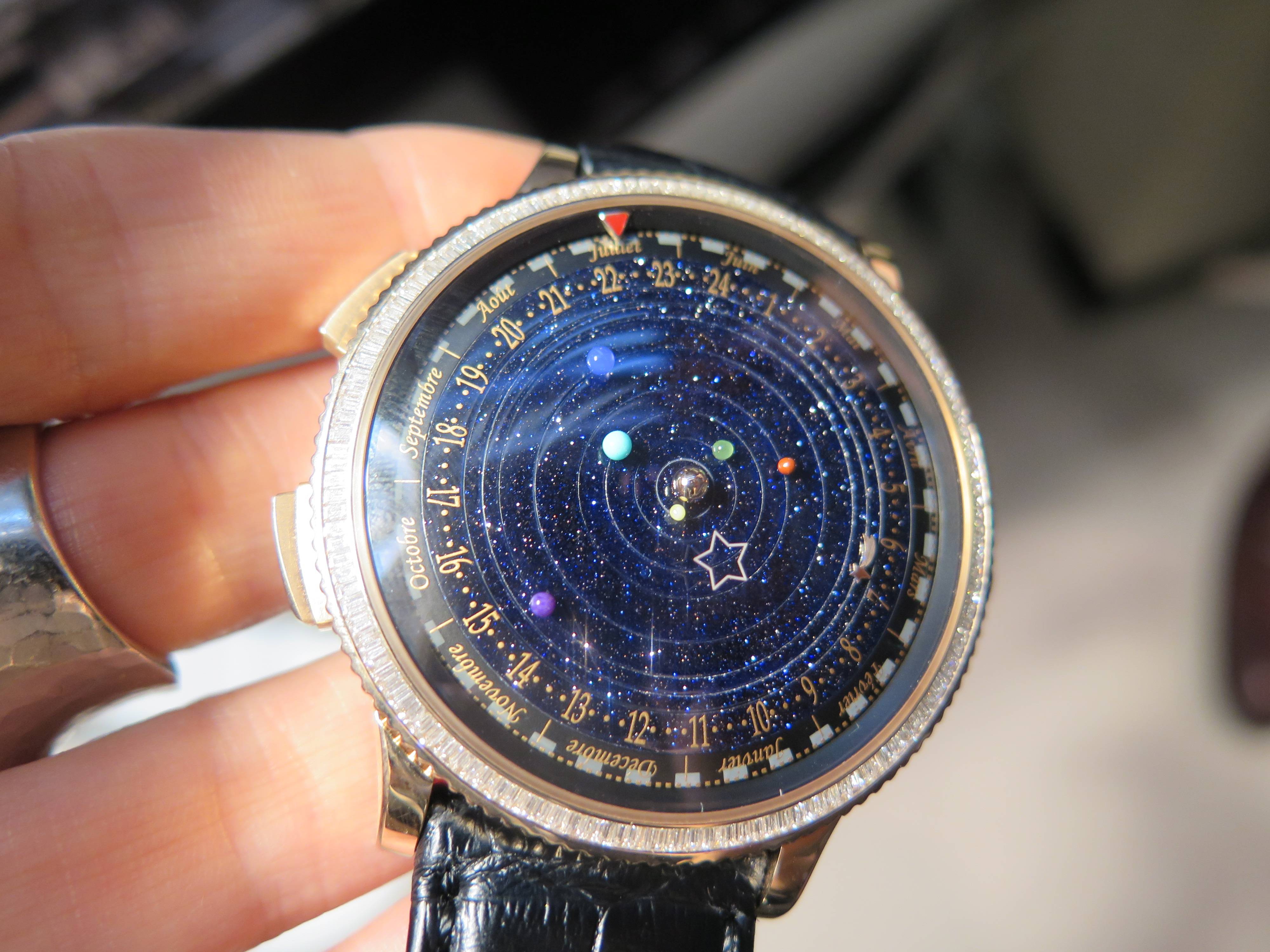
Midnight Planã©tarium Watch Price
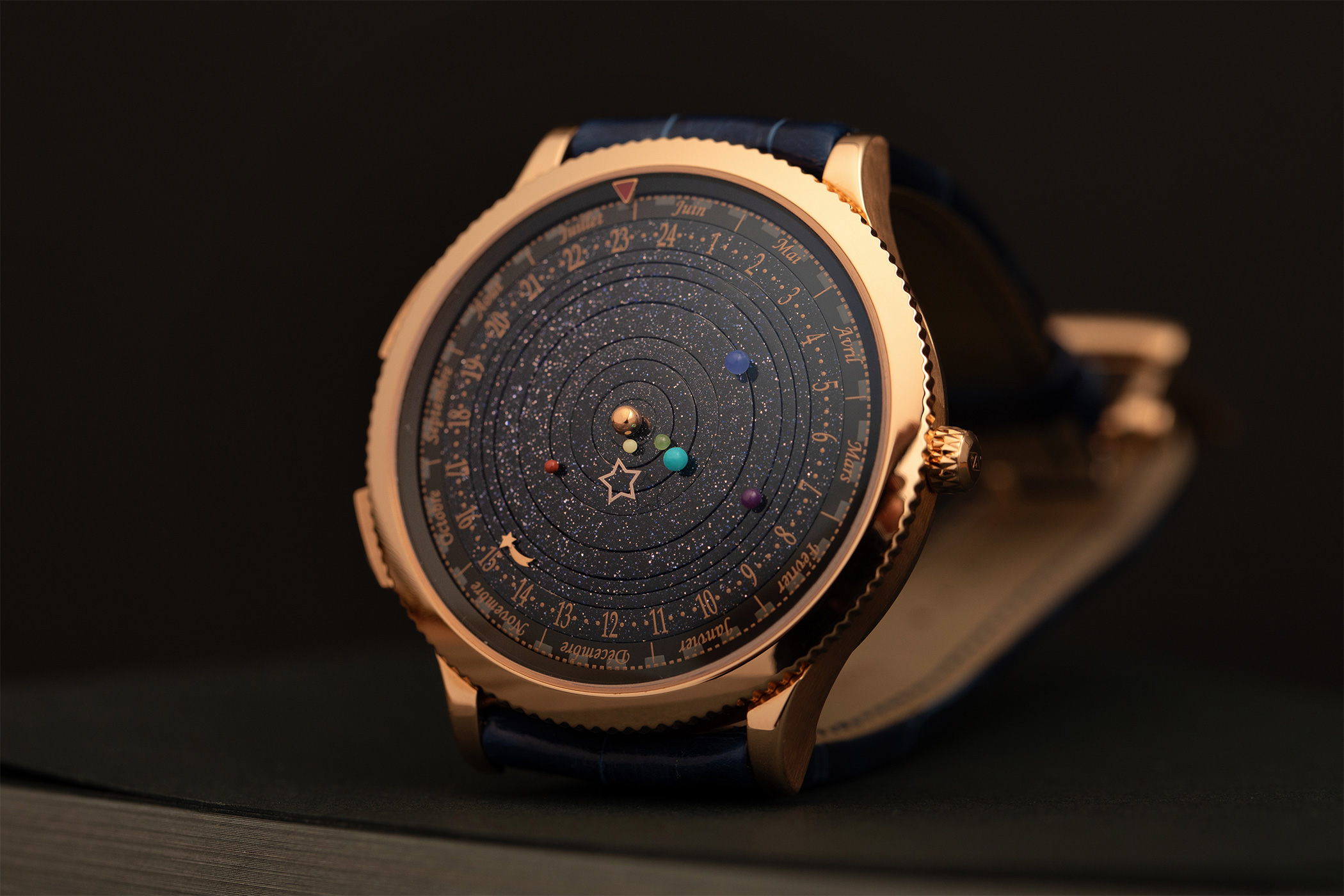
Okay, let’s talk about the most expensive way to tell time that doesn’t involve hiring a guy to yell at you from a rooftop. I’m talking about the Van Cleef & Arpels Midnight Planétarium, a watch that costs more than a small house in Ohio, and roughly the same as a very slightly used private jet. Spoiler alert: it doesn’t even have a digital display, and it won’t text you back. But it will let you wear the entire solar system on your wrist, which is admittedly cooler than a Fitbit.
So, what’s the damage? Buckle up, because the retail price hovers around $245,000. That’s not a typo, and no, there isn’t a “sale” section where you can grab last year’s model for a steal. For that cash, you could buy a fleet of Teslas, or maybe fund a small country’s annual potato festival. But instead, you get a tiny, gorgeous, mechanical universe that only shows the time when you press a button—because, you know, time is a suggestion when you’re this rich.
What Does $245K Actually Get You?
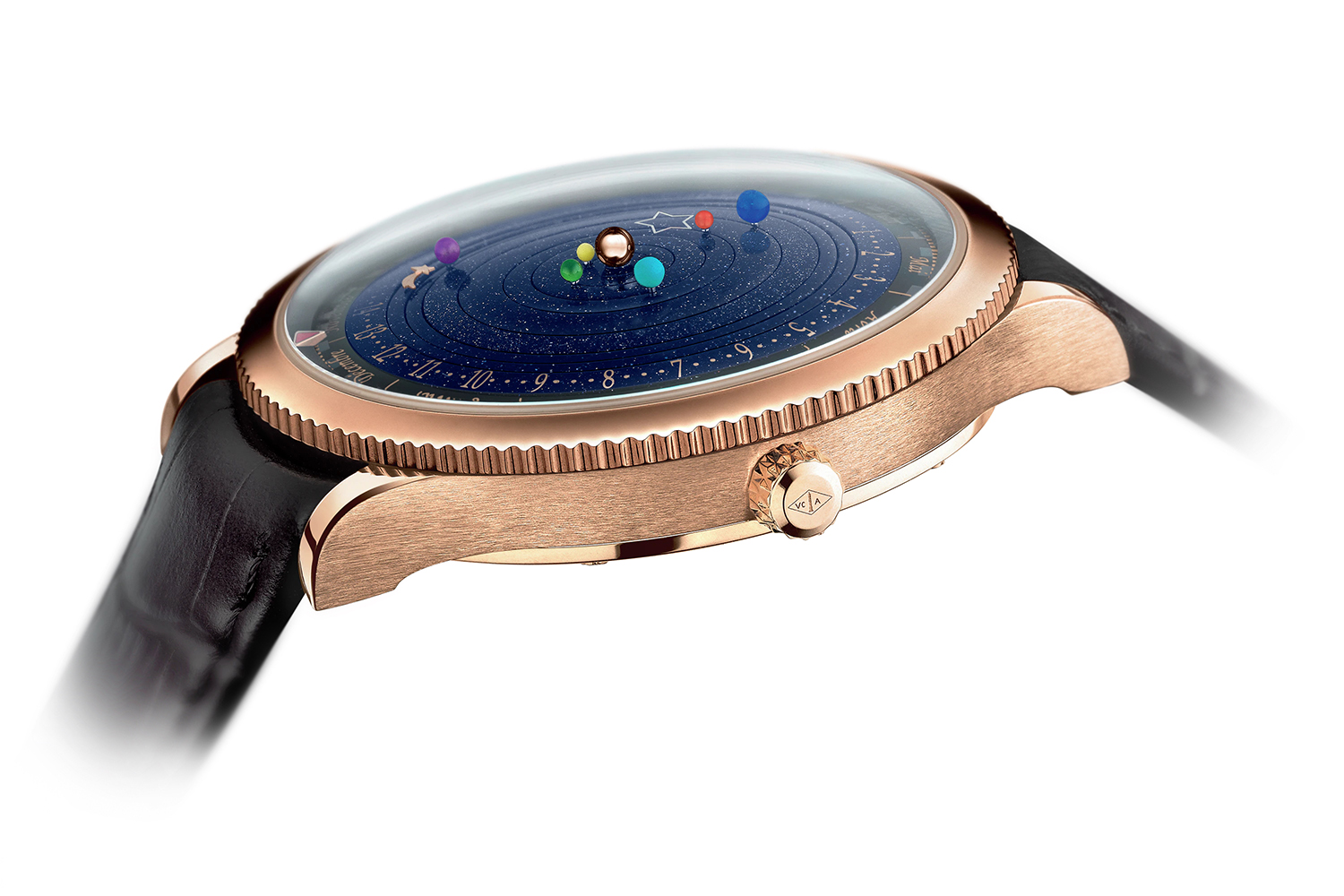
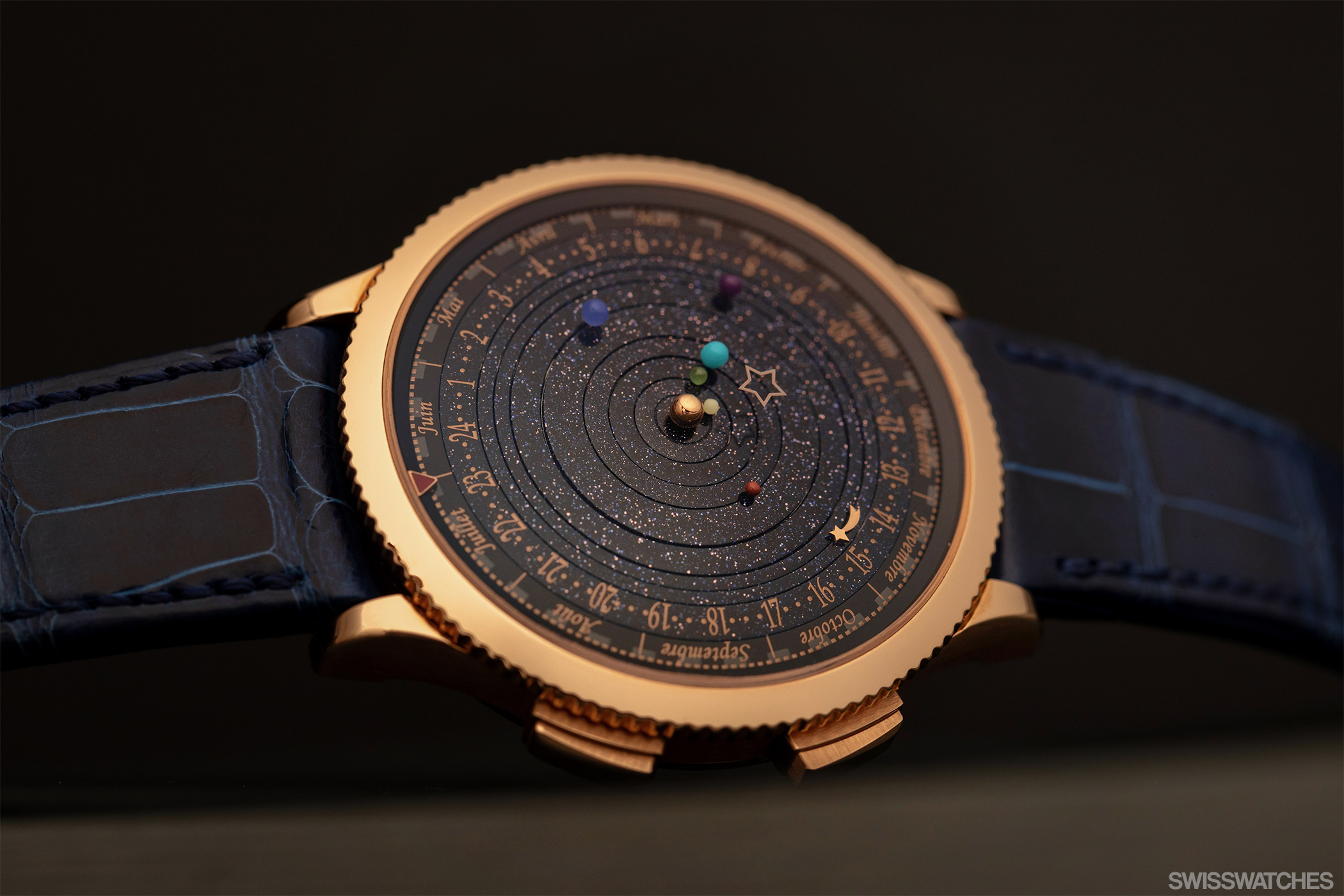
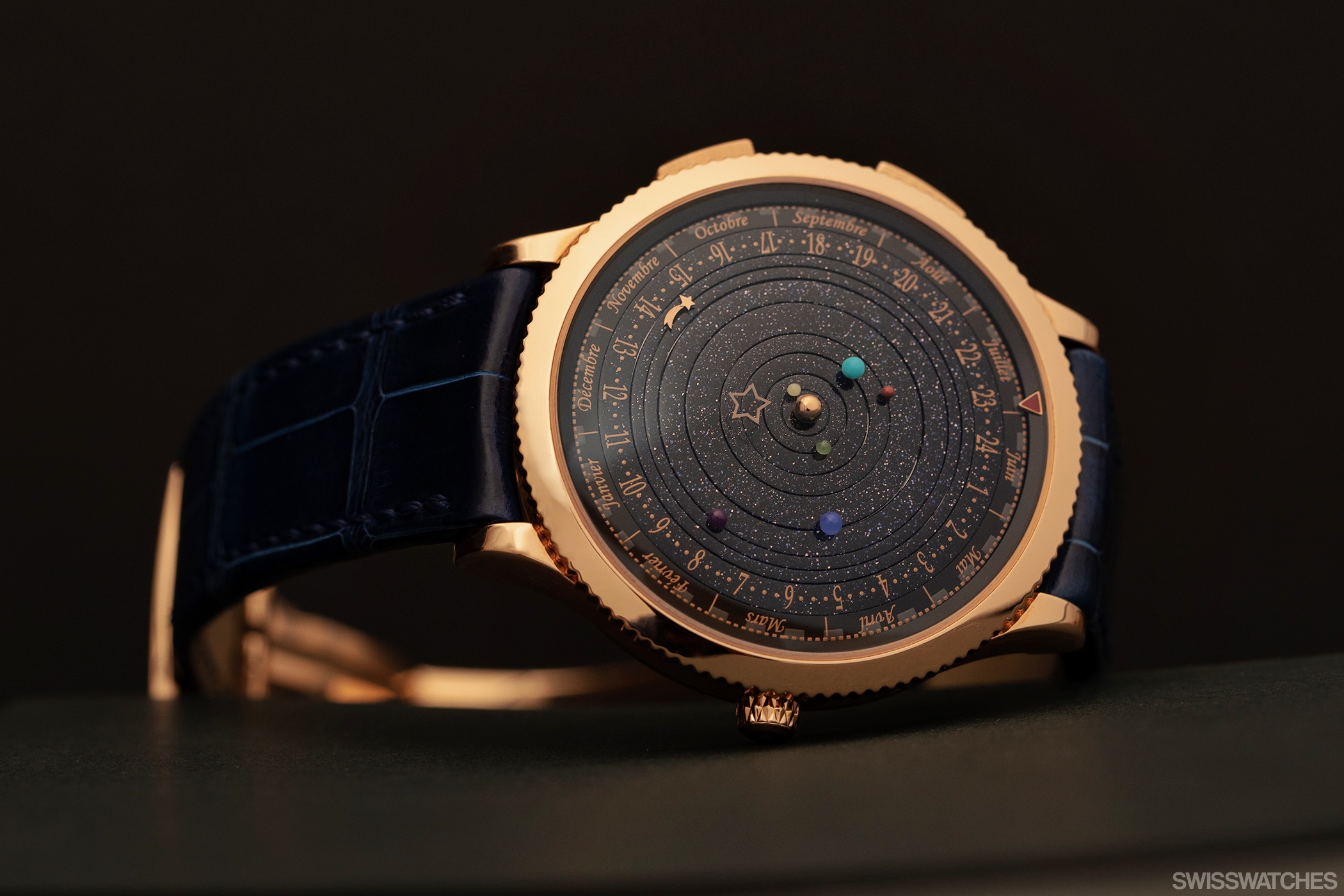
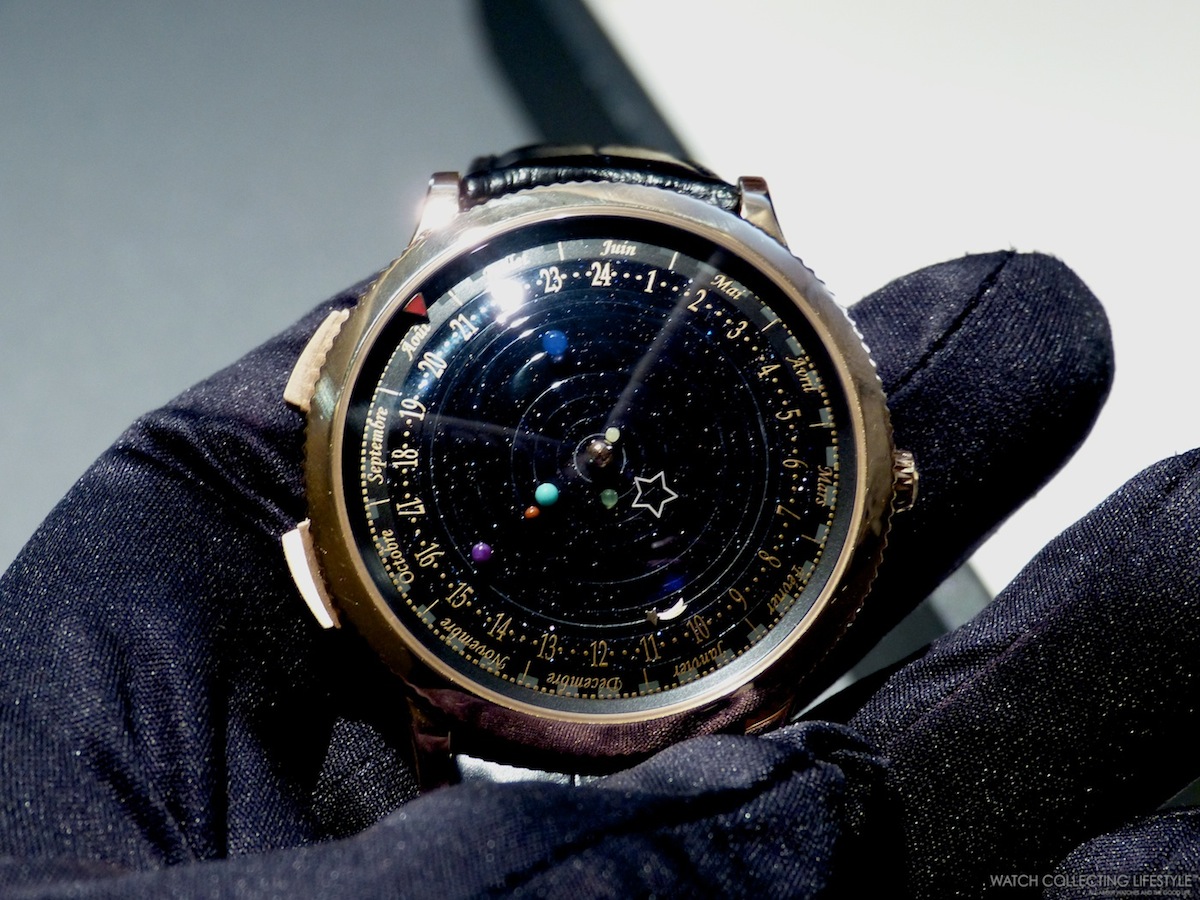
First, you get a dial that looks like a hand-painted masterpiece from a Renaissance wizard. It’s made of aventurine glass, which sparkles like a disco ball that fell in love with the night sky. On this glittery backdrop, you get tiny, golden planets—Mercury, Venus, Earth, Mars, Jupiter, and Saturn—that actually orbit the sun in real time. Saturn even has its little rings, because Van Cleef & Arpels doesn’t do “half-hearted” when they’re charging the price of a kidney.
Must Read
Here’s the kicker: the watch’s movement is so complex it takes three years for Jupiter to make one lap around the dial. That means you’ll be dead before Jupiter finishes its full orbit, unless you’re a vampire. And speaking of time, the watch only shows the current hour and minutes if you press a tiny pusher—otherwise, it’s just a beautiful, expensive asteroid field. It’s the horological equivalent of a moody artist who only performs when you pay extra.
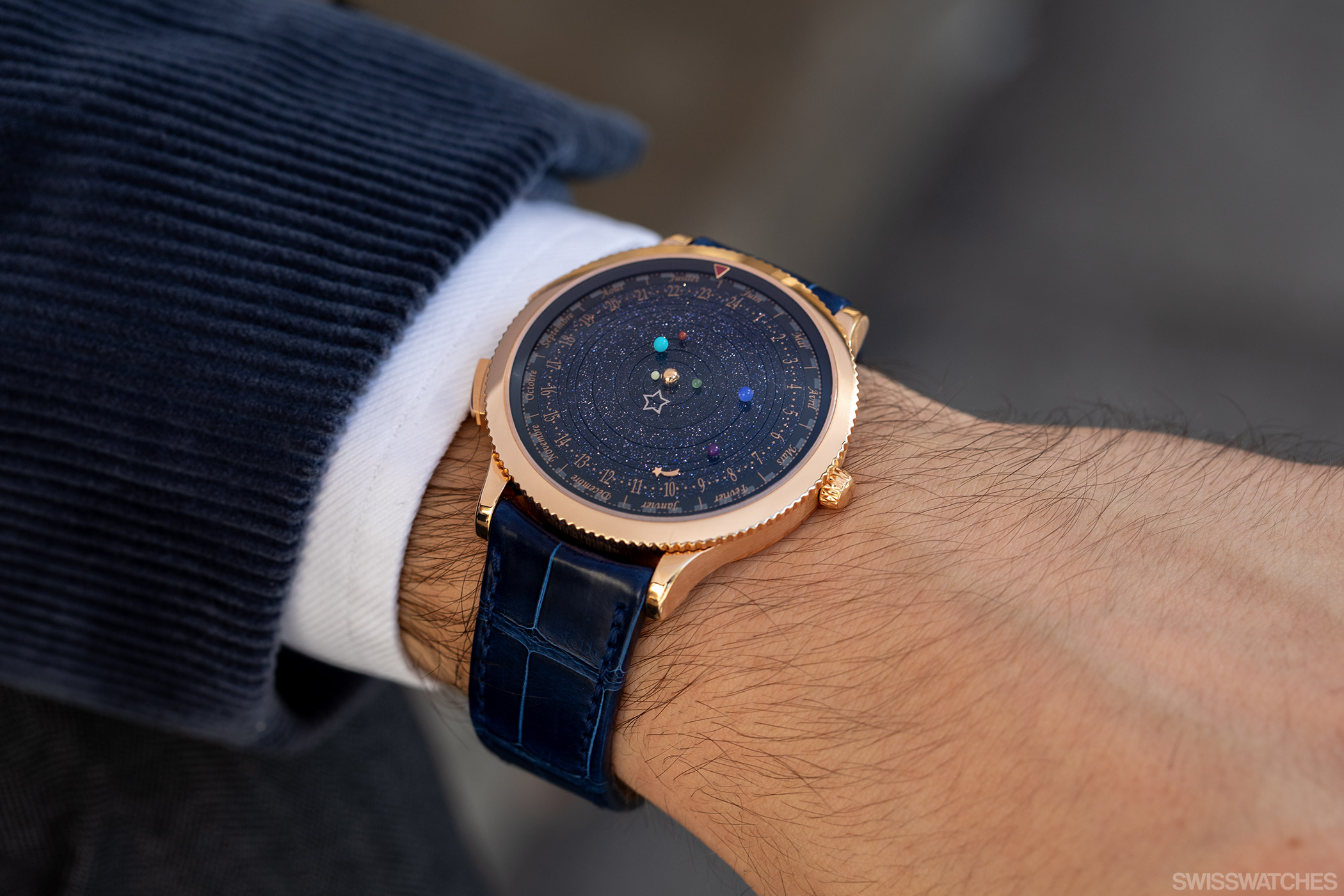
The Surprising, Nerdy Facts
Let’s geek out for a second: the watch uses a 396-part automatic movement that took engineers and astronomers years to design. It’s so precise that Earth completes its orbit in 365.25 days, which is exactly how long a real year takes. That’s more accurate than my ex’s “I’ll be ready in five minutes.” Also, the Earth is shown as a tiny turquoise stone, and the Moon is a little diamond that orbits it daily—so you can literally watch your own planet’s moon dance around like it’s at a rave.
But here’s the funniest part: only 12 of these watches are made each year. That’s rarer than a parking spot in Manhattan, and about as easy to get. You can’t just stroll into a boutique and ask for one. You have to be on a list, and the list is longer than a CVS receipt. Rumor has it you also have to prove you own a real planet first, or at least a very large yacht.
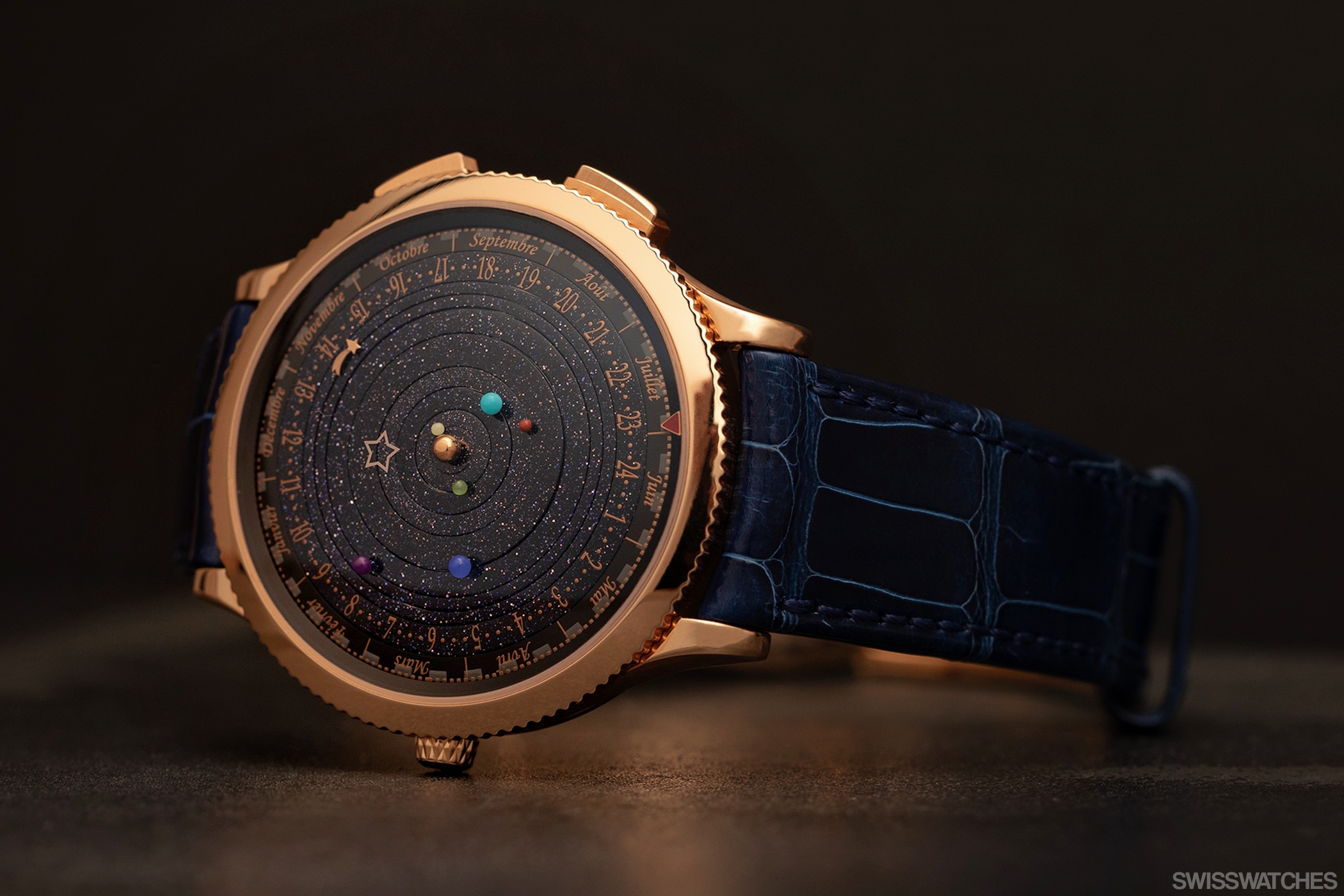
So, should you sell your house and buy one? Absolutely not—unless you enjoy sleeping under a bridge while wearing a tiny galaxy on your wrist. But I’ll tell you this: if you ever see someone wearing a Midnight Planétarium, don’t ask them for the time. Ask them if they have a spare planet they can lend you. And if they say yes, run—because that’s not a friend, that’s a demigod with a very expensive habit.
In the end, the watch is a masterpiece of art, science, and sheer, glorious excess. It’s proof that humans will spend a quarter-million dollars to see Saturn’s rings move, while our phones already tell us the time for free. But hey, who needs practicality when you can be the only person at the party who knows where Mars is right now? That’s worth every penny—if you have pennies made of solid platinum, that is.