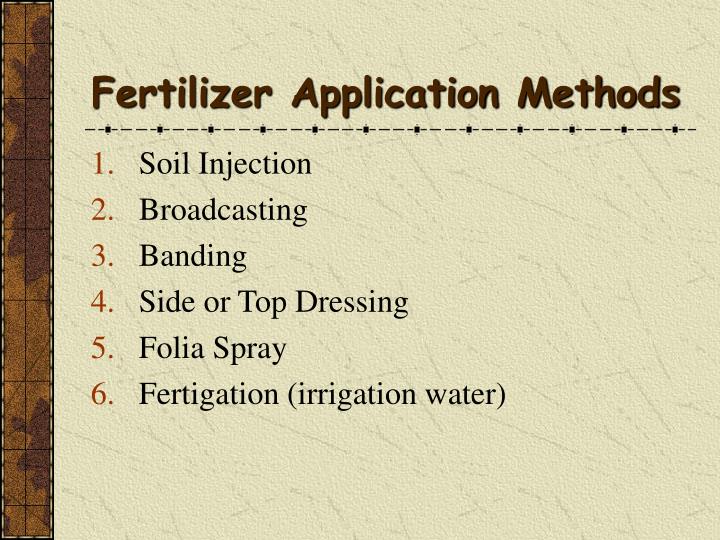
Methods Of Fertilizer Application
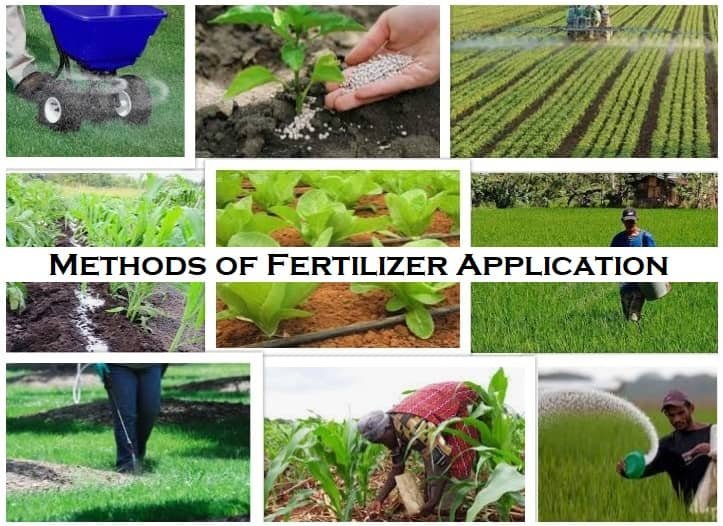
Okay, grab your mug, because we need to talk dirt. Not the gossip kind—the actual, under-your-fingernails kind. We’re diving into the wild world of fertilizer application, and trust me, it’s more exciting than it sounds.
Think of fertilizer as a multivitamin for your plants. But you wouldn’t swallow a pill whole if the bottle said “chewable,” right? Same logic applies here. How you get that goodness to the roots matters enormously.
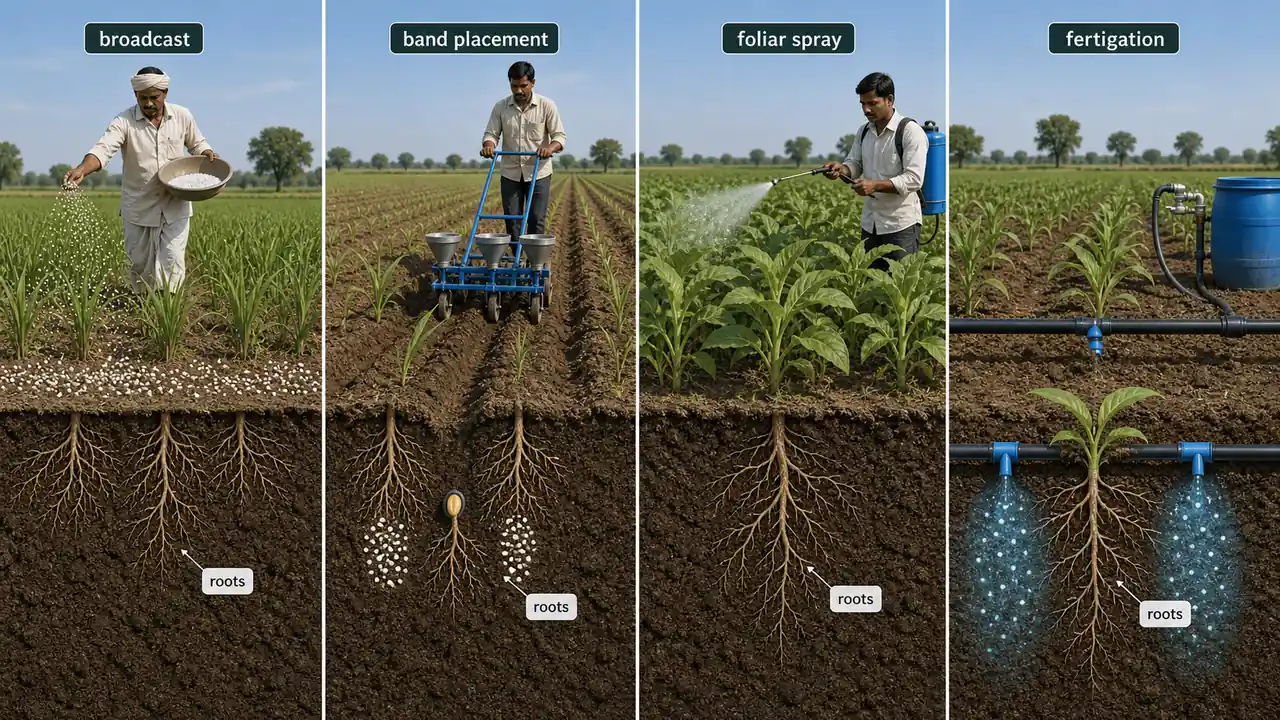
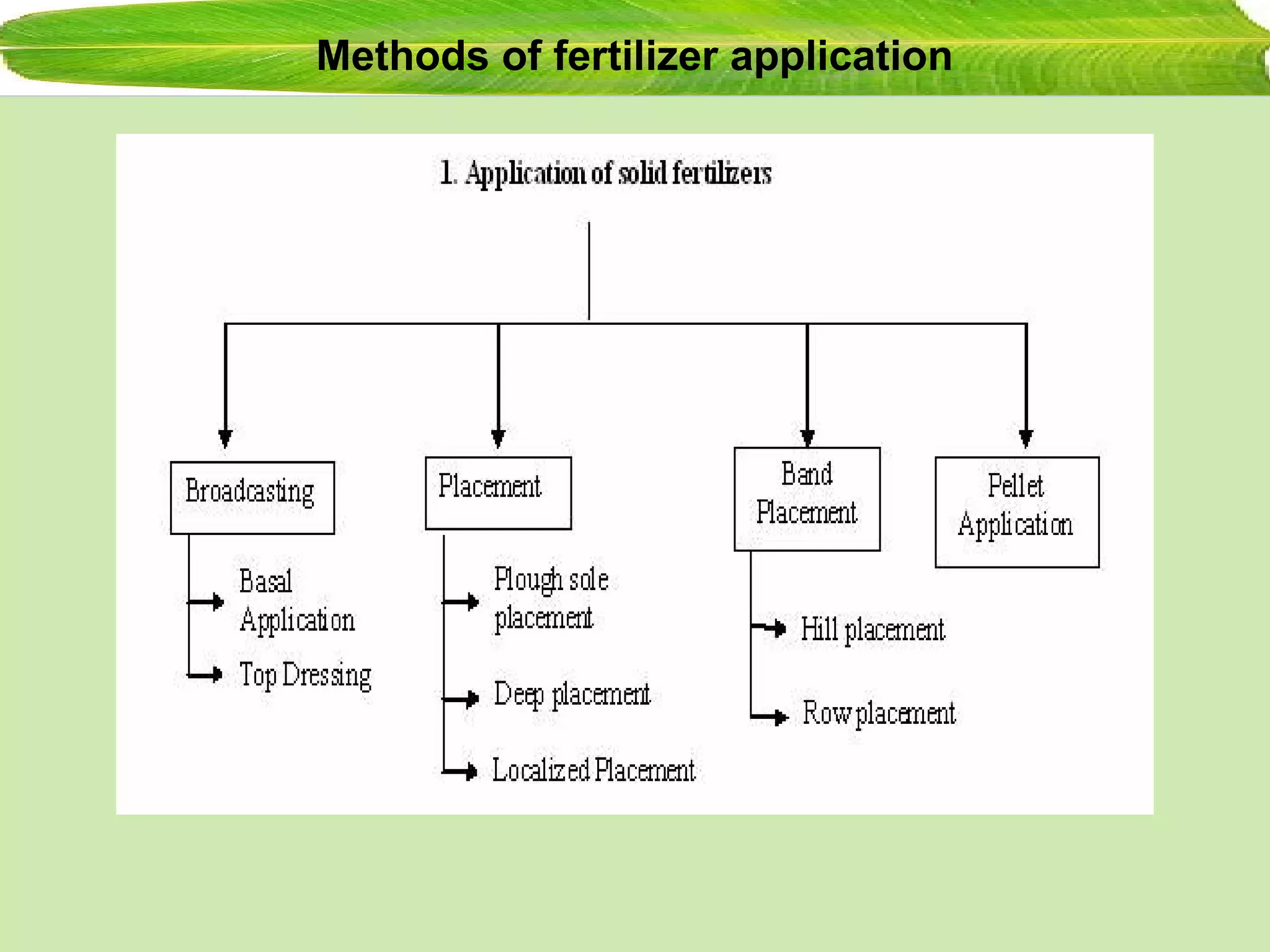
The Classic Broadcast Method
This is the “toss it and hope” approach, and honestly, it’s a great starting point. You grab a handful (or a fancy spreader) and just fling the granules over the whole area. It’s like feeding breadcrumbs to pigeons—everyone gets a little something.
Must Read
Perfect for lawns, where roots are everywhere and shallow. The downside? You’ll feed the weeds too, and runoff can waste a ton of product. But for a quick green-up, it’s your lazy Sunday best friend.
The “Side-Dressing” Secret
Now we’re getting surgical. Side-dressing means placing fertilizer in a band alongside the row of plants, not right on top of them. Imagine giving your tomatoes a snack bar instead of a full buffet—they have to reach for it, which builds stronger roots.
Just dig a small furrow a few inches from the stem. Sprinkle, cover, and let the rain do the taxi service. This is gold for heavy feeders like corn and squash.
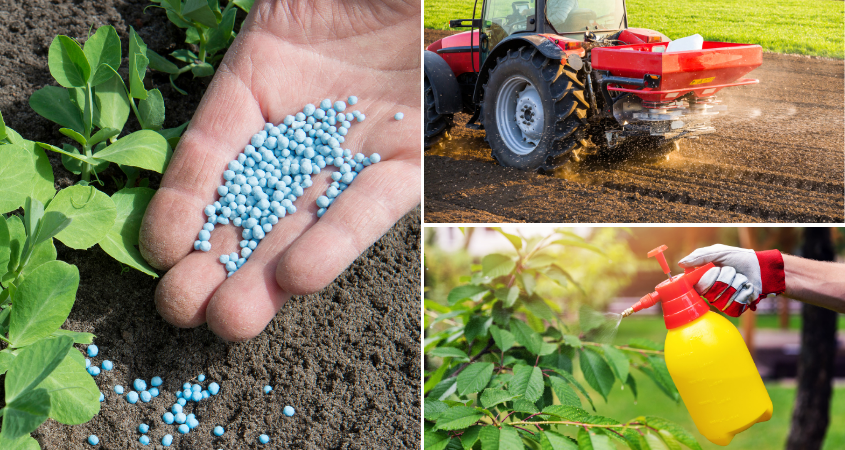
Foliar Feeding: The Plant Spa Day
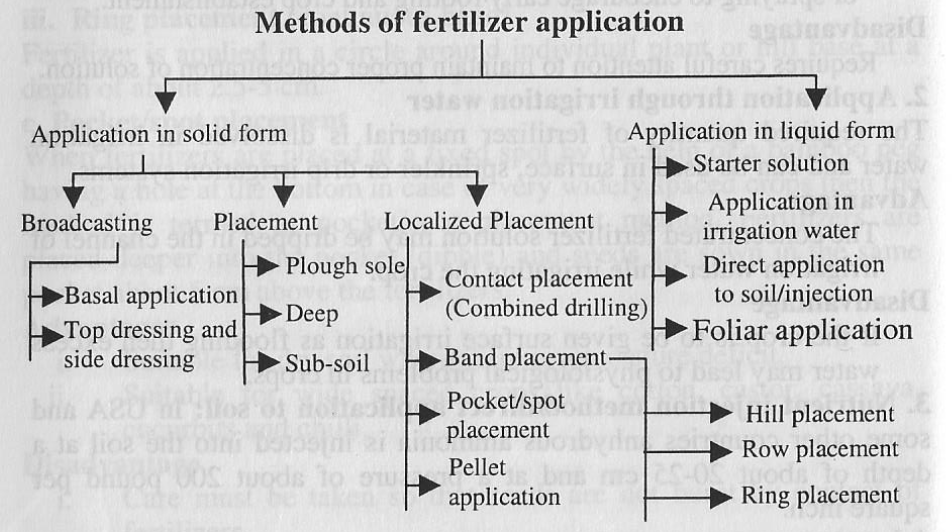
This one feels like cheating, and I love it. You mix liquid fertilizer with water and spray it directly onto the leaves. Plants can absorb nutrients through their stomata (tiny leaf mouths, basically).
It’s a quick pick-me-up, not a full meal. Use it for emergency fixes—like yellowing leaves mid-season—or for micronutrients like seaweed extract. It’s the espresso shot of the garden world.
Warning: Don’t do this in full sun, or you’ll literally scorch your plants. Morning or late evening only, folks. Trust me on this one—I’ve fried a basil plant or two.
Deep Banding and “Placement” Nerds
If you’re farming acres, you’re not messing with teaspoons. You’re using injection or deep banding—equipment that buries the fertilizer 4-6 inches underground. This keeps it right in the root zone and away from hungry weeds.
It’s less waste, but more machinery. For the home gardener, you can replicate this by using a bulb planter to make deep holes for slow-release pellets near fruit trees. Slow and steady wins the race—and the apples.
The “Starter Solution” Trick
When you transplant seedlings, they get shocky and sad. A dilute liquid fertilizer watered right into the planting hole acts like a gentle hug for their tiny roots. You’re basically saying, “Welcome home, here’s some soup.”
Just make sure it’s weak. A full-strength mix will burn those tender new roots faster than a questionable taco. Aim for half the recommended dose, and you’re a hero.
Top-Dressing vs. Incorporation
Top-dressing is scattering compost or granular fertilizer on the soil surface around established plants. It’s lazy, but it works if you have earthworms that pull it down. They’re your tiny unpaid interns.
Incorporation, on the other hand, means mixing the stuff into the soil before planting. That’s the “pre-game” strategy. You stir it in, let it mingle, and then plant. Best for bulk organic matter like composted manure.
Honestly, if you’re a beginner, just pick one method and run with it. Analysis paralysis is real, and plants are more forgiving than you think.
One Big Fat Caveat
Here’s the part nobody likes: more is not better. Over-fertilizing is like force-feeding a toddler—it ends in tears and a mess. You’ll get burnt brown leaf tips, salty soil, and no vegetables.
Always water after applying dry fertilizer unless the label says otherwise. This helps dissolve the granules and pushes them down to the roots. If you don’t water, you’re just decorating the top of the dirt like a weird confetti party.
So, what’s my final ranking? For lawns: broadcast. For veggies: side-dress. For panic: spray the leaves. And for peace of mind, mix up your methods throughout the season. Your plants will forgive you for the occasional mistake—they’re not drama queens.
Now go forth and feed that soil. And maybe wipe that smudge of compost off your cheek before you go back inside. You’re welcome.