Merging Freehold And Leasehold Titles

Your Land, Your Rules: The Magic of Merging Titles
Imagine owning a cake, but only the top half is truly yours. The bottom half? Well, that belongs to someone else, and you have to pay them rent just to keep the plate steady.
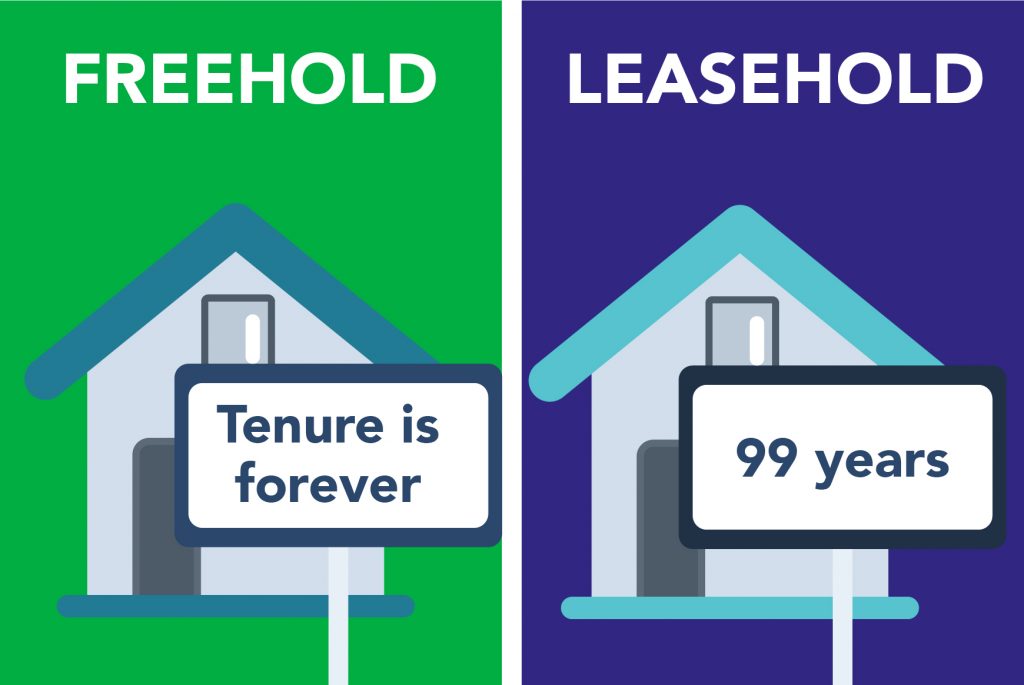
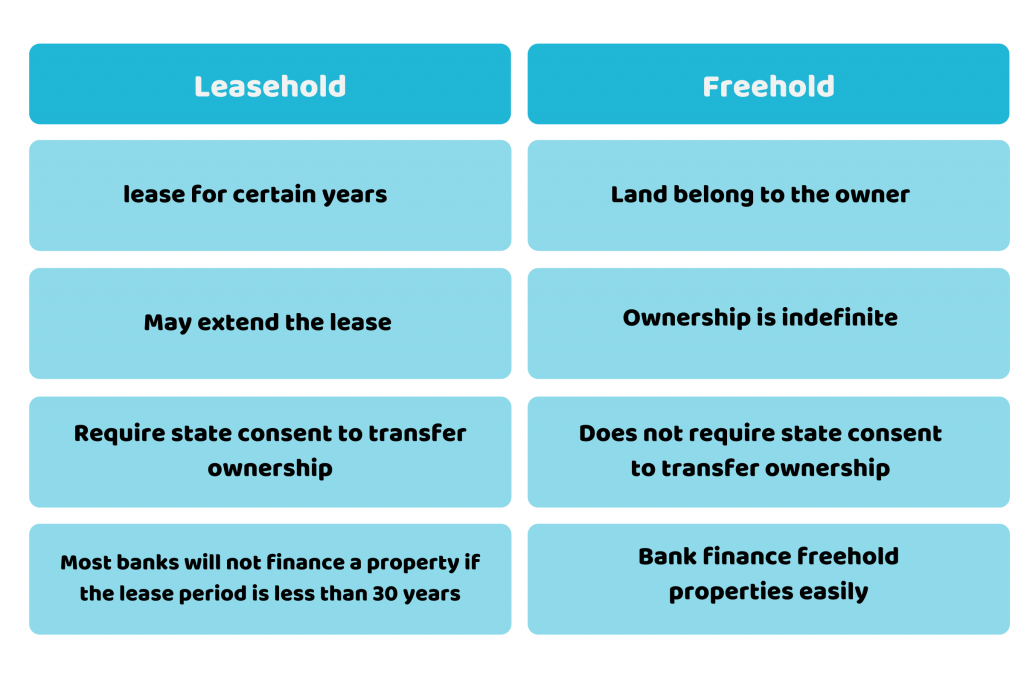
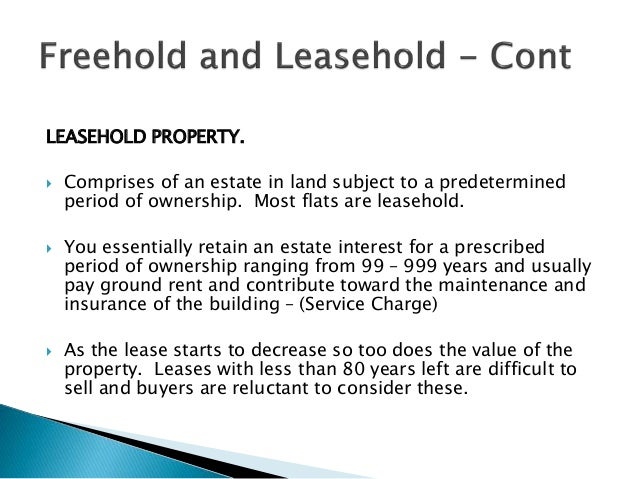
That’s the silly situation with a leasehold property. You own the building, but the ground beneath it is on a ticking clock, often for 99 or 125 years.
Meanwhile, your friend with a freehold owns the whole cake, the plate, and even the crumbs. They can do cartwheels on their lawn without asking anyone permission.
Must Read
The Great Tug-of-War
Leaseholders often feel like they’re playing a never-ending game of tug-of-war with a mysterious landlord. Want to change your windows? Ask first. Want a pet goldfish? Check the small print.
Every year, you pay ground rent, which is basically a fee for standing on your own driveway. It’s like paying a toll to use your own front door!
And as the lease gets shorter, the property value can shrink faster than a wet wool sweater. That’s where the hero of our story, merging titles, comes to save the day.

What on Earth Is Merging?
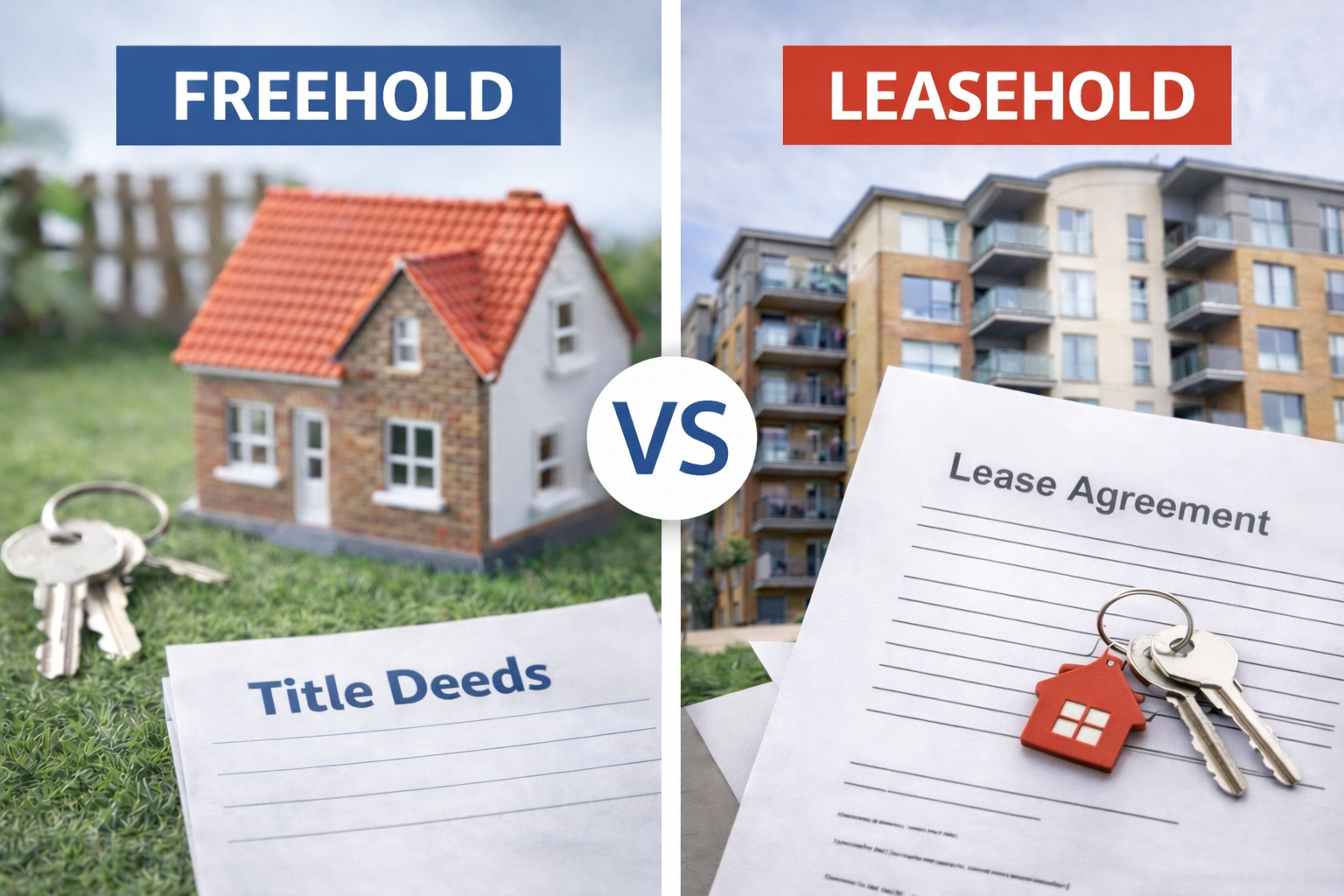
Merging freehold and leasehold titles is like magical glue for your property. It takes your leasehold (the bit you have for a limited time) and your freehold (the forever bit) and fuses them into one single, glorious ownership.
Once merged, you become the absolute ruler of your own mini-kingdom. No more ground rent, no more silly permissions, no more worrying about a countdown timer on your biggest asset.
Think of it as upgrading from a rental car to a classic car you own outright. Same vehicle, but dramatically different vibes.
The Recipe for Success
Now, here’s the good news: merging is often simpler than you’d fear. If you own both the leasehold and the freehold (yes, that happens!), you can ask the land registry to merge them.

It’s like having two puzzle pieces that you finally snap together. You don’t need a lawyer to perform a backflip; you just need to fill out a form (Form RX1 — sounds scary, but it’s just paperwork).
Sometimes, you might need to buy the freehold from a landlord first. That’s called enfranchisement, and it’s a bit like buying the restaurant’s secret recipe after years of ordering the same burger.
Why Bother? Let Me Count the Ways!
First, your property value gets a big, happy smile. A longer lease (or no lease at all!) makes buyers drool like dogs at a steakhouse.
Second, you unlock total freedom. Paint your front door neon pink? Sure. Build a treehouse with a rope ladder? Go for it. Dig a basement swimming pool? Well, maybe check local laws, but you get the point.
Third, you save money over time. Those annual ground rent payments stop, and you can redirect that cash to more important things—like a lifetime supply of biscuits.
A Word of Caution (Served with a Smile)
Don’t merge if you’re planning to sell next week; sometimes buyers like the split for weird tax reasons. But for most of us, merging is like hitting the “unchain” button on your property.
“Merging titles is the property equivalent of taking off a tight tie after a long day. Ahhh, relief.”
And here’s the cherry on top: the process doesn’t require a magic wand or a secret handshake. It’s mostly logic, forms, and a bit of patience.
Go Forth and Conquer Your Land
If this sounds exciting, that’s because it is! You’re not just merging paper—you’re merging your peace of mind.
So, grab a cuppa, have a chat with a local conveyancer, and ask about merging your titles. It’s a small step for paperwork, but a giant leap for your property’s freedom.
Before you know it, you’ll be strutting around your garden, whispering to the soil, “This is all mine. All mine.” (Just don’t let the neighbours hear you.)
Happy merging, you magnificent landowner, you!