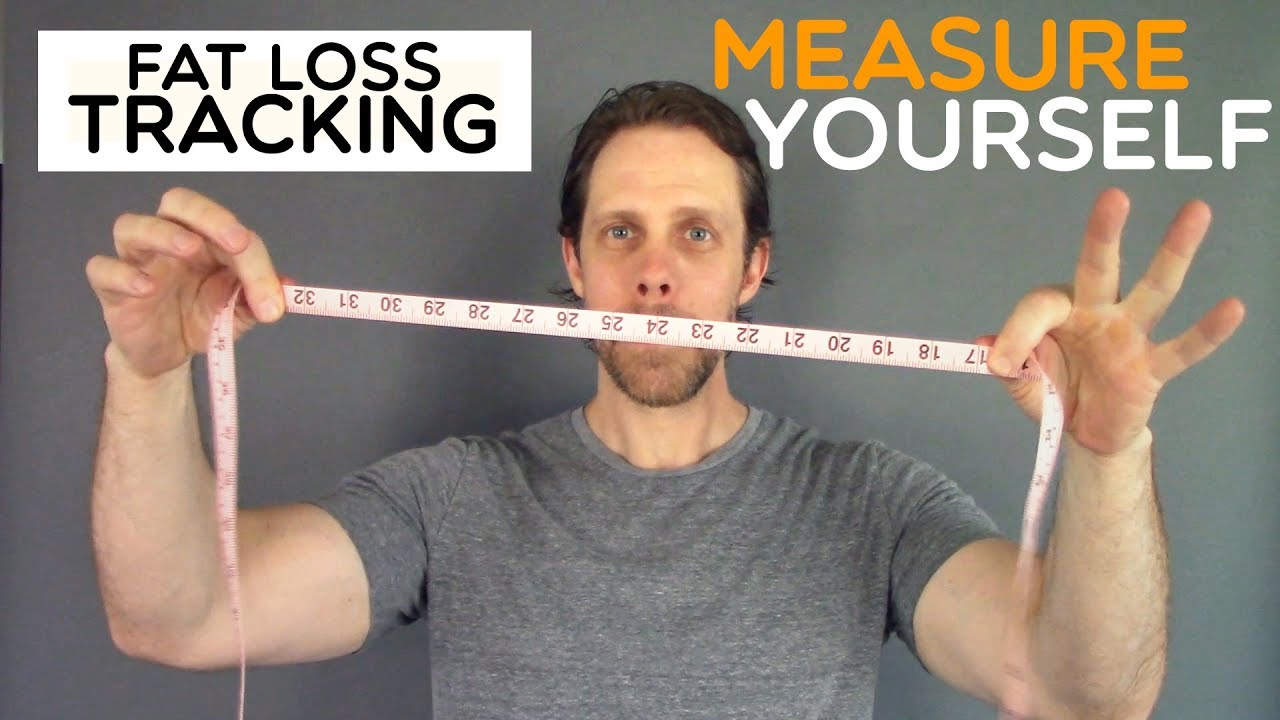
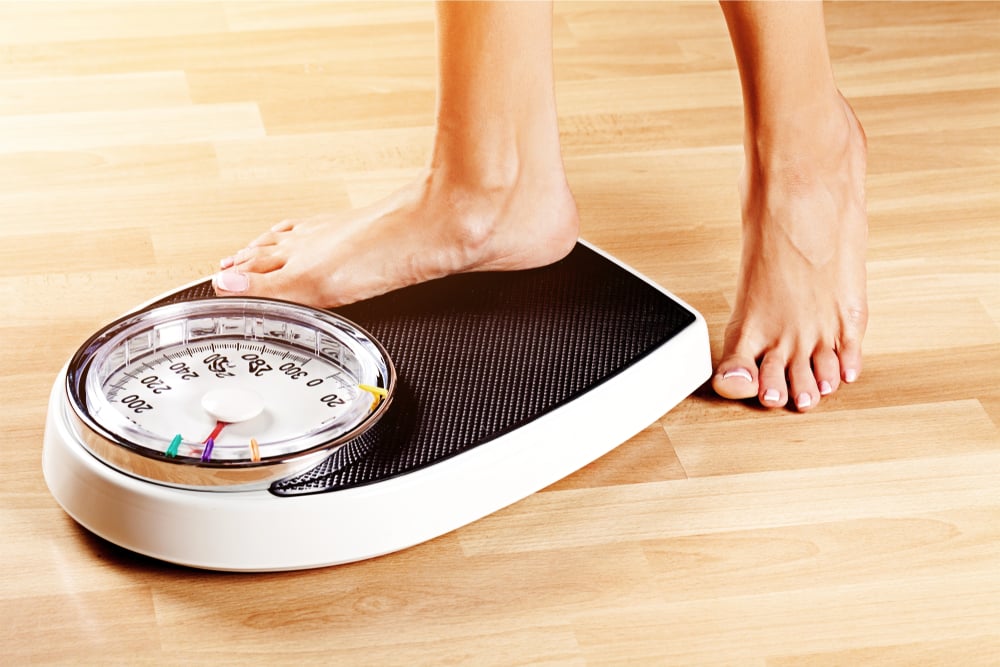
Measuring Yourself For Weight Loss
Let’s be honest—stepping on the scale can feel like a tiny daily drama. But measuring yourself for weight loss is actually less about the numbers and more about discovering your body’s unique story. It’s a fun, practical tool that turns a vague goal into a clear, motivating map.
For beginners, it’s your best friend because it shows real progress when the scale stubbornly refuses to move. For families, it’s a great way to turn health into a team challenge—think “who can add the most steps this week?” Hobbyists and fitness buffs use measurements to fine-tune their training, spotting which muscle groups need extra love.
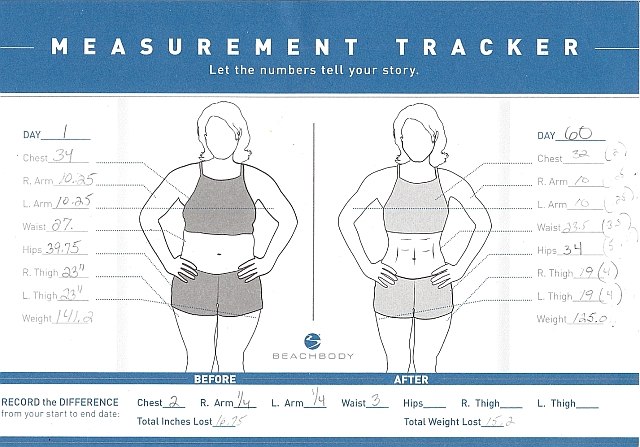
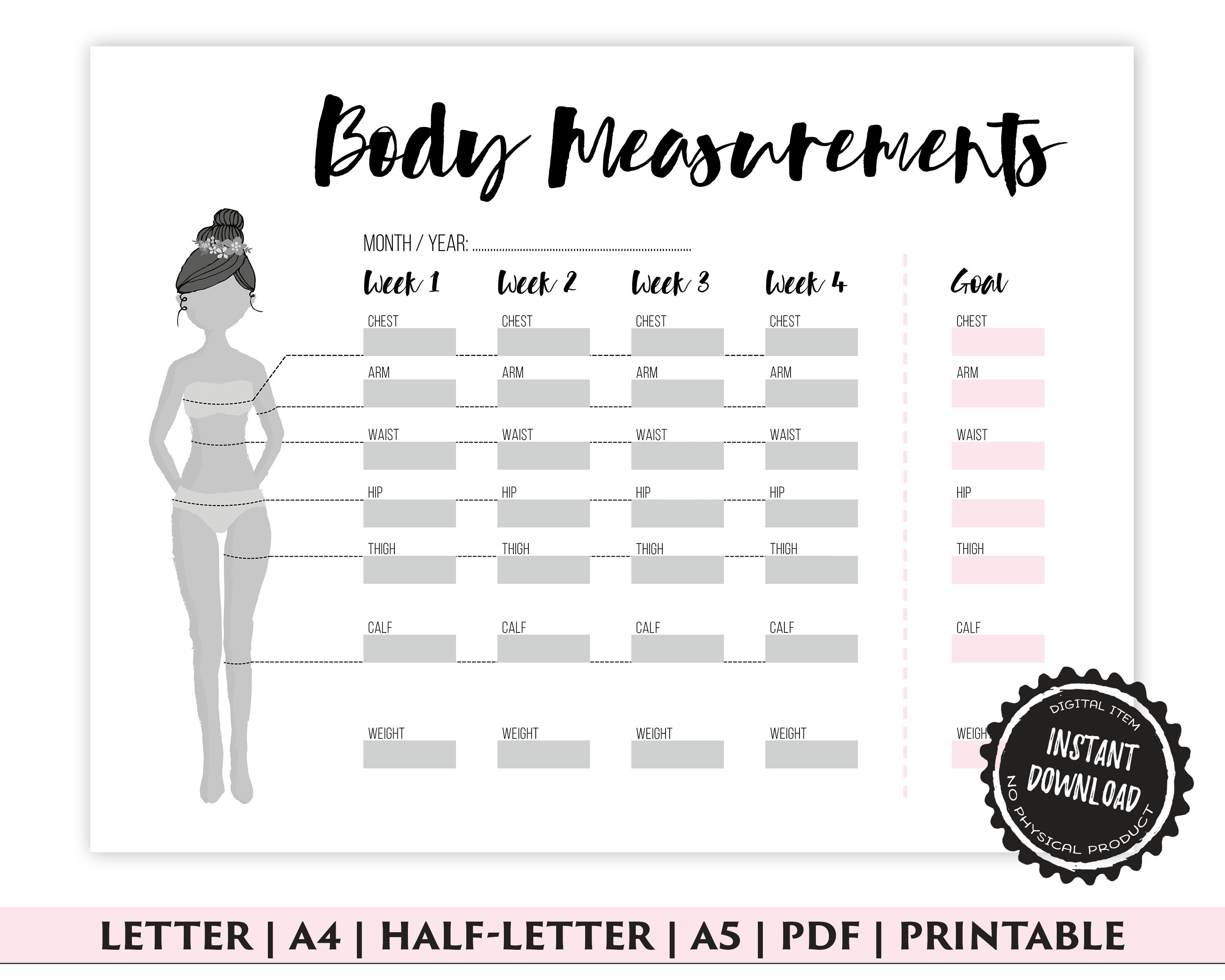
The beauty is that you don’t need fancy gadgets. A simple cloth tape measure works wonders. You can track your waist, hips, chest, arms, and thighs—five quick numbers that reveal changes in inches, not just pounds. That’s the secret sauce: fat loss often shows up as lost inches even when weight stalls.
Must Read
Here’s a fun variation: instead of measuring weekly, try a monthly “measurement party”. Grab a friend or family member, put on some upbeat music, and take each other’s numbers. Then compare them to last month’s—high-five every half-inch lost, and laugh at the belly that’s shrinking faster than your favorite jeans.
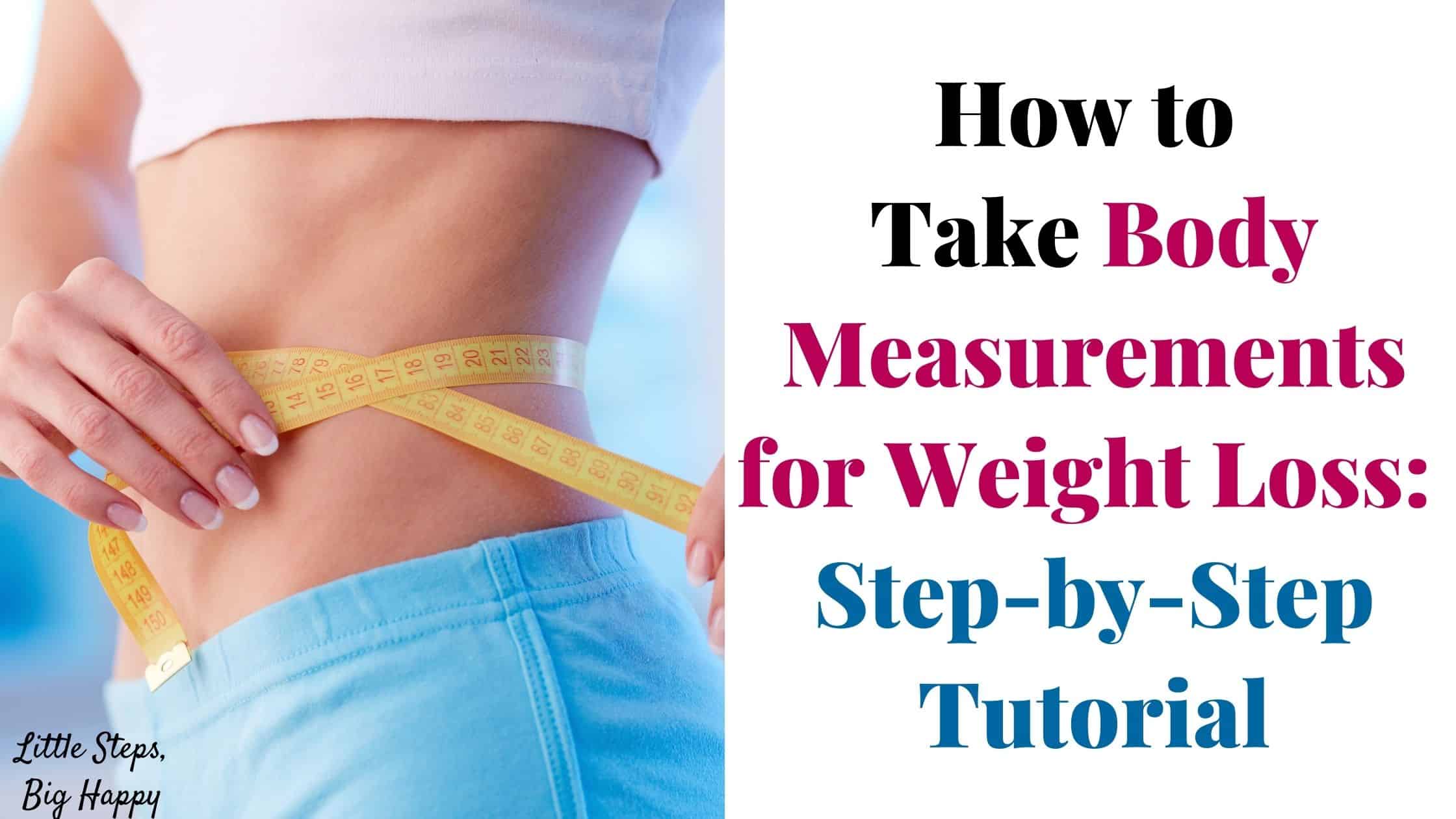
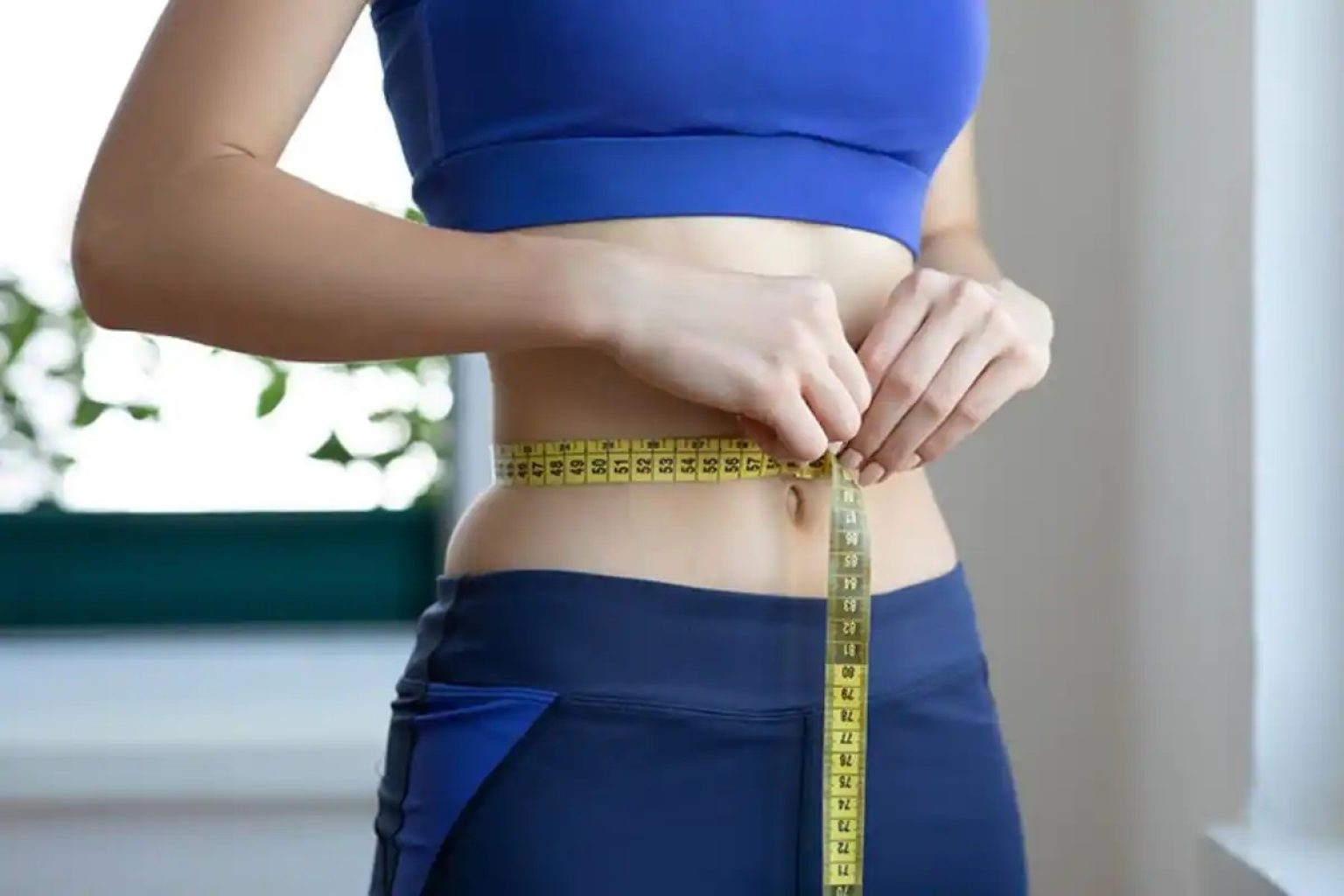
Now, for getting started, keep it dead simple. First, measure at the same time of day, ideally in the morning before eating or drinking, to keep things consistent. Second, wrap the tape snugly but not tight—you want it to touch skin without digging in. Third, write every number down in a notebook or a phone app, no cheating, because your memory is a liar.
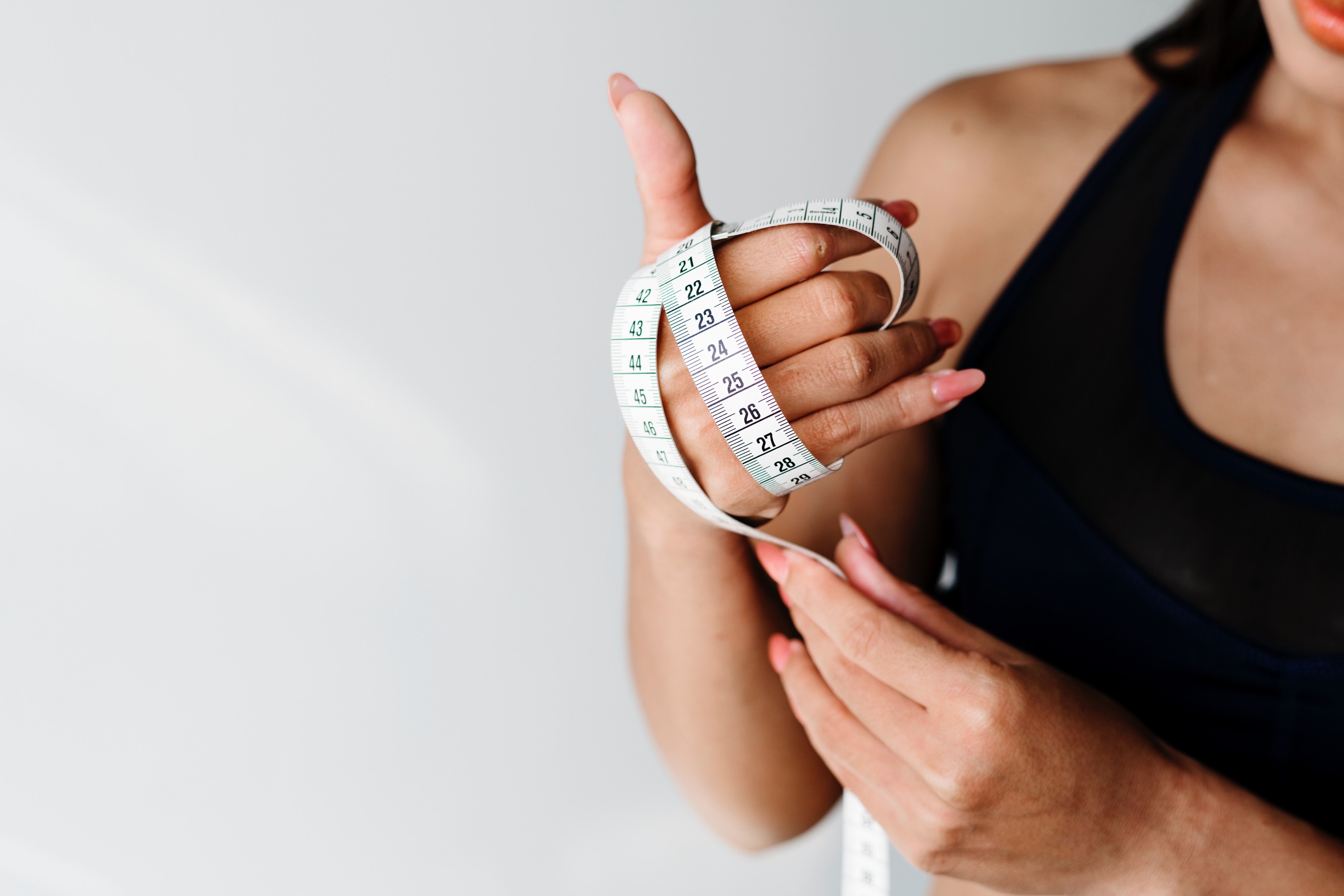
Another practical tip: don’t measure every day. Weekly is perfect because daily changes are mostly water and noise. Also, take three measurements per spot and use the average—this smooths out tiny errors. And remember, if the tape says you’ve lost an inch but the scale says you gained a pound, you’re probably building muscle, which is a huge win.
For families, make it a game with a small reward—like a movie night for the person with the biggest percentage change. For beginners, just pick two spots (waist and hips) to start, so you don’t get overwhelmed. And if you’re a hobbyist, try measuring your calf and forearm too—those are fun to watch grow with strength training.
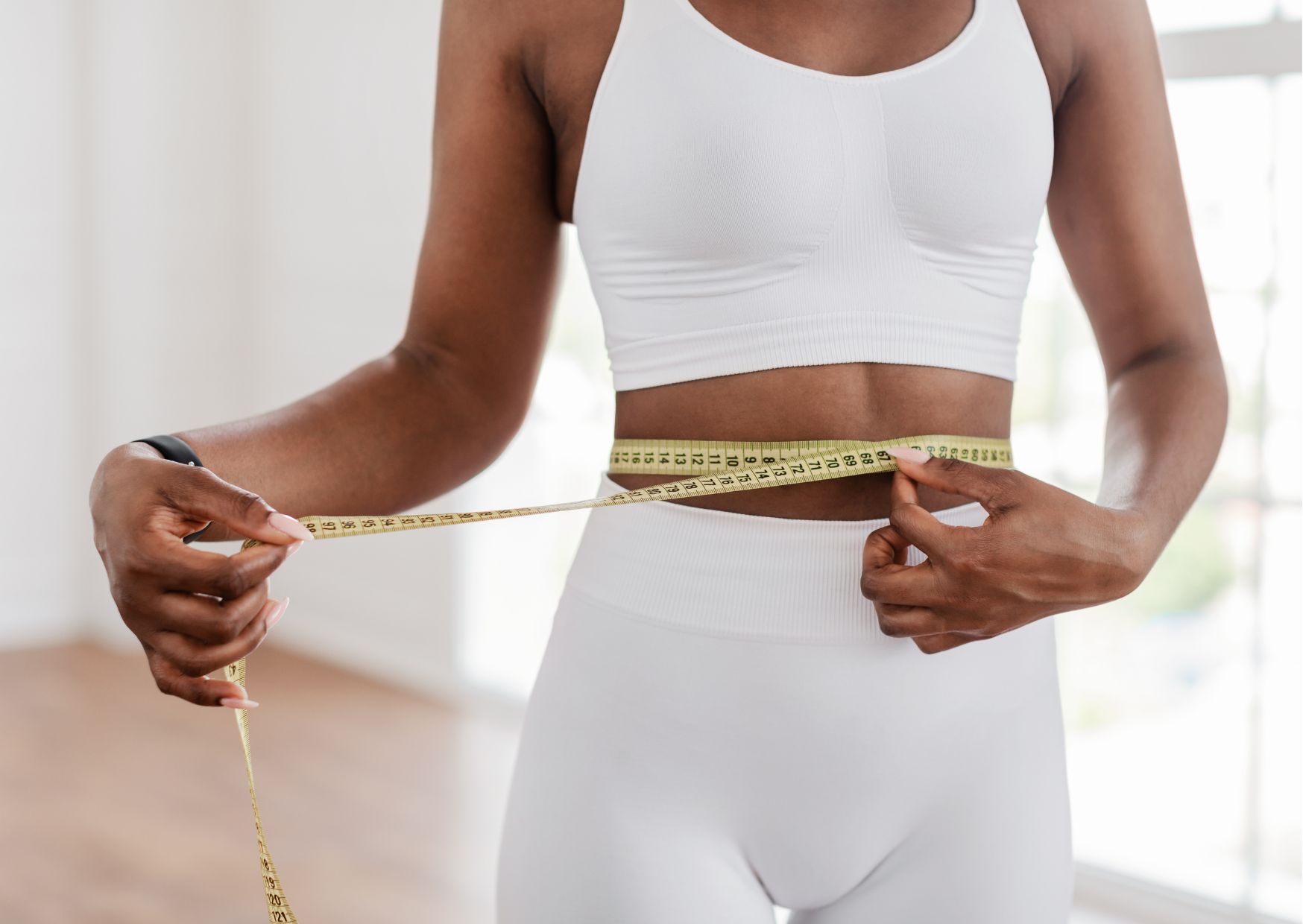
One more clever trick: take before-and-after photos in the same spot, wearing the same clothes, every four weeks. Visual proof beats numbers every time when you’re feeling discouraged. Pair that with your tape measurements, and you’ve got a complete picture of your journey.
So, grab your tape and a buddy, and make measuring a ritual, not a chore. It’s cheap, quick, and genuinely satisfying to see those numbers shrink while your energy climbs. The real value isn’t the digits—it’s the confidence you build with every tiny win you can actually feel and see.
Enjoy the process, laugh at the wobbly bits, and celebrate every half-inch. Measuring your way to a healthier you is less about perfection and more about showing up, curious and kind. That’s the easy-going secret: it’s not a test—it’s a treasure hunt for your own progress.