Manganese Oxide Empirical Formula
Ever stared at a pile of rocks and wondered what makes them tick? I do, constantly, and it usually leads me down a rabbit hole of chemistry. Today, let’s chat about something that sounds super academic—manganese oxide—but is actually hiding in plain sight, from your phone battery to a cave painting.
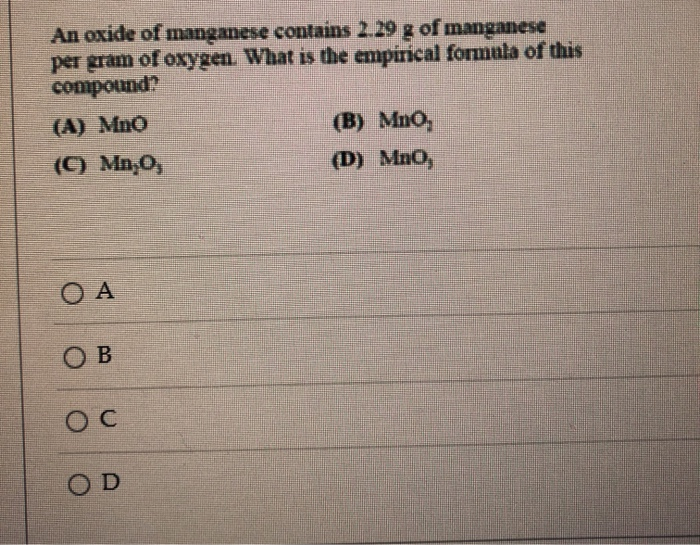
So, what’s the big deal about its empirical formula? In plain speak, that’s just the simplest whole-number ratio of atoms in a compound. For manganese oxide, the formula isn’t a single answer—it’s more like a choose-your-own-adventure story.
The Great Formula Debate
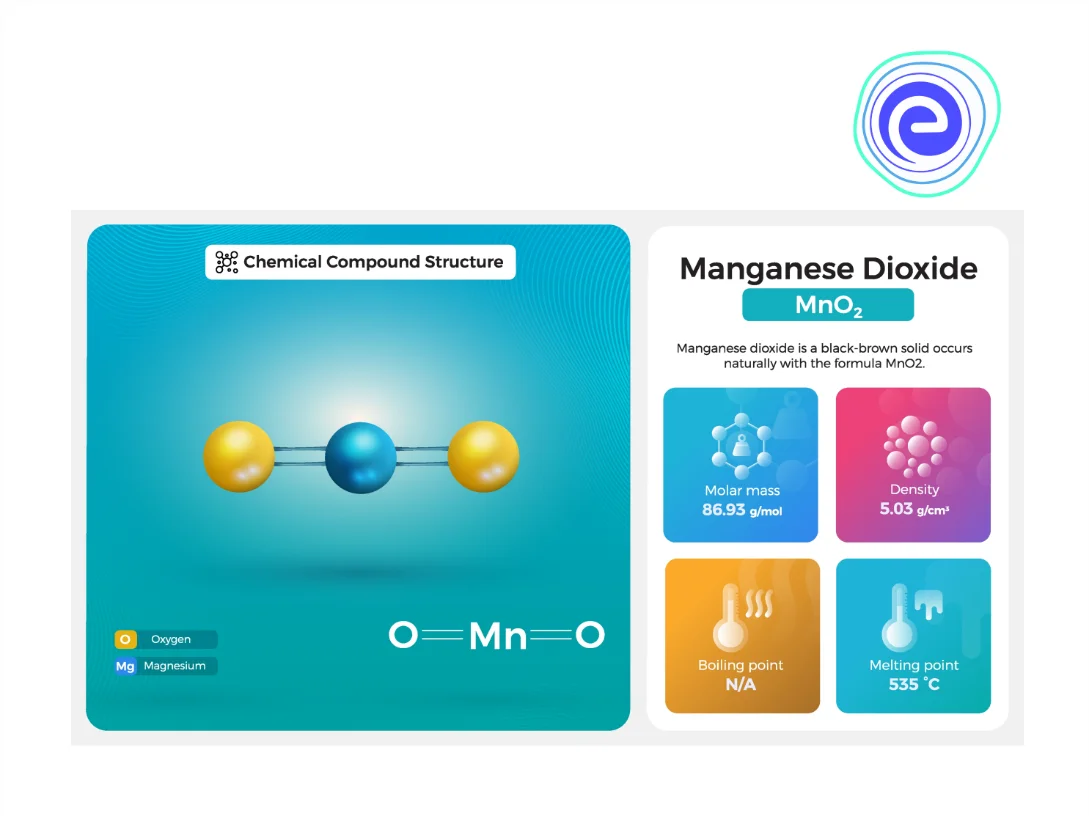
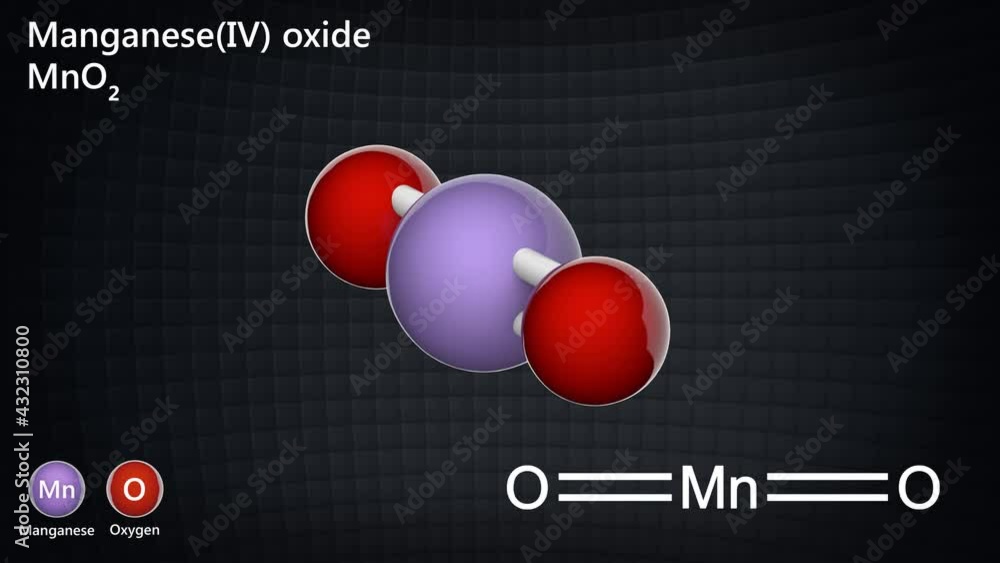
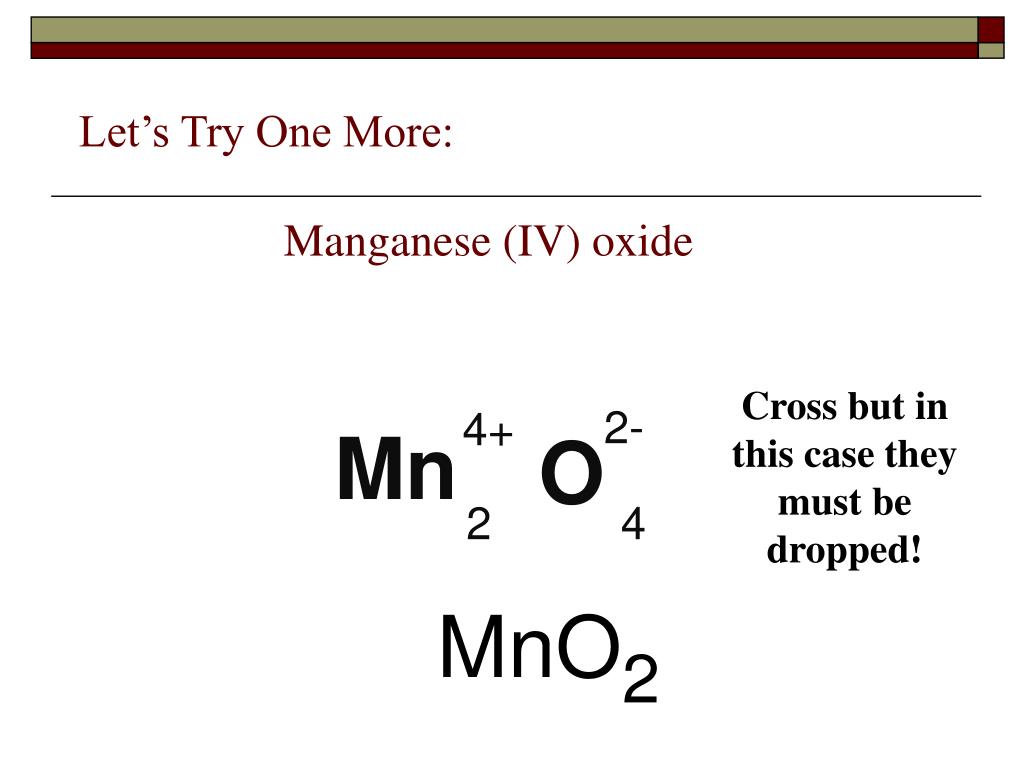
Manganese is a bit of a show-off; it likes to change its “oxidation state,” which is just a fancy way of saying it can lose different numbers of electrons. This means it can pair up with oxygen in several ways, creating different compounds with different formulas. You’ve probably seen MnO₂ on a battery label, but there’s also MnO, Mn₂O₃, and even Mn₃O₄.
Must Read
Why so many? Imagine you have a dance floor with manganese atoms. Depending on the music—heat, pressure, or the presence of other elements—they hold hands with oxygen atoms in different numbers. The empirical formula just captures that exact dance move, simplified to its rawest form.
Why Should You Even Care?
Here’s where it gets chill and kind of mind-blowing. That black powder inside your alkaline batteries? That’s MnO₂, and it’s the workhorse that helps store and release energy. Without it, your TV remote would be a heavy brick of dead weight.
But wait, there’s more. Think about ancient art—like, really ancient, from cave paintings 30,000 years ago. The black pigments those artists used? Often a form of manganese oxide. You’re literally looking at the original Instagram filter, crafted by nature and a bit of early human ingenuity.
The “Empirical” Trick
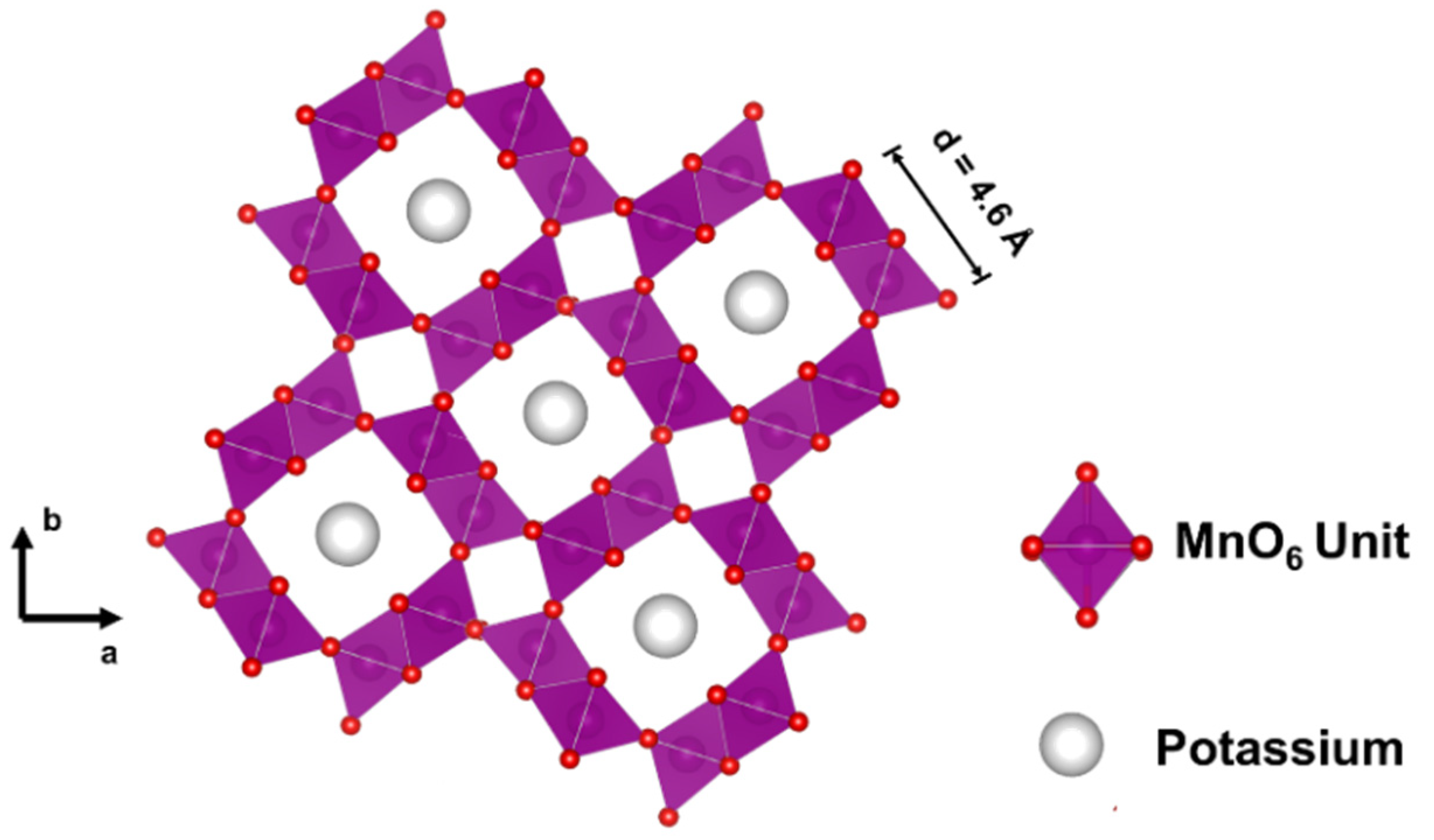
Here’s a fun twist: the empirical formula doesn’t tell you the actual molecule size. It’s like knowing the recipe for a pancake—flour, egg, milk—but not how many pancakes you’re making. For manganese oxide, the empirical formula might be MnO₂, but the real crystal structure could have millions of atoms stacked together. The formula is just the fingerprint, not the whole hand.
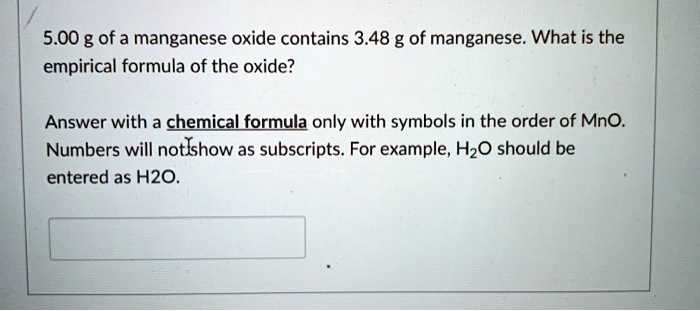
Chemists love this shortcut because it lets them compare different compounds without getting bogged down in giant molecular weights. It’s the “TL;DR” version of a chemical formula. And for something as versatile as manganese oxide, that shortcut is a lifesaver.
From Rock to Rockets
Here’s where the cool factor skyrockets. Scientists are experimenting with various manganese oxide formulas for supercapacitors and catalysts. Think of them as tiny sponges for electricity or microscopic traffic cops for chemical reactions. By tweaking the empirical formula—swapping a few manganese atoms for others—they can change how the material behaves entirely.

This isn’t just lab nerdery. These tweaks could lead to faster-charging batteries for your electric car or better ways to scrub pollution from factory smoke. So, that simple ratio of manganese to oxygen? It’s a tiny dial that can tune the whole universe of material properties.
So the next time you see a black rock, a battery, or an old painting, give a little nod to manganese oxide. It’s not just a chemical formula; it’s a shapeshifter, a power source, and a time machine all rolled into one. Who knew a little algebra with atoms could be so darn fascinating?