Lingerie For Full Figured Women
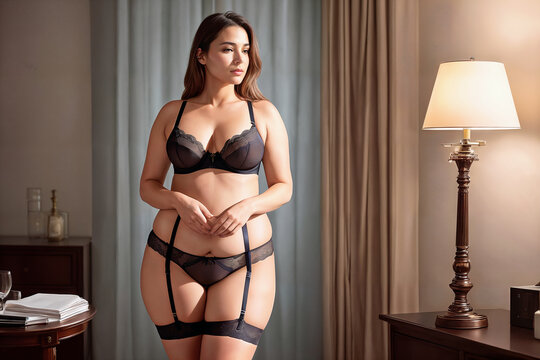
The world of lingerie for full-figured women has undergone a significant transformation over the years, marked by a journey from humble beginnings to a era of body positivity and inclusivity. It all began in the 19th century, when women's undergarments were purely functional and lacked the flair and sensuality we associate with lingerie today. The Industrial Revolution brought about mass production techniques, making lingerie more accessible to the general population. However, the focus remained on catering to the slender, idealized female form, leaving full-figured women with limited options.
As the 20th century unfolded, the lingerie industry started to acknowledge the diversity of female body types. The introduction of plus-size lingerie lines in the 1980s was a significant turning point, with brands like Frederick's of Hollywood and Lane Bryant offering a range of sizes and styles. Despite these advancements, the industry still had a long way to go in terms of providing high-quality, fashionable lingerie for full-figured women. The 1990s saw the rise of supermodels like Cindy Crawford and Naomi Campbell, who, although not plus-sized, helped shift the focus towards a more curvaceous and feminine ideal.
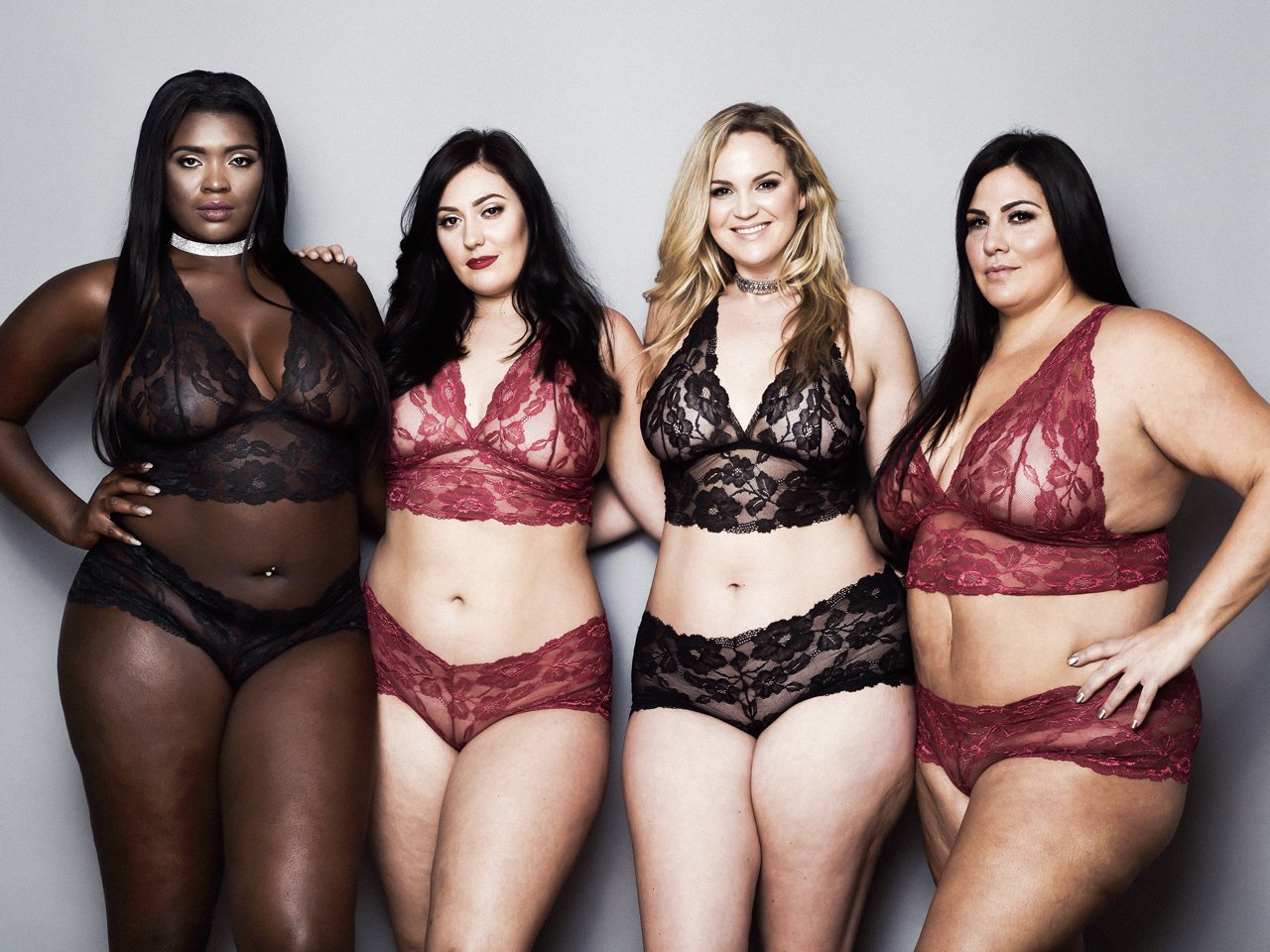
The early 2000s witnessed a resurgence of interest in vintage lingerie, with designers like Jean Paul Gaultier and John Galliano incorporating corsets and bustiers into their runway collections. This nostalgia for bygone eras inspired a new wave of lingerie designers to create pieces that were both retro-inspired and size-inclusive. The 2010s saw the emergence of body positivity movements, with activists like Ashley Graham and Danielle Brooks advocating for greater diversity in the fashion industry. As a result, the lingerie market began to cater more seriously to the needs of full-figured women, with brands like Savage X Fenty and Universal Standard offering size-inclusive lines that were both stylish and comfortable.
Must Read
- Heart Of Mexico City Football: Pinpointing The Azteca Stadium Location
- Guadalajara Stadium Parking Guide: Avoid The Matchday Traffic
- Houston Stadium Bag Policy: Clear Bag Rules For Visitors
- Sofi Stadium Capacity: How Many Fans It Can Hold
- Reliant Stadium Parking: A Guide To The Old Name And Current Venue
Evolution of Lingerie for Full-Figured Women
The evolution of lingerie for full-figured women has been marked by periods of stagnation and innovation. In the 1950s and 1960s, the introduction of synthetic fibers like nylon and polyester enabled the mass production of inexpensive, functional lingerie. However, these early synthetic undergarments lacked the comfort and aesthetic appeal of their modern counterparts. The 1970s and 1980s saw the rise of feminist movements, which led to increased awareness about body image and self-acceptance. Although these movements did not directly impact the lingerie industry, they laid the groundwork for future generations of women to demand greater inclusivity and diversity.
One of the most significant transformations in the lingerie industry occurred in the 1990s, with the introduction of the internet and e-commerce. Online shopping enabled full-figured women to browse and purchase lingerie from the comfort of their own homes, avoiding the often-intimidating experience of physical stores. This shift also facilitated the emergence of niche brands catering specifically to plus-size women, who could now find lingerie that fit their needs and preferences. The 2000s saw a resurgence of interest in luxury lingerie, with high-end brands like La Perla and Eres offering exquisite, handmade pieces that were both functional and beautiful.
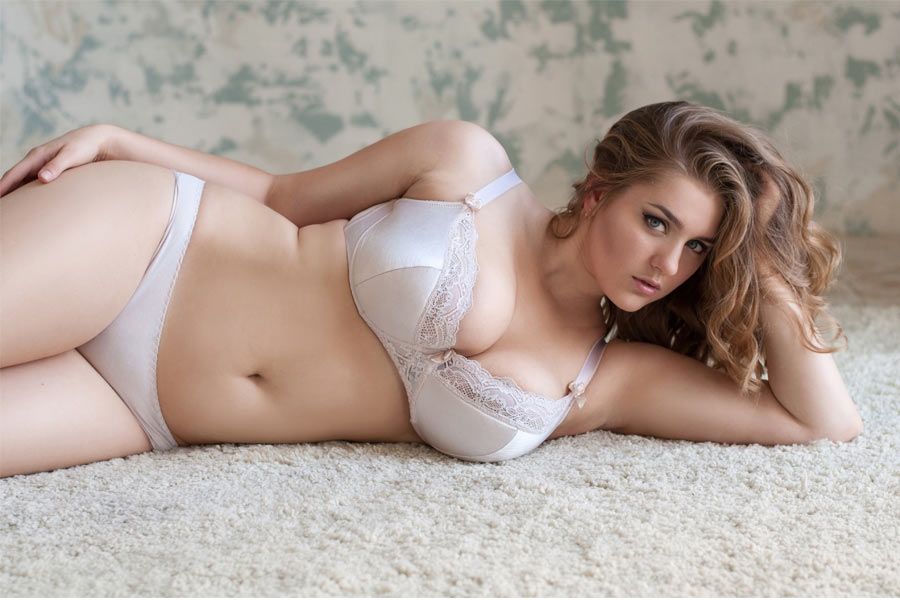
Despite these advancements, the lingerie industry has not been without its controversies. The 2010s saw widespread criticism of unrealistic beauty standards and lack of diversity in advertising campaigns. In response, brands like Dove and Aerie launched body-positive campaigns featuring real women, rather than airbrushed models. This shift towards greater authenticity and inclusivity has continued into the present day, with brands like Fenty and S Savage X Fenty pushing the boundaries of size and style in the lingerie market.
Forgotten vintage facts, such as the use of whalebone corsets in the 19th century or the flapper-era penchant for rayon stockings, demonstrate the often-bizarre ways in which lingerie has been treated in previous decades. The 1950s and 1960s saw the rise of girdles and corsets, which were often worn for extended periods, leading to discomfort and health problems. These historical examples highlight the importance of prioritizing comfort and practicality in modern lingerie design.
Modernizing Classic Principles
Classic principles of lingerie design are being hacked or modernized for today's fast-paced world. The rise of sustainable fashion has led to increased interest in eco-friendly lingerie brands, which prioritize environmentally responsible materials and production methods. Brands like Outerknown and Patagonia offer lingerie lines made from recycled materials, while others, like People Tree, focus on fair-trade practices and organic cotton. This shift towards sustainability reflects a growing awareness of the environmental impact of the fashion industry and a desire for more responsible consumption.
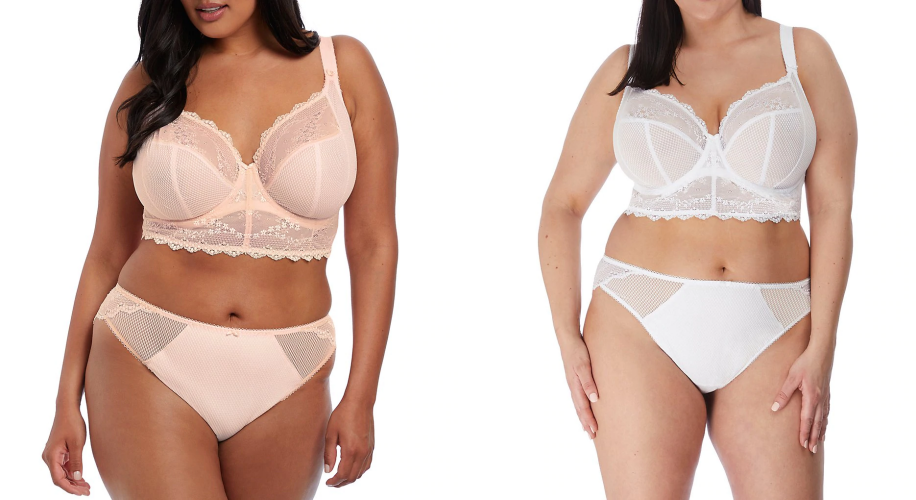
The internet and social media have also played a significant role in modernizing the lingerie industry. Online platforms like Instagram and TikTok have democratized the fashion landscape, enabling emerging designers and brands to showcase their work and connect with customers directly. This has led to a proliferation of niche brands catering to specific preferences and body types, such as plus-size, maternity, or adaptive lingerie. As a result, full-figured women can now find a wider range of stylish, comfortable lingerie options that meet their unique needs and preferences.
Frequently Asked Questions
What is the history of lingerie for full-figured women?
The history of lingerie for full-figured women is a long and complex one, marked by periods of neglect and innovation. In the 19th century, women's undergarments were purely functional, with little attention paid to aesthetics or comfort. As the 20th century progressed, the lingerie industry began to acknowledge the diversity of female body types, introducing plus-size lines and more inclusive sizing. Despite these advancements, the industry has continued to grapple with issues of body image, diversity, and inclusivity.
Today, the lingerie market offers a wide range of options for full-figured women, from high-end designer lines to affordable, fast-fashion brands. The rise of body positivity movements and social media has helped to promote greater diversity and inclusivity in the industry, with brands like Savage X Fenty and Universal Standard offering size-inclusive lines that cater to a broad range of body types. As the industry continues to evolve, it is likely that we will see even more innovative and inclusive approaches to lingerie design for full-figured women.
How has the lingerie industry responded to changing beauty standards?
The lingerie industry has responded to changing beauty standards in a variety of ways, from the introduction of plus-size lines to the promotion of body positivity and diversity in advertising campaigns. In the 1990s and 2000s, the industry began to acknowledge the importance of catering to diverse body types, with brands like Frederick's of Hollywood and Lane Bryant offering a range of sizes and styles. More recently, the rise of social media has enabled brands to showcase their commitment to diversity and inclusivity, with campaigns like #AerieREAL and #SavageX promoting unretouched images and diverse models.
Despite these advancements, the industry still has a long way to go in terms of promoting realistic beauty standards and diversity. Many brands continue to prioritize traditional beauty ideals, with slender, airbrushed models dominating advertising campaigns. However, as consumer awareness and demand for greater diversity continue to grow, it is likely that the industry will respond with even more inclusive and body-positive approaches to lingerie design and marketing.
What does the future hold for lingerie for full-figured women?
The future of lingerie for full-figured women holds much promise, with advancements in technology, sustainability, and diversity set to shape the industry in the years to come. As consumers become increasingly aware of the environmental impact of their purchasing decisions, eco-friendly lingerie brands are likely to gain popularity. The rise of 3D printing and body scanning technologies will also enable greater customization and accuracy in lingerie design, allowing full-figured women to find pieces that fit their unique body shapes and preferences.
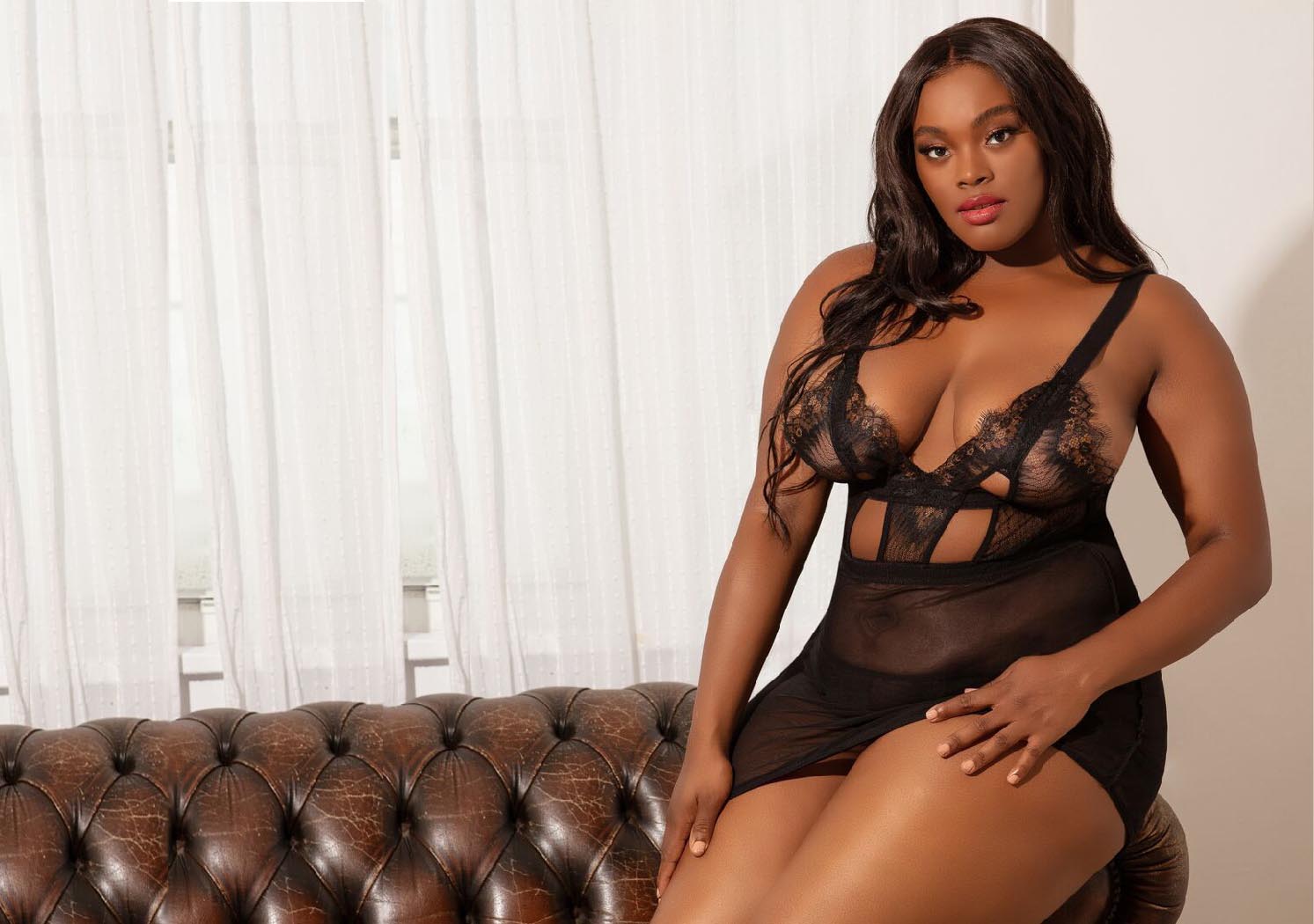
In terms of diversity and inclusivity, it is likely that the industry will continue to prioritize body positivity and realistic beauty standards. Brands like Fenty and Savage X Fenty have already pushed the boundaries of size and style in the lingerie market, and it is likely that other brands will follow suit. As the industry continues to evolve, we can expect to see even more innovative and inclusive approaches to lingerie design for full-figured women, from adaptive and maternity lines to sustainable and eco-friendly collections.
As we look to the future, it is clear that the world of lingerie for full-figured women will continue to evolve and adapt to changing consumer needs and preferences. With advancements in technology, sustainability, and diversity on the horizon, it is likely that the industry will become even more inclusive and body-positive in the years to come. As full-figured women, we can expect to find a wider range of stylish, comfortable, and sustainable lingerie options that cater to our unique needs and preferences.
In the next 20 years, we can expect to see a proliferation of niche brands catering to specific preferences and body types, from plus-size and maternity lines to adaptive and sustainable collections. The rise of social media and e-commerce will continue to democratize the fashion landscape, enabling emerging designers and brands to showcase their work and connect with customers directly. As a result, full-figured women will have greater access to stylish, comfortable, and affordable lingerie options that meet their unique needs and preferences.