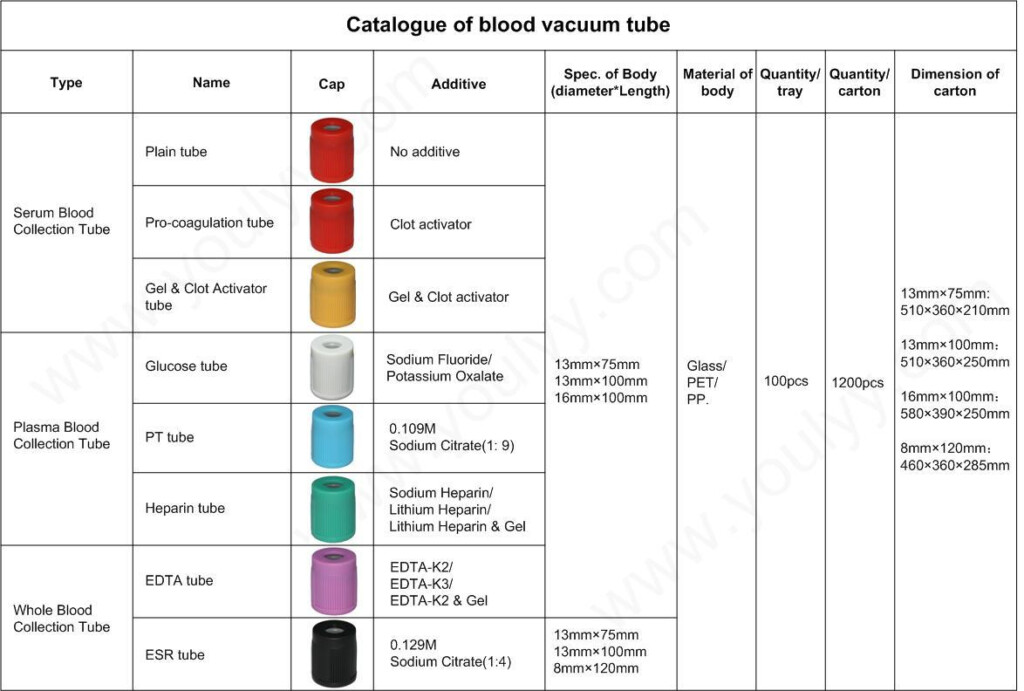
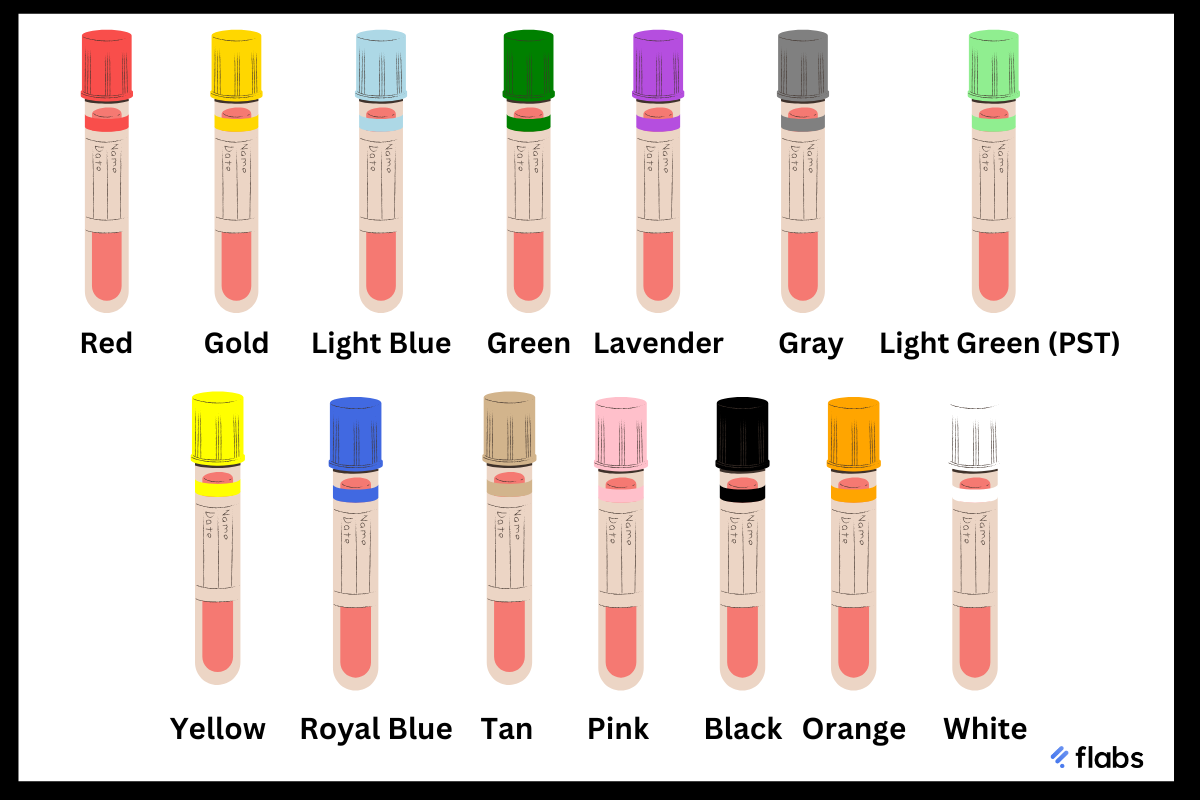
Lead Blood Test Tube Color Quest

In the hushed, fluorescent-lit world of clinical diagnostics, where precision is paramount and chaos is meticulously controlled, a seemingly mundane object holds the key to unlocking a silent, centuries-old foe: the blood collection tube. While most of us gaze at the phlebotomist’s tray with a mix of dread and indifference, the color of the tube’s stopper—a tiny plastic cap—is a coded language whispered between healthcare professionals. Among this chromatic lexicon, the royal blue tube, or the tan-top tube, holds a particularly grim and fascinating mandate: the detection of lead. This is the Lead Blood Test Tube Color Quest, a journey not through ancient tombs, but through the intricate labyrinth of our own venous system and the industrial ghosts that haunt our bodies.
The quest is not about finding a literal object, but about understanding how a specific piece of plastic enables us to unmask an invisible poison that has plagued humanity since the Romans sweetened their wine with lead acetate. Today, lead poisoning is not a relic of the past; it is a present-day environmental justice issue, a silent epidemic that disproportionately affects children in older housing and communities near industrial sites. The humble lead tube, often with a royal blue or tan top containing K2EDTA or sodium heparin, is our modern-day divining rod. It is specifically manufactured to be free of trace metals, ensuring that the tube itself doesn't contaminate the sample with the very heavy metals we’re trying to measure. This precision is the first, and most critical, step in a diagnostic quest that can change a child’s cognitive trajectory or safeguard a factory worker’s future.
The Alchemy of the Stopper: More Than Just a Color
To the untrained eye, a royal blue top is just a cheerful hue against the stark white of a lab coat. To a clinical chemist, it is a fortress against contamination. Standard tubes, even those with pristine interiors, can leach trace amounts of metal ions—zinc, copper, lead—from the glass or plastic itself. For a standard lipid panel, this is negligible noise. But for lead, where the threshold for concern in a child is a mere 3.5 micrograms per deciliter, this background noise could be a false positive that sends a family into a panic. The industry’s answer was to create a "trace element" tube, where the stopper is meticulously manufactured, and the interior is certified to contain virtually zero measurable lead. This is a tale of obsessive purity, where the vessel itself must vanish from the equation to let the truth be told.
Must Read
Culturally, the lead test has a dark, cinematic allure. It is the silent protagonist in hundreds of legal thrillers and true-crime documentaries, the evidence that reveals a landlord’s negligence or a factory’s toxic spill. Think of films like Erin Brockovich, where the discovery of chromium is the catalyst, but the blood lead test is the daily, grinding reality for the affected families. The quest for the correct tube is a quiet ritual that separates a rigorous investigation from a flawed one. A phlebotomist drawing blood for lead must be particularly careful not to use a standard lavender-top tube for a lead test, unless explicitly requested for a capillary sample, because the sheer act of choosing the wrong plastic can invalidate the entire diagnostic exercise, leading to misdiagnosis and a shattered sense of security.
Psychologically, the lead tube represents a profound shift from trust in anecdote to trust in data. In the 19th century, "plumbism" was a mysterious ailment affecting artists and industrial workers, diagnosed by a constellation of vague symptoms like colic and pallor. Today, the royal blue tube turns these symptoms into hard numbers. It transforms a fear—the fear that your tap water might be poisoning your child—into a measurable, actionable enemy. The tube doesn't just carry blood; it carries a narrative of environmental exposure, a snapshot of our personal geography. It forces us to confront the uncomfortable truth that while we have built an incredible industrial civilization, its byproducts now circulate in the bloodstreams of our most vulnerable populations. The color of the cap is a promise that we are looking closely, even when the world around us feels opaque.
Navigating the Quest: Scenarios and Actionable Wisdom
Imagine a young family moving into a charming 1920s craftsman house in Portland. The paint is chipped and layered like a geological core sample, and beneath the renovations lies the original lead-based paint. The pediatrician, alert to the high-risk zip code, orders a blood lead test. The phlebotomist, a seasoned veteran, selects the royal blue tube with K2EDTA. She does not wipe the patient's skin with an alcohol swab alone; she knows that environmental dust on the skin can contaminate the sample, so she uses a special liquid soap or a pre-packaged, lead-free wipe. The tube is filled, gently inverted, and immediately sent to the lab. The result: 6.2 µg/dL. The quest doesn't end with the test; it begins a cascade of home inspections, public health interventions, and dietary adjustments (calcium and iron are known to reduce lead absorption). The tube was the starting gun.

Consider a second scenario: a veteran welder in a shipyard, who has spent 30 years breathing in fumes from alloys that often contain lead. He is part of a mandatory OSHA surveillance program. The doctor orders a test. Here, the tan-top tube (containing Sodium Heparin for plasma) is often used to ensure a fast, accurate result without clot activation interference. The critical takeaway for the patient is not just the number, but the trend. A single elevated result might be a transient exposure; a rising trend over six months signals a serious, ongoing occupational hazard. The actionable insight is not merely to switch jobs, but to demand better ventilation, use P100 respirators, and understand that the body accumulates lead in the bones, releasing it years later during osteoporosis or pregnancy. The lead tube is the guardian of occupational health, holding a mirror to the factory floor.
For the average reader, the actionable takeaway is more nuanced. First, never let a phlebotomist use a non-trace element tube for a lead test. If you’re getting tested, ask specifically if the lab is using the "royal blue" or "tan" top. Secondly, understand the difference between capillary (finger-prick) and venous draws. Capillary draws are convenient for children but are notoriously prone to contamination from skin residue. If a capillary result is borderline elevated, a venous draw in the appropriate tube is the gold standard for confirmation. Third, know your home. In the U.S., HUD guidelines suggest testing homes built before 1978, but especially before 1960, for lead paint dust. The cost of a blood test is negligible compared to the lifelong cost of cognitive impairment. Finally, do not panic. A mildly elevated level (under 10 µg/dL) in adults often requires simple lifestyle changes and re-testing. In children, it requires swift but measured intervention. The quest is about data, not despair.
Finally, consider the global perspective. In many developing nations, the lead tube is a luxury. The World Health Organization estimates that over 800 million children have blood lead levels above 5 µg/dL. Often, they cannot access the specialized vacuum-sealed tubes, so they use standard tubes, yielding unreliable results that either underreport the crisis or produce false alarms. This disparity turns the "Quest" into a geopolitical issue. The royal blue tube is not just a medical supply; it is a symbol of privilege in a world where the poorest communities often live closest to toxic waste sites. Nongovernmental organizations like Pure Earth are working to change this by establishing low-cost lead testing facilities, but the challenge remains immense. The quest, therefore, is also a humanitarian one.
Frequently Asked Questions on the Lead Blood Test Tube
Why does the lead test need a special tube, and can't a regular purple top be used?
This is the fundamental question of our quest. The purple-top tube (EDTA) is fantastic for a Complete Blood Count, but it is not manufactured to strict limits for trace metal contamination. The stopper rubber and the glass walls of a standard tube can leach trace amounts of metals, including lead, zinc, and copper, into the blood sample over time. For a CBC, this is irrelevant because the cells are counted, not the heavy metal content. But for a lead assay, where the healthy range is measured in single-digit micrograms per deciliter, a tiny contaminant from the tube could produce a falsely elevated reading, leading to an unnecessary medical intervention or a stressful investigation by the health department. The royal blue or tan top tubes are manufactured using specialized resin or additive systems that have been certified to have no detectable levels of heavy metals, ensuring that the analysis measures the patient's blood—not the container it sat in.
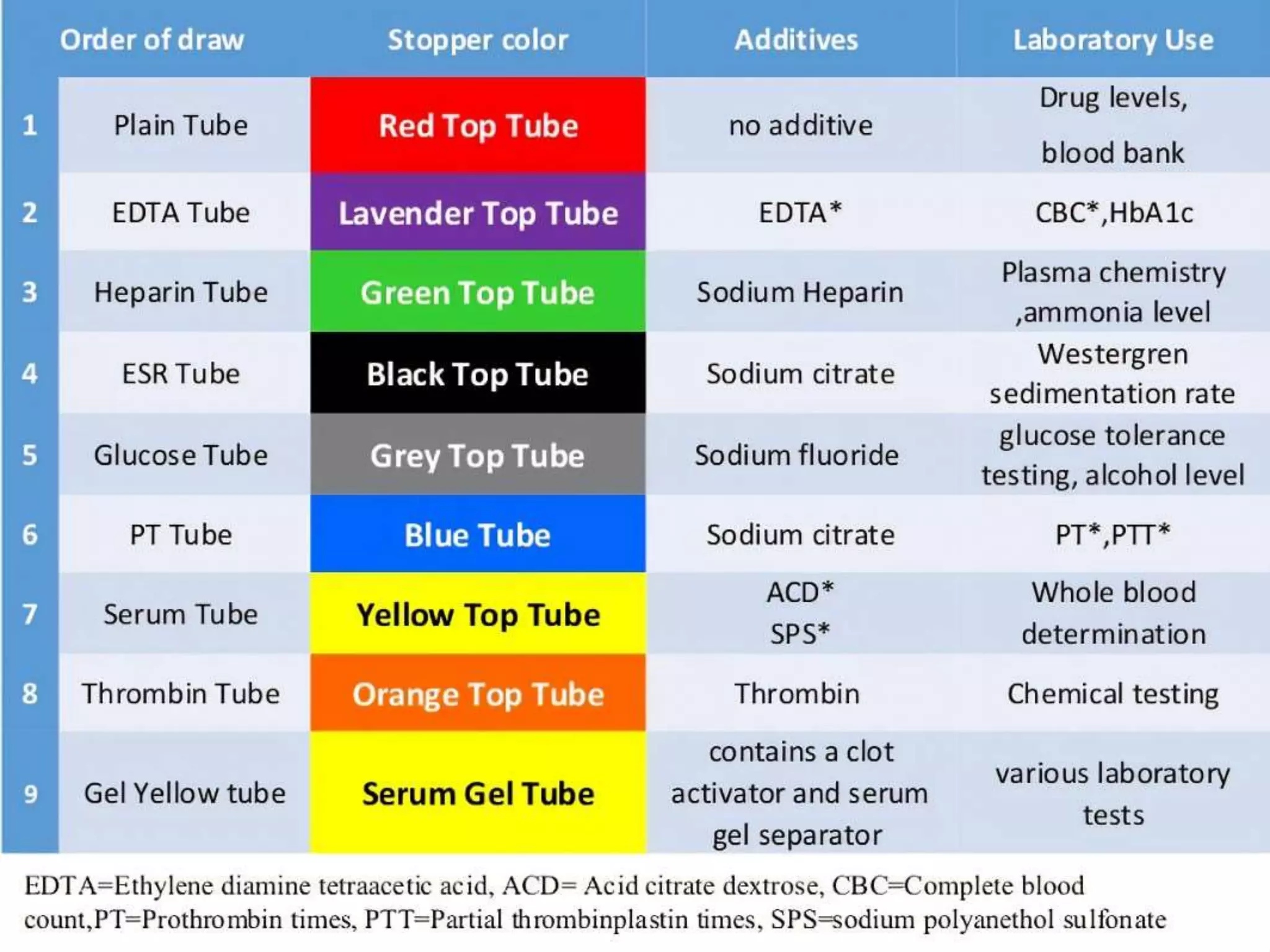
Think of it like this: you wouldn't use a rusty bucket filled with dirt to test the purity of mountain spring water. The tube is the bucket, and the blood is the water. The "special" tube is a sterile, inert crystal flask. Furthermore, the type of anticoagulant matters. For a whole blood lead analysis, the K2EDTA or sodium heparin is used to prevent clotting, but the critical difference is the absence of metallic co-additives. This meticulous attention to detail is the backbone of the entire diagnostic process. Using a standard tube is not just a minor lab error; it is a narrative breach that can invalidate the trust we place in medical science.
What do the different colors of trace element tubes (e.g., royal blue vs. tan) mean for my test?
The color difference often indicates the type of anticoagulant or the intended testing method. A royal blue tube may contain no additive (clot activator) for serum trace element testing, or it may contain K2EDTA for plasma or whole blood testing. For lead, the royal blue with K2EDTA is common. The tan top tube is exclusively designed for lead testing and typically contains sodium heparin, a very clean anticoagulant that does not interfere with complex chemistry analytes. In practice, the choice between them often depends on the specific laboratory analyzer being used and whether they prefer plasma (from a tan top) or whole blood (from a royal blue).
From the patient's perspective, you can't control which one they use; that is the lab's prerogative. However, knowing these nuances helps demystify the process. The crucial point is that any trace-element-specific tube avoids the "matrix effect"—where the tube material interferes with the test's chemical reaction. It is a matter of laboratory standardization. Some labs might use a royal blue for a panel that checks multiple heavy metals (lead, mercury, cadmium) in one go, while the tan top is specifically validated only for lead. The result should be equivalent if the proper tube is used, but the tan top is often considered the "gold standard" for isolated lead testing due to its dedicated design.
Can a finger-prick (capillary) sample be used for a lead test, and is it as accurate?
Capillary sampling is an incredible tool for pediatric care, and yes, it can be used for lead testing. However, it carries a significantly higher risk of contamination and dilution. When you prick a finger or heel, the first drop of blood is often mixed with tissue fluid, and the skin surface can contain lead dust that is incredibly difficult to remove. Modern protocols require the phlebotomist to wash the site thoroughly with a liquid soap, rinse it well, and then wipe it with an alcohol-free pad (to avoid hemolysis). The first drop is wiped away, and subsequent drops are collected into a tiny, specialized capillary tube.

The dark truth is that capillary testing for lead has a historical reputation for high rates of false positives. A child playing in a dusty corner could easily have microscopic lead particles on their skin, and despite the most diligent washing, a false positive can occur. Consequently, the clinical practice standards are strict: if a capillary result comes back above the CDC reference value of 3.5 µg/dL, a venous blood draw using the trace-element tube is mandatory to confirm the diagnosis. The finger-prick is a screening tool, not a diagnostic certainty. It is fast, cheap, and less painful—the mobile phone camera of lead testing. The venous royal blue tube is the high-resolution digital camera that provides the definitive image.
What is being tested for, exactly, and how do the results interpret "safe" levels?
The test measures the concentration of lead in whole blood. This tells us the amount of lead that is being actively transported in the bloodstream from the bone and soft tissues to the kidneys and liver for excretion. However, this is a dynamic pool. Most of the body's lead burden (over 90% in adults) is stored in the bones, where it is inert but can be released during periods of high bone turnover. Therefore, a blood lead test only reflects recent exposure (over the last 30-60 days) and the equilibrium between bone release and urinary excretion. It is a snapshot, not a full biography.
For adults, the OSHA standard dictates removal from exposure if a single blood lead level exceeds 60 µg/dL, or if the average of the last three samples is over 50 µg/dL. For children, the CDC uses a "Blood Lead Reference Value" of 3.5 µg/dL. This is not a "safe" level—medical science agrees there is no safe level of lead in the blood—but rather a statistical cut-off to identify children with higher levels than 97.5% of the population. Above this value, public health officials will intervene. The quest is to get that number to zero, understanding that even low levels (1-2 µg/dL) can cause measurable declines in IQ and impulse control. The interpretation is a balancing act between acute toxicity, chronic storage, and the urgent need for remediation.
Are there any lifestyle factors that can skew a lead blood test result?
Yes, while the sample collection and tube are critical, pre-analytical factors related to the patient’s life can influence results. The most significant is recent exposure through diet or environment. Eating foods or drinking liquids from improperly glazed ceramic pottery equipped with lead glaze, or consuming imported candy wrapped in lead-containing paper, can cause a transient spike. Similarly, using certain traditional remedies (like Ayurvedic medications or Mexican folk remedies like greta and azarcon) known to contain lead can cause false elevations. Alcohol consumption, ironically, can increase lead absorption due to its effect on intestinal permeability, although this is more relevant for chronic levels than a single test.

Additionally, the timing of the test in relation to recent exposure matters. If you've been renovating an old house and sanding down old paint the day before the test, your blood level will be artificially elevated. The half-life of lead in blood is approximately 30 days, so a single exposure will show a peak and then decline. For occupational monitoring, consistent testing schedules are essential to differentiate between high, one-off exposures and chronic, low-level accumulation. Therefore, it is critical to inform your doctor about any recent home improvement projects, hobbies like stained glass making, or consumption of imported goods before the blood draw. This contextual information turns the numerical result into a narrative, allowing the doctor to interpret the "why" behind the "what."
This color-coded quest is a profound metaphor for the human struggle against our own creation. We have built a world of materials and conveniences, and the lead tube is the humble instrument that audits the cost. It forces a conversation about equity—who gets to live in lead-free environments and who does not. It binds us together in a biological reality, reminding us that our bodies are not independent fortresses but permeable ecosystems, constantly exchanging molecules with the dust, water, and soil around us.
In our daily lives, we rarely contemplate the mechanics of our own blood draws. We look away when the needle goes in, and we leave with a band-aid, never thinking about the coded colors of the vials lined up like soldiers on a tray. Yet, each color tells a different story. The red top tells a story of antibodies and liver enzymes; the green top tells a story of electrolytes and metabolic function. But the royal blue and tan tops tell the darkest, most important story of industrial residue—a story of pipes, paint, and progress. It’s a narrative that still writes itself in the bodies of millions of children who drink contaminated water in Flint or chew on window sills in decaying public housing.
Ultimately, the Quest for the Lead Blood Tube is a quest for accountability. It is a reminder that human nature is both brilliantly innovative and dangerously shortsighted. We invent leaded gasoline to stop engine knocking, and we never think about the fallout until decades later, when we are testing the blood of a whole generation for its toxic legacy. The tube is our tool of correction, a physical manifestation of "better late than never." So, the next time you are in the clinic and see that phlebotomist reach for a tube with a blue or tan cap, take a breath. That small piece of plastic is a sentinel, standing guard against a silent, ghost-like enemy that our ancestors were too unaware to see, and that we, with our advanced science, must remain vigilant to vanquish.