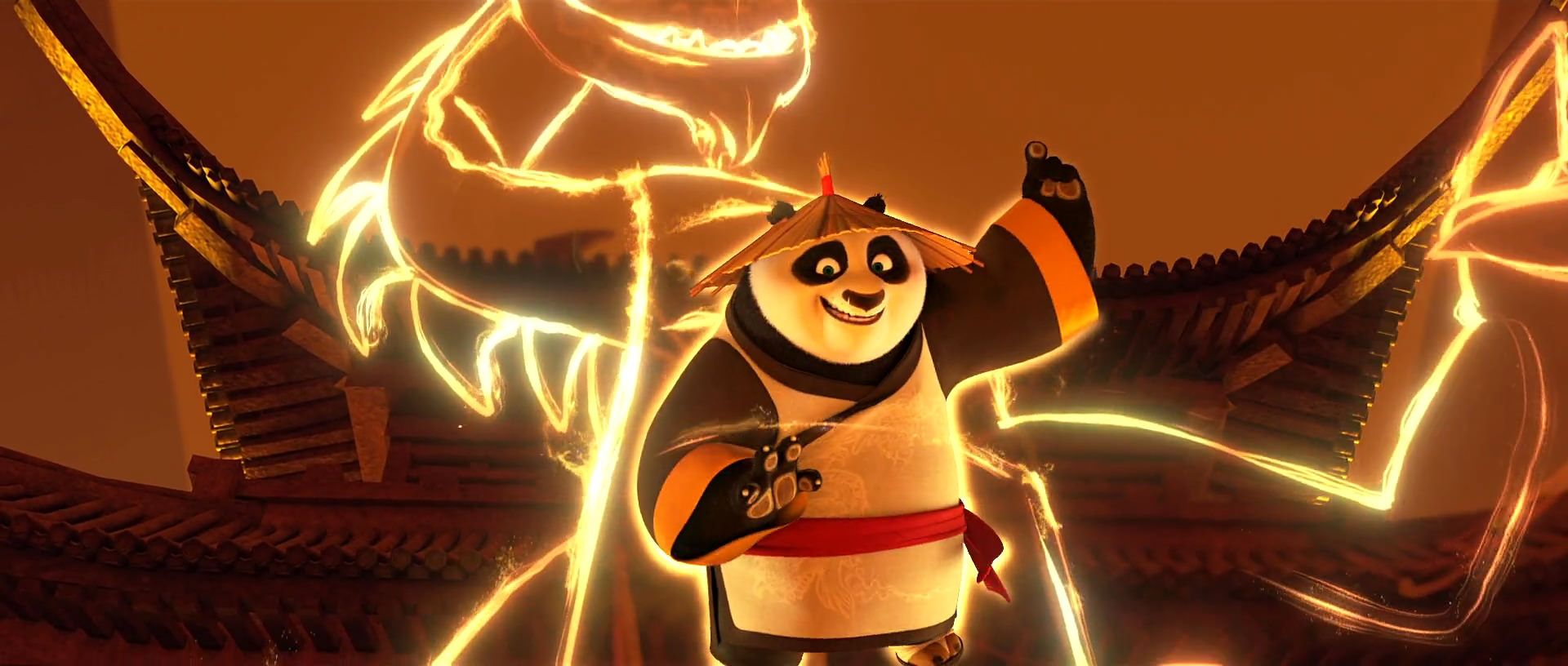
Kung Fu Panda 3 Final Battle Music

Let’s be honest—when Po face-plants into the Fifth Spirit, we all leaned forward. The final battle in Kung Fu Panda 3 isn’t just a visual feast; it’s a sonic masterclass. Composer Hans Zimmer and his team didn’t just write music—they built a bridge between ancient Chinese tradition and modern cinematic adrenaline.
You feel that rush before the first punch lands? That’s the secret sauce. The score layers a full Chinese orchestra—think erhu fiddles and bamboo flutes—over a pounding Western percussion section. It’s a fusion that mirrors Po’s own identity crisis: ”Who am I?” The answer, musically, is a glorious, chaotic blend of both worlds.
The Drum That Starts a Thousand Fists
The track “The Fiery Cannon” is the unofficial anthem of this battle. It opens with a solo taiko drum, steady and deliberate, like a heartbeat waking up. Then, just as Kai’s jade zombies close in, the strings sweep in with a frantic, almost desperate energy.
Must Read
Here’s a fun fact: Zimmer recorded the drummers in a giant concrete hall to get that natural echo. He didn’t want a sterile studio sound; he wanted the feeling of being inside a temple that’s about to collapse. That’s why the low frequencies hit you in the chest—they’re real, raw, and undeniably physical.
Practical Tip: Build Your Own “Battle Playlist”
Next time you need a pre-workout boost or a deadline crunch, skip the generic EDM. Pick up “Oogway’s Legacy” or “The Spirit Realm” from this soundtrack. The crescendos are slow burns, which are scientifically better for sustaining focus than sudden loud drops.
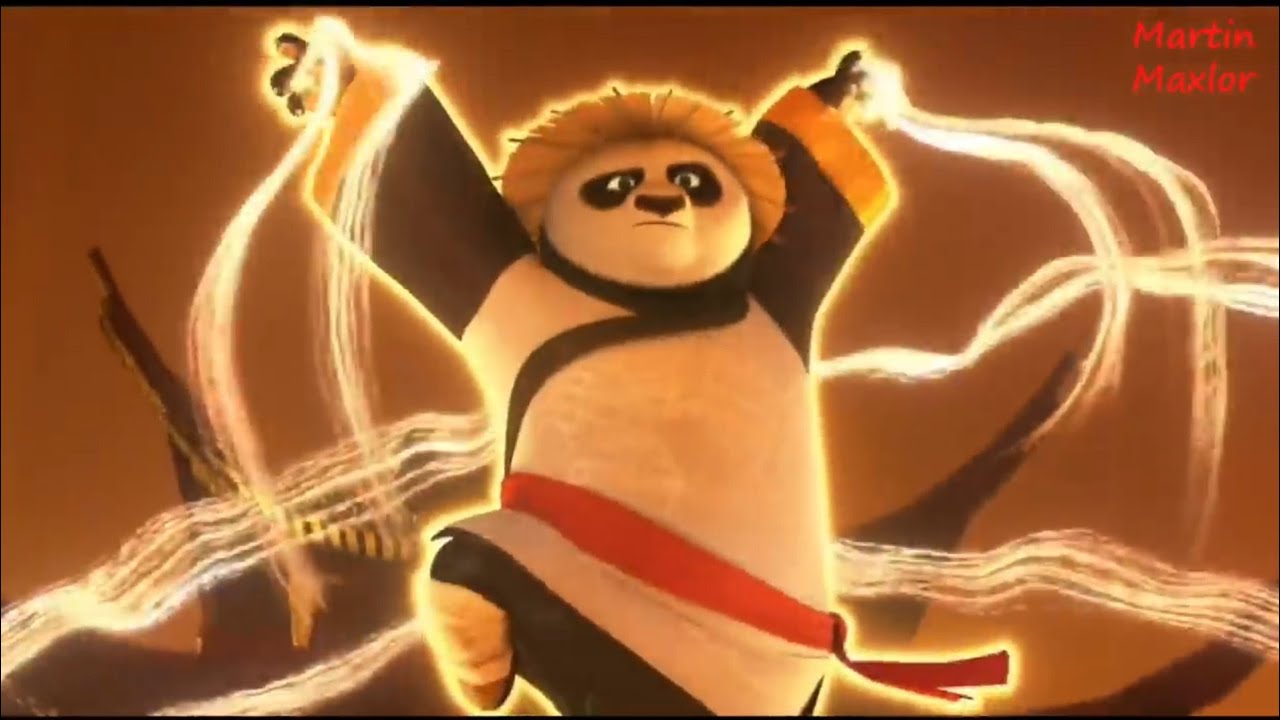
Try it: play the track at 60% volume while you tackle a tedious task. When the chorus breaks, you’ll feel an irrational urge to high-five your monitor. That’s the Zimmer effect.
Cultural Easter Eggs Hidden in the Notes
Listen closely to the villain’s theme, Kai’s “Man on Fire.” It uses a pentatonic scale but twisted with a dissonant, metallic clang—a nod to his jade armor. This isn’t accidental; traditional Chinese opera often uses harsh percussive sounds to signify supernatural evil.
Meanwhile, Po’s theme during the “Panda Village” scene is pure folk music—simple, plucked strings that feel like a lullaby. The contrast is deliberate: chaos versus community. The battle music doesn’t just accompany the action; it tells you which side holds the moral high ground.

And here’s a quirky bit: the final battle’s “chi wave” sound effect is actually a reversed piano chord mixed with a lion’s roar. Yes, a lion. Zimmer loves taking everyday sounds and twisting them until they feel mythical. You’ll never hear a keyboard solo the same way again.
Why It Works: The “Pause” Before the Storm
The genius move isn’t the loud parts—it’s the silences. Right before Po faces Kai alone, the music drops to a single, trembling string drone. Your brain screams, “Something’s coming.” That’s called tension through subtraction, and it’s the oldest trick in the film-scoring book.
For your own life, use this trick during arguments or stressful moments. Pause the mental noise, take a breath, and count to three. The “music” of your heartbeat resets. You’ll re-enter the fight—or the meeting—with sharper clarity.

From Screen to Your Morning Commute
Now, let’s connect the dots. You may not be fighting a cosmic bull, but you do battle with rush-hour traffic and Monday emails. The final battle music works because it acknowledges fear and then punches through it.
Next time you’re stuck in a queue, hum the main motif. It’s a four-note pattern (G-A-C-D) that’s tragically simple. But when played with emotion, it becomes a war cry. You’re not just waiting—you’re in a montage. Your life is the film.
Let’s also give credit to the choir. The ethereal vocals you hear during Po’s “chi” transformation were recorded by a single soprano overlaid 47 times. It creates an army out of one voice. A reminder that your inner strength often comes from stacking small, repeated efforts until they sound massive.

Final Reflection: The Music of Your Own “Kai”
We all have a “Kai” this week—that thing that drains your chi, whether it’s a nagging boss or a personal doubt. Zimmer’s score teaches us that victory isn’t about being louder; it’s about finding your rhythm under pressure.
So, when the world feels like a synchronized attack of deadlines and drama, close your eyes. Recall the taiko drum’s steady beat. Match your breath to it. Then, open your eyes and take one decisive step forward. That’s not just music appreciation—that’s living in wuxia style.
And if nothing else, you now have an excuse to blast “The Fiery Cannon” during your Sunday meal prep. Po would approve. Remember: your kitchen is your Spirit Realm. Own it.