Knee Kicker For Carpet Installation
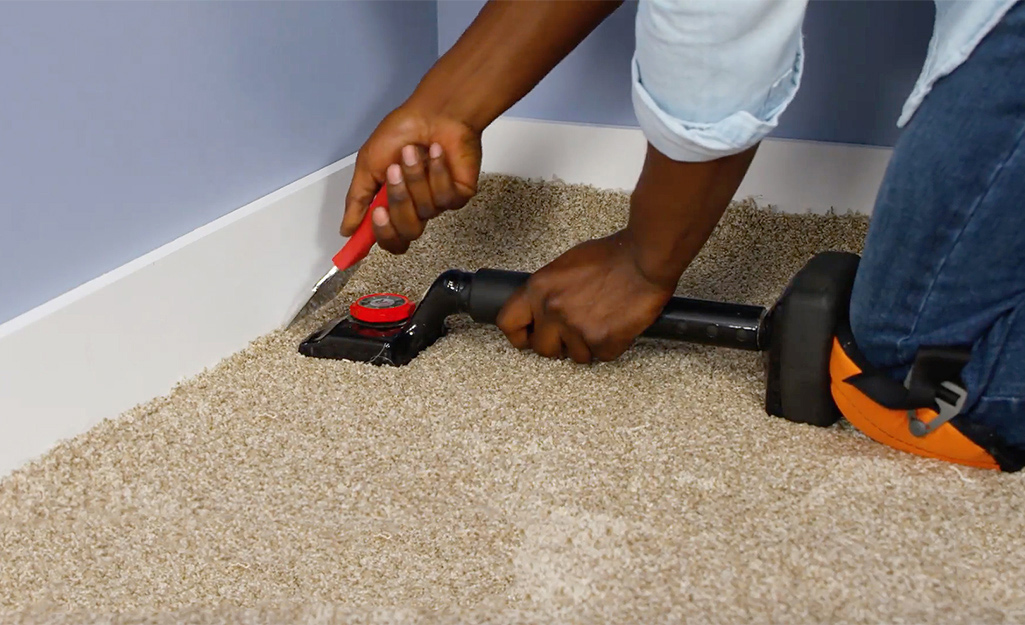
Ever watched someone install a carpet and thought, “Man, that looks like a full-body workout mixed with a game of Twister on their knees”? You’re not wrong. But in the middle of all that stretching and kneeling sits a weirdly wonderful tool that looks like a medieval torture device but is actually a total lifesaver. I’m talking about the knee kicker, and honestly, it’s the unsung hero of any DIY flooring project.
What in the world is it, really?
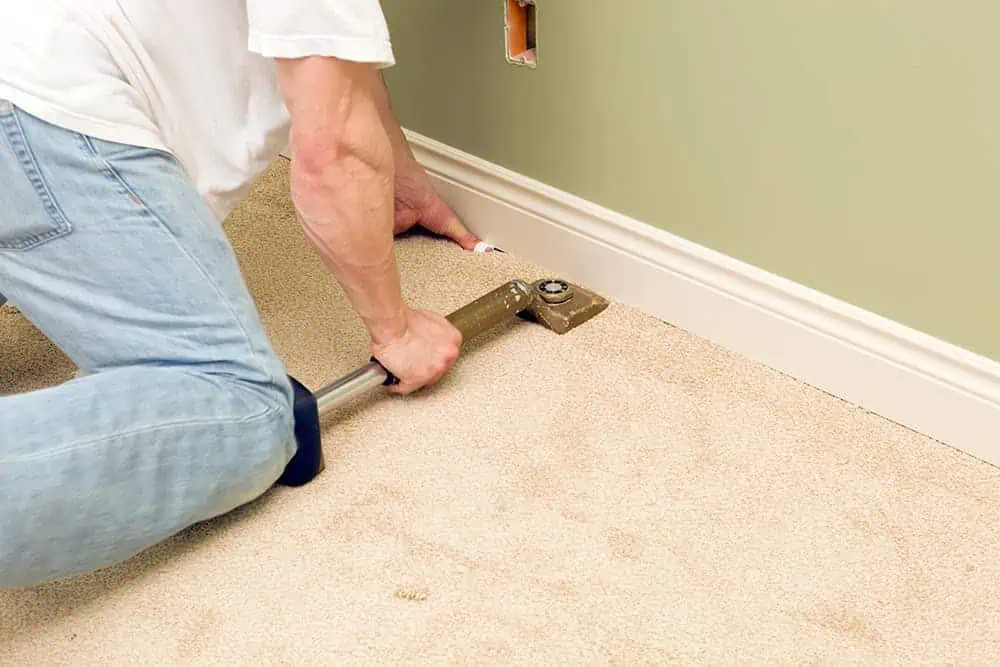
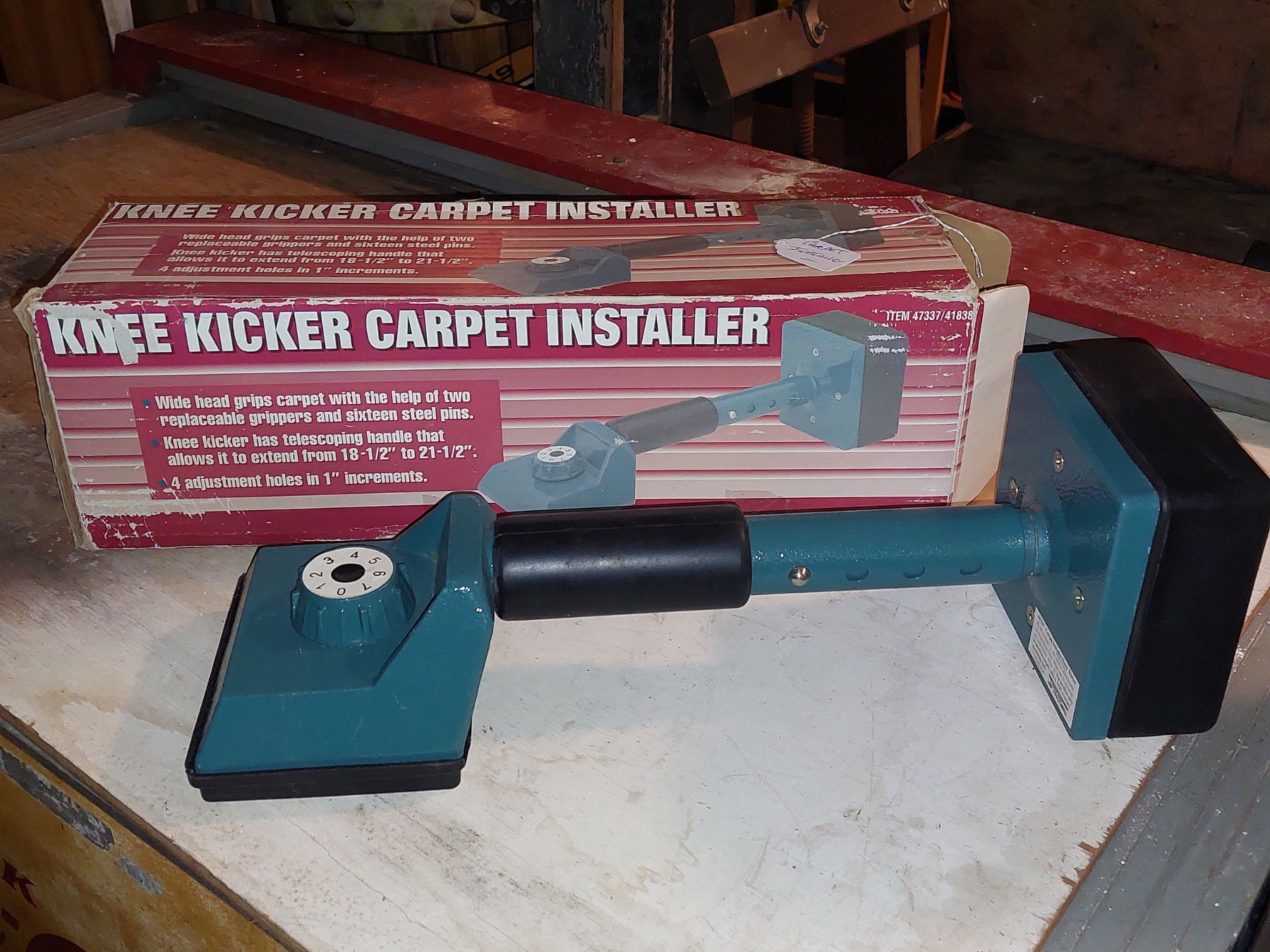
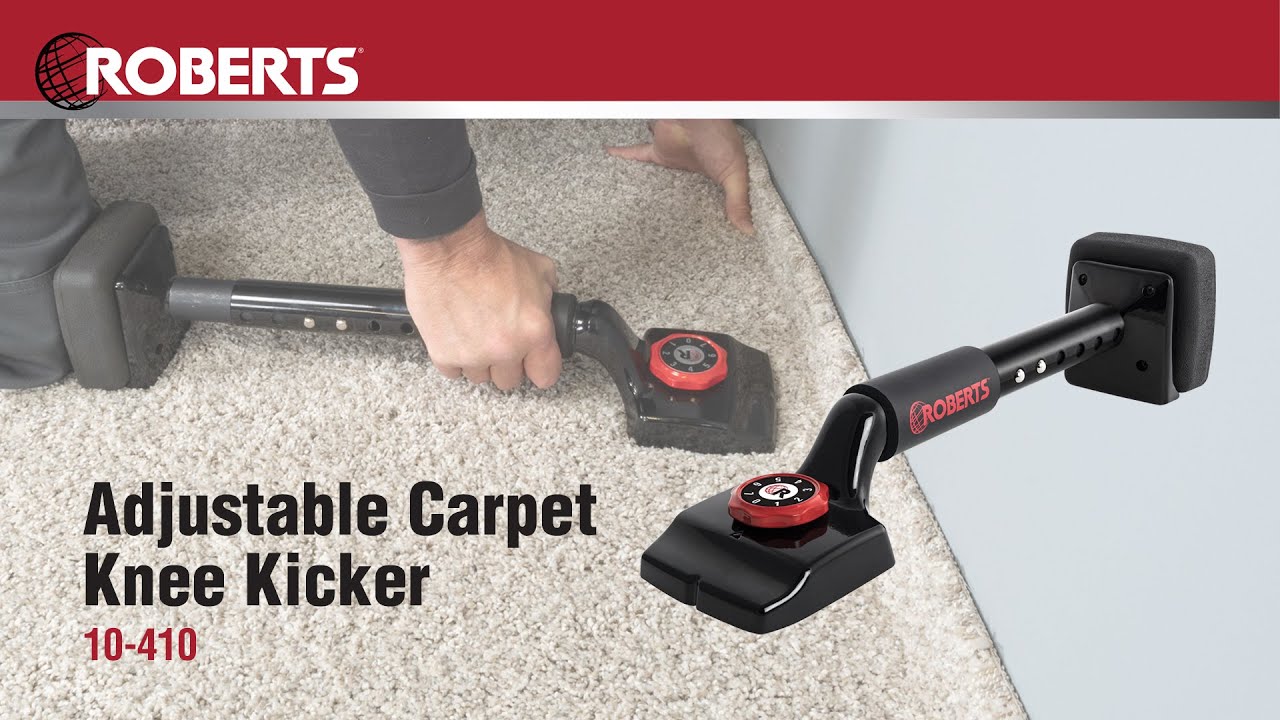
Imagine a long metal pole with a padded block that you press against your knee on one end, and a set of spiked teeth on the other. That’s it. That’s the whole magic trick. You give it a firm thump with your knee, and those tiny teeth grab the carpet, nudging it tautly onto the tack strips along the wall. It’s like giving the carpet a firm, encouraging high-five that says, “Stay put, buddy.”
Why not just pull it tight with your hands? Because you’re not a superhero, and carpets weigh way more than they look. The knee kicker uses your body’s natural leverage to stretch the carpet just enough, so it doesn’t wrinkle or bubble up later. Think of it as the car jack for your living room floor, but instead of lifting a car, it’s flattening a rug.
Must Read
Why it’s cooler than it sounds
Here’s the fun part: using a knee kicker makes you feel like you’re in a weird gym class. You slide your knee onto the padded end, give it a confident tap, and then shuffle forward like a baby penguin. It’s a totally ridiculous motion, but when you see the carpet ripple and then flatten out perfectly, you’ll feel like a flooring wizard. It’s a low-key muscle workout that doubles as a patience test.
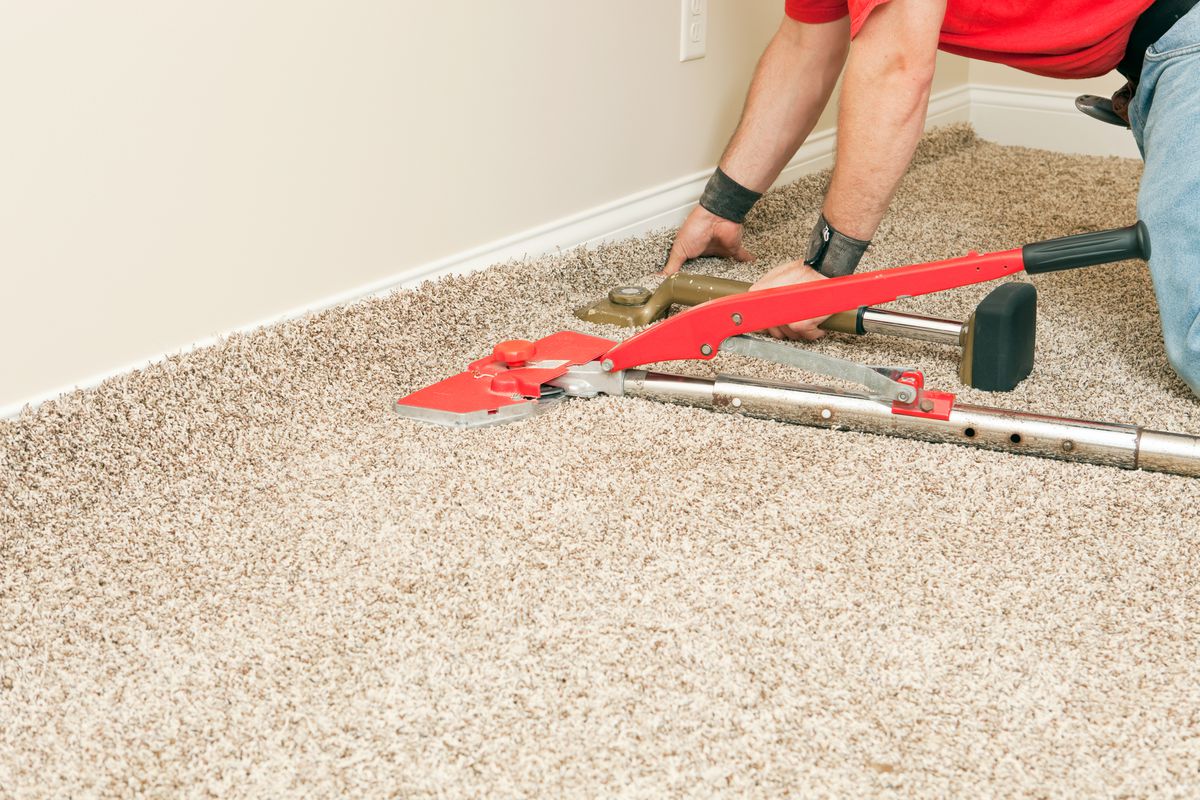
Most people think you need a power stretcher (the big, scary orange thing) for every tiny room. But for a bathroom or a closet, the knee kicker is more than enough to get the job done right. You can adjust the force with just how hard you tap—gentle for a thin carpet, a little more oomph for a plush shag. It’s all about touch, not brute strength.

The secret to not ruining your carpet
Here’s the thing that trips up newbies: you have to stagger your kicks. If you just kick in one straight line, you’ll get a weird diagonal bulge in the middle of the room. Pro tip? Work from the center of the wall outward, like you’re ironing a giant sheet. And don’t forget to leave a little extra carpet hanging over the edges—you’ll trim that later with a razor, and that’s a whole other satisfying story.
Also, the teeth are sharp. Not “ouch, paper cut” sharp, but “I just stabbed my hand because I was careless” sharp. So, respectful handling is key. But once you get the rhythm down, it’s almost meditative—kneel, kick, shuffle, repeat. It’s like a repetitive beat that eventually turns into a perfectly smooth floor.
Should you buy one or borrow one?
Here’s the deal: you’re probably only going to install a carpet once every few years. So, a fancy $60 knee kicker might feel like a splurge. But you can often rent one from a hardware store for a few bucks for the afternoon—that’s a no-brainer. Or, if you’re a bargain hunter like me, check your local thrift store because these things are built like tanks and never die.
Honestly, the next time you walk across a freshly installed carpet, take a second to thank the knee kicker. It’s not flashy, it doesn’t make the covers of magazines, but it does the dirty work with a simple knee tap. It’s the quiet, reliable friend of DIY projects—and now you know exactly how it works. So, ready to kneel down and give it a try?