Jigani Bangalore To Electronic City
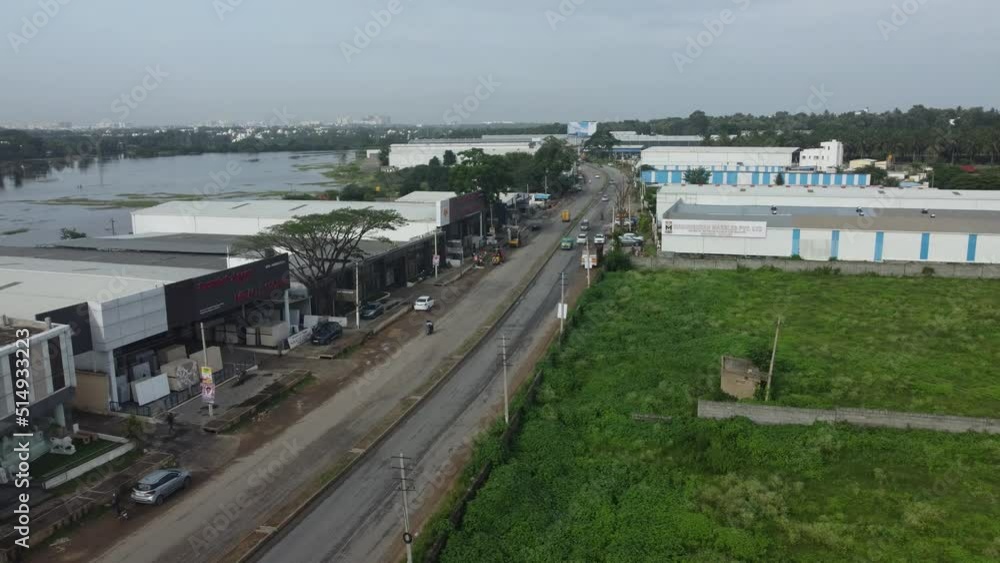
Before the gleaming glass facades of Electronic City and the relentless hum of Jigani’s industrial machinery, there was only the soughing of wind through tall, untamed grass and the distant, rhythmic clatter of granite being split by hand. To the casual observer in the early 1980s, the stretch of land connecting Jigani to what is now Electronic City was merely a forgotten appendix of Bangalore’s southern periphery—a place of scattered granite quarries, dry deciduous scrub, and a few resilient villages like Huskur and Jigani itself, whose inhabitants relied on rain-fed agriculture and the age-old craft of stone masonry. The human necessity back then was profoundly simple: survival, shelter, and a connection to the nearest market town, Bengaluru, which was a sleepy, pensioner’s paradise some twenty kilometres away. The journey was a torturous affair, a bone-rattling ride on a state-run bus down a narrow, pot-holed asphalt strip that dissolved into a muddy cart track during the monsoon, a testament to a time when the concept of "IT corridor" was an absurd, sci-fi fantasy.
The initial transformation was not a sudden explosion, but a slow, geological shift. In 1994, the Karnataka government, in a bold and almost desperate bid to attract investment, flagged a vast 330-acre stretch of land to the east of Hosur Road as a dedicated electronics export processing zone. This was the genesis of Electronic City, a name that felt gloriously futuristic in a decade still dominated by landline telephones and fax machines. Yet, for the first few years, Electronic City was a ghost town of freshly laid roads and empty plots. The workers who came to build the first few offices—for companies like Motorola and Texas Instruments—didn't commute from the city; they lived in temporary sheds and in the existing villages nearby. Jigani, with its existing industrial estates (established in the 1970s for small-scale engineering units), became a crucial, gritty hinterland. It provided the heavy engineering, the foundries, and the labour force that the pristine, sterile electronic assembly lines needed. The road between the two was a strange, jarring dichotomy: you would pass a traditional bullock cart laden with hay, weaving around a truck carrying industrial chemicals, all while dodging a stray cow near the Huskur gate.
The Great Metamorphosis: From Granite Dust to Silicon Chips
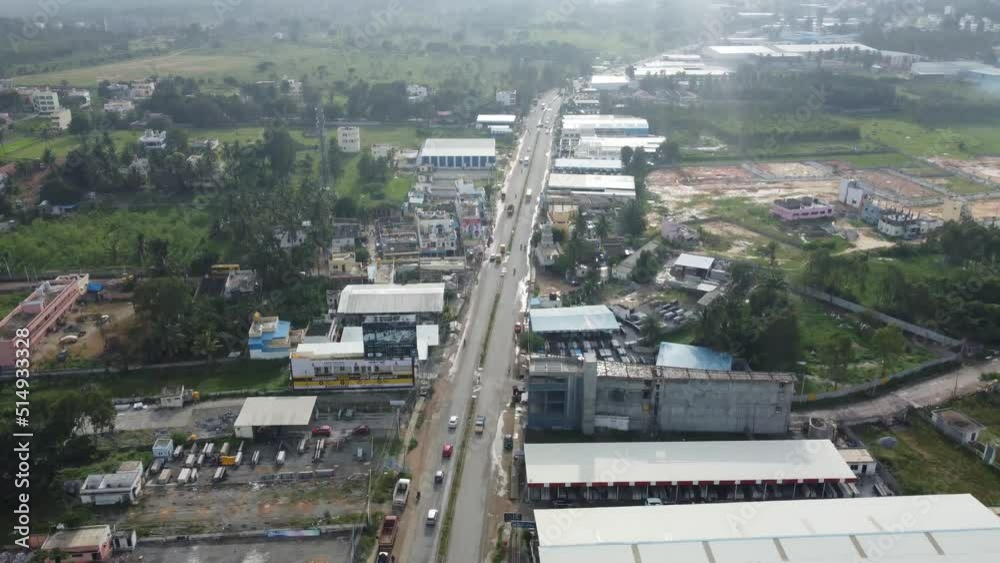
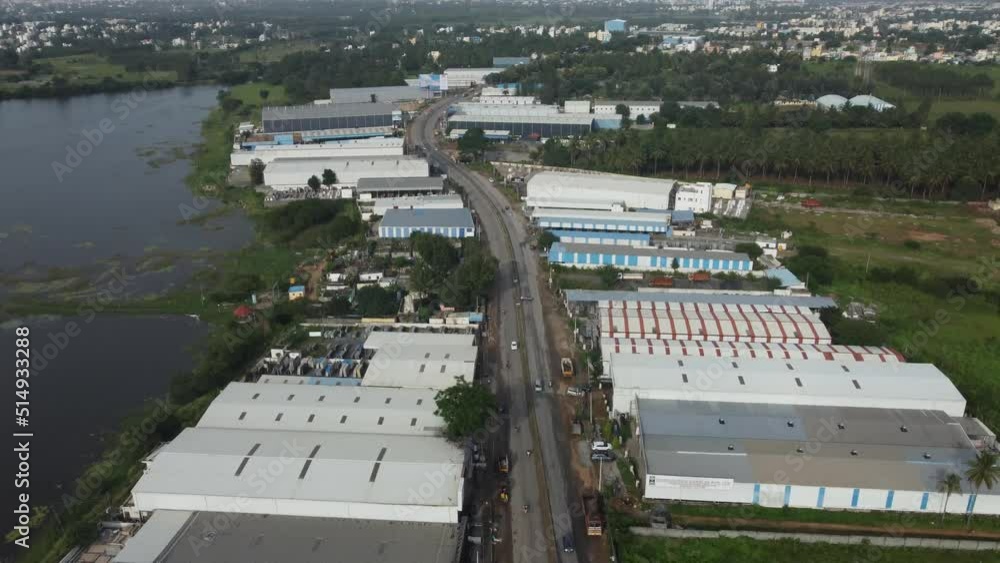
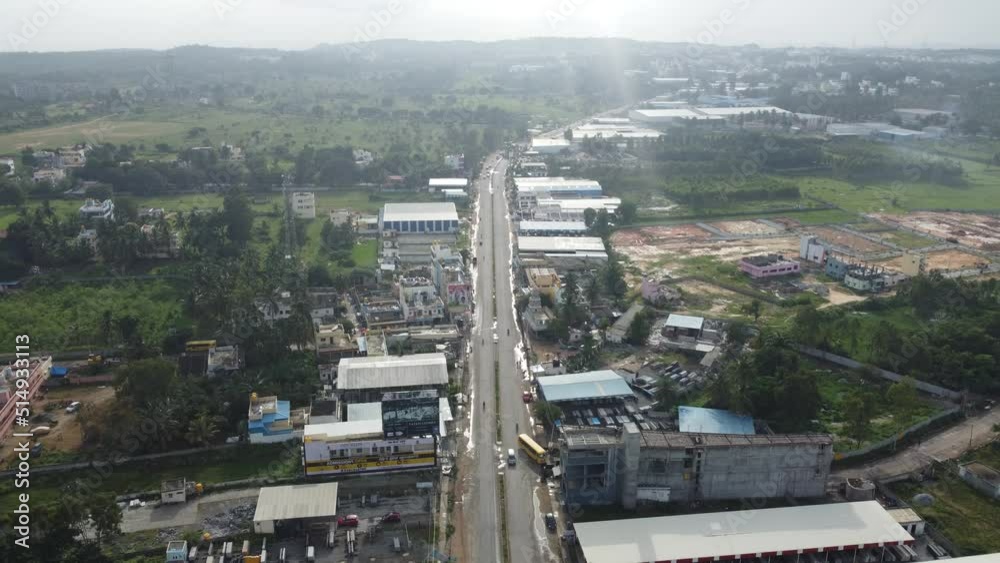
The real upheaval began around 2005, when the liberalisation dividend finally matured. The BPO boom and the IT services revolution transformed Electronic City from a mere zone into a gravitational force. The demand for office space was insatiable, and the land prices skyrocketed. Meanwhile, Jigani, which had been the forgotten, blue-collar cousin, found its identity tangled with Bangalore's rapid and often chaotic growth. The forgotten vintage fact of this era is that the road between Jigani and Electronic City, now the infamous stretch of the Hosur Road and the alternate route via the BMIC (Bangalore-Mysore Infrastructure Corridor), was originally a service road for the quarry lorries. These massive, overloaded trucks, carrying slabs of granite that would end up as countertops in Manhattan or tiles in Dubai, were the undisputed kings of the road. They moved at glacial speeds, belching black smoke, and their drivers—known as "lorry kaka"—would halt for hours at the roadside dhabas for chai and a nap, causing unimaginable traffic jams that stretched for miles.
The bizarre way this topic was treated in previous decades is best illustrated by the now-extinct "corporate bus" system. In the early 2000s, before the metro rail became a reality, the software engineers of Electronic City were treated like a strange, privileged species. Every morning, a convoy of air-conditioned, blue and white Volvo buses would snake their way from various parts of the city, but they would deliberately avoid the Jigani route. The engineers who lived in gated communities near the Huskur Road dealt with the chaos of the quarry trucks. But the truly bizarre part was the "quarry workers' hour." At 5:00 AM, and again at 6:00 PM, the construction workers and quarry labourers from Jigani—men and women in faded sarees and lungis, carrying steel tiffin boxes and tools—would walk along the highway, fearlessly navigating the monstrous machinery, completely oblivious to the "Silicon Valley of India" signage that would come later. They were the true ghosts of the landscape, and their presence was a stark, uncomfortable reminder that the glittering IT economy was built on a foundation of physical toil that was itself being erased.
The subsequent decade, from 2010 to 2020, saw the bizarre transformation of Jigani into a strange hybrid. It became a dormitory for a new class of worker—not the engineers, but the tens of thousands of support staff: security guards, cafeteria workers, drivers, and blue-collar technicians who kept the IT campuses running. They could not afford apartments in the newly built "luxury" complexes that had popped up near Electronic City's phase 2, so they crammed into converted single-room tenements in Jigani. The classic principle of the "industrial estate" was hacked into a "mixed-use slum." The roads became narrower, the water tables dropped, and the air quality deteriorated. Forgotten, too, is the fact that Jigani was once home to a major state-run poultry farm and a munitions factory; the sounds of gunfire tests from the latter used to punctuate the eerie silence of the Electronic City campus lunch breaks, a bizarre soundtrack to the birth of the digital age.
Yet, within this chaos, a beautiful resilience formed. A strange organic ecosystem emerged where a TCS software architect could be seen buying gourmet coffee from a specialty café, while a hundred meters away, a traditional tamasha (folk theatre) troupe would perform during the village deity festivals. The transformation wasn't just in infrastructure; it was in consciousness. The older generation in Jigani began renting out their ancestral properties for astronomical sums, while the younger generation abandoned the granite quarries entirely, seeking high-paying jobs as "data entry operators" or "facility executives" in the same offices that had replaced their father's fields. The initial human necessity of physical labour had been completely replaced by the necessity of digital presence.
Modern Hacks: Re-engineering the Urban Spine
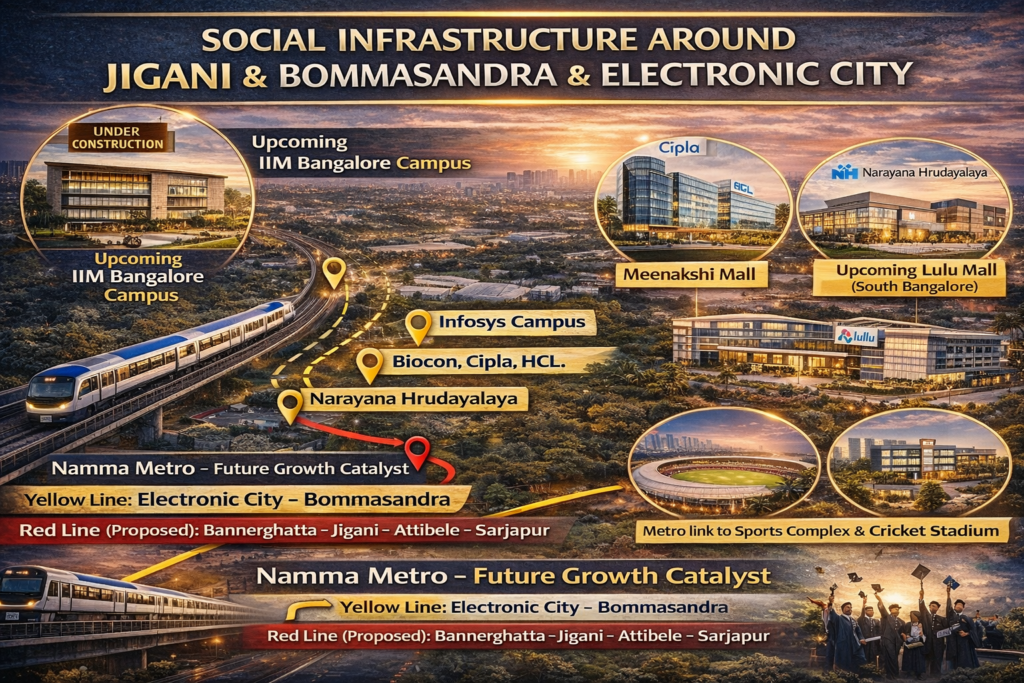
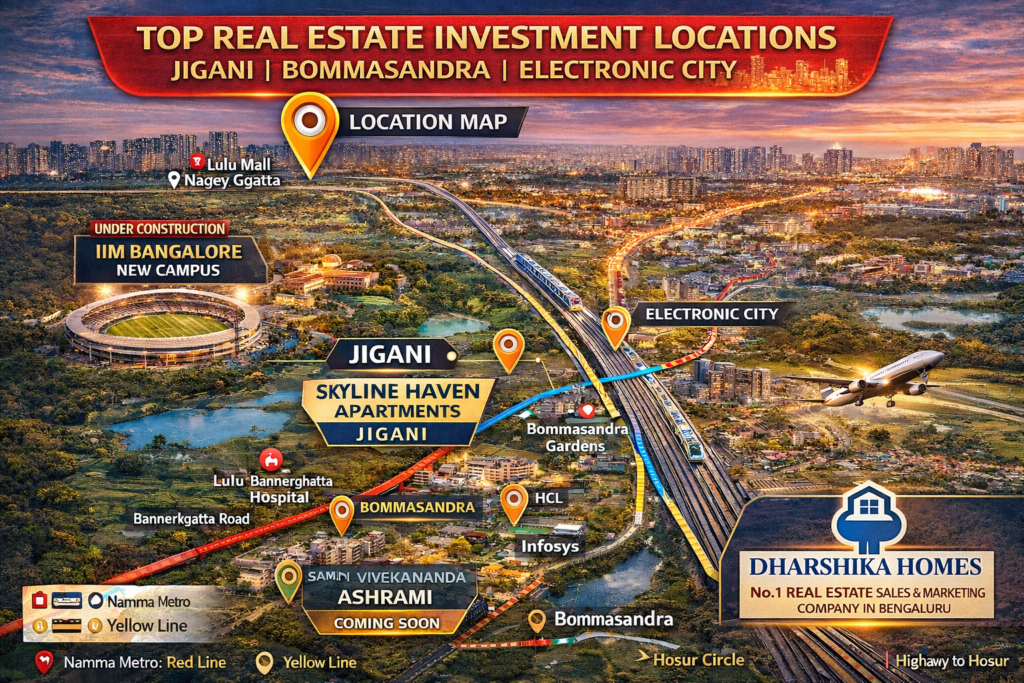
Today, the classic principle of "commuting from home to work" is being ruthlessly hacked. The corporate bus, once a status symbol, is now considered an archaic burden. The rise of hybrid work models has decimated the 9 AM rush. Instead of the brute-force solution of widening the road—which was the go-to hack of the 2010s, leading to the destruction of thousands of trees and the displacement of villages—the modern approach is far more nuanced and data-driven. The Namma Metro’s Yellow Line, inaugurated in phases around 2025, is the ultimate hack of this route. It connects R.V. Road directly to Bommasandra and Electronic City, providing a subterranean, punctual, and serene alternative to the claustrophobic tarmac. The hacking of the original route is also visible in the development of "Last Mile Connectivity" micro-ecosystems—electric auto-rickshaws (e-autos) and app-based shuttle bicycles that now swarm around metro stations, replacing the chaotic, unregulated auto-drivers who once held a monopoly on the Jigani-to-Electronic City run.
Furthermore, the modern hack is the decoupling of the physical and the digital. Companies in Electronic City are now experimenting with "satellite office hubs" directly inside Jigani's industrial plots. These are not traditional corporate offices but hyper-connected co-working spaces built inside converted warehouses. This simultaneously reduces the load on the main road and injects high-value vitality into Jigani's sagging commercial real estate. The new highway design includes a dedicated "reversible" lane that flips direction based on peak traffic hours, a brilliant, low-capital hack that acknowledges the route's asymmetric flows—people rushing into Electronic City in the morning and out of Jigani in the evening. This is a far cry from the 1990s when the only hack was to bribe the bus conductor for a window seat and pray that the truck in front didn't break down.
Frequently Asked Questions: Bridging Past and Future
1. Was Electronic City ever considered a "rural" area, and how does that history affect modern planning?
Yes, categorically. In the 1990s, the Karnataka Industrial Areas Development Board (KIADB) acquired land that was predominantly agricultural and grazing land for shepherds. The village of Konappana Agrahara and the surrounding hamlets were quintessentially rural, with a Roman Catholic settlement and a significant number of tank-fed paddy fields. The original employability of the area was in sericulture (silk farming) and small-scale coir production. The memory of this rurality is retained in the layout of the internal streets; the roads were drawn along existing field boundaries and irrigation channels, which is why the modern Electronic City phase 1 is a maze of irregular, curved streets that frustrate modern GPS mapping, unlike the grid-based layout of newer tech parks in Whitefield.
The modern planning issue, however, has ironically re-embraced this rural legacy. The water crisis of 2018 to 2020 forced planners to revisit the old, forgotten system of village tanks and "kalyani" (stepped wells). New storm-water drains being dug today are specifically designed to recharge the ancient aquifers that used to feed those paddy fields. The historical rural status is no longer a liability; it is a blueprint for sustainability. The fact that the land was once considered "low value" rural hinterland allowed for the acquisition of large contiguous plots, which is why Electronic City could be built as a planned campus environment rather than a chaotic urban sprawl, a privilege that areas like Koramangala, which were developed earlier on rural land, did not have but perhaps needed even more.
2. The Jigani Industrial Area is famous for granite, but why is it now associated with "dirty" industries?
Historically, Jigani's industrial zone was a mixed bag. While the granite quarries and polishing units were the visual and auditory signature, a lesser-known fact is that in the 1980s, it was a hub for electroplating and chemical processing units that were pushed out of central Bangalore due to civic pressure. These units, primarily run by small-scale entrepreneurs from Tamil Nadu and Andhra, were crucial to the supply chain for the nascent automobile industry of Hosur. The "dirty" reputation comes from the fact that these legacy units—which produced heavy metals, acids, and solvents—were grandfathered into the zoning regulations. When Electronic City boomed, the IT companies demanded "clean" zones, but the existing industrial infrastructure legally remained, creating a bizarre friction where a semiconductor fab (fabrication plant) might sit next to a factory tumbling large granite boulders.
Modern facts have changed the narrative entirely. The Karnataka State Pollution Control Board has enforced strict zero-liquid discharge norms. Many of the classic "dirty" industries—like the old lead-acid battery recyclers that were notorious for polluting the Somandoddi stream—have been shut down or moved to the new, distant industrial park in Harohalli. The Jigani of today is actually pivoting to become a "Green Industries" park, specialising in battery recycling for the EV sector and solar panel refurbishment. The historical dirtiness is now a source of pride in a strange way—it serves as a living laboratory for environmental remediation technologies. The cracks in the old concrete factory floors are now being evaluated for "phytoremediation" projects, where specific plants are used to suck out heavy metal toxins, a far cry from the days when the 'Kaikondrahalli lake' downstream simply turned a bizarre shade of orange.
3. How has the perception of travel time on this route changed compared to the pre-halcyon days?
In the early 1990s, the perception of travel time was measured in distance to nature, not in minutes. If you worked in Electronic City back then, a 15-kilometre journey from the city centre could take 45 minutes simply because the bus would stop unpredictably for a herd of goats or a breakdown. The "journey" was a part of the routine; professionals would read newspapers, chat with fellow passengers, and often get off to help push a stalled vehicle. The psychological distance was vast—it felt like you were going to a remote outpost, almost a different state, given the language and cultural shift from Kannada-dominant Bangalore to the Tamil-speaking bazaar stalls near Jigani.
Today, the perception is completely inverted. Time is the single most expensive commodity. With the launch of the metro, the same 15 kilometres is now a precise, quantifiable 28 minutes from the city center. This has changed the entire psychology of the region. The route is no longer a "commute" but a "transfer." The modern commuter does not look out the window at the remnants of the quarries or the changing seasons of the acacia trees; they are looking at their phone, tracking the train's arrival times with a granularity that their parents could never have imagined. The historical "travel time friction" that used to isolate Jigani—making it a cheap place to live—has been eliminated. This is causing a second wave of gentrification, meaning that the very workers who originally served the IT campuses are now being priced out of Jigani's periphery, a sad but inevitable consequence of the transportation success that was dreamed of in the 1990s.
Looking forward, the next 20 years will see the Jigani–Electronic City corridor fuse into a single, continuous urban entity—a "Linear City" that stretches all the way to Hosur. The standalone industrial park will become an anachronism. We will see the rise of "vertical industrial zones" where drones deliver components directly to automated machining centres, bypassing the road entirely. The granite that was once quarried here from the earth is now being replaced by the "granite" of data—terabytes of information flowing through subterranean fibre optic cables that follow the exact path of the old tram lines and quarry railways. The next generation will not remember the smell of diesel or the dust of the quarries; they will remember the eerie, silent hum of the maglev pods that will zip them across the corridor in five minutes.
But as we stand on this precipice, we must remember that the soul of this corridor lies not in its concrete or its silicon, but in its extraordinary human capacity for resilience. The grandmother who sold buttermilk to thirsty quarry workers now owns four floors of an apartment complex, but she still refuses to drink anything but the water from her ancient well. The retired lathe operator from a Jigani foundry now teaches robotics to his grandchildren at a STEM lab funded by the very IT multinational that replaced his factory. The journey from Jigani to Electronic City is not just a distance to be crossed; it is a chronological passage through the industrial ages of humanity, a living museum of how we have toiled, thought, and built, and a reminder that the most advanced technology cannot erase the fundamental need for human connection, community, and memory. The road is long, but the stories along it are endless.