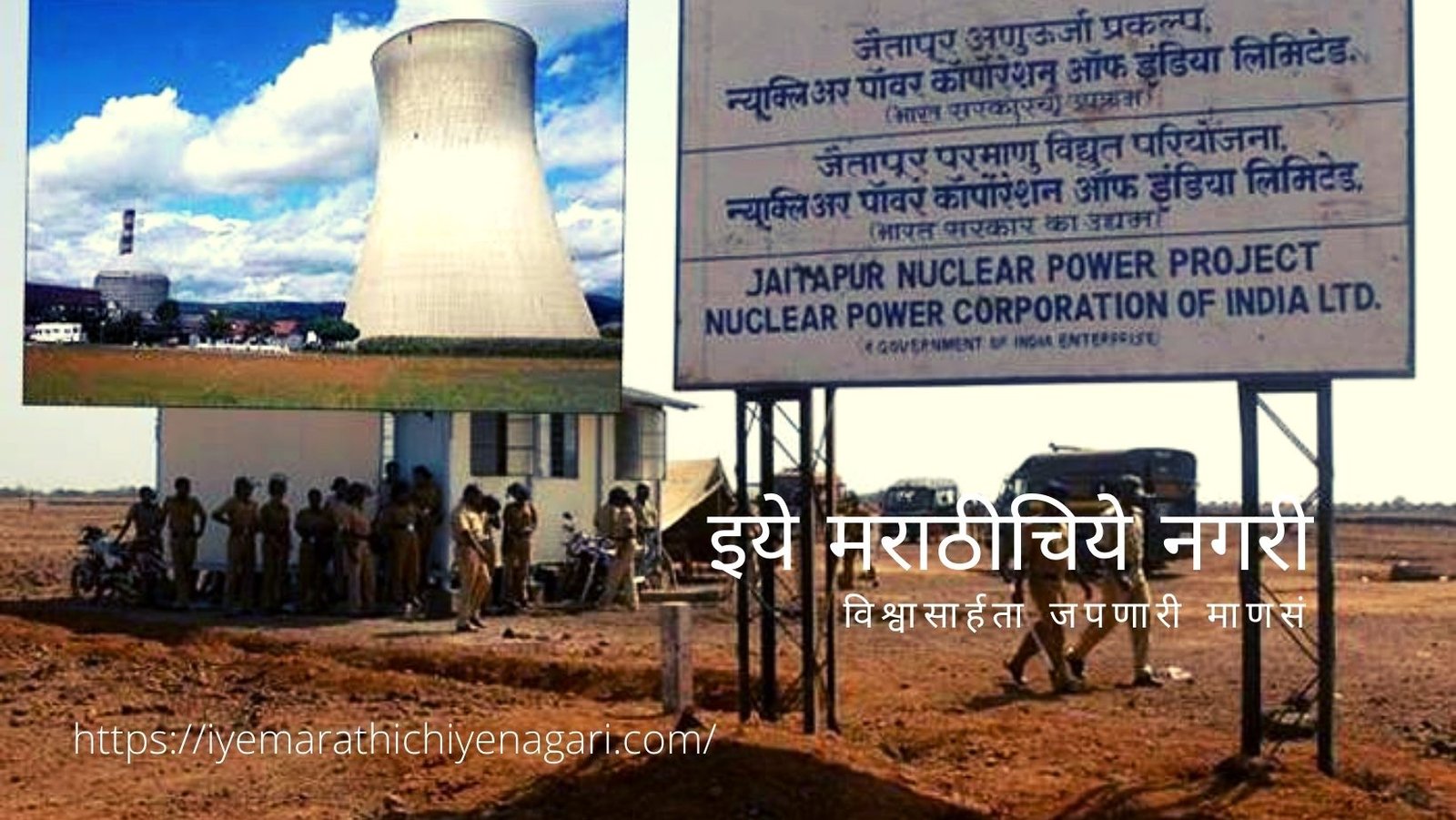
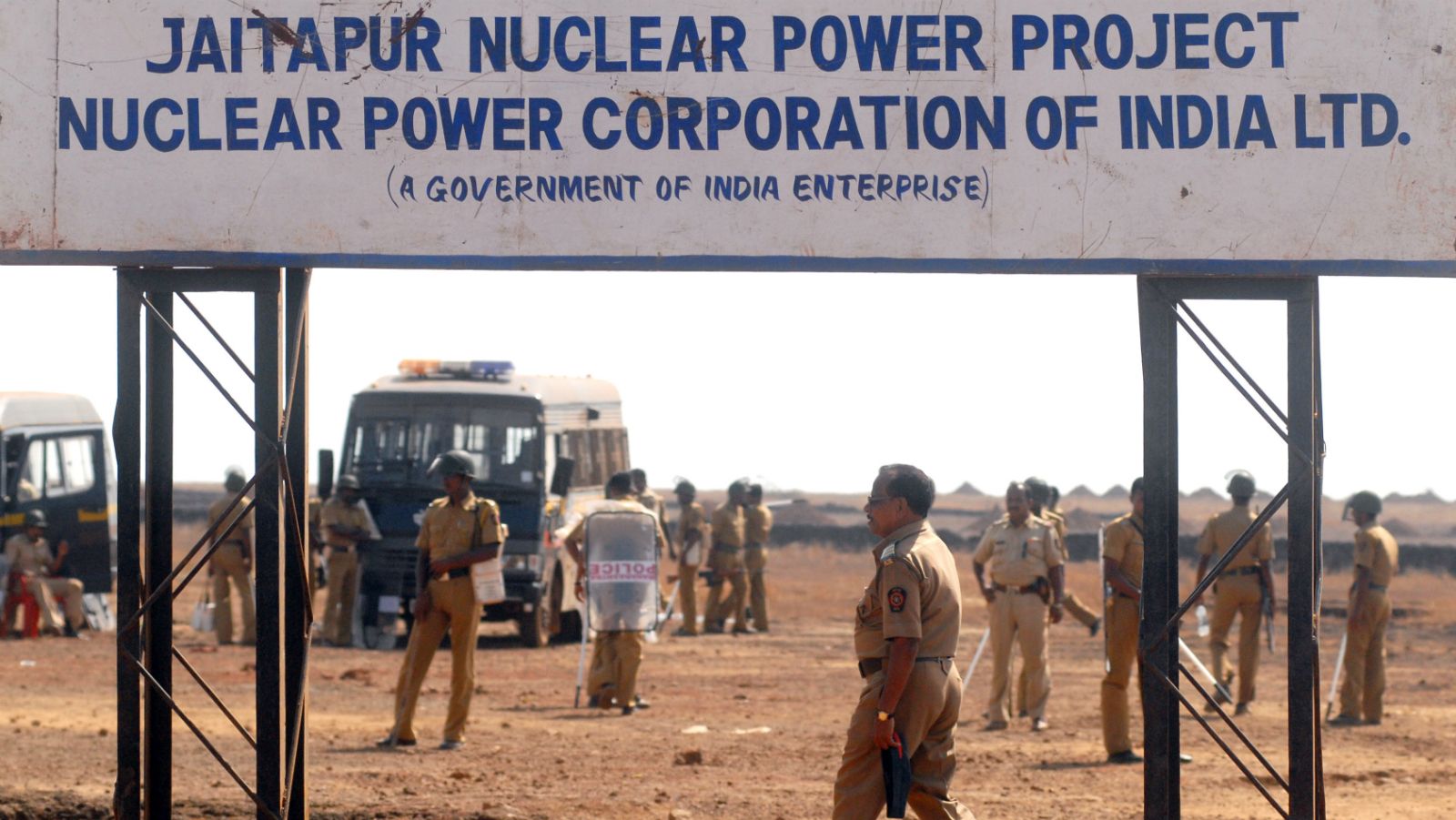
Jaitapur Nuclear Power Plant In Which State
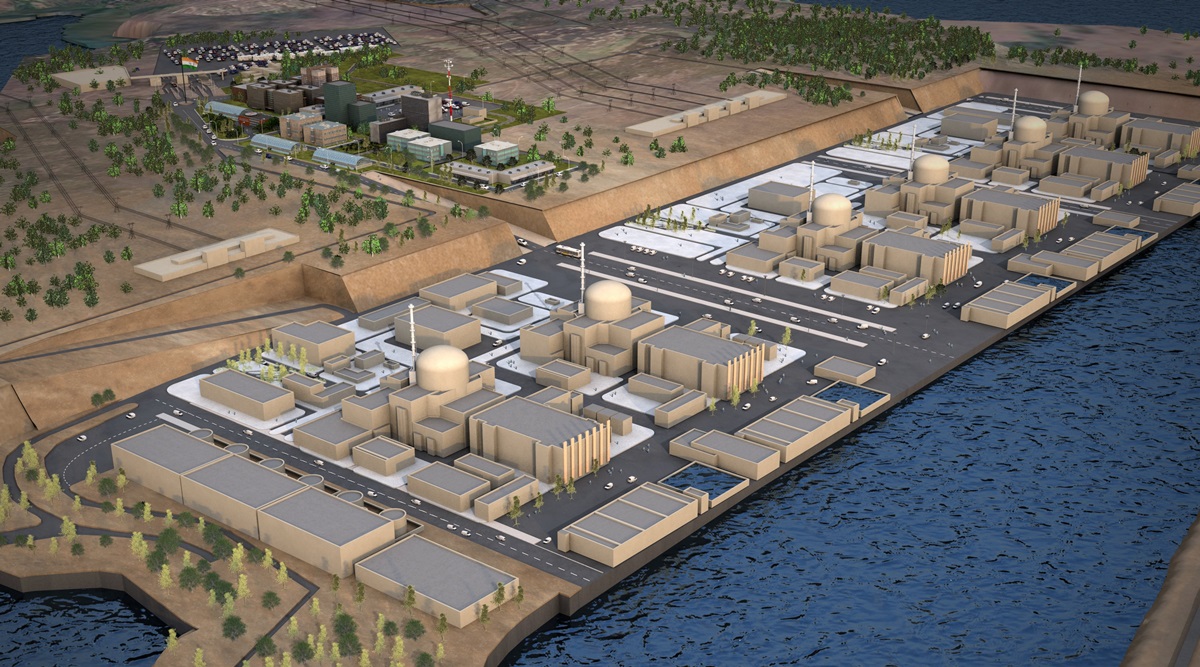
The Jaitapur Nuclear Power Plant is a topic of great interest and importance in today's world, and it's located in the state of Maharashtra, India. This massive project has been making headlines for years, and its impact on the environment, economy, and society is significant. As a result, it's essential to understand the ins and outs of this project and its implications.
The Jaitapur Nuclear Power Plant is a proposed nuclear power project that aims to generate 9,900 MW of electricity, making it one of the largest nuclear power plants in the world. The project is being developed by Nuclear Power Corporation of India Limited (NPCIL) and Areva, a French multinational company. The plant will use European Pressurized Reactors (EPRs) to generate electricity.
Purpose and Benefits
The primary purpose of the Jaitapur Nuclear Power Plant is to generate clean and sustainable energy to meet the growing demand for electricity in India. The project is expected to provide employment opportunities for thousands of people and stimulate economic growth in the region. Additionally, the plant will help reduce greenhouse gas emissions and contribute to a cleaner environment.
Must Read
According to experts, the Jaitapur Nuclear Power Plant will provide a significant amount of clean energy to the grid, reducing the reliance on fossil fuels and mitigating climate change. The project will also promote energy independence and enhance energy security for the country. As
the world's largest democracy, India needs to ensure a stable and secure energy supply to meet the growing demands of its population.
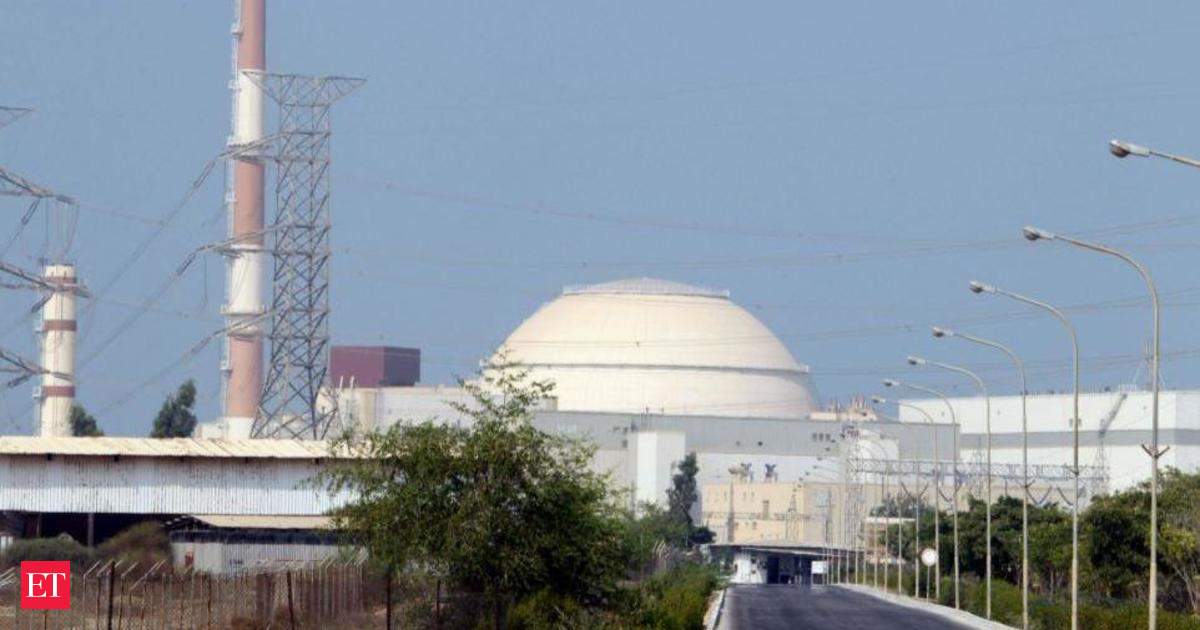
The Jaitapur Nuclear Power Plant has been designed with safety features to prevent accidents and minimize the risk of nuclear radiation. The plant will be equipped with multiple cooling systems and emergency core cooling systems to prevent overheating and ensure safe operation. Moreover, the project will adhere to international safety standards and regulations to guarantee the safety of the public and the environment.
Challenges and Controversies
Despite the benefits, the Jaitapur Nuclear Power Plant has faced protests and controversies from local communities and environmental groups. The project has been criticized for its potential environmental impacts, including the risk of nuclear accidents and the disposal of radioactive waste. Moreover, the project has been accused of displacing local communities and threatening the marine ecosystem.
Activists and experts have raised concerns about the safety and reliability of the Jaitapur Nuclear Power Plant, citing the risks of earthquakes and tsunamis in the region. The project has also been criticized for its high cost and the potential health risks associated with nuclear radiation. As a result, the project has been subject to delays and setbacks, and its future remains uncertain.
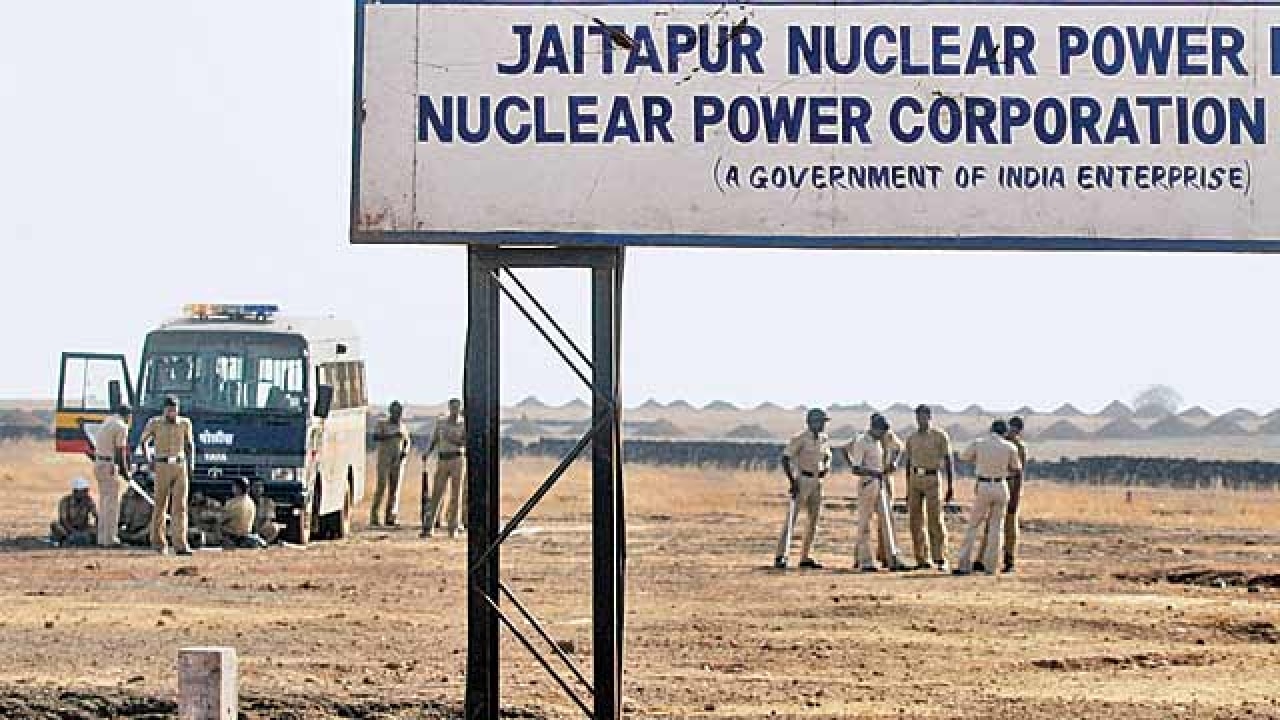
In conclusion, the Jaitapur Nuclear Power Plant is a complex and multifaceted project that has sparked intense debate and discussion. While the project has the potential to provide clean and sustainable energy and promote energy independence, it also poses significant environmental and health risks. As India continues to grow and develop, it's essential to prioritize sustainable energy solutions and ensure that projects like the Jaitapur Nuclear Power Plant are developed with caution and careful consideration.
The Indian government and the NPCIL must work together to address the concerns and challenges associated with the project and ensure that the Jaitapur Nuclear Power Plant is developed with the highest standards of safety and sustainability. By doing so, India can promote clean energy and reduce its reliance on fossil fuels, while also protecting the environment and the health of its citizens. As the project moves forward, it's essential to prioritize transparency and accountability and ensure that the Jaitapur Nuclear Power Plant is developed with the best interests of the Indian people and the environment in mind.