Is There Ice Dancing In The Olympics
:max_bytes(150000):strip_icc():focal(734x149:736x151)/Madison-Hubbell-Zachary-Donohue-e7c9fccf6bcf4131a9618e114ebff859.jpg)
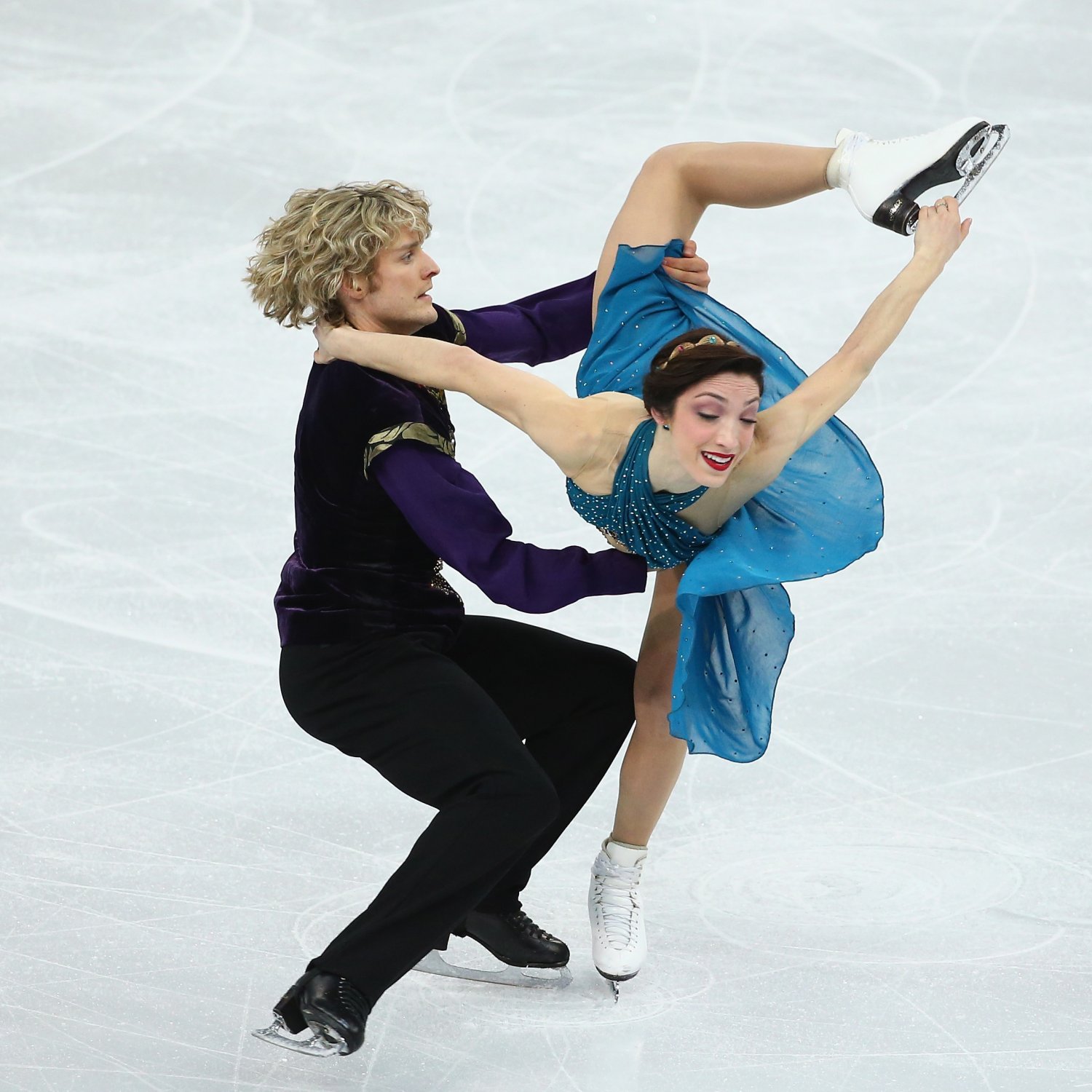
Let’s be honest: the only thing the internet loves more than a sequined nightmare is a structured sequined nightmare. So when a clip of a synchronized twizzle sequence goes viral on TikTok—usually set to a hyper-pop remix of a Chopin ballad—the algorithm collectively loses its mind. The question "Is there ice dancing in the Olympics?" has been circulating in group chats, Reddit threads, and Twitter (sorry, X) replies with the urgency of a stan account defending a flop era. The answer, of course, is a resounding yes, but the cultural conversation around it has evolved into something far more chaotic and delicious than a simple fact check.
We are currently living in the golden era of "figure skating discourse," where the line between athletic prowess, theatrical artistry, and unhinged camp has been thoroughly blurred. The sport—yes, it’s a sport, put your phones down—is having a major mainstream moment, fueled by Netflix docuseries, ironic memes about ice dance judging, and the sheer audacity of costumes that look like they were designed by a drag queen on a meth binge. Everyone from your gym-obsessed cousin to the "film bro" in your DMs is suddenly an expert on the "Finnstep" and the "Choctaw." It’s a beautiful, terrifying mess.
But why now? Why is the Olympic ice dance event suddenly the Super Bowl for people who have never laced up a pair of skates? It’s the perfect storm of high-stakes drama, ridiculously specific rules, and the eternal human desire to watch incredibly fit people pretend to be in a passionate love story for four minutes. It’s reality TV with better lighting and more rhinestones. And yes, it is absolutely part of the Olympic program, serving as the glittery, emotionally volatile cousin to the more stoic pair skating. Buckle up, because we’re about to deep dive into the wardrobe malfunctions, the judging conspiracies, and the physics-defying lifts that have us all hooked.
Must Read
The Toxic, Glitter-Filled Subculture You Can't Escape
Let’s talk about the fandom, because it is fascinating and borderline unhinged. The ice dance community online is a microcosm of every stan culture you’ve ever witnessed, compressed into a frozen arena. We have the "Tessa and Scott" romantics who refuse to accept reality, the "French school purists" who think anything not choreographed by a Parisian is an affront to God, and the "tech score analysts" who create spreadsheet breakdowns of Grade of Execution (GOE) that look like NASA flight plans. The drama is not just on the ice; it’s in the comment sections where fans wage psychological warfare over a 0.5 point deduction in a pattern dance.
Social media has turned the judging system into a conspiracy theory generator. One minute, a team performs a flawless rotational lift, and the next, the internet is flooded with side-by-side slow-mo videos trying to prove a "travel" on a landing that only exists in the eye of a pixelated zoom. The vibe shift is real: it’s no longer enough to just watch the sport; you must audit it. This scrutiny breeds a weird, high-brow snobbery where casual fans are mocked for liking "pretty skating" instead of "deep edges." It’s exhausting, but it’s also addictive. The subculture has effectively gamified fandom, turning every program into a live debate about artistry versus athleticism—as if a woman being thrown into a spin at 40 mph isn't both.
And let’s not forget the uniform crisis. We are in the era of the "naked dress" and the "tactical neckline." Costume designers are clearly taking notes from Eurovision and the Met Gala, producing looks that are less about warmth and more about vibes. This has spawned a cottage industry of Instagram meme pages dedicated to critiquing the "butt flaps" and the inexplicable use of sheer mesh over bathing suits. The toxicity lies in the gatekeeping: you can’t just enjoy the twizzles; you have to have an opinion on the fringe placement. It’s a high-fashion high-wire act, and we are all rubbernecking as the internal monologue of the skater screams, "Don't snag the beading on the blade."
How To Survive The Ice Dance Boom Without Losing Your Sanity (Or Your Wallet)
First, accept that you will be confused. Do not try to memorize the "Paso Doble" or the "Rhythm Dance" requirements on your first viewing. The rulebook makes the tax code look like a children’s picture book. Instead, adopt a "vibes-based" approach. Watch the skaters’ faces, see if you feel the emotion, and ignore the technical panel. If you try to score it yourself, you will end up screaming at your television, and honestly, that’s a valid part of the experience, but it’s a slippery slope to becoming a "superfan" who argues with strangers on Discord at 2 a.m. Trust the process, or at least pretend to.
Second, do not buy the official team merch. Unless you are aiming for a specific aesthetic of "suburban mom who owns a golden retriever," the branded hoodies are a trap. They are expensive, usually covered in corporate logos, and will immediately out you as a tourist in the subculture. Instead, scroll Etsy for obscure vintage pins or commission a custom fan art of your favorite pair. That is a much more effective (and cheaper) way to signal your allegiance. You save money, and you support an artist who understands the assignment better than the Olympic committee ever could.
Third, curate your feed aggressively. Unfollow accounts that post "hot takes" that are just thinly veiled hate towards specific athletes. The algorithm loves drama, but you don't need that energy. Follow the skaters themselves, who often post adorable behind-the-scenes content of them eating pizza after practice, and follow a few retired footwork coaches who explain the nuances without the condescension. Your feed should feel like a warm hug in a cold rink, not a war zone. If an account starts a sentence with "Unpopular opinion," swipe up and leave. Your mental health will thank you.
Fourth, throw a viewing party, but make it manageable. Do not invite people who will ask "when does the guy lift the girl over his head" every thirty seconds—that’s pair skating, Karen. Instead, curate a group of friends who appreciate meme-ability. Have a bingo card ready with phrases like "dramatic knee slide," "visible sequins lost," and "awkward twizzle fall." Have snacks that don’t require utensils (you’ll want your hands free for gesticulating wildly). Most importantly, mute the TV and play your own curated playlist if the official music is too symphonic. You’re not watching a sport; you’re hosting a live theater performance with competitive elements. Charge a small entry fee for snacks to recoup your costs.
Finally, do not—I repeat, do not—get into the "which country was robbed" arguments on public forums. The judging is subjective and often politically influenced, but you will not solve it. Instead, channel that energy into making a deeply unserious TikTok edit of the skaters set to a Nicki Minaj remix. That is the only form of activism that matters in this fandom. You gain clout, you laugh, and you avoid the smear campaign against your favorite team. It’s about curating joy, not debating the statute of limitations on a "deduction for extended lifts." Keep it light, keep it campy, and keep your wallet in your pocket.
Frequently Asked Questions (Because The Internet Is Divided)
Wait, is Ice Dancing Legitimately Different From Figure Skating?
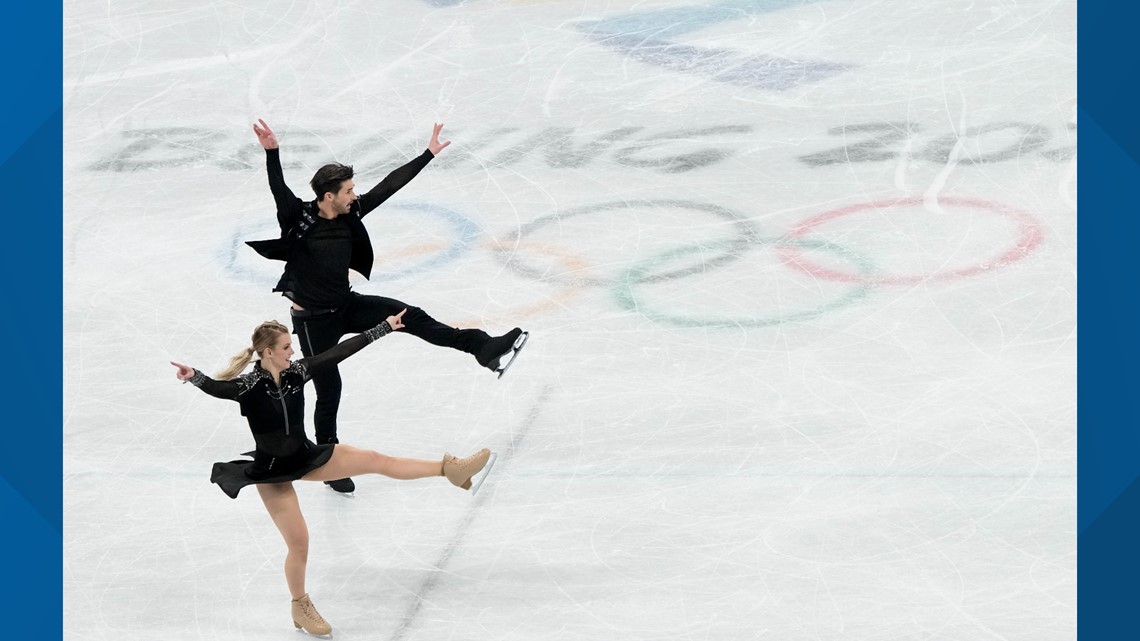
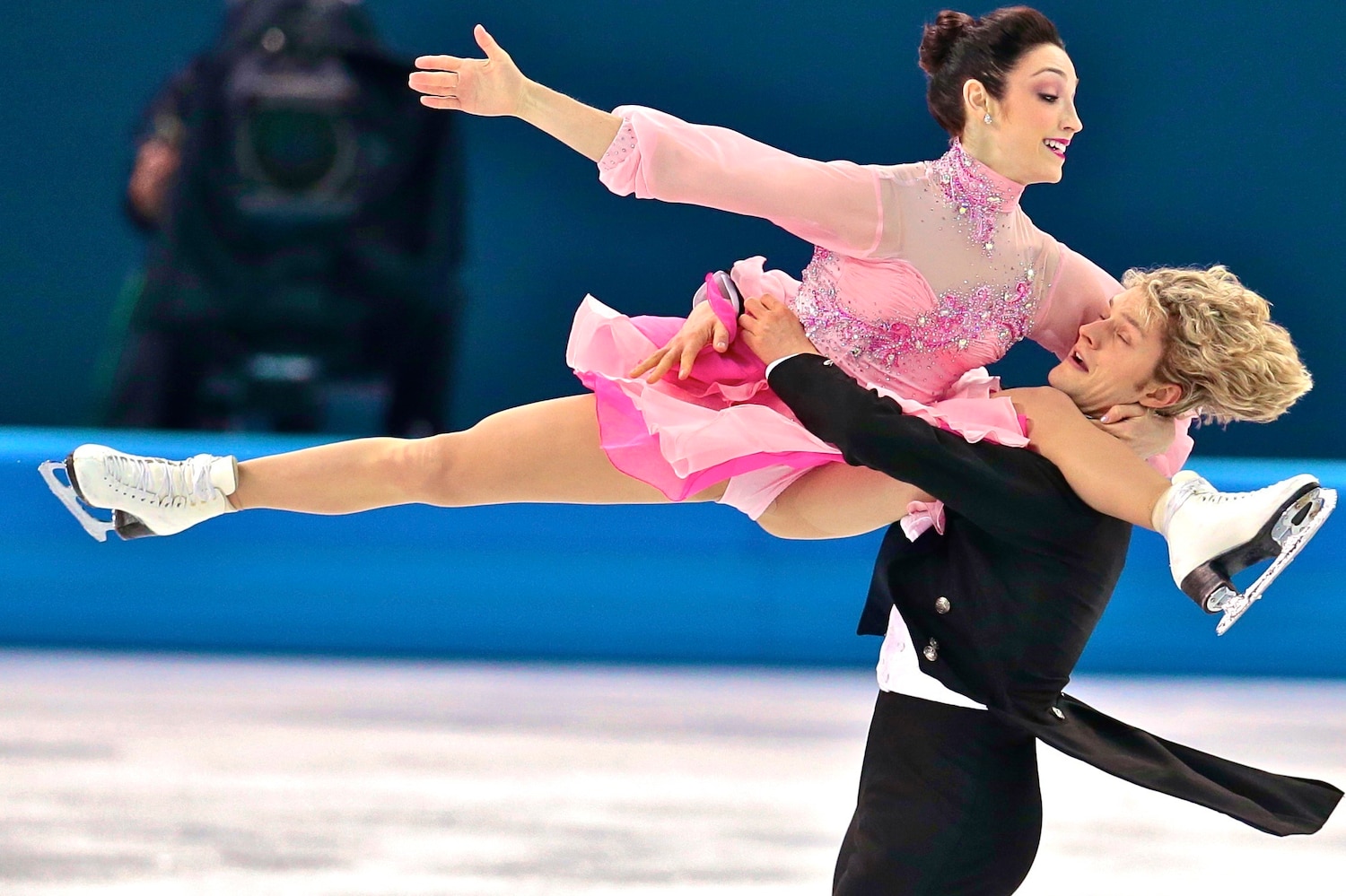
Yes, and the difference is the vibe. Figure skating (specifically singles and pairs) is about jumping as high as possible and landing on a toothpick. Ice dancing is about not jumping. Lifts cannot go above the shoulder, which forces the skaters to get creative with their flexibility and rotation speeds. It’s more about intricate footwork, precise rhythm, and interpretive movement. Think of it as ballroom dancing while wearing knives and trying not to fall on your face. The rules are incredibly strict about the separation of partners and the difficulty of the dance patterns. It requires a different kind of athleticism—one focused on core strength and leg speed rather than explosive vertical power. So while a singles skater might wow you with a quadruple Axel, an ice dancer will wow you by making a complicated sequence of steps look as effortless as walking. It’s a different beast, and it’s actually the most demanding in terms of musical interpretation.

Another key difference is the music. Singles skaters often choose sweeping dramatic epics or pop songs. Ice dancers are forced to adhere to a specific rhythm or theme each season (like the "Blues" or the "Latin Combo"). This means they have to create a story arc within the constraints of a musical genre. It’s a fascinating creative challenge that often leads to bizarre but iconic performances—think skaters dressed as 1920s gangsters or gothic vampires. The emphasis on "dance" also means the points are skewed heavily toward choreography and performance, whereas in singles, a missed jump can tank your score instantly. It’s a purist’s nirvana and a casual watcher’s existential crisis. But the bottom line? They are not the same. If you call it "the one with the twirling," people will correct you, loudly.
Why Do The Scores Look So Random? Is It Rigged?
The scores are not random, but they are highly subjective, which, in the internet’s eyes, is rigged. The ISU Judging System awards points for elements (technical) and then a separate score for Program Components (composition, presentation, skating skills). The tech element scores are relatively objective—you do a step sequence, you get a base value, and the judges add or subtract for quality. However, the component scores are a massive gray area. There is no rubric for "passion" or "artistry," so judges rely on vibes, reputation, and, sometimes, political alliances. This leads to the classic "skating inflation" controversy where legacy teams or those from powerful federations (Russia, Canada, USA) get a bump in scores even when they have a visible stumble.
However, "rigged" is a strong word. More accurately, it’s a bubbling cauldron of human bias. The judging panel is comprised of people from different countries, and there is inherent national bias. They are also human, prone to being swayed by a pretty costume or a dramatic last pose. The sport has tried to fix this by anonymizing judges' scores, but the internet is still able to detect patterns. So, is it a conspiracy? Not in the Illuminati sense, but it’s a deeply flawed system that rewards reputation and kudos—the idea that you've paid your dues. The best advice is to treat the scoreboard as a play. Don’t get angry; just appreciate the theatrics of the judges’ math. The odds are stacked towards the chalk favorites, and that’s part of the sport’s charm. The drama isn't in the outcome; it's in the auditor's spreadsheet.
Can I Actually Learn Ice Dancing As An Adult?
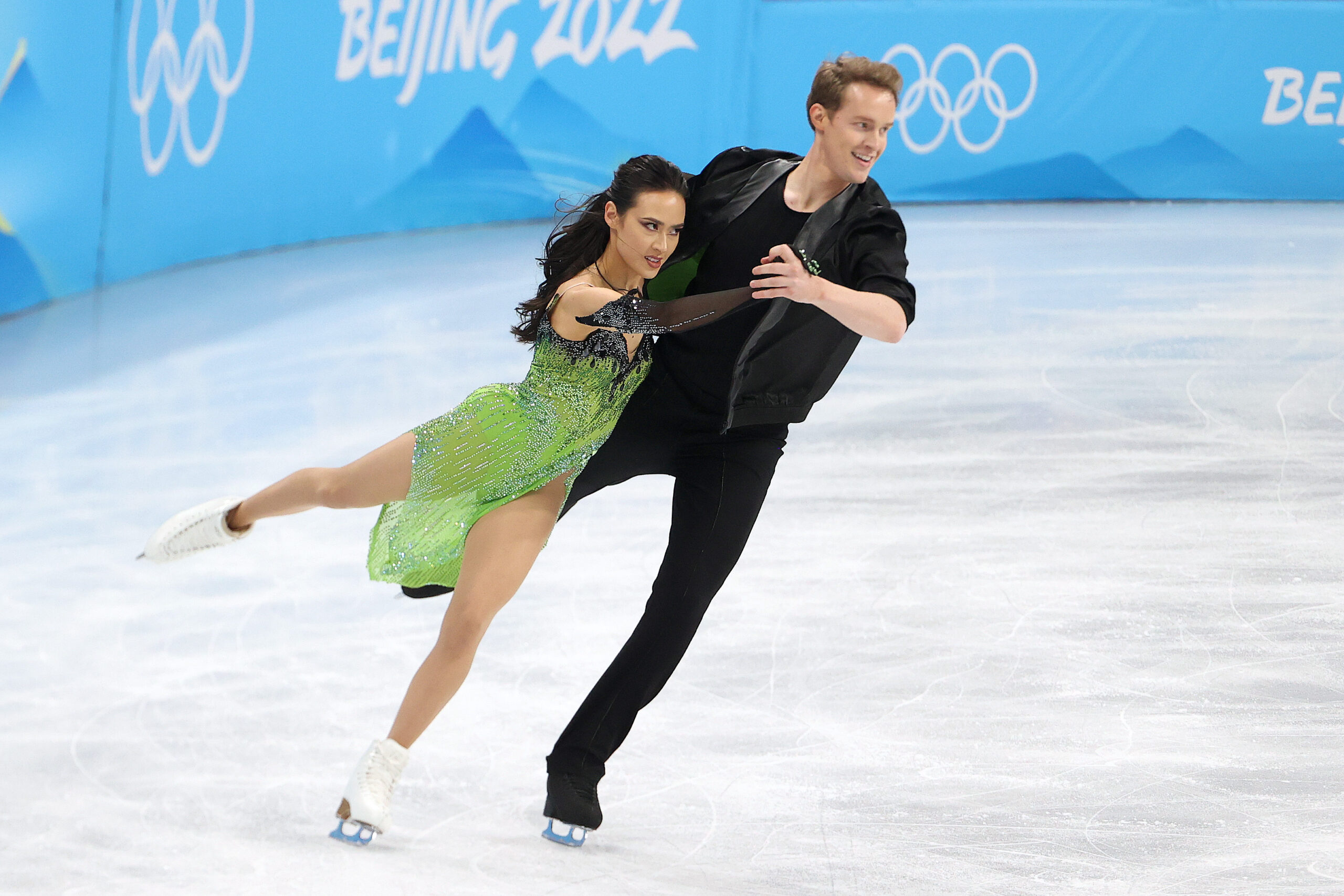
Absolutely, but you will not be an Olympian, and you must accept that now to protect your soul. Adult learn-to-skate programs are thriving, and many rinks offer "Dance on Ice" classes that are essentially Zumba with blades. The secret is that you don't need to be a master of jumps to enjoy ice dancing. The focus is on edge control, rhythm, and posture. You can learn the basic "Swing" dance or the "Ten-Fox Trot" pattern at a glacial pace. It’s an incredible workout that engages your core and glutes in ways the gym can't. The learning curve is steep—you will fall, and your knees will hate you—but the satisfaction of gliding backward with arms extended is unmatched.
Your wallet, however, will feel the burn more than your quads. Ice time is expensive, rentals are gross, and private coaching is a luxury. Start with group classes. They are cheaper and provide a social safety net. You will feel like a baby giraffe, but everyone else is too focused on their own balance to laugh at you. The community is surprisingly supportive; adult skaters are a proud and niche group who bond over their bruised tailbones. The biggest hurdle is ego, not physics. If you approach the ice with the same humility you have when trying a new dance move in a club (i.e., "I might look stupid, but let's go"), you will thrive. And who knows? Maybe in a few years, you'll be performing a mediocre "rhythm dance" at a local showcase, and that will be your Olympic gold.
Is this a passing fad? Unlikely. The #IceDanceTok phenomenon taps into a deeper cultural craving for unapologetic maximalism. In a world of minimalist aesthetics and AI-generated content, watching two humans use every ounce of their physicality to tell a story with genuine emotion is refreshing. It’s not just a sport; it’s a resistance to the ironic detachment of modern internet culture. The drama, the costumes, and the audacity of it all feel deeply permanent. It has become a permanent fixture in the cyclical Olympic hype schedule, but unlike other sports that fade into obscurity between Games, the content machine for ice dance stays running year-round.
So, is it a temporary blip or a permanent lifestyle change? It’s a full-blown personality trait now. It’s in our feeds, our group chats, our vocabulary. We have evolved from casually watching to passionately analyzing. As long as there are skaters willing to wear shocking pink fringe and skate to a heavy metal cover of a Tchaikovsky piece, we will be there, clutching our pearls and refreshing the live scores. The obsession is real, the sequins are permanent, and the twizzles are here to stay.