Is Skin Cancer Contagious If You Touch It

When it comes to skin cancer, there are a lot of misconceptions floating around. One of the most common questions is: can you catch skin cancer if you touch someone who has it? The short answer is no, skin cancer is not contagious. You can't "catch" it by touching someone who has it, just like you can't catch a cold or flu from someone with a skin cancer diagnosis.
But before we dive into the details, let's set the record straight: skin cancer is a serious business. According to the American Cancer Society, over 9,500 people are diagnosed with skin cancer every day. That's a staggering number, and it's essential to understand the risks and take preventative measures. So, what exactly is skin cancer, and how does it happen?
Understanding Skin Cancer
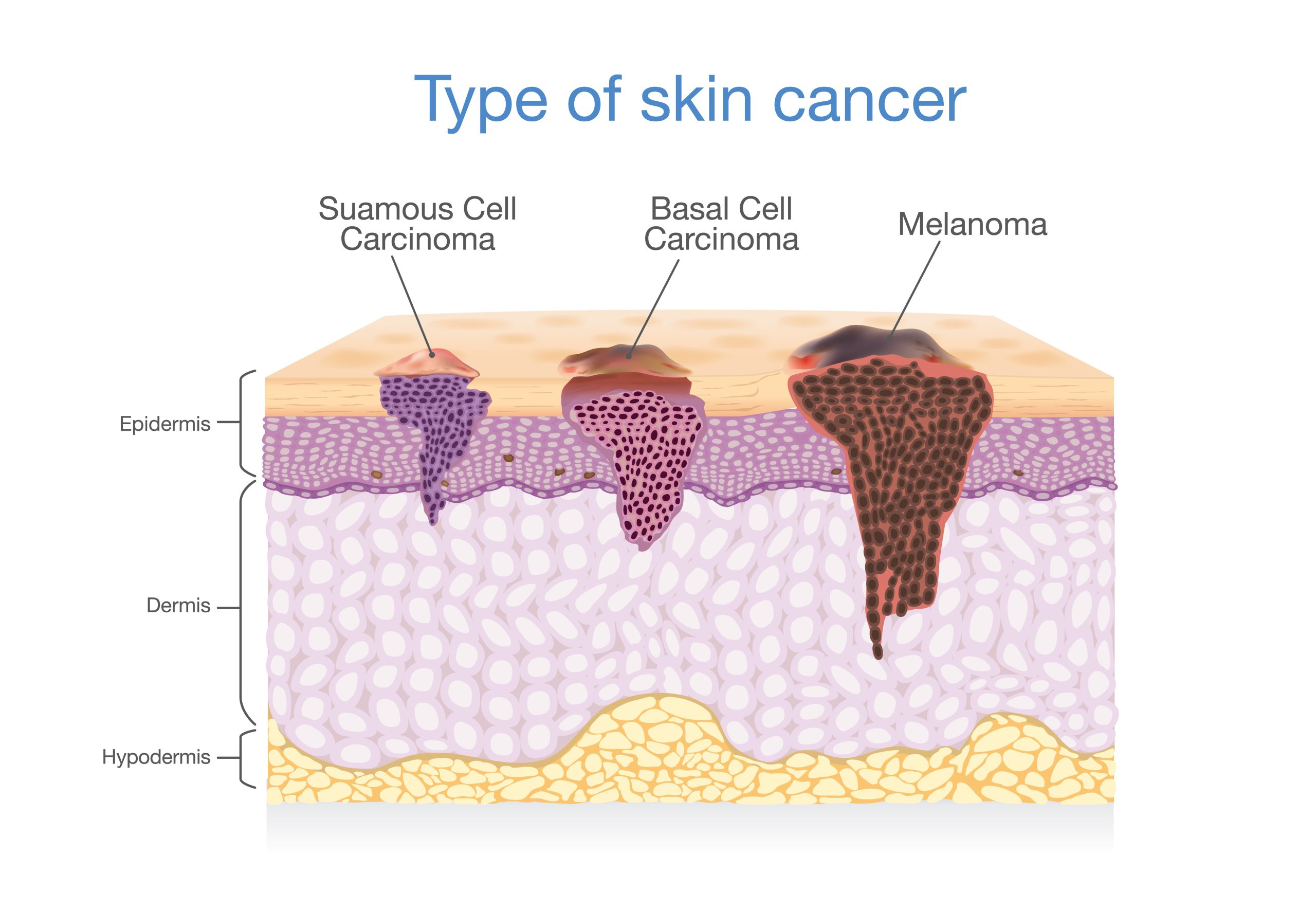
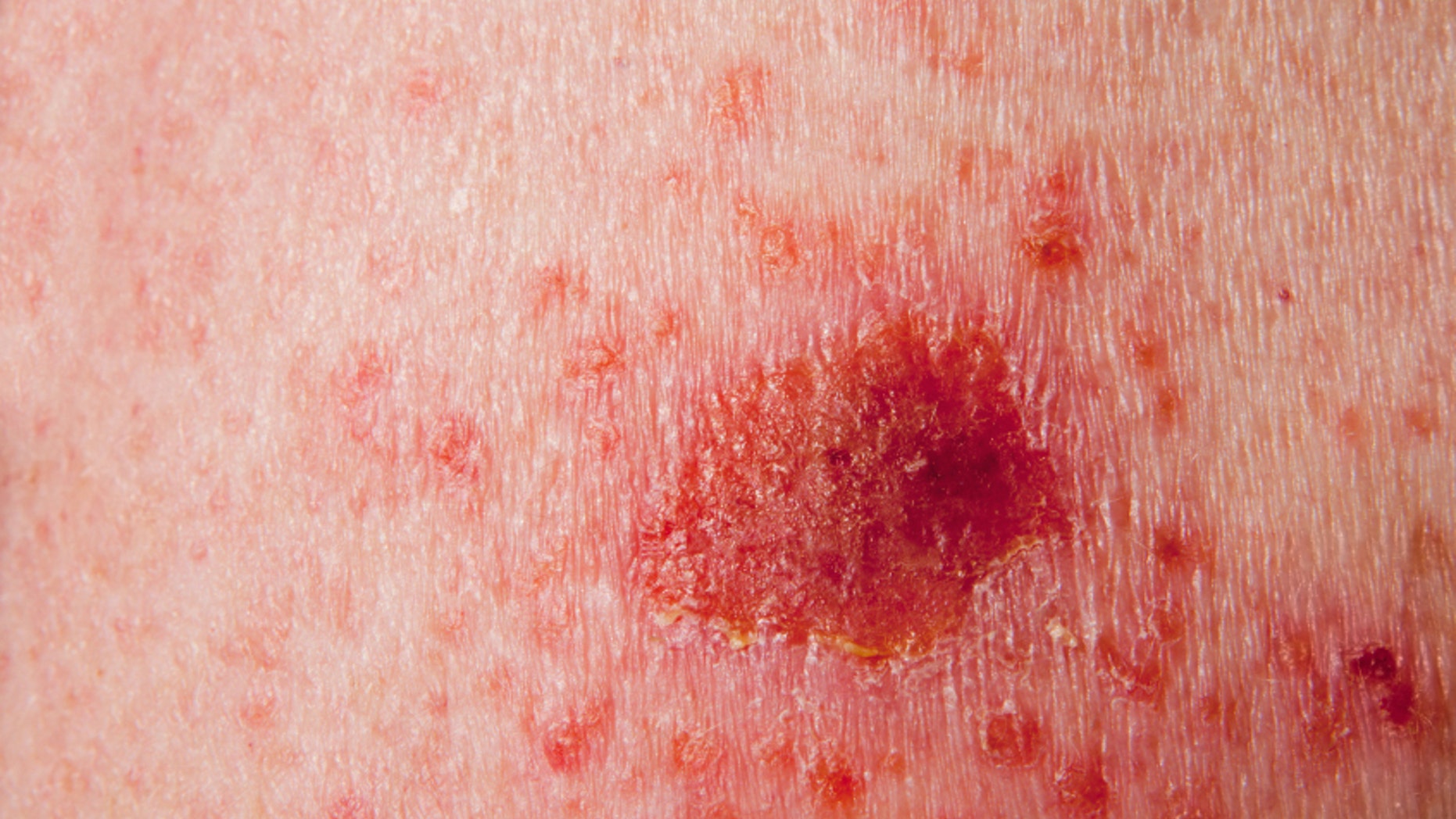
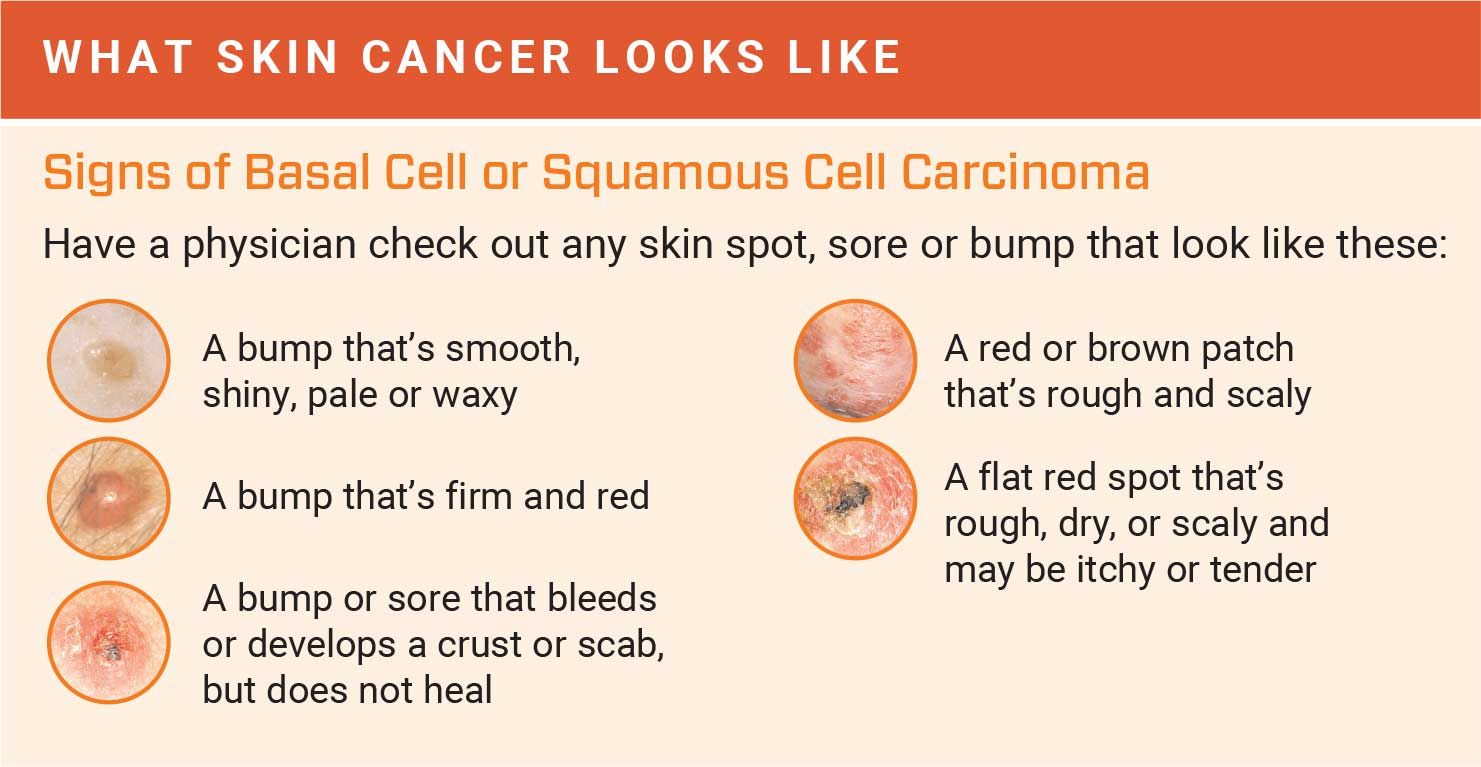
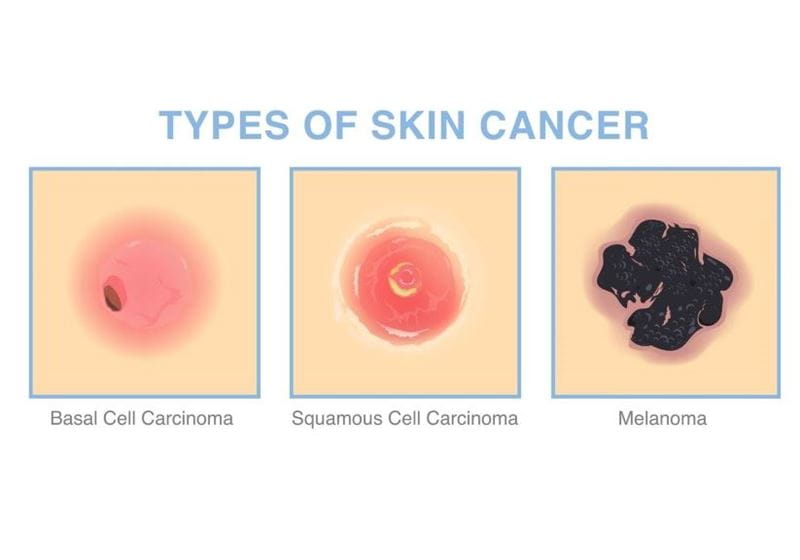
Skin cancer occurs when there's an abnormal growth of skin cells, which can be caused by a combination of genetic and environmental factors. The three main types of skin cancer are basal cell carcinoma, squamous cell carcinoma, and melanoma. Each type has its own set of characteristics, and some are more aggressive than others.
Now, let's talk about the contagious aspect (or lack thereof). Since skin cancer isn't caused by a virus or bacteria, it can't be transmitted through touch or any other means. You can hug, kiss, or shake hands with someone who has skin cancer without worrying about "catching" it. It's essential to remember that skin cancer is a personal health issue, not something that can be transmitted to others.
Debunking the Myths
There are many myths surrounding skin cancer, and it's time to set the record straight. For example, some people believe that skin cancer is only caused by sun exposure, but that's not entirely true. While UV radiation is a significant risk factor, other factors like genetics, age, and immune system function also play a role.
In fact, some skin cancers can be caused by viruses, like the human papillomavirus (HPV). However, this doesn't mean that skin cancer is contagious in the classical sense. It's more about the underlying causes and risk factors that contribute to the development of skin cancer. So, let's be clear: skin cancer isn't something you can "catch" from someone else.
So, what can you do to reduce your risk of developing skin cancer? For starters, practice sun safety by wearing protective clothing, seeking shade, and using a broad-spectrum sunscreen with at least SPF 30. It's also essential to get regular check-ups with your dermatologist, especially if you have a family history of skin cancer.
Practical Tips for Prevention
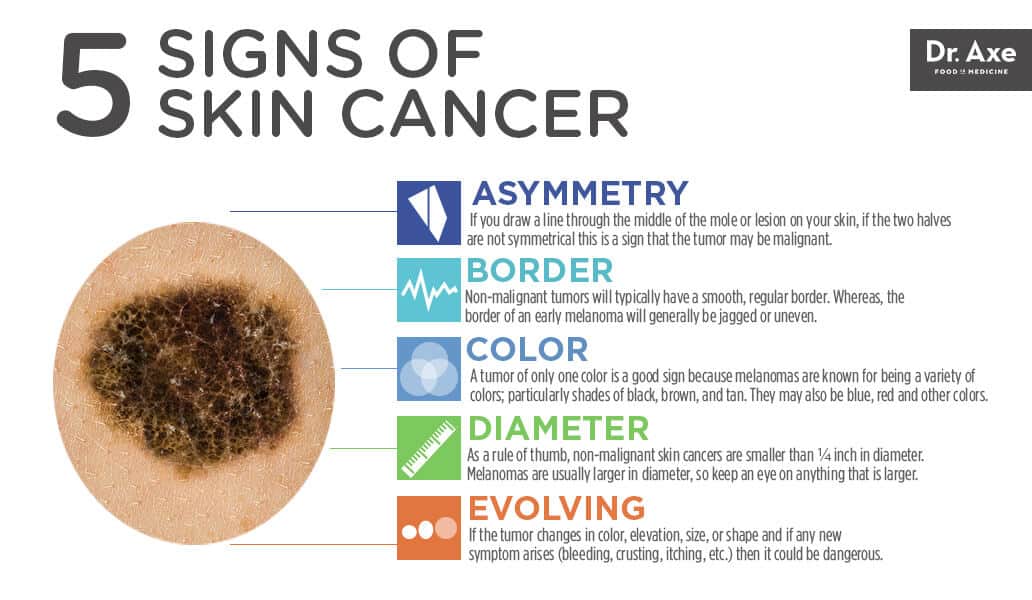
Preventing skin cancer is all about being proactive. Here are some practical tips to get you started: wear protective clothing when spending time outdoors, avoid tanning beds, and get familiar with your skin so you can spot any changes or abnormalities. It's also essential to stay informed about the latest skin cancer research and developments.
In fact, some of the most innovative treatments for skin cancer involve immunotherapy, which harnesses the power of the immune system to fight cancer cells. It's an exciting time in the world of skin cancer research, and there's hope on the horizon for new and effective treatments. So, let's stay positive and focus on prevention and early detection.
Cultural References and Fun Facts
Skin cancer has been a cultural phenomenon for centuries, with ancient civilizations like the Egyptians and Greeks documenting cases of skin cancer. In fact, the first recorded case of skin cancer dates back to around 3000 BCE. Today, skin cancer is a global health issue, with over 1 million cases diagnosed every year.
But despite the seriousness of skin cancer, there are some fun facts to lighten the mood. For example, did you know that sunglasses can help prevent skin cancer? It's true: wearing sunglasses with UV protection can reduce your risk of developing skin cancer on your eyelids and surrounding skin. Who knew that looking cool could also be good for your health?
As we wrap up this article, let's take a moment to reflect on our daily lives. How many of us take our skin health for granted, assuming that skin cancer won't happen to us? The truth is, skin cancer can affect anyone, regardless of age, skin type, or background. So, let's make a conscious effort to prioritize our skin health, whether it's through preventive measures or regular check-ups with our dermatologist.
In the end, it's all about being proactive and informed. By understanding the risks and taking steps to reduce our risk, we can enjoy the sunshine while also protecting our skin. So, go ahead and soak up the sun – but don't forget your sunscreen and a healthy dose of skin awareness. Your skin will thank you, and you might just reduce your risk of developing skin cancer in the process.