Is Queefing During Sex Normal

Queefing, the often-misunderstood and taboo topic, has been a part of human sexual experience for centuries. Despite its long history, it remains a subject of whispers, giggles, and, unfortunately, shame. The term "queef" itself refers to the sound of air escaping the vagina during or after vaginal penetration, which can occur during sex, masturbation, or even exercise. As we explore this topic, we'll delve into its history, psychological aspects, and cultural impact, aiming to normalize and demystify queefing.
Throughout history, discussions around queefing have been scarce and often shrouded in secrecy. In ancient civilizations, such as Greece and Rome, sexual manuals and medical texts rarely mentioned vaginal sounds during intercourse. However, in more recent times, with the rise of sex-positive movements and open discussions about sexuality, queefing has started to emerge from the shadows. Today, it's essential to address queefing openly, especially considering its relevance to female sexual health and the removal of stigma surrounding natural bodily functions.
Understanding Queefing: The Basics and Beyond
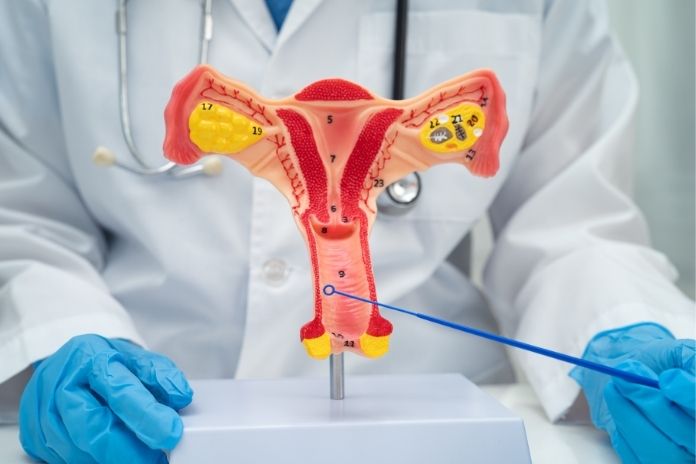
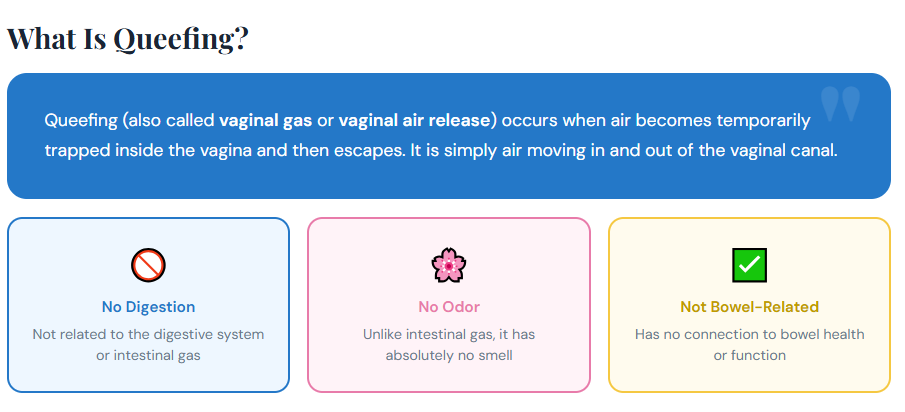
At its core, queefing is a natural bodily function that occurs when air enters the vagina and is then released, creating a sound. This can happen for a variety of reasons, including positions during sex that allow air to enter the vagina, relaxation of the pelvic muscles, or even due to certain types of exercise that involve jumping or sudden movements. It's essential to recognize that queefing is not related to flatulence and is a distinct phenomenon. Understanding these basics is key to dispelling myths and misconceptions surrounding queefing.
Must Read
From a psychological standpoint, queefing can impact individuals differently. For some, it may cause embarrassment or anxiety, potentially affecting their sexual experiences and relationships. On the other hand, open communication with partners and acknowledging queefing as a natural part of sexual activity can strengthen intimacy and trust. It's also crucial to consider the cultural context, where societal norms and expectations can influence how individuals perceive and deal with queefing. In some cultures, there's a greater emphasis on body positivity and sexual freedom, which can lead to more open discussions about queefing.
Culturally, queefing has started to appear more frequently in media and comedy, often as a way to break the ice or challenge traditional notions of sexuality. While these mentions can help normalize queefing, they also risk trivializing it or reinforcing negative stereotypes if not handled thoughtfully. A balanced approach that combines humor with educational content can help shift the narrative towards a more positive and inclusive understanding of queefing.
Navigating Queefing in Real-Life Scenarios
In practical terms, queefing can be managed or understood within the context of sexual health and relationships. For individuals who experience queefing, open communication with their partner is crucial. Discussing queefing can help alleviate anxiety and embarrassment, fostering a more comfortable and enjoyable sexual experience. It's also important to remember that queefing is not a reflection of sexual attractiveness or desirability, and it does not indicate any underlying health issues unless accompanied by other symptoms like discomfort or pain.
Case studies and anecdotal evidence suggest that education and awareness are key factors in how individuals perceive and handle queefing. Those who are informed about queefing and view it as a normal part of sexual function are more likely to embrace it and less likely to let it negatively impact their sexual experiences. Furthermore, sex-positive education that includes discussions on queefing can help create a more inclusive and supportive environment for sexual exploration and expression.
For partners of individuals who experience queefing, support and understanding are vital. By acknowledging queefing as a natural phenomenon and not something to be ashamed of, partners can help create a safe and supportive sexual environment. This involves active listening, empathy, and a commitment to open communication, ensuring that both partners feel comfortable discussing their feelings and concerns.
In terms of actionable advice, individuals can take several steps to manage queefing if it causes them distress. This includes experimenting with different sexual positions to minimize the occurrence of queefing, practicing pelvic floor exercises to strengthen the muscles around the vagina, and engaging in open and honest dialogue with their partner about their feelings and preferences. Additionally, consulting a healthcare provider can provide reassurance and address any concerns about sexual health.
Frequently Asked Questions
Is Queefing a Sign of Poor Health?
Queefing itself is not typically a sign of poor health or an indication of any underlying medical condition. It's a natural occurrence that happens when air enters and then is released from the vagina. However, if queefing is accompanied by other symptoms such as pain, discomfort, or bleeding, it's advisable to consult a healthcare provider to rule out any potential health issues.
Can You Prevent Queefing Entirely?
While it's not possible to completely prevent queefing, as it's a natural bodily function, individuals can take steps to minimize its occurrence. This includes trying different sexual positions that are less likely to cause air to enter the vagina, practicing relaxation techniques to reduce tension in the pelvic area, and wearing clothing that allows for a full range of motion to prevent discomfort or restriction. Additionally, maintaining good sexual health, including regular check-ups and open communication with partners, can also play a role in managing queefing.
In some cases, pelvic floor exercises, such as Kegel exercises, may help strengthen the muscles around the vagina, potentially reducing the likelihood of queefing. However, it's essential to approach these exercises with a realistic expectation and understand that queefing can still occur even with strong pelvic muscles. The key is to focus on overall sexual wellness and not to view queefing as something that needs to be entirely eliminated.
How Does Queefing Affect Relationships?
Queefing can affect relationships in various ways, depending on the individuals involved and their attitudes towards it. For some couples, queefing might become a source of humor and intimacy, bringing them closer together as they learn to navigate and discuss it openly. In other cases, it could lead to embarrassment or discomfort, potentially straining the relationship if not addressed with care and understanding.
The impact of queefing on relationships underscores the importance of communication and mutual respect. By discussing queefing and other sexual concerns openly, couples can work through any issues that arise, fostering a healthier and more fulfilling relationship. This involves creating a safe space for conversation, where both partners feel heard and understood, and where queefing is viewed as a natural part of their sexual experience rather than a source of shame or anxiety.
Is Queefing More Common in Certain Types of Sexual Activities?
Queefing can occur during a variety of sexual activities, but it's more commonly associated with vaginal penetration, whether through intercourse or the use of sex toys. Positions that allow for deeper penetration or involve the entrance of air into the vagina are more likely to result in queefing. However, it can also happen during other forms of sexual play, such as oral sex or masturbation, if these activities involve the introduction of air into the vagina.
The likelihood of queefing during certain sexual activities can depend on several factors, including individual anatomy, the level of relaxation, and the specific techniques being used. For example, positions that involve rear-entry or deep thrusting might be more likely to cause queefing due to the increased potential for air to enter the vagina. Understanding these dynamics can help individuals and couples make informed decisions about their sexual activities and how to manage queefing if it becomes a concern.
Can Queefing Be a Sign of Something Positive?
In some contexts, queefing can be seen as a sign of sexual arousal or relaxation, indicating that the individual is feeling comfortable and engaged in the sexual activity. This perspective highlights the importance of viewing queefing within the broader context of sexual health and function, rather than isolating it as a potential problem. When queefing is understood and accepted as a natural part of sexual experiences, it can contribute to a more positive and open-minded approach to sexuality.

This positive perspective on queefing also reflects a broader cultural shift towards body positivity and sexual liberation, where natural bodily functions are acknowledged and respected rather than stigmatized. By embracing queefing as a natural aspect of human sexuality, individuals can work towards a healthier relationship with their bodies and a more fulfilling sexual life, free from unnecessary anxieties or shame.
Reflecting on the topic of queefing, it's clear that it intersects with many aspects of human life, from sexual health and relationships to cultural norms and personal identity. By exploring and understanding queefing, we can gain insights into the complexities of human sexuality and the importance of open communication and education in fostering healthy and positive sexual experiences.
The connection between queefing and human nature is profound, touching on fundamental aspects of intimacy, vulnerability, and connection. It highlights the need for empathy and understanding in our approaches to sexuality, encouraging us to normalize discussions around natural bodily functions and sexual experiences. This not only helps in demystifying queefing but also contributes to a broader movement towards sexual wellness and body positivity.
Ultimately, the journey towards a more inclusive and compassionate understanding of queefing is part of a larger path towards sexual liberation and personal empowerment. By embracing our natural bodily functions and sexual experiences, we can work towards creating a more supportive and inclusive environment for all individuals to express themselves freely and without shame. This involves a commitment to education, open dialogue, and self-awareness, recognizing that our sexual health and well-being are integral parts of our overall human experience.