Is Quail Farming Profitable In Kenya
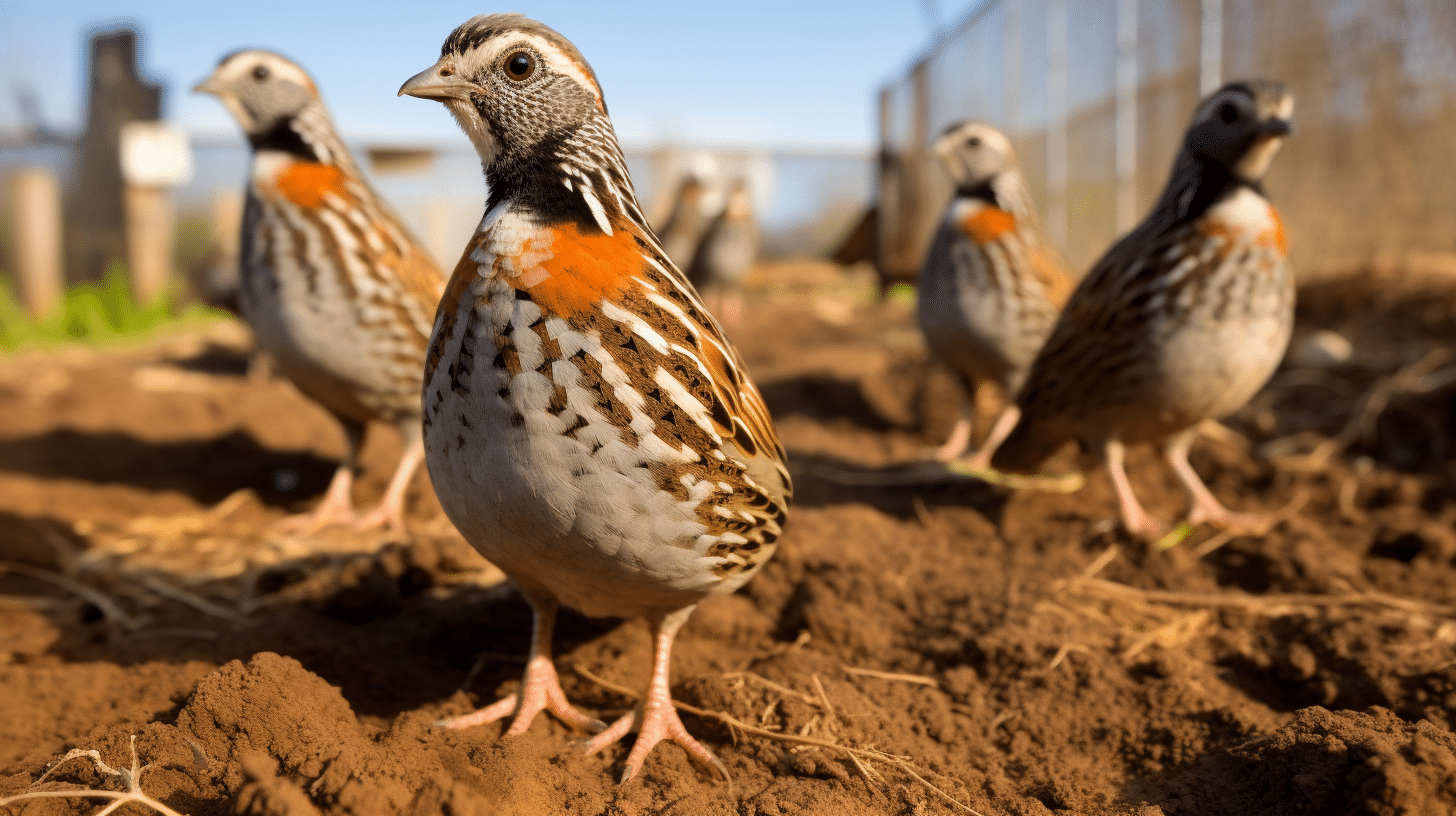
Kenya’s love affair with quail farming is less about feathers and more about cold, hard cash—but with a charmingly quirky twist. It started as a get-rich-quick fad in 2016, yet unlike many bubbles, it has settled into a reliable side hustle for thousands of farmers, from city rooftop coops to rural shambas. The real secret? Quails are tiny, noisy, and ridiculously productive, making them the perfect livestock for anyone with a spare corner and a sense of adventure.
For artists, hobbyists, and casual learners, quail farming is a living canvas—you don’t just raise birds, you engineer a micro-ecosystem. You’ll learn about feed conversion ratios, egg incubation, and predator-proof housing, all while feeling like a mad scientist with feathers. It’s a hands-on biology lesson that pays you back in omelets, and the learning curve is gentle enough for a weekend tinkerer.
Beyond the numbers, quails offer creative variations that keep things fresh. Some keepers focus on jumbo Coturnix for meat, while others swear by the Italian (Tibetan) breed for its majestic plumage and dual-purpose value. You can even specialize in hatching eggs for schools or sell live chicks to newbies—each niche is a different puzzle to solve.
Must Read
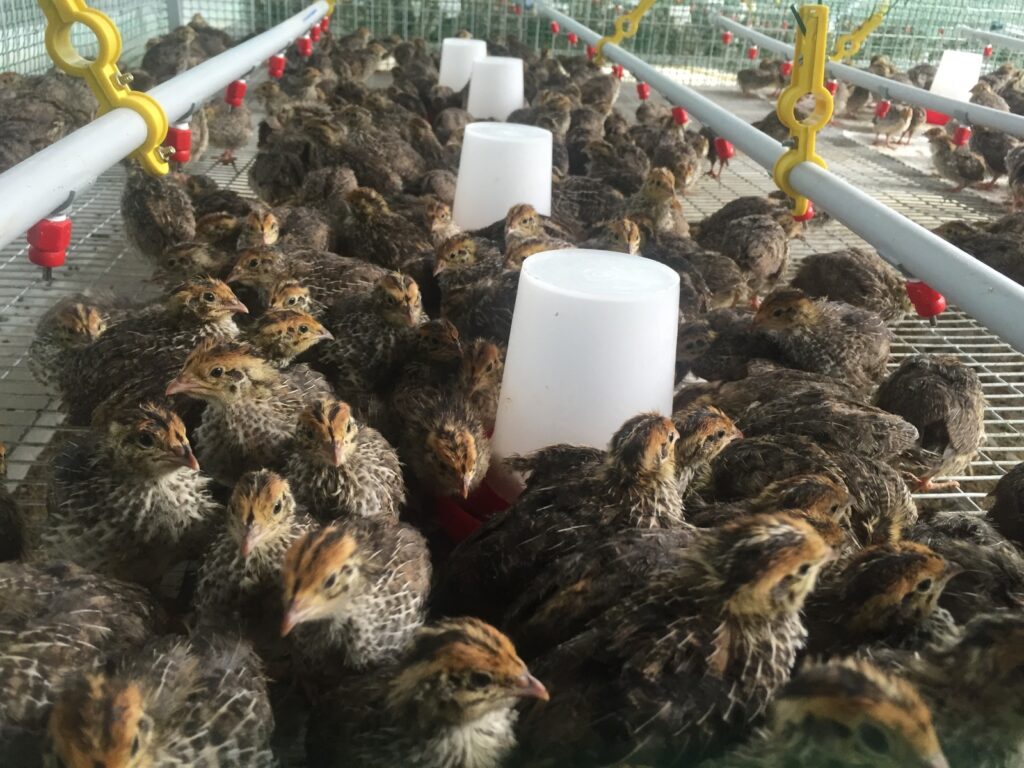
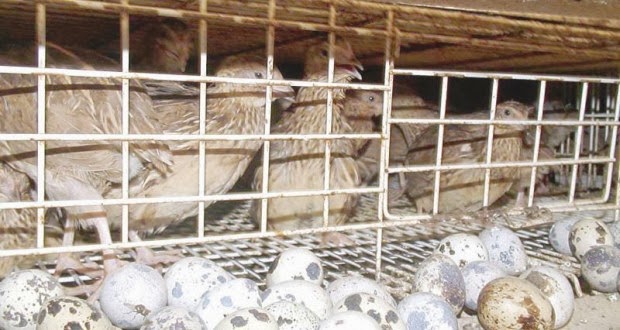
Let’s talk profit, because that’s the heartbeat of this story. A single hen lays 250–300 eggs a year, and at current Kenyan market rates (KSh 15–20 per egg), a flock of just 50 birds can gross nearly KSh 20,000 annually—before you sell the spent hens for meat. Feed costs are the biggest villain, but with homegrown greens and kitchen scraps, you can slash that by half. The real gold is in day-old chicks: selling 100 chicks at KSh 80 each beats selling 100 eggs at KSh 15 any day.
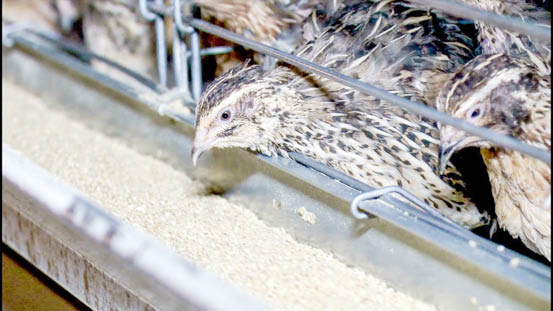
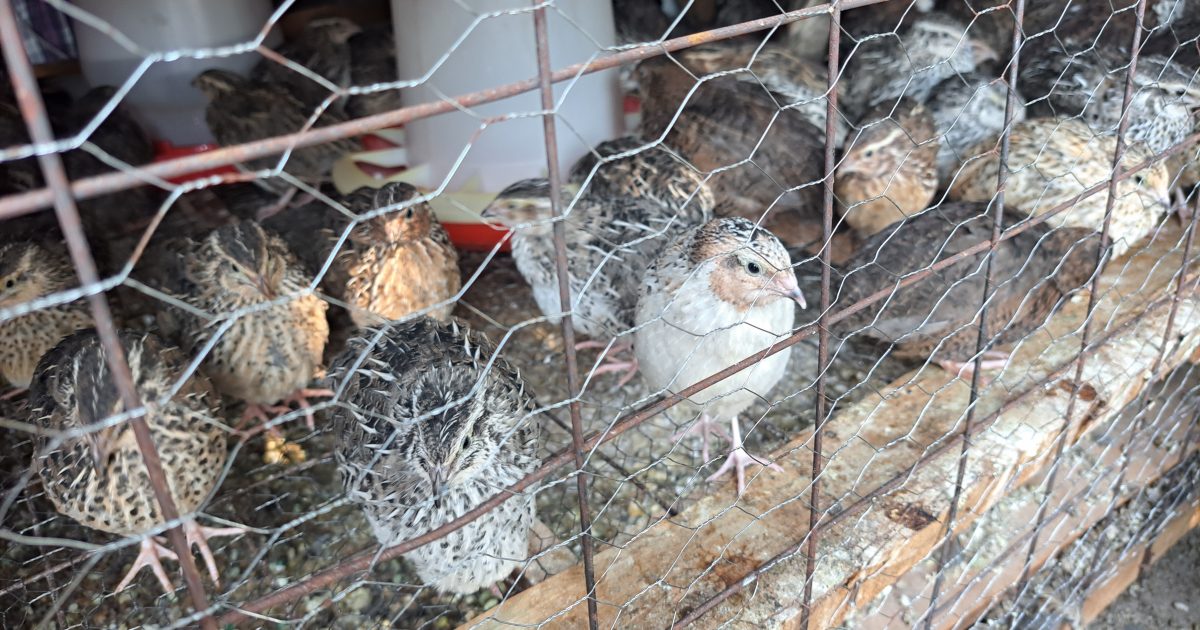
If you’re itching to try this at home, start small—10 birds is plenty for a learning curve. Build a simple wire cage (2 feet by 3 feet, raised off the ground) and feed them a mix of layers mash and chopped vegetables. Don’t overthink the noise: males crow like creaky doors, but only in the morning, and neighbors often find it charming. Finally, track every shilling you spend on feed and medicine; you’ll be shocked how quickly romantics make way for realists.

The joy here isn’t just the money—it’s the thrill of independence. You wake up to warm eggs, you troubleshoot a tiny hen’s mood, and you watch a six-week-old chick become a laying machine. It’s a hobby that rewards patience with protein and curiosity with profit. Even if you never become a millionaire, you’ll never look at a chicken the same way again—because quails are the underdogs (or under-hens) that teach you that small things, done consistently, grow mighty.
So, is quail farming profitable in Kenya? Yes, if you treat it like a craft, not a casino. The profits are modest but steady, the learning is endless, and the eggs are delicious. Whether you’re a painter needing a muse or a desk-worker craving dirt under your nails, these tiny birds will give you a story worth telling—and a few shillings to fry up. In the end, it’s less about the bank account and more about the satisfying cluck of a job well done.