
Is It Safe To Swallow Semen

The question of whether it is safe to swallow semen is one that has sparked debate and curiosity. To address this, we must first understand the basic composition of semen and its interaction with the human digestive system. Semen is a complex mixture of spermatozoa, fructose, prostaglandins, and other enzymes and proteins. When semen is swallowed, these components are introduced into the digestive system, where they are processed like any other substance. The body's digestive enzymes break down the proteins and other components of semen, which are then either absorbed or excreted.
The digestive system's ability to process semen is a testament to its versatility and resilience. The stomach lining secretes mucins that protect it from the acidic environment needed to break down food, and this same lining can handle the introduction of semen without significant adverse effects for most people. However, individual responses can vary based on factors such as allergies, infections, or pre-existing gastrointestinal conditions. Understanding these basic interactions is crucial for making informed decisions about sexual health and practices.
Addressing the safety of swallowing semen also involves considering the potential risks, such as the transmission of sexually transmitted infections (STIs). The presence of blood-borne pathogens or other infectious agents in semen can pose a risk if safe sex practices are not followed. Therefore, it's essential to engage in open communication with sexual partners about STI testing, protection methods, and sexual health. The intersection of sexual activity, health considerations, and personal choice underscores the importance of education and awareness.
Must Read
Biological and Chemical Considerations
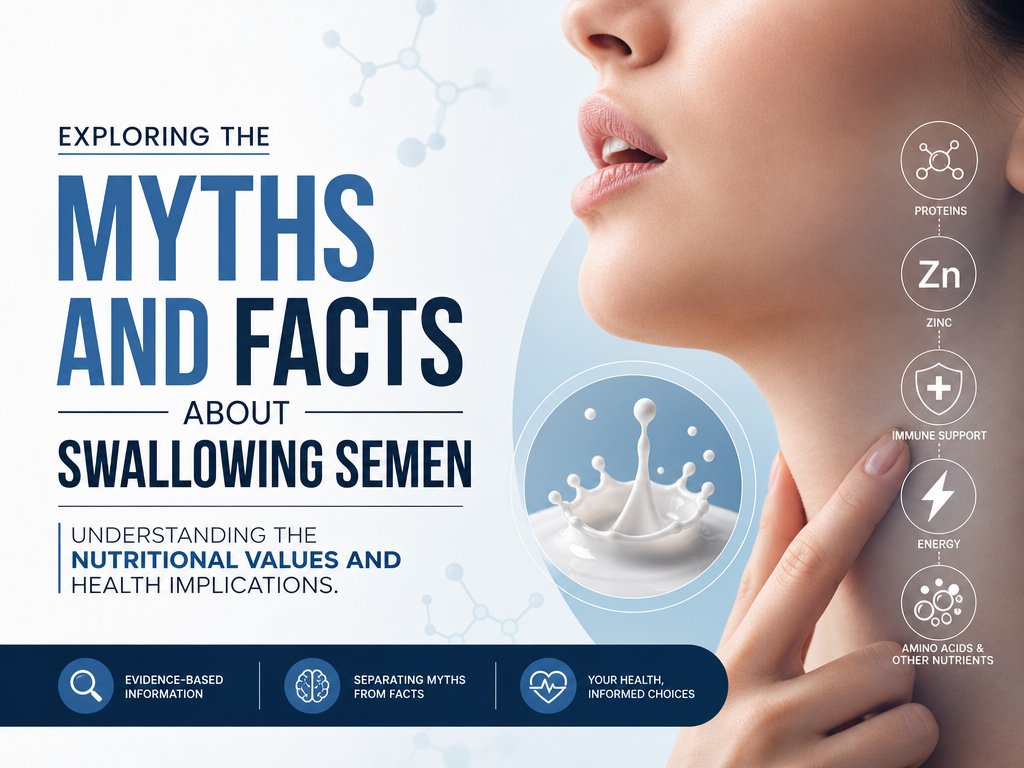
Delving deeper into the biological and chemical aspects of semen and its digestion reveals a complex interplay of hormones, enzymes, and nutrients. Semen contains zinc, which is an essential mineral for numerous bodily functions, including immune function and protein synthesis. However, the amount of zinc in a single ejaculate is not significant enough to provide a substantial nutritional benefit or risk. The prostaglandins present in semen can have various effects on the body, including influencing smooth muscle contraction and potentially affecting inflammatory responses.
The chemical composition of semen also includes fructose, which serves as a primary energy source for spermatozoa. When ingested, this sugar is metabolized like any dietary carbohydrate. Understanding these specifics can help demystify the process of semen digestion and underscore the body's capacity to handle a wide range of substances. It's also crucial to recognize that while semen is generally not harmful when swallowed, it is not a nutritionally significant part of a diet and should not be considered a source of essential nutrients.
The systemic reactions related to swallowing semen can vary widely among individuals, depending on immune responses, allergenic sensitivities, and the presence of infections. In rare cases, some individuals may experience allergic reactions to components of semen, which can range from mild discomfort to more severe anaphylactic reactions. Therefore, it's vital to be aware of any adverse reactions and to seek medical advice if concerns arise.

Practical Strategies for Safety and Awareness
To navigate the complexities of sexual health and safety, especially in relation to swallowing semen, it's essential to adopt a set of practical strategies. First, open communication with sexual partners about sexual history, STI status, and preferences is crucial. Regular STI testing is a cornerstone of safe sex practices, providing a foundation for making informed decisions about sexual activities. Additionally, understanding and using protection methods correctly can significantly reduce the risk of STI transmission.
Another critical aspect is self-education on sexual health, including the biology of semen, the risks associated with STIs, and the importance of consent in all sexual encounters. By empowering oneself with knowledge, individuals can make choices that prioritize their health and well-being. Furthermore, being aware of one's own body and health status, including any allergies or conditions that could be relevant, is vital for safe and healthy sexual practices.
Incorporating life hacks for sexual health, such as maintaining good oral health to reduce the risk of bacterial transmission, can also be beneficial. Additionally, practicing good hygiene and being mindful of substance use and its potential impacts on immune function and decision-making are important considerations. By taking a holistic approach to sexual health, individuals can optimize their well-being and safety.
Finally, recognizing the importance of mental health and emotional well-being in the context of sexual relationships is essential. Engaging in activities that promote stress reduction, such as meditation or exercise, can help individuals approach sexual encounters with a clearer mind and a healthier attitude. By addressing both the physical and emotional aspects of sexual health, individuals can cultivate a more positive and safe relationship with their sexuality.

Frequently Asked Questions
Is Swallowing Semen Safe for Everyone?
The safety of swallowing semen depends on various factors, including the presence of STIs, allergies, and individual health conditions. For most people, swallowing semen is not harmful, but it's crucial to consider these factors to ensure safety. Engaging in safe sex practices, such as using protection and getting regularly tested for STIs, can mitigate risks. Additionally, being aware of any allergies or sensitivities to semen components is vital for preventing adverse reactions.
In the case of allergies or sensitivities, symptoms can range from mild discomfort to severe anaphylactic reactions. If an individual experiences any adverse effects after swallowing semen, they should seek medical advice promptly. Furthermore, maintaining open communication with sexual partners about any health concerns or allergies is essential for ensuring mutual safety and respect in sexual relationships.
How Often Can Semen Be Swallowed Safely?
The frequency at which semen can be swallowed safely is not strictly defined and can vary significantly among individuals. The key factors influencing safety are not the frequency of ingestion but rather the presence of STIs, allergies, and individual health status. Engaging in regular STI testing and practicing safe sex can help mitigate risks associated with swallowing semen, regardless of frequency.
For individuals concerned about the potential impacts of frequent semen ingestion, focusing on overall sexual health and well-being is advisable. This includes maintaining a balanced diet, staying hydrated, and managing stress effectively. By prioritizing general health and safety in sexual practices, individuals can minimize potential risks and cultivate a healthier relationship with their sexuality.

Can Swallowing Semen Cause STIs?
Yes, swallowing semen can pose a risk of transmitting STIs if the semen contains pathogens. Certain STIs, such as HIV, hepatitis, and gonorrhea, can be transmitted through contact with infected bodily fluids, including semen. The risk of transmission can be significantly reduced by practicing safe sex, using protection, and ensuring that all partners have been tested for STIs.
To minimize the risk of STI transmission, it's essential to prioritize safe sex practices and regular health check-ups. This includes discussing sexual history and STI status openly with partners, using condoms or other barrier methods correctly, and getting vaccinated against hepatitis B and human papillomavirus (HPV) if recommended by a healthcare provider. By taking these proactive steps, individuals can protect their health and the health of their partners.
Are There Any Long-Term Effects of Swallowing Semen?
The potential long-term effects of swallowing semen are largely dependent on the individual's health status, the presence of STIs, and other factors such as allergies or sensitivities. For most people, swallowing semen does not lead to significant long-term health issues, provided that safe sex practices are followed and any health concerns are addressed promptly.
However, in cases where STIs are contracted through semen ingestion, the long-term effects can be significant and vary depending on the infection. For example, untreated chlamydia or gonorrhea can lead to infertility or chronic pain in some cases. Therefore, prioritizing STI prevention and treatment is crucial for mitigating potential long-term effects. Regular health check-ups and open communication with sexual partners about sexual health can help identify and address any issues early on.

Can Semen Allergies Be Treated?
Yes, semen allergies or sensitivities can be treated and managed. The first step involves identifying the allergen and assessing the severity of the reaction. In some cases, desensitization therapy may be recommended, which involves gradual exposure to small amounts of the allergen to build tolerance. Additionally, managing symptoms with antihistamines or other medications can help alleviate discomfort and prevent severe reactions.
In severe cases, avoiding exposure to semen or using protection during sexual activities may be necessary. It's also important for individuals with semen allergies to communicate openly with their sexual partners about their condition, ensuring that both parties are aware of the risks and take appropriate precautions. By prioritizing sexual health and seeking medical advice when needed, individuals can manage their condition effectively and maintain healthy sexual relationships.
Respecting the science behind the safety of swallowing semen empowers individuals to make informed decisions about their sexual health and practices. By understanding the biological, chemical, and systemic reactions involved, as well as the potential risks and benefits, individuals can cultivate a more positive and respectful relationship with their sexuality. This approach not only enhances personal well-being but also contributes to a culture of openness, education, and mutual respect in sexual relationships.
Embracing a data-driven and pragmatic view of sexual health allows for the optimization of safety and pleasure in sexual encounters. By focusing on education, communication, and mutual respect, individuals can navigate the complexities of sexual relationships with confidence and awareness. This mindset extends beyond the realm of sexual health, promoting a more holistic approach to well-being that values knowledge, empowerment, and the pursuit of healthy, fulfilling relationships.
)