Is It Safe To Have Sex With Yeast Infection
-1761638491266.jpg)
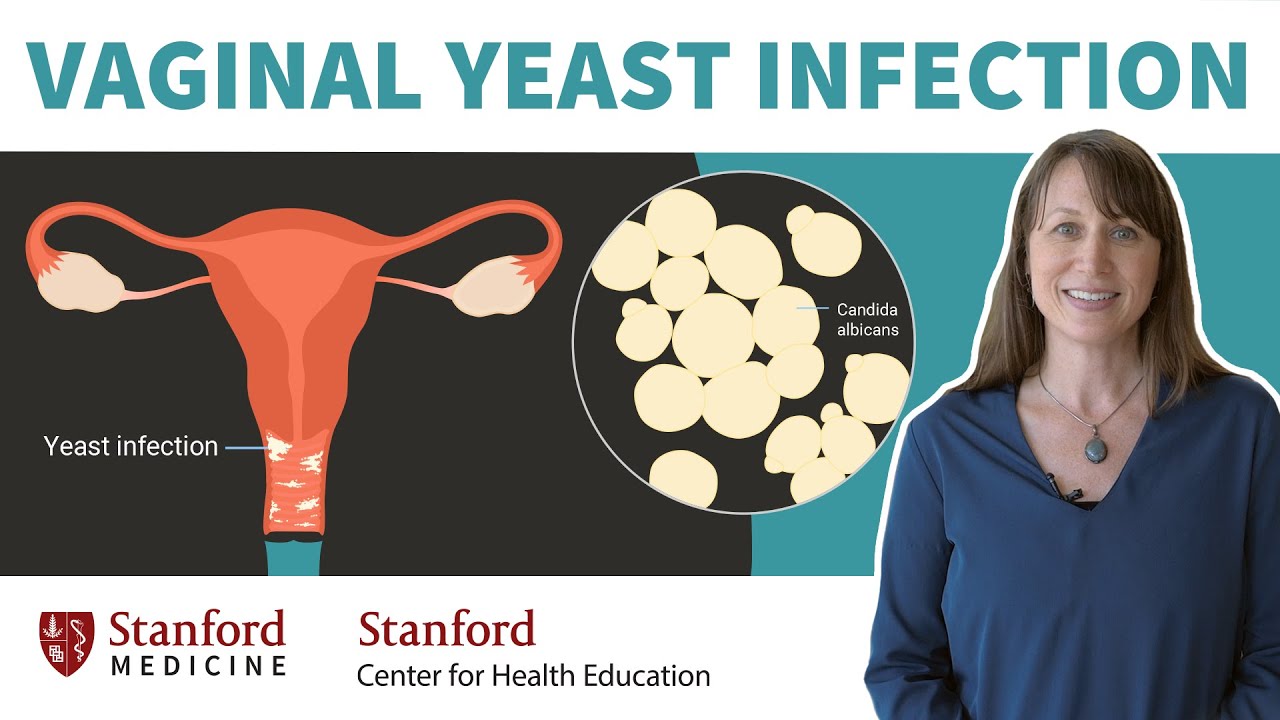
The human body is a complex and fascinating system, with trillions of microorganisms living within and around us. One of the most common types of infections is the yeast infection, caused by an overgrowth of Candida albicans in the vaginal area. When it comes to intimacy, many people wonder if it's safe to have sex with a yeast infection. To answer this question, we need to delve into the biology of yeast infections and how they interact with our daily lives.
A yeast infection is essentially a disruption of the natural balance of microorganisms in the vagina. When the balance is upset, Candida albicans can overgrow, leading to symptoms such as itching, burning, and discharge. In most cases, yeast infections are not sexually transmitted, but they can be transferred through skin-to-skin contact. This means that having sex with a yeast infection can potentially spread the infection to your partner, especially if you have an open sore or cut.
However, it's essential to note that not all yeast infections are created equal. Mild yeast infections may not cause significant symptoms, and in some cases, they may even clear up on their own. But if you're experiencing severe symptoms or if you have a weakened immune system, it's crucial to take steps to manage the infection before engaging in intimate activities. By understanding the biological mechanisms behind yeast infections, we can take control of our health and make informed decisions about our bodies.
Must Read
- Heart Of Mexico City Football: Pinpointing The Azteca Stadium Location
- Guadalajara Stadium Parking Guide: Avoid The Matchday Traffic
- Houston Stadium Bag Policy: Clear Bag Rules For Visitors
- Sofi Stadium Capacity: How Many Fans It Can Hold
- Reliant Stadium Parking: A Guide To The Old Name And Current Venue
Understanding Yeast Infections
To truly grasp the concept of yeast infections, we need to explore the lesser-known biological reactions that occur within our bodies. When Candida albicans overgrows, it can produce toxins that irritate the vaginal tissue. This can lead to inflammation and discomfort, making it difficult to engage in intimate activities. Furthermore, hormonal changes can also influence the growth of Candida, making it essential to consider the interplay between hormones and yeast infections.
Another critical aspect of yeast infections is the role of the immune system. When our immune system is weakened, we become more susceptible to infections, including yeast infections. This is why it's essential to maintain a healthy lifestyle, with a balanced diet, regular exercise, and sufficient sleep. By supporting our immune system, we can reduce the risk of developing yeast infections and other illnesses.
In addition to understanding the biology of yeast infections, it's also crucial to recognize the chemical and systemic reactions that occur within our bodies. For example, antibiotics can disrupt the natural balance of microorganisms in the vagina, leading to an overgrowth of Candida. Similarly, hormonal birth control can also influence the growth of Candida, making it essential to consider the potential interactions between medications and yeast infections.
Managing Yeast Infections
To master the topic of yeast infections, we need to focus on practical strategies that can help us prevent and manage these infections. One of the most effective ways to prevent yeast infections is to practice good hygiene. This includes wiping from front to back after using the bathroom, avoiding scented soaps and bubble baths, and wearing breathable clothing. By taking these simple steps, we can reduce the risk of developing yeast infections and maintain a healthy vaginal environment.
Another critical aspect of managing yeast infections is to maintain a healthy diet. This includes increasing our intake of probiotics, which can help support the growth of beneficial microorganisms in the vagina. We can find probiotics in fermented foods such as yogurt, kefir, and kimchi, or take probiotic supplements to support our vaginal health. By fueling our bodies with the right nutrients, we can reduce the risk of developing yeast infections and maintain a healthy balance of microorganisms.
In addition to practicing good hygiene and maintaining a healthy diet, we can also use over-the-counter medications to treat yeast infections. These medications can include antifungal creams, suppositories, or tablets that can help clear up the infection. However, it's essential to follow the instructions carefully and complete the full course of treatment to ensure that the infection is fully cleared.
Finally, it's crucial to communicate with our partners about yeast infections. By being open and honest about our symptoms and treatment, we can reduce the risk of transmission and maintain a healthy and fulfilling sex life. This includes discussing our sexual history, practicing safe sex, and getting regular check-ups to ensure that we're both healthy and happy.

Frequently Asked Questions
Can I have sex with a yeast infection?
The answer to this question is not a simple yes or no. While it's technically possible to have sex with a yeast infection, it's essential to consider the potential risks of transmission and the discomfort that may occur during intimacy. If you have a mild yeast infection, you may be able to have sex without any significant issues. However, if you have a severe yeast infection, it's best to avoid sex until the infection has been treated and cleared.
In addition to considering the potential risks, it's also essential to communicate with your partner about your yeast infection. This includes discussing your symptoms, treatment options, and precautions that can be taken to reduce the risk of transmission. By being open and honest, you can maintain a healthy and fulfilling sex life while also protecting your partner's health.
How can I prevent yeast infections?
Preventing yeast infections requires a multi-faceted approach that includes practicing good hygiene, maintaining a healthy diet, and managing stress. By wiping from front to back after using the bathroom, avoiding scented soaps and bubble baths, and wearing breathable clothing, we can reduce the risk of developing yeast infections. Additionally, increasing our intake of probiotics and staying hydrated can help support the growth of beneficial microorganisms in the vagina.
In addition to these lifestyle changes, it's also essential to get regular check-ups with your healthcare provider. This can help identify any potential issues before they become major problems and prevent yeast infections from occurring in the first place. By being proactive and taking control of our health, we can reduce the risk of developing yeast infections and maintain a healthy and balanced lifestyle.

Can yeast infections be treated at home?
While it's possible to treat yeast infections at home, it's essential to follow proper treatment guidelines and seek medical attention if symptoms persist or worsen. Over-the-counter medications such as antifungal creams, suppositories, or tablets can be effective in clearing up yeast infections. However, if you have a severe yeast infection or if you're uncertain about the diagnosis, it's best to consult with a healthcare provider for proper treatment and guidance.
In addition to using over-the-counter medications, we can also use natural remedies to help clear up yeast infections. These remedies can include tea tree oil, garlic, and probiotic supplements. However, it's essential to use these remedies under the guidance of a healthcare provider and follow proper treatment guidelines to ensure safety and effectiveness.
Can yeast infections be transmitted to my partner?
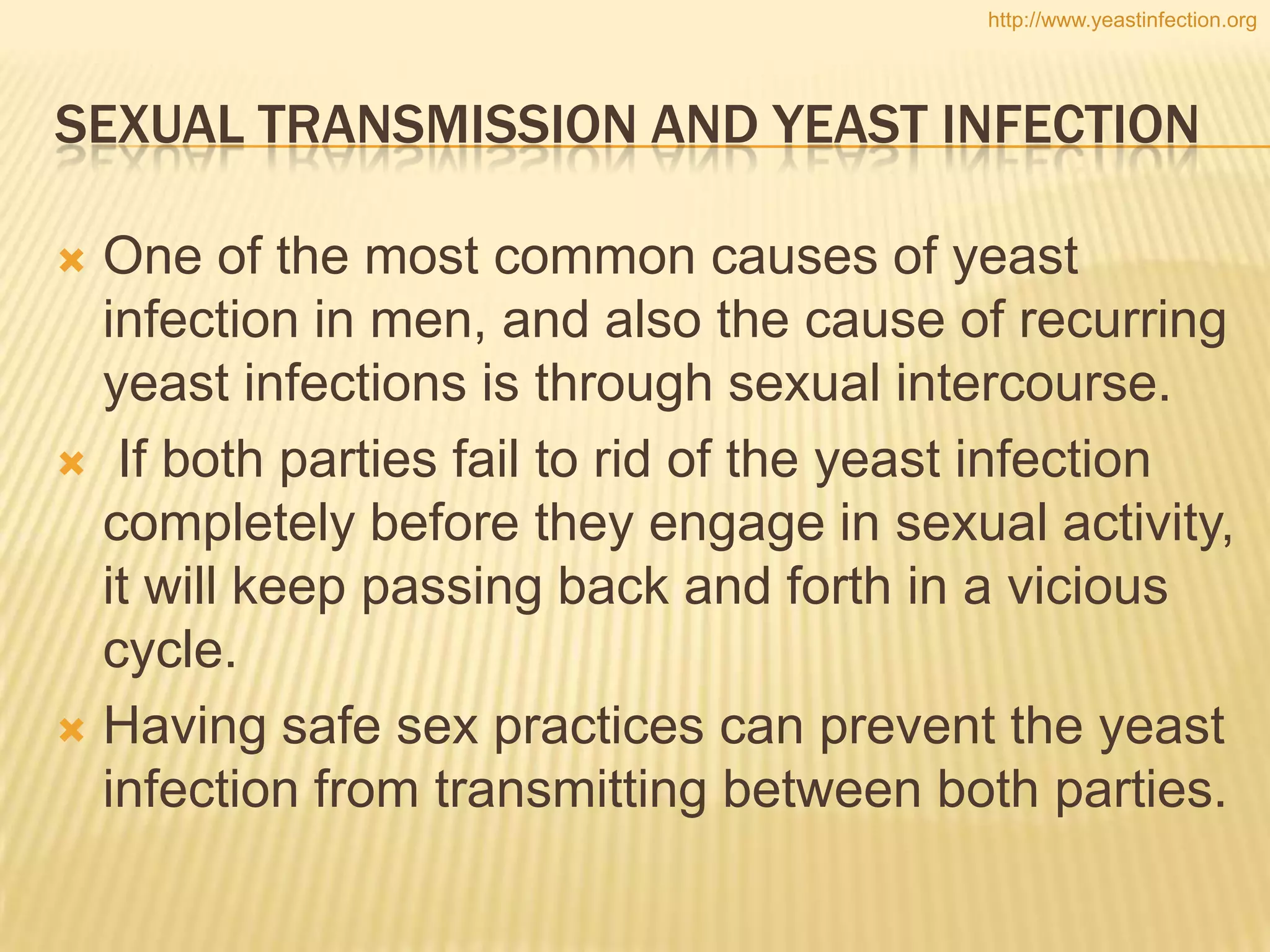
Yes, yeast infections can be transmitted to your partner through skin-to-skin contact. This is why it's essential to practice safe sex and use protection to reduce the risk of transmission. If you have a yeast infection, it's best to avoid sex until the infection has been treated and cleared. By being open and honest with your partner, you can reduce the risk of transmission and maintain a healthy and fulfilling sex life.
In addition to practicing safe sex, it's also essential to get regular check-ups with your healthcare provider. This can help identify any potential issues before they become major problems and prevent yeast infections from being transmitted to your partner. By being proactive and taking control of our health, we can reduce the risk of developing yeast infections and maintain a healthy and balanced lifestyle.

How long does it take to clear up a yeast infection?
The length of time it takes to clear up a yeast infection depends on the severity of the infection and the effectiveness of treatment. In general, mild yeast infections can be cleared up within a few days to a week, while more severe infections may take longer to treat. It's essential to follow proper treatment guidelines and complete the full course of treatment to ensure that the infection is fully cleared.
In addition to following proper treatment guidelines, it's also essential to practice patience and persistence. Clearing up a yeast infection can take time, and it's essential to avoid rushing the treatment process. By being consistent and persistent, we can ensure that the infection is fully cleared and reduce the risk of recurrence.
By respecting the science behind yeast infections, we can take control of our health and make informed decisions about our bodies. By understanding the biology of yeast infections, practicing good hygiene, and maintaining a healthy lifestyle, we can reduce the risk of developing yeast infections and maintain a healthy and balanced lifestyle. By being proactive and taking control of our health, we can optimize our well-being and live a happier, healthier life.
In conclusion, yeast infections are a common and highly treatable condition. By educating ourselves about the biology of yeast infections, practicing good hygiene, and maintaining a healthy lifestyle, we can reduce the risk of developing yeast infections and maintain a healthy and fulfilling sex life. By being open and honest with our partners, we can build trust and intimacy and maintain a healthy and balanced relationship. By respecting the science behind yeast infections, we can take control of our health and make informed decisions about our bodies, leading to a happier, healthier life.



:max_bytes(150000):strip_icc()/VWH_Illustration_Tips-to-Prevent-a-Yeast-Infection_Illustrator_Laura-Porter_Final-2b3b48db3f86497e9094532164a6086d.jpg)