Is It Good To Invest In Robinhood
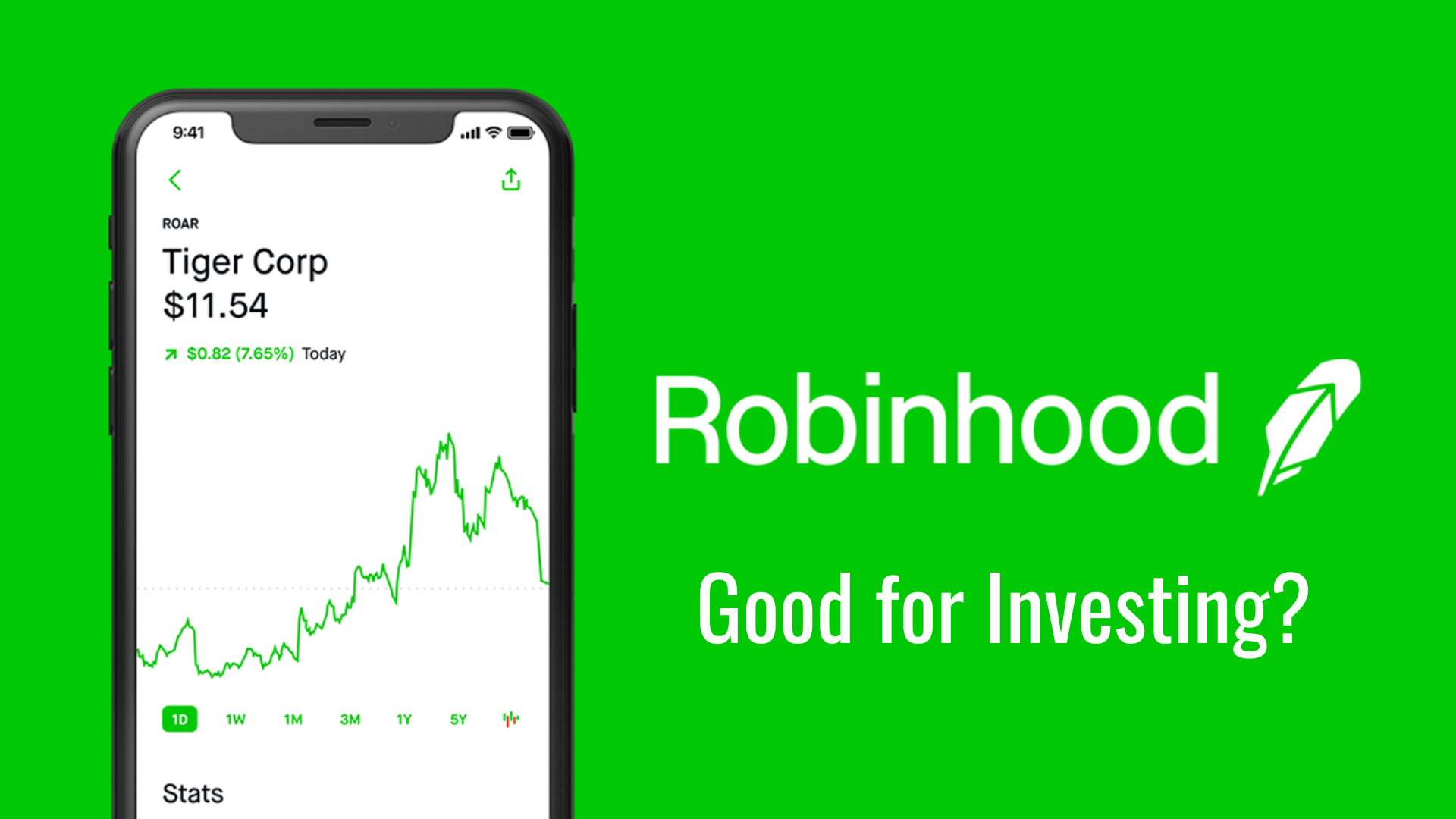
Let’s talk about Robinhood, the investing app that turned stock trading into something as casual as ordering a pizza. You’ve probably seen the confetti animations or heard friends brag about their latest meme stock win. But the real question isn’t “can you trade for free?”—it’s “should you actually park your hard-earned cash here?” That’s a fun, slightly nerve-wracking puzzle worth unpacking.
Robinhood’s core purpose is simple: democratize finance by removing commissions and offering fractional shares. Instead of needing $1,000 to buy one share of Amazon, you can own a sliver for $10. This makes the stock market feel like a video game level you can finally play, even with pocket change.
The biggest benefit is low barrier to entry. You can start with as little as $1, and the interface is so clean that a teenager can navigate it in seconds. Plus, you get instant deposits, meaning you can act on a hot tip right away—no waiting for bank transfers to clear.
Must Read
For education, it’s a double-edged sword. On one hand, you can learn about price movements, order types, and market hours by actually doing it. On the other hand, the app’s gamified design—like confetti and push notifications—can make you forget that losing money is also part of the lesson.
In daily life, think of it as a practice sandbox. Say you want to learn how a company like Tesla reacts to a tweet. You can buy a fraction of a share and watch the rollercoaster live. But you’re not just watching—you’re feeling the stomach drop when your $20 becomes $15. That’s real-world financial education with skin in the game.

However, here’s the catch: Robinhood’s business model relies on payment for order flow. That means they sell your trade data to big firms, and those firms may execute your trades at slightly worse prices. It’s not illegal, but it’s a hidden cost that critics say makes the “free” trades actually cost you a few cents per trade.
So, is it good to invest in Robinhood? It depends on your goal. If you want to build long-term wealth with index funds, this app is like using a race car to go grocery shopping—fun but clumsy. If you want to learn how markets move without a broker breathing down your neck, it’s a fantastic playground.
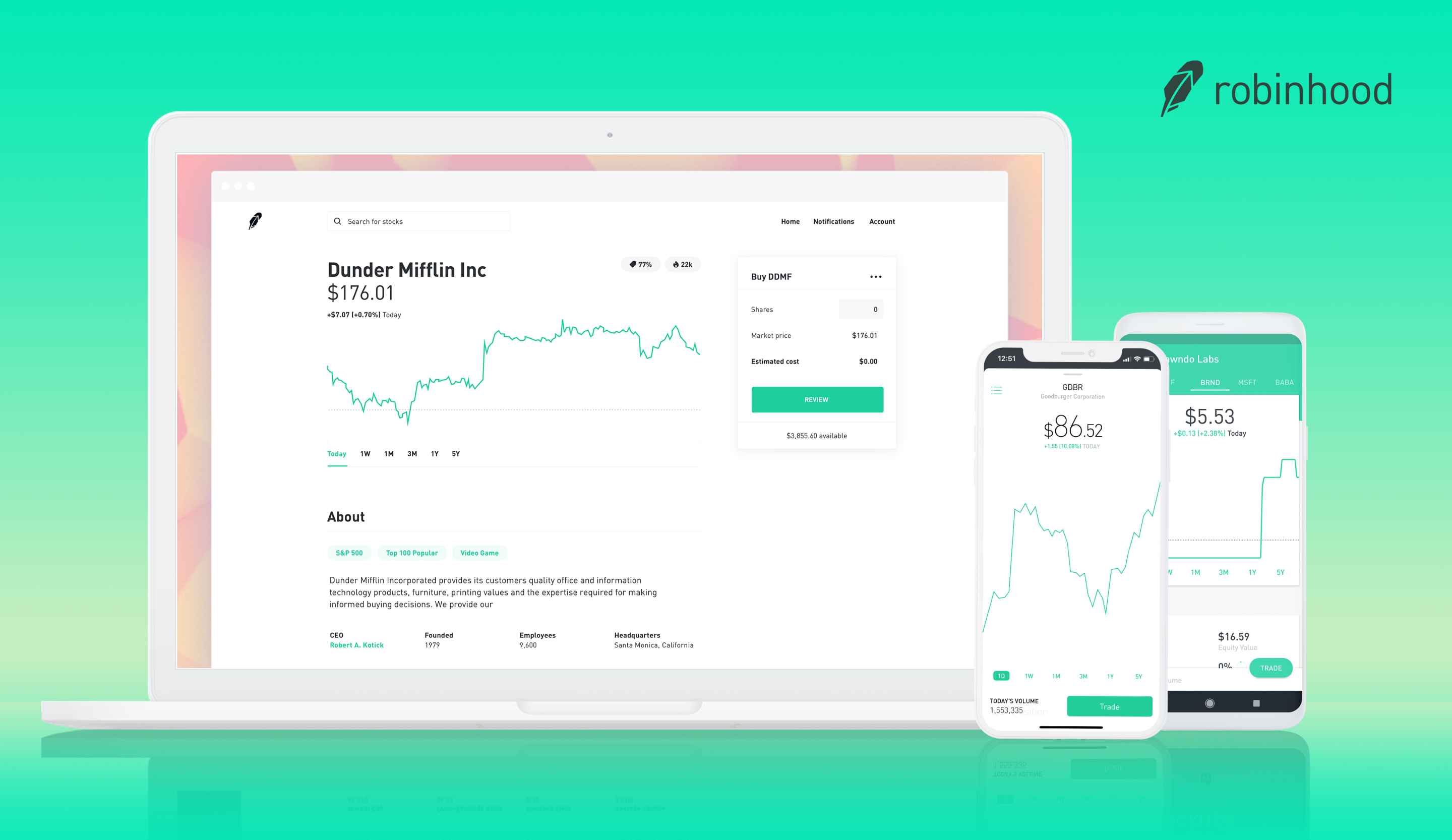
Here’s a practical tip: start with a tiny, disposable amount—like $50. Treat it as tuition. Don’t buy options or crypto until you’ve watched your stock go up and down for a month. And set a rule: never check the app at night, because your future self will thank you for sleeping.
Another smart move is to enable recurring investments for a cheap ETF like VOO. That way, you’re building a habit of dollar-cost averaging, not chasing the next hot stock. Robinhood can be a tool for that, but honestly, you might be better off with a boring brokerage like Fidelity for that purpose.
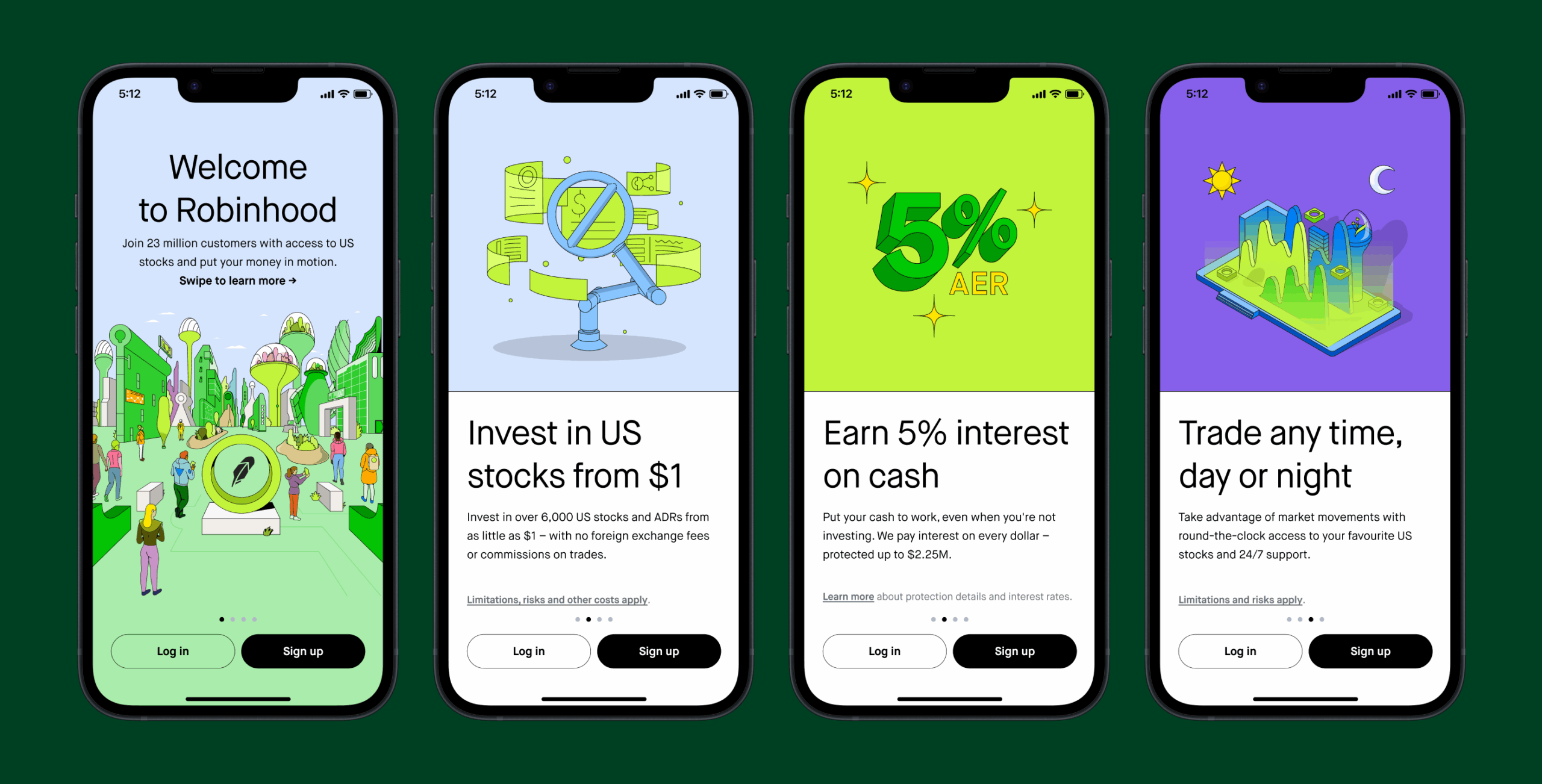
For daily life, challenge yourself to a “paper trading” week first. Use Robinhood’s watchlist feature to track imaginary buys. If you can’t handle the stress of a fictional $100 loss, you definitely shouldn’t risk real money. That’s the cheapest lesson you’ll ever learn.
Finally, remember the golden rule: never invest money you can’t afford to lose. Robinhood is not a savings account; it’s a casino with a stock ticker. If you’re curious, open the app, explore, read the educational articles, but keep your wallet mostly closed for the first few weeks.
In the end, Robinhood is neither good nor bad—it’s powerful and dangerous if you’re not careful. Use it to learn, to experiment, and to build confidence, but don’t let confetti fool you. The real winner is the slow, steady investor who reads the fine print. And that could be you—if you keep your wits and your stop-losses close.