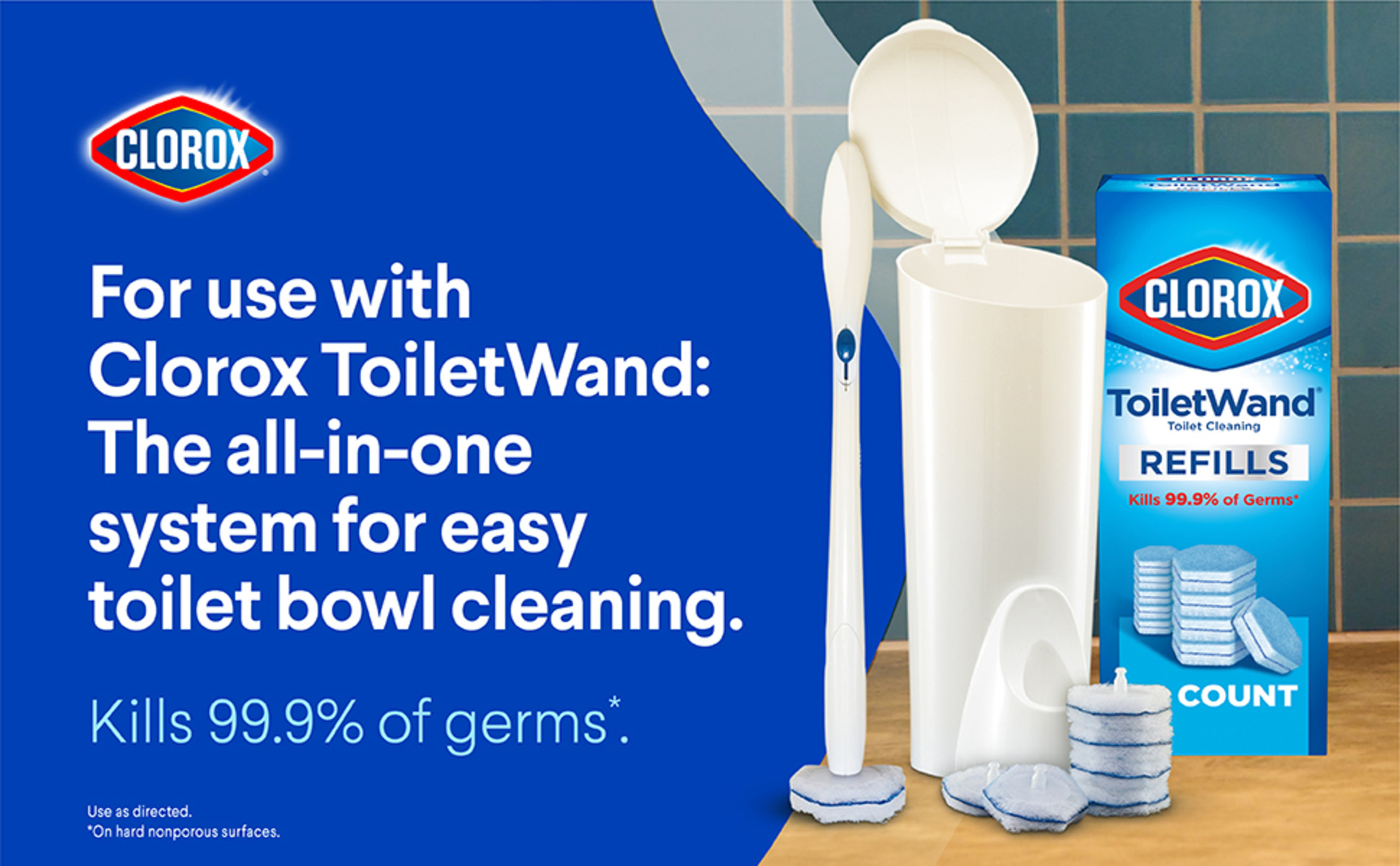
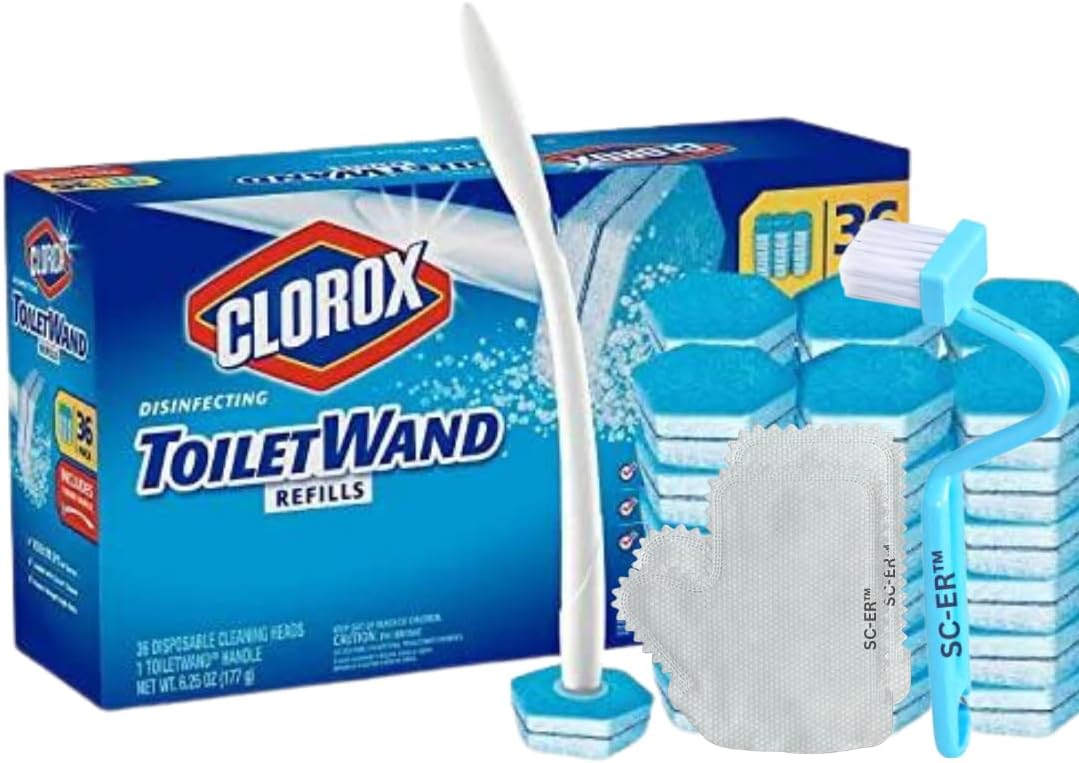
Is Clorox Toilet Wand Septic Safe

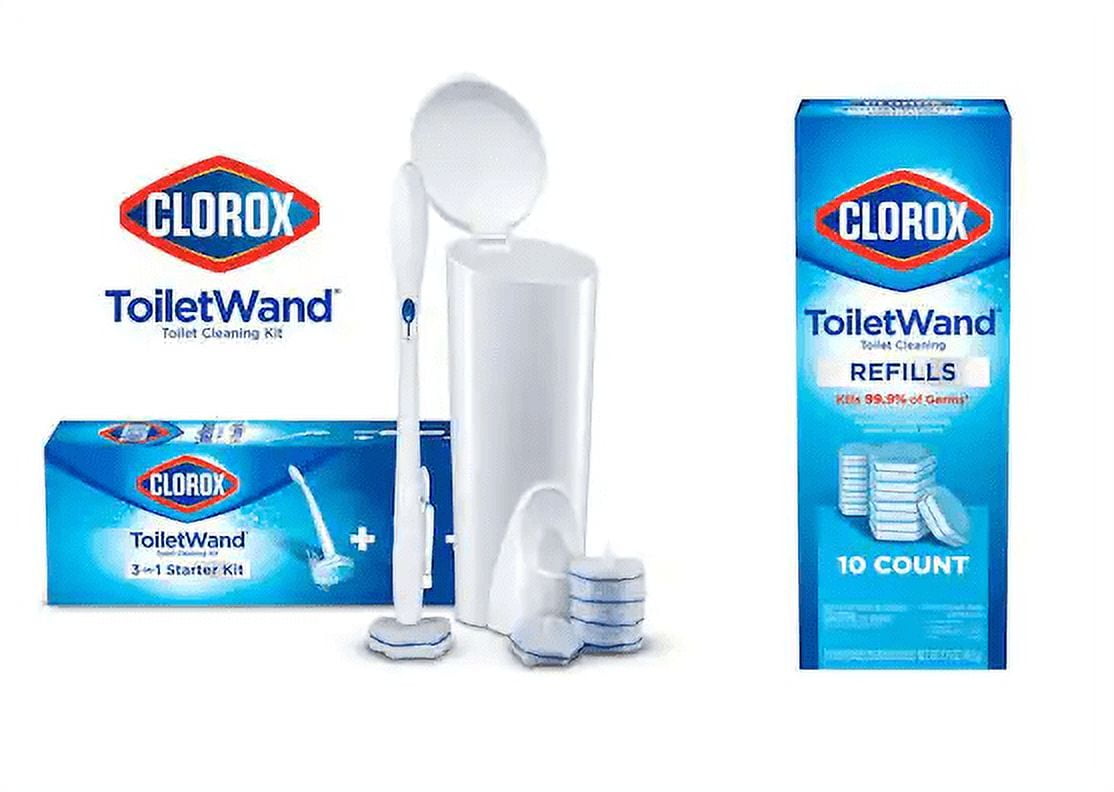
Let’s be honest: cleaning a toilet is the cardiovascular workout nobody signed up for. You’re contorting your spine, holding your breath, and praying the bristles don’t fling anything back at you. So, when the Clorox ToiletWand glides into your life with its disposable, bleach-soaked pads, it feels like a tiny miracle in a plastic handle.
But then, the dreaded midnight thought hits you: “Is my beloved wand secretly murdering my septic system?” You picture your underground tank as a fragile underwater city, and the wand as Godzilla in a blue cape. Before you start panic-flushing a gallon of yogurt to “restore the bacteria,” let’s break this down with science, sarcasm, and zero judgment.
The Short Answer: It’s Complicated, But Mostly Yes
Here’s the plot twist: the Clorox Wand itself is not the villain. The real drama is in the bleach in those little green pads. Bleach is like that friend who’s great for a party but terrible for your houseplants—it kills everything, good and bad.
Must Read
Your septic system runs on a microscopic mosh pit of bacteria that break down waste. A huge dose of bleach is like dropping a nuke on that mosh pit. However, the amount of bleach from one wand pad is surprisingly tiny—usually less than a splash of regular bleach from a bottle. It’s a squirt gun, not a fire hose.
So, the official word from plumbers and Clorox’s own fine print is: Yes, it’s generally safe for septic systems when used as directed. That “as directed” part is doing a heavy lift, so listen up.

The Fine Print (a.k.a. Don’t Be a Hero)
Using one pad to clean a whole house worth of toilets? That’s a felony against plumbing. The key is moderation—use one pad, flush it, and move on. The bleach gets diluted in the bowl water, then again in the pipes, and by the time it hits your tank, it’s basically a weak, apologetic wave.
But here’s the fun fact that will make you the life of a very weird party: your septic tank is already used to bleach. You wash whites, clean sinks, and mop floors with it. The bacteria colonies are surprisingly resilient. They’re like the cockroaches of microbiology—they need a total apocalypse to die, not a damp wipe.
:max_bytes(150000):strip_icc()/clorox-toiletwand-toilet-bowl-cleaner-a46ab1cbdbc9409e83bfb7bdd80d0c8d.jpg)
Now, the real enemy isn’t the wand. It’s you, Mr. “I’ll Just Flush This Diaper And This Grease.” Grass clippings, “flushable” wipes, and cooking oil will murder your septic faster than a thousand wands. The wand is a gentleman; you’re the one bringing a flamethrower to a knife fight.
The Sneaky Science of “Flushable”
Here’s a staggering fact: the pad dissolves, but the plastic backing? Not so much. Sure, Clorox says the new ones are “septic-safe” and break down faster than your motivation on Sunday, but they take months, not days. In a high-capacity septic tank, that’s usually fine. In a tiny, overloaded tank? You’re building a plastic-reinforced island.

Also, remember that bleach is fantastic at eating rubber gaskets and seals. Your toilet’s flapper isn’t a fan. So, don’t soak the wand and leave it in the bowl for an hour—that’s just chemically tenderizing your plumbing. A quick scrub and a flush is all she wrote.
My final verdict? Use that wand with the confidence of a man who’s just finished a salad. Your septic will survive, but treat it with respect. Don’t use six pads in a row, don’t flush the wand’s handle (I hope you know that), and definitely don’t drink the blue goo. You’re not a lab rat; you’re a person with a sparkling toilet and a functional drainage field. Now go reward yourself with a cookie—you’ve earned it, and your bacteria, for once, will let you enjoy it.
:max_bytes(150000):strip_icc()/spr-toilet-brush-test-clorox-wand-disposable-cleaning-kit-hwortock-00137-1-b6ce516a9629443eb702619b23bbd4bd.jpeg)
:strip_icc()/bhg-product-clorox-toilet-wand-disposable-toilet-cleaning-kit-hwortock-009-292eabc554ab482985964df728ab29b9.jpeg)