Is 5.7 Potassium Level Dangerous
Let’s talk about potassium. Yes, that thing in bananas that your gym buddy won’t shut up about.
You just got your blood test results back. Your eyes land on a number: 5.7. Your heart does a little flip.
Now you’re spiraling, aren’t you? You’re picturing a heart attack right there in the kitchen, next to the toaster.
Must Read
Take a breath. Put down the phone. We’re going to look at this like sensible, slightly panicked humans.
The Calm Before the Cramp
First, let’s get one thing straight. Potassium is not your enemy. It’s the electricity in your muscles.
Without it, your heart would be a lazy, useless lump. So, we need it.
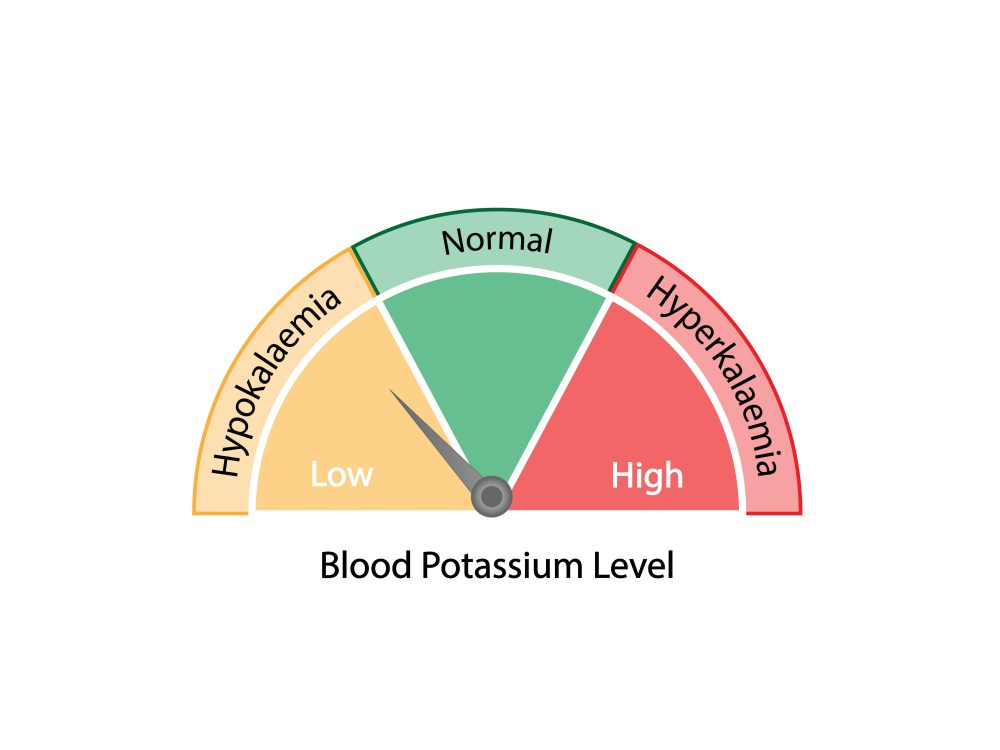
But too much? That’s when things get spicy. Doctors call this hyperkalemia, which sounds like a fancy dinosaur.
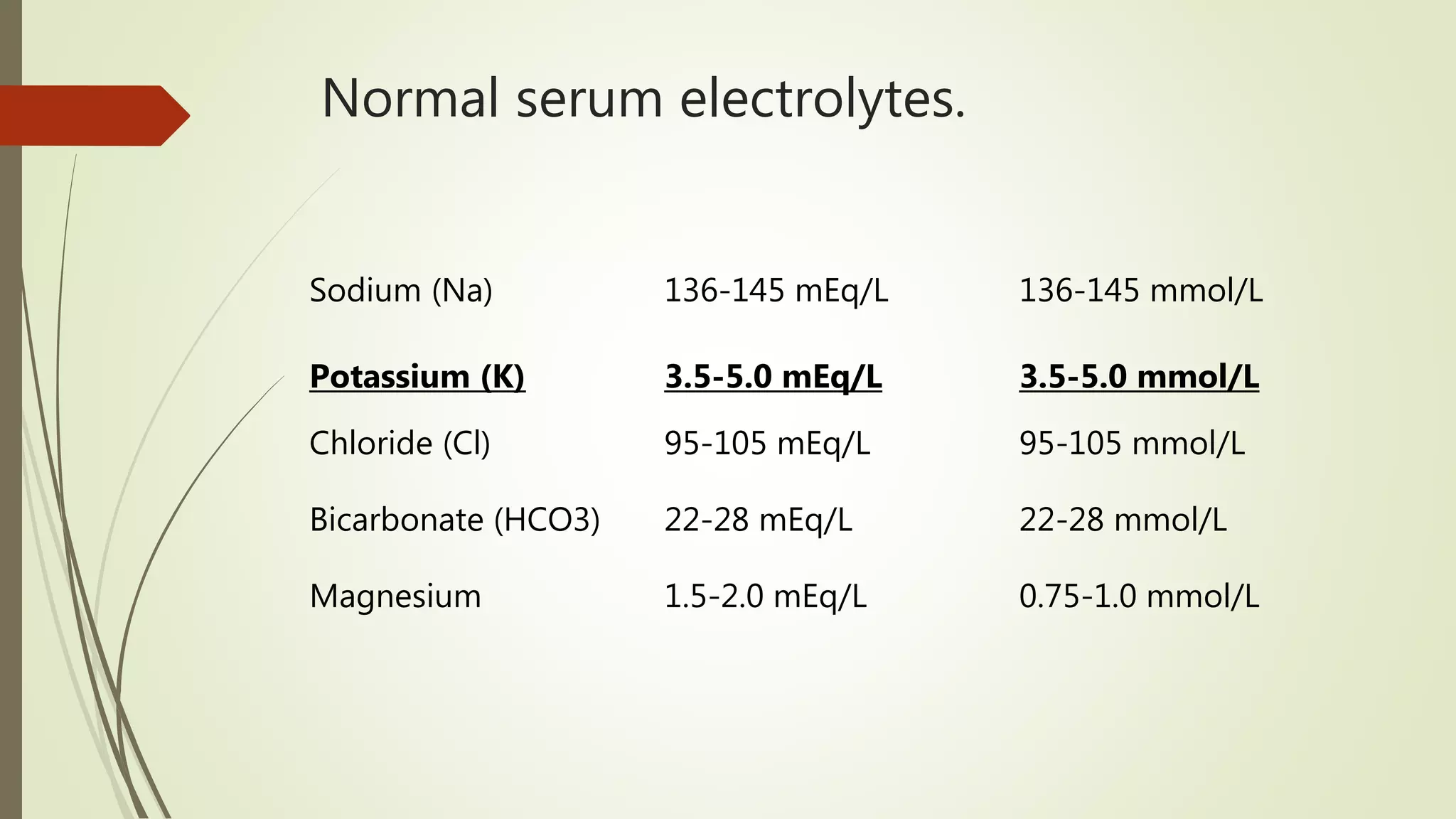
Now, is 5.7 dangerous? Technically, the normal range is usually 3.5 to 5.0. So yes, you’ve left the parking lot.
But here’s my unpopular opinion: 5.7 is not a death sentence. It’s a warning light, not a fire alarm.

Think of it like your car’s “check engine” light. It means something needs attention, not that your car is exploding.
Let’s Get Real About Ranges
Many healthy people walk around with a 5.7 and feel perfectly fine. It happens.
Lab errors are real. Maybe the blood sat in the tube too long. Or you clenched your fist too hard during the draw.
That little squeeze can fake a high potassium level. It’s called pseudohyperkalemia. Say that five times fast.
So, before you panic, ask your doctor for a retest. Seriously, do that first.
But let’s pretend the retest comes back the same. Now, you have my attention.

Dangerous isn’t just the number. It’s the number plus your story. Your kidneys, your meds, your heart history—that’s the real script.
A high level is scary if you have kidney disease. Or if you take certain blood pressure pills. Then, it’s a big deal.
But for a normal person with decent kidneys? Your body usually just pees out the extra. It’s pretty smart like that.
The Symptom Circus
Let’s talk symptoms. If you feel your heart doing a drum solo, that’s bad.
Muscle weakness, like your legs forgot how to legs? That’s a clue. Numbness or tingling, like your arm fell asleep? Pay attention.
But if you feel zero symptoms? Then you’re probably just a statistic with a high number.
Here’s the thing that will make you roll your eyes: mild elevation is often discovered by accident. You were there for a cold, and boom—potassium drama.
Most of the time, it’s tied to something silly. Like eating too many avocados and taking a supplement at the same time. Oops.
Why I’m the Bad Influence Friend
Now, for the unpopular opinion you came for: I think we overreact to lab numbers. We treat a tiny flag like a cliff.
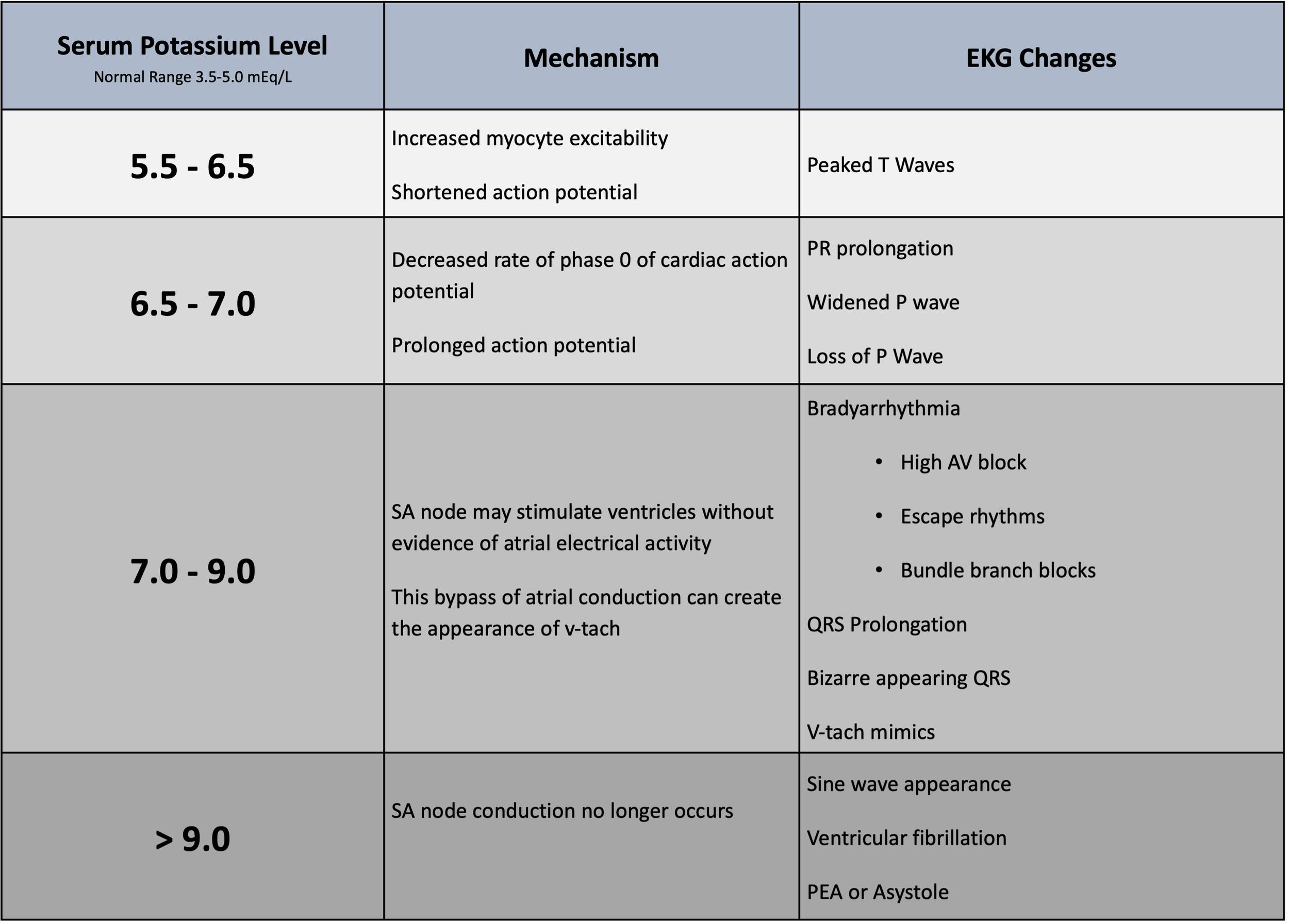
Yes, 5.7 is above normal. But it’s not in the “call 911” zone. That zone usually starts above 6.0 or 6.5, typically.
So, a 5.7? It’s like being one mile over the speed limit. Annoying, but you’re not going to jail.
Still, don’t be an idiot. Don’t ignore it. But also don’t write your will.
Your doctor will likely say: “Let’s watch this.” Or they’ll order more tests. That’s it. That’s the big plan.

They might suggest eating less bananas. Or they’ll check your kidneys. Boring, but manageable.
The Final, Slightly Sassy Take
So, is 5.7 potassium level dangerous? Short answer: potentially, but not probably.
Long answer: It depends on you. Your history. Your other labs. Your symptoms.
Don’t self-diagnose with Dr. Google. That’s how you end up thinking you have three diseases and a curse.
Call your doctor. Drink some water. Maybe skip the electrolyte powder for a day.
You’ll likely be fine. Your body is more resilient than your anxious brain gives it credit for.
Now go eat a banana. Just kidding. Maybe have an apple instead. You’ll be okay.