Investor Services Associate Salary

So, picture this: it’s 2:47 PM on a Tuesday, and you’re on a call with a client who is very upset about a dividend that hasn’t posted. You’re nodding along, typing “I understand your frustration” into a chat window, while secretly wondering if your current paycheck is even worth this level of emotional labor. Then, your coworker casually mentions their friend just got a job as an Investor Services Associate, and suddenly, you’re doing a deep dive on salary data—instead of, you know, your actual job.
Hey, I’ve been there. And if you’re here, you’re probably either considering this role, or you’re already in it and just want to see if you’re getting stiffed. Let’s talk about the money, the perks, and the occasional existential dread—because that’s what blog posts are for, right?
The “Glamorous” World of Middle-Office Finance
First, let’s set the stage. An Investor Services Associate is that person who makes sure the cogs of the investment machine turn smoothly—they handle account openings, process trades, answer client questions, and basically live in a CRM system. It’s not sexy, but it’s critical, and the pay reflects a weird mix of “we need you” and “you’re replaceable.”
Must Read
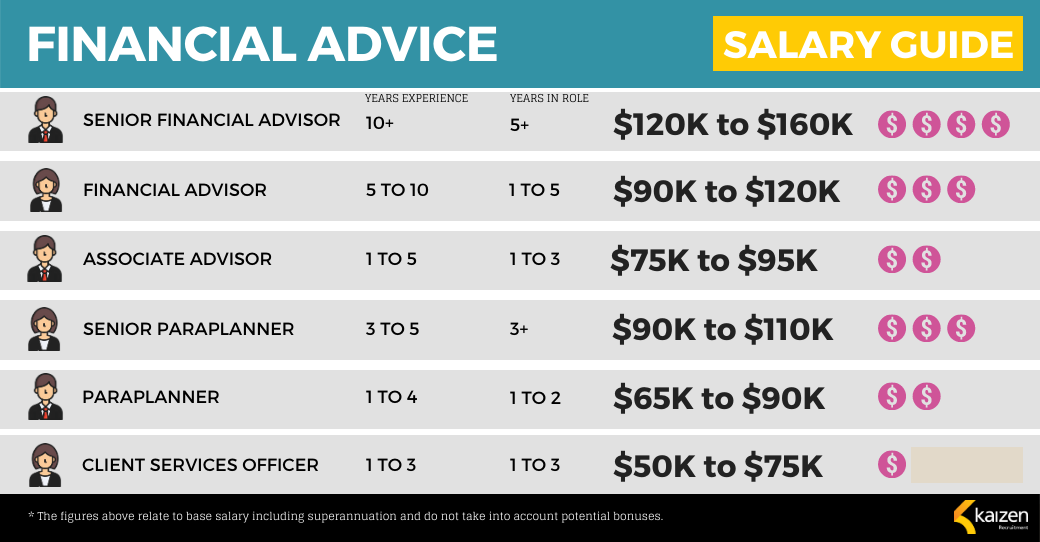
So, what’s the actual number? In the U.S., the base salary for this role typically lands between $50,000 and $75,000 a year, with the average hovering around $60,000. That’s for someone with 1-3 years of experience, which means you’re not rich, but you’re also not eating instant noodles every night. Unless you want to, in which case, power to you—just know you don’t have to anymore.
But here’s the kicker: the total compensation is where things get interesting. Many firms add a discretionary bonus, which can be anywhere from 5% to 15% of your base, depending on your performance and the company’s quarterly mood. That’s the carrot they dangle to keep you from running to the next firm for an extra $2,000.
Location, Location, Location (and Your Rent)
Now, before you start celebrating that $60K, let’s have an honest chat about geography. If you’re in New York or San Francisco, that salary feels like a stern warning, not a welcome mat. A $60K base in Manhattan is basically a shared studio and a “savvy” relationship with your local bodega.
In Charlotte, Phoenix, or Dallas, though? That same $60K makes you feel like royalty—you can afford a one-bedroom with a washer/dryer in unit. It’s wild how a ZIP code can change your entire financial vibe, isn’t it? My advice? If you have flexibility, look at firms in mid-tier cities where the cost of living hugs you like a warm blanket, not a python.
Also, don’t forget the signing bonus. I know, I know—it sounds greedy to ask, but it’s a thing. A $5,000 to $10,000 signing bonus isn’t unheard of, especially if you’re coming with a bit of experience or a CFA Level 1 under your belt. That money is the universe’s way of saying, “Welcome, we know the first month is going to be confusing.”
The Real Paycheck: Benefits and “Culture”
Let’s talk about the non-cash stuff, because honestly, that’s where the true value lives. Most firms offer a 401(k) match (typically 3-6% of your salary), which sounds boring but is basically free money. Also, look for tuition reimbursement—if you’re planning to get a finance degree or a CFA, that’s potentially $5,000-$10,000 a year that’s not coming out of your pocket.
Then there’s the hybrid schedule. A lot of Investor Services roles now offer 2-3 days of remote work, which, let’s be honest, is worth about $10,000 in stress savings alone. No commute means no “suggested donation” to the city’s transit system, and you can wear sweatpants with a blazer on Zoom. The contrast is delicious.
And here’s the irony—the busiest times (quarter-end, tax season) are when you feel the most underpaid. But the rest of the time, you might literally finish your work by 3 PM and just sit there, pretending to stare at Excel. That’s the quiet part nobody tells you: the job is easy, but the boredom is real. Is that worth $60K? For some, absolutely. For others, it’s a slow-acting sedative.
The Climb (Or the Escape Ladder)
Your salary as an ISA isn’t just a number—it’s a starting point. After 2-3 years, you can pivot to an Operations Analyst or Client Relations Manager role, which easily pushes you into the $75K-$85K range. Or, you could slide into compliance, which is like the dark side, but with better pay and less client interaction. Cheers to that.

But let’s say you stay. You become a senior associate, then a team lead, and your bonus grows. Five years in, you might be looking at $90K-$100K total comp, which is nothing to sneeze at. The secret? It’s less about your title and more about your ability to automate your own job away. The people who make the most are the ones who learn SQL or Python on the side, and then build a report that saves everyone two hours a week. That’s your leverage.
So, what’s the final verdict? If you’re asking “is this a good salary?”, the answer is “it depends how you play it.” You’re not going to get rich overnight, but you’ll be comfortable, and you’ll get paid to learn how the finance world really works. Just remember to negotiate—the first offer is always a starting point, not a final answer. And if they say no, you can always just, you know, call the client back and vent. That’s what the mute button is for.
Now go update that LinkedIn profile, okay? I’m pulling for you.