Innie And Outie Labia Diagram
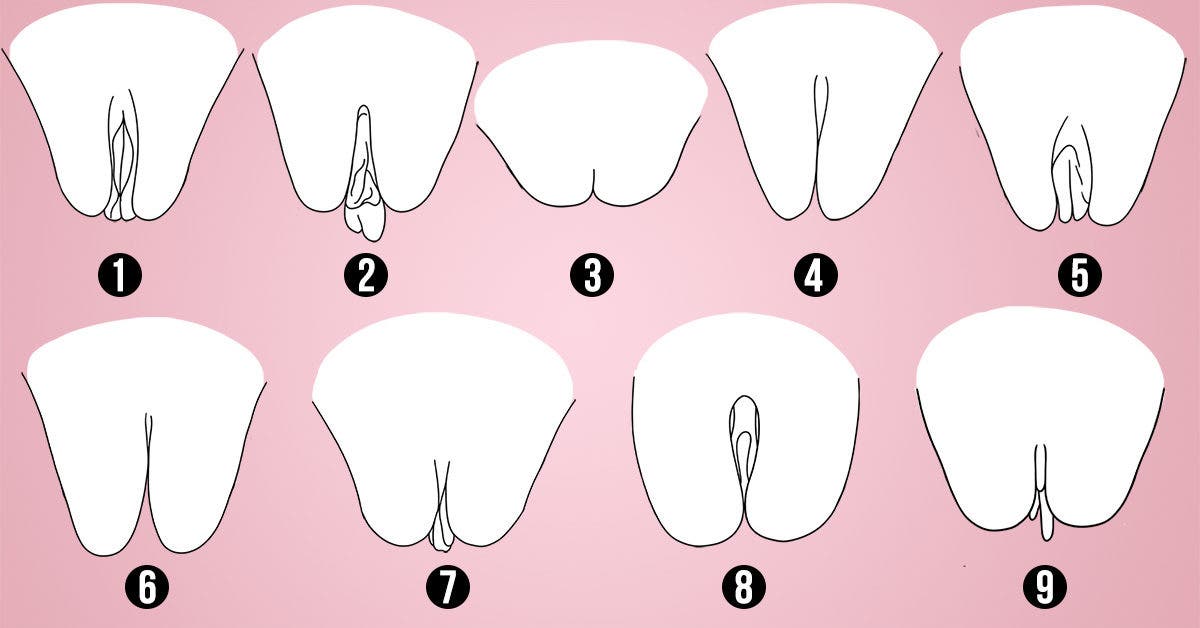
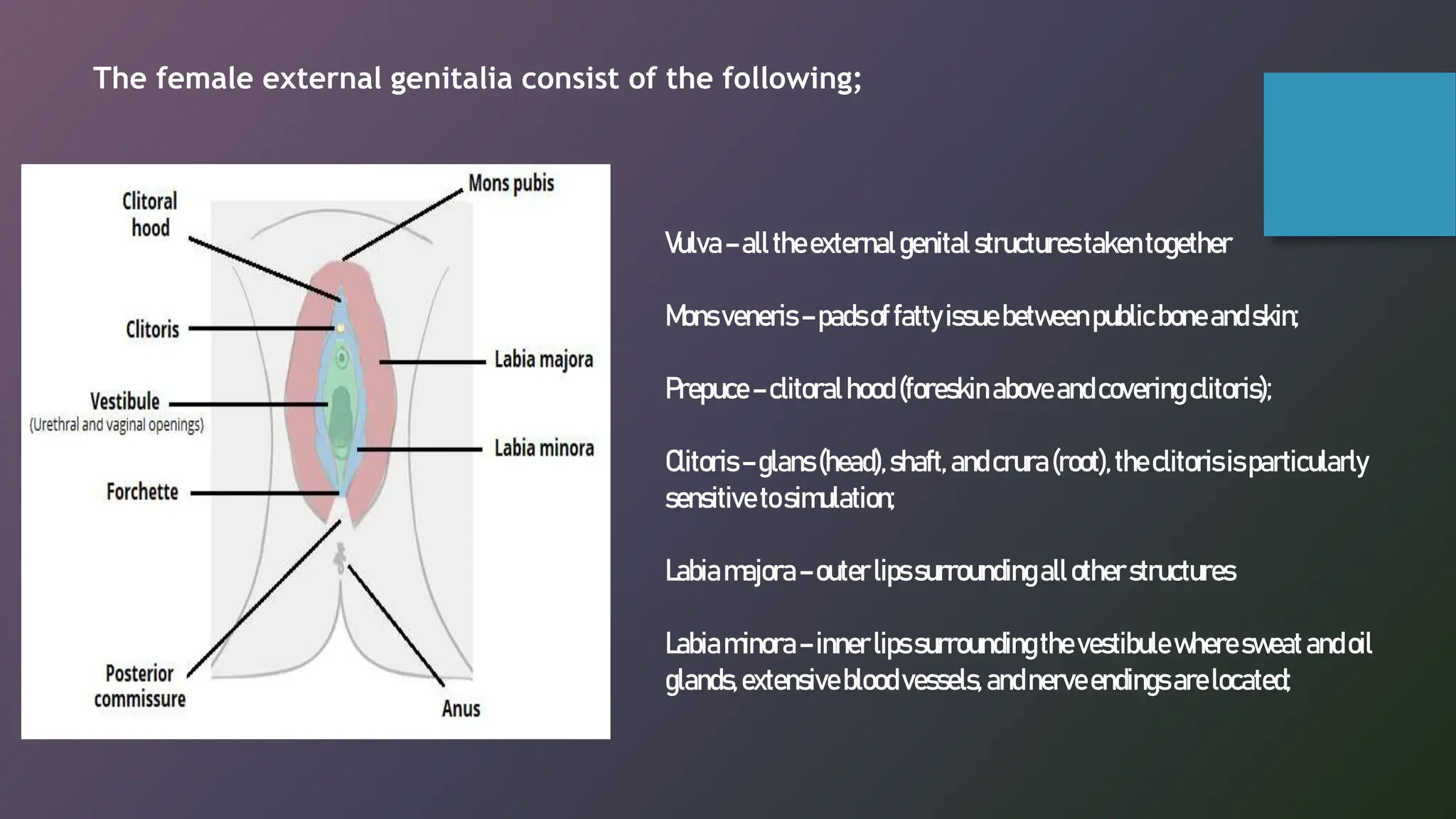
The human body is a complex and fascinating entity, full of secrets and surprises. One of the most interesting and often misunderstood aspects of female anatomy is the labia, specifically the distinction between innie and outie labia. The terms "innie" and "outie" refer to the way the labia majora (the outer lips of the vulva) relate to the labia minora (the inner lips). Innie labia are characterized by the labia minora being tucked inside the labia majora, while outie labia have the labia minora protruding outside the labia majora.
Understanding the anatomy and diversity of female genitalia is crucial for promoting body positivity and combating sexism and stigma surrounding women's bodies. The history of gynecology and the study of female anatomy is marked by a lack of attention and understanding, contributing to the marginalization and mystification of women's health issues. Today, as we strive for greater inclusivity and awareness, discussing topics like innie and outie labia in an open and informed manner is essential for empowering women and fostering a more enlightened and accepting society.
The Anatomy and Variations of Labia
Delving into the specifics of female genital anatomy, it's clear that the diversity of labia shapes, sizes, and configurations is vast. The distinction between innie and outie labia is just one aspect of this variability. Genetic factors, as well as hormonal influences during fetal development, play significant roles in determining the shape and structure of the vulva. Moreover, the cultural perception of what is considered "normal" or "attractive" can vary significantly, influencing how individuals perceive their own bodies and the bodies of others.
Must Read
One of the lesser-known facts about labia is that they serve important functions beyond their role in sexual intimacy. The labia majora and minora protect the vagina and urethra from irritation and infection, and their folds create a microenvironment that supports the balance of flora essential for vaginal health. Furthermore, the sensitivity of the labia can contribute to sexual pleasure, although this aspect is often overshadowed by societal taboos and the normalization of certain sexual practices over others.
The psychological aspect of having innie or outie labia can also be significant, particularly in the context of body image and self-esteem. Societal beauty standards, though evolving, still often perpetuate unrealistic and uniform ideals of female genital appearance. This can lead to feelings of insecurity or abnormality among women whose bodies do not conform to these standards. Education and the promotion of diversity and acceptance are key to combating these negative effects and fostering a healthier relationship with one's body.
Empowerment and Practical Insights
Empowering individuals, especially women, to understand and appreciate their bodies is a critical step in challenging societal norms and promoting sexual health and well-being. This includes recognizing the normalcy of variation in genital anatomy and encouraging open discussions about sexuality and body image. Sex education that includes comprehensive information about female anatomy, beyond just the basics of reproduction, can help demystify the topic and reduce shame and stigma.

In practical terms, understanding one's own anatomy can lead to better sexual satisfaction and health outcomes. Knowing how to properly care for the genital area, being aware of what constitutes normal discharge and odor, and recognizing signs of infection or disease are all crucial aspects of maintaining genital health. Moreover, feeling comfortable with one's body can enhance confidence and self-esteem, contributing to a more fulfilling sexual and personal life.
For those considering genital cosmetic surgery due to concerns about the appearance of their labia, it's essential to approach such decisions with caution and thorough research. While surgery might seem like a solution to body image concerns, it's a serious medical procedure with potential risks and complications. Counseling and therapy can often provide a safer and more effective path to addressing body image issues and improving self-perception.
In conclusion, the distinction between innie and outie labia is just one aspect of the remarkable diversity of human bodies. By embracing this diversity and promoting education and acceptance, we can work towards a more inclusive and compassionate society. This involves not only acknowledging the physical variations but also addressing the psychological and cultural impacts they have on individuals and communities.
Frequently Asked Questions
What is the normal range for labia size and shape, and how do innie and outie labia fit into this range?
The normal range for labia size and shape is incredibly broad, reflecting the great diversity of human anatomy. Innie and outie labia both fall within this range, with no single configuration being considered more "normal" than another. Clinical studies have shown that there is significant variation in the size, color, and shape of the labia among healthy women, with no evidence that one type is inherently better or more desirable than another.
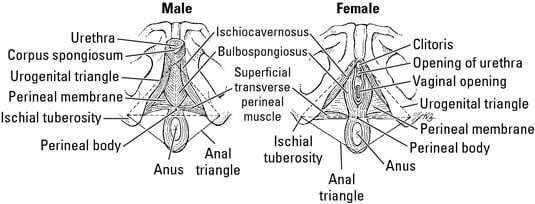
This understanding is crucial for combating the stigma and shame often associated with female genitalia. By recognizing and celebrating the diversity of labia shapes and sizes, we can promote a healthier and more positive body image. Moreover, this awareness can help reduce the impulse towards unnecessary surgical interventions aimed at altering the appearance of the labia, instead encouraging individuals to embrace their natural anatomy.
How do hormonal changes during puberty and menopause affect the appearance and sensitivity of the labia?
Hormonal fluctuations during puberty and menopause can indeed affect the appearance and sensitivity of the labia. During puberty, the increase in estrogen levels can cause the labia to become more prominent and sensitive. Conversely, the decrease in estrogen during menopause may lead to a reduction in the size and elasticity of the labia, as well as changes in sensitivity.
Understanding these hormonal influences is important for managing expectations and concerns about body changes. Healthcare providers can offer guidance on how to maintain genital health during these phases, including recommendations for vaginal health products and sexual practices that can help mitigate the effects of hormonal changes on the vagina and labia.
Can innie or outie labia affect sexual pleasure or function, and if so, how?
The relationship between labia type and sexual pleasure is complex and highly individualized. While some women may find that their innie or outie labia contribute to their sexual satisfaction, others may not experience a significant impact either way. Sexual pleasure is influenced by a multitude of factors, including psychological state, partner communication, and overall health, making it difficult to generalize the effect of labia type on sexual function.

However, being comfortable with one's body and having a positive body image can significantly enhance sexual pleasure. Education and communication with sexual partners about what feels pleasurable and what does not can also play a crucial role in maximizing sexual satisfaction. Furthermore, exploring different sexual practices and finding what works best for each individual can help optimize sexual experiences, regardless of labia type.
How do cultural and societal norms influence perceptions of innie and outie labia, and what are the implications for body image and self-esteem?
Cultural and societal norms have a profound impact on how individuals perceive their bodies, including their genitalia. The media and pornography often present a narrow and unrealistic standard of beauty, which can lead to feelings of inadequacy among those whose bodies do not conform to these ideals. Recognizing and challenging these norms is essential for promoting a more inclusive and accepting environment where individuals can feel positive about their bodies, regardless of their labia type.
The implications for body image and self-esteem are significant. Negative perceptions of one's genitalia can lead to low self-esteem, anxiety, and depression. Conversely, fostering a positive and accepting attitude towards all body types, including the diversity of labia, can enhance overall well-being and life satisfaction. Education and advocacy are key in this process, helping to break down stigmas and promote a culture of acceptance and appreciation for human diversity.
What resources are available for individuals looking to learn more about their labia and address any concerns or issues they may have?
There are numerous resources available for those seeking to learn more about their labia and address concerns or issues. Healthcare providers, including gynecologists and sex therapists, can offer professional guidance and support. Additionally, online educational platforms, books, and support groups can provide valuable information and community support.

It's also important to note that while the internet can be a powerful tool for education, it's crucial to consult reliable and trustworthy sources to avoid misinformation. Peer-reviewed articles, government health websites, and established health organizations are excellent starting points for those looking to learn more about female anatomy and sexual health. By leveraging these resources, individuals can empower themselves with knowledge, leading to better health outcomes and a more positive relationship with their bodies.
The topic of innie and outie labia also reflects on the broader aspects of human nature, including our innate desire for knowledge, our tendency to create and adhere to social norms, and our capacity for empathy and understanding. Recognizing these elements can help us approach discussions about body diversity with sensitivity and an open mind, fostering a richer and more meaningful dialogue about what it means to be human.
In conclusion, the exploration of innie and outie labia serves as a catalyst for deeper conversations about body positivity, sexual health, and human connection. As we continue to navigate the complexities of our bodies and the world around us, embracing the diversity of human experience with empathy, curiosity, and an open heart is essential. This journey of discovery and acceptance not only enhances our individual lives but also contributes to the evolution of a more enlightened, inclusive, and vibrant global community.