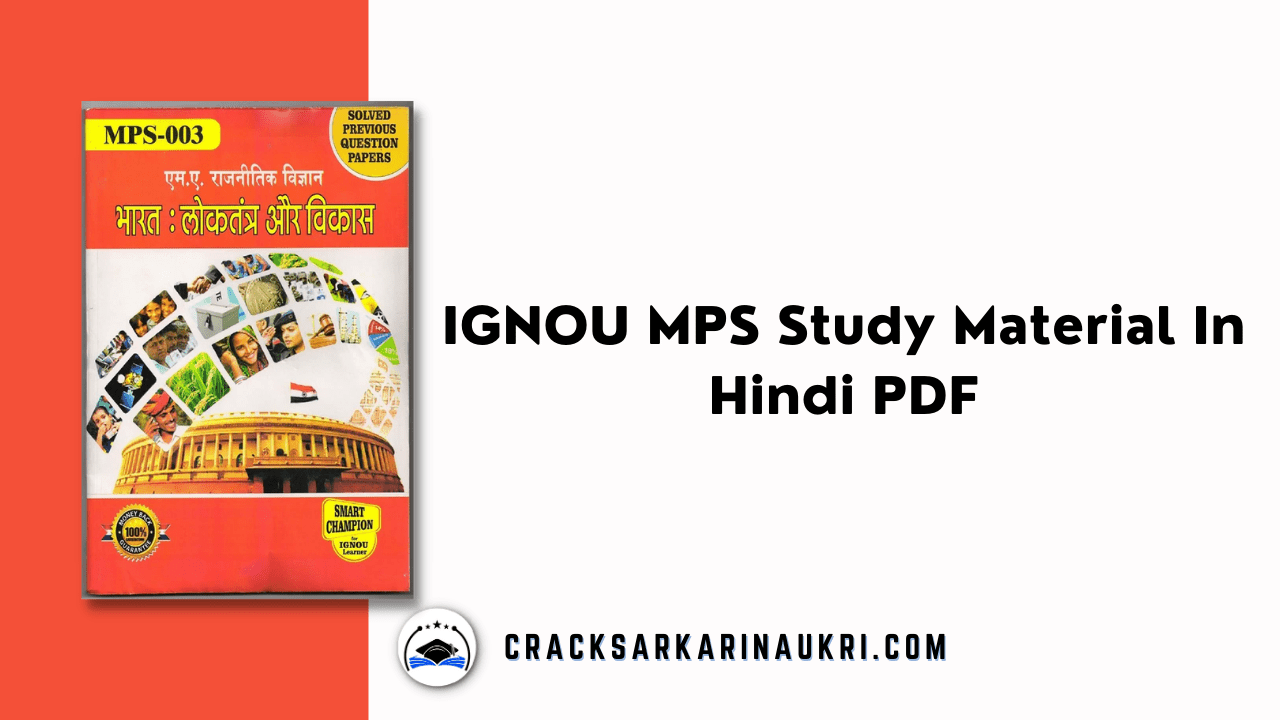
Ignou Ma Study Material In Hindi
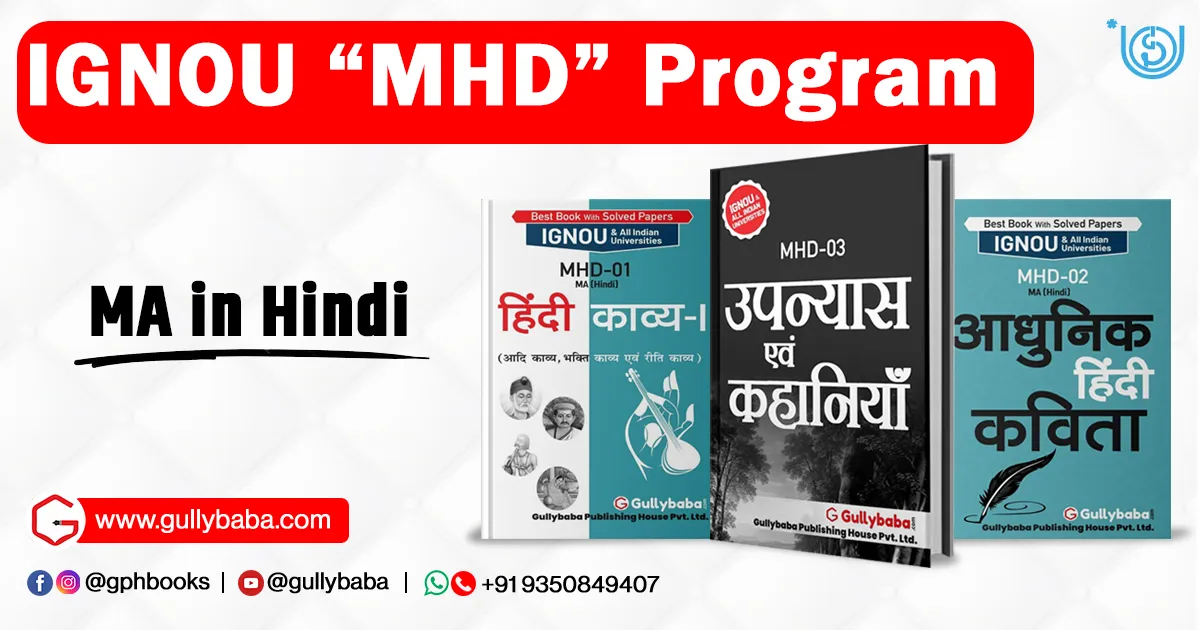
Let’s talk about the elephant in the room—or rather, the giant stack of papers on your desk. I mean IGNOU MA Study Material in Hindi. Yes, that glorious, overwhelming mountain of wisdom that arrives in a brown box, looking like it survived a war.
First, admit it. You ordered that material with dreams of becoming a scholar. You imagined sipping chai, flipping pages, and feeling profoundly intelligent. Then the box arrived, and you realized it weighs more than your dining table.
The “Free” Library That Costs Your Back
Every unit is a separate booklet, and there are dozens. It’s like the university decided to publish a small forest for each subject. The Hindi versions are especially “generous”—they have even more pages, just in case you missed a point.
Must Read
You don’t read them; you excavate them. Each chapter is a mini-excavation site, complete with dusty examples and references to thinkers you’ve never heard of. And the font? It’s the official size of “please don’t skim.”
Nobody reads all of it. Let’s be honest. The real study material is the previous year’s question papers and a prayer.
The Hindi Advantage (or Curse)
Here’s my unpopular opinion: Hindi study material is both a blessing and a trap. Blessing, because you actually understand complex sociology without a dictionary. Trap, because you start writing answers that sound like a 1990s government pamphlet.

You’ll find phrases like “samajik sandarbh” (social context) repeated a hundred times. And every answer ends with “upchar” (solution), even when there is no solution. It’s oddly comforting, like a bureaucratic lullaby.
The Weight Training Program
Carrying this material is a workout. You develop biceps just moving it from the shelf to your bed. And once on the bed, it becomes a pillow, a table, and a guilt-trip generator.
You plan to read one unit. You open the first page, see “भूमिका” (introduction), and suddenly you’re texting your friends about lunch. The material has a magical ability to make procrastination feel like self-care.

The Highlighting Illusion
You buy a fresh set of highlighters—yellow, pink, green. You highlight a paragraph on page 3, then forget what it said by page 4. But hey, the page looks pretty. That’s the real achievement.
Then you find notes in the margins from a previous student. Their handwriting says “exam me aayega” (this will come in the exam). You trust them more than the university’s own guide. That anonymous stranger is your true mentor.

If you see a page with coffee stains and a ripped corner, you’ve found the sacred text. Treat it with respect.
The Exam Prep Ritual
Three weeks before exams, you finally open the material seriously. You realize you’ve read nothing, so you start reading the summaries at the end of each unit. That’s called “strategic intelligence,” not laziness.
You make short notes in Hindi, mixing in English words like “concept” and “framework” to sound modern. Your notes become a Frankenstein of languages—but they work. You pass, and you feel like a genius.
The Afterlife of the Material
After the exam, the material sits in a corner. You won’t sell it—that feels like betrayal. You won’t burn it—that seems dramatic. So it becomes a decorative stack, a monument to your struggle.

Your visitors see it and say, “Wow, you’re so dedicated!” You smile and nod. Inside, you know the only thing you truly mastered was napping with the booklet open.
So here’s my final, playful verdict: IGNOU MA Study Material in Hindi is not for reading. It’s for emotional support. It’s for the illusion of effort. And that’s okay. You’ll get your degree, your back will recover, and you’ll tell stories about the paper jungle.
Good luck, fellow warrior. And if you need me, I’ll be “studying” with my eyes closed.