Identification To Open Bank Account
Imagine this: you’ve just landed in a new city, the ink on your lease still drying, and you walk into a sleek, minimalist bank branch with the confidence of a venture capitalist. You slide your passport across the counter, and the teller—polite but resolute—asks for a second form of ID. A utility bill. A tax document. A proof of address that proves you exist beyond the ether of your online profile. This seemingly mundane transaction is, in fact, a ritual as old as commerce itself, a modern-day handshake that verifies you are not a ghost, a scammer, or a fictional character from a heist film. The humble act of presenting identification to open a bank account is the silent gatekeeper of the global economy, a bureaucratic ballet that balances trust, security, and the deeply human need to be recognized.
Historically, the concept of “knowing your customer” stretches back to the Medici banking dynasty in Renaissance Florence, where bankers relied on personal reputation and family ties rather than photo IDs. Fast forward to the 21st century, and we are swimming in a sea of digital signatures, biometric scans, and AI-powered liveness checks. Yet, despite the technological leaps, the core dilemma remains unchanged: how do you prove you are who you say you are? In an era where our identities are both our most valuable asset and our most vulnerable liability, the process of identification has become a psychological mirror of our society—reflecting our anxieties about fraud, our cultural attitudes toward privacy, and our evolving definition of what constitutes a “real” identity. This article dives deep into the pixels and paper trails of this daily necessity, unpacking the dark and delightful truths hidden within your wallet.
The Psychology of Paper: Why We Panic When the Scanner Fails
There is a specific, almost primal dread that accompanies the moment a bank teller squints at your driver’s license, tilts it toward the light, and then slowly types your date of birth into the system. This isn't just bureaucratic impatience; it’s a psychological stress test. The requirement for identification triggers a fear of identity annihilation—the subconscious belief that if your documents are rejected, your social existence is momentarily nullified. Studies in behavioral economics suggest that we attach an almost fetishistic value to our IDs; they are tangible anchors of our narrative, compressing our life history into a laminated card. When that card fails to scan, we experience a cognitive dissonance that feels like a minor existential crisis, as if the system is telling us, “You do not compute.”
Must Read
Culturally, the relationship with ID is wildly inconsistent. In the Nordic countries, a national ID number is worn like a badge of honor, used for everything from voting to borrowing library books, reflecting a high-trust, transparent society. In contrast, countries with a history of surveillance or political instability—like Germany, post-war, or the UK—harbor a quiet resistance to national ID cards, viewing them as potential instruments of oppression. This cultural baggage travels with you to the bank counter. A Scandinavian might find the process a breeze; an American may bristle at proving their address for the tenth time. It’s a fascinating paradox: we want the security of a bank, but we resent the surveillance that security requires. The dark fun fact here? The most common reason for non-compliance with bank ID checks isn’t criminal intent; it’s simply that people are terrified their expired passport makes them look disorganized, a fear far greater than any fear of fraud.
Furthermore, the psychological burden falls disproportionately on the underbanked and the unhoused. For those experiencing homelessness, the absence of a fixed address or a valid ID is a cruel Catch-22: you need an ID to get a job, but you need a job to afford an ID, and you need an ID to open an account to receive your pay. The banking system, designed for stability, often fails to recognize the fluid nature of modern life. This is where the "modern" twist arrives: fintech apps now use alternative data—like your phone’s geolocation history or your Amazon purchase history—to verify you, bypassing the paper trail entirely. This is both liberating and unsettling. It suggests a future where your "identity" is not a document but a behavioral pattern, a digital footprint that is arguably more authentic than a static photo.
From Passport to Pixels: Navigating the Verification Maze
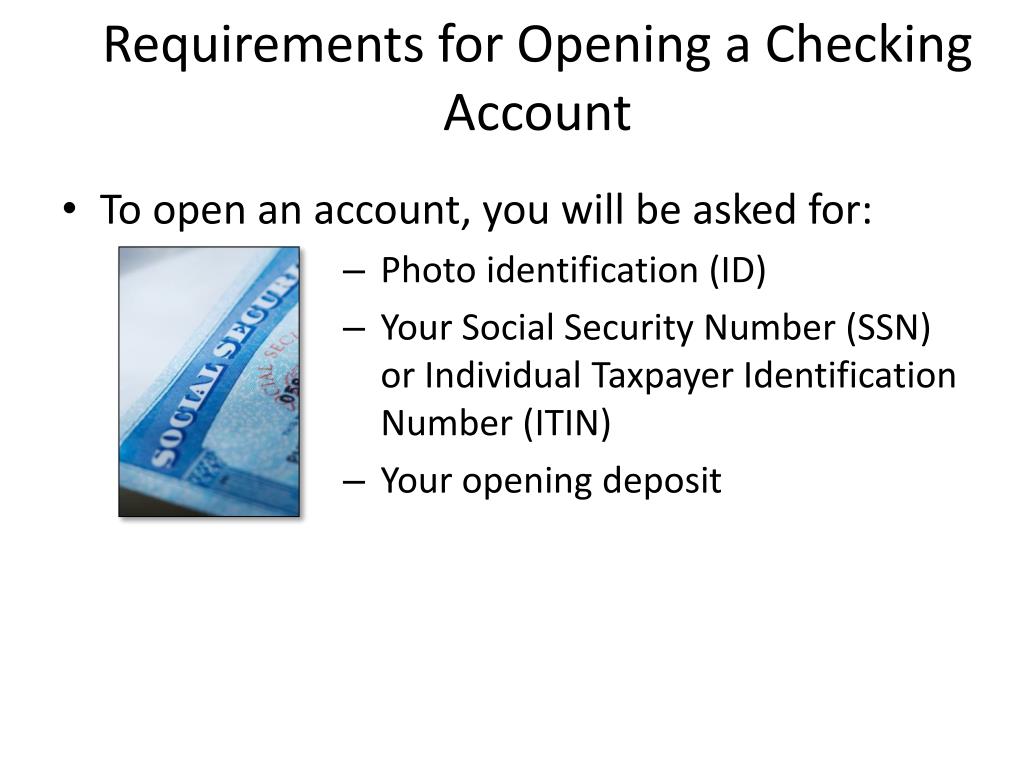
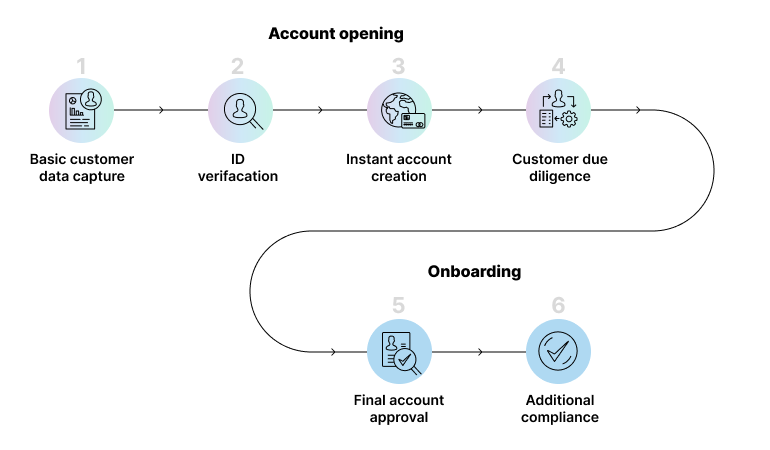
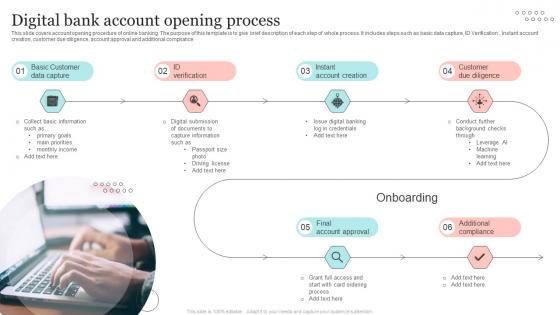
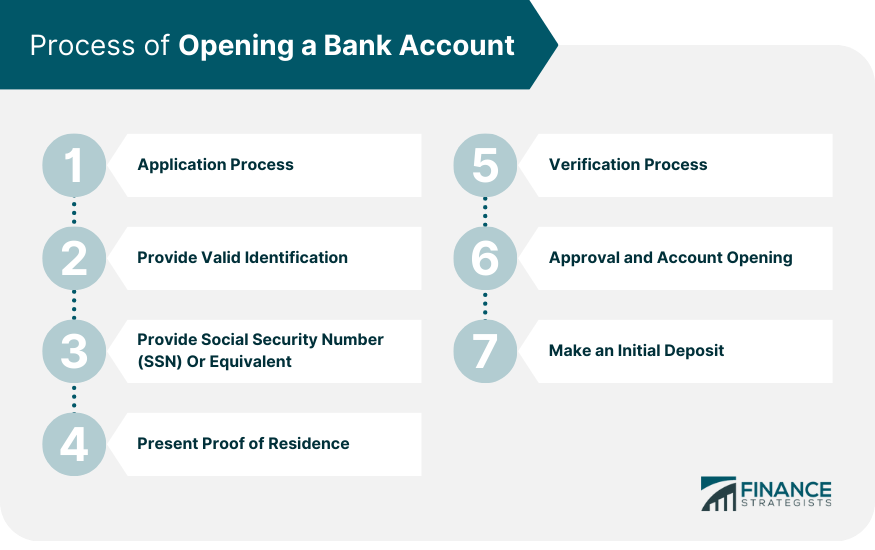
Let’s get practical. You are not a Renaissance banker; you are a modern human with a smartphone and a vague memory of losing your Social Security card. When you walk into a traditional brick-and-mortar bank, you typically need two primary documents: a government-issued photo ID (passport, driver’s license, state ID) and a secondary proof of address (utility bill, lease agreement, bank statement). However, the real game-changer in the last five years has been the rise of digital identity verification (E-KYC). The process is deceptively simple: you download an app, take a photo of your ID, and then—crucially—take a selfie that is compared against the ID photo using facial recognition algorithms. It sounds futuristic, but the "dark fun fact" is that these algorithms are often tripped up by glare, heavy makeup, or even a new beard, leading to a comical cycle of "retake your selfie" that has driven many a user to despair.
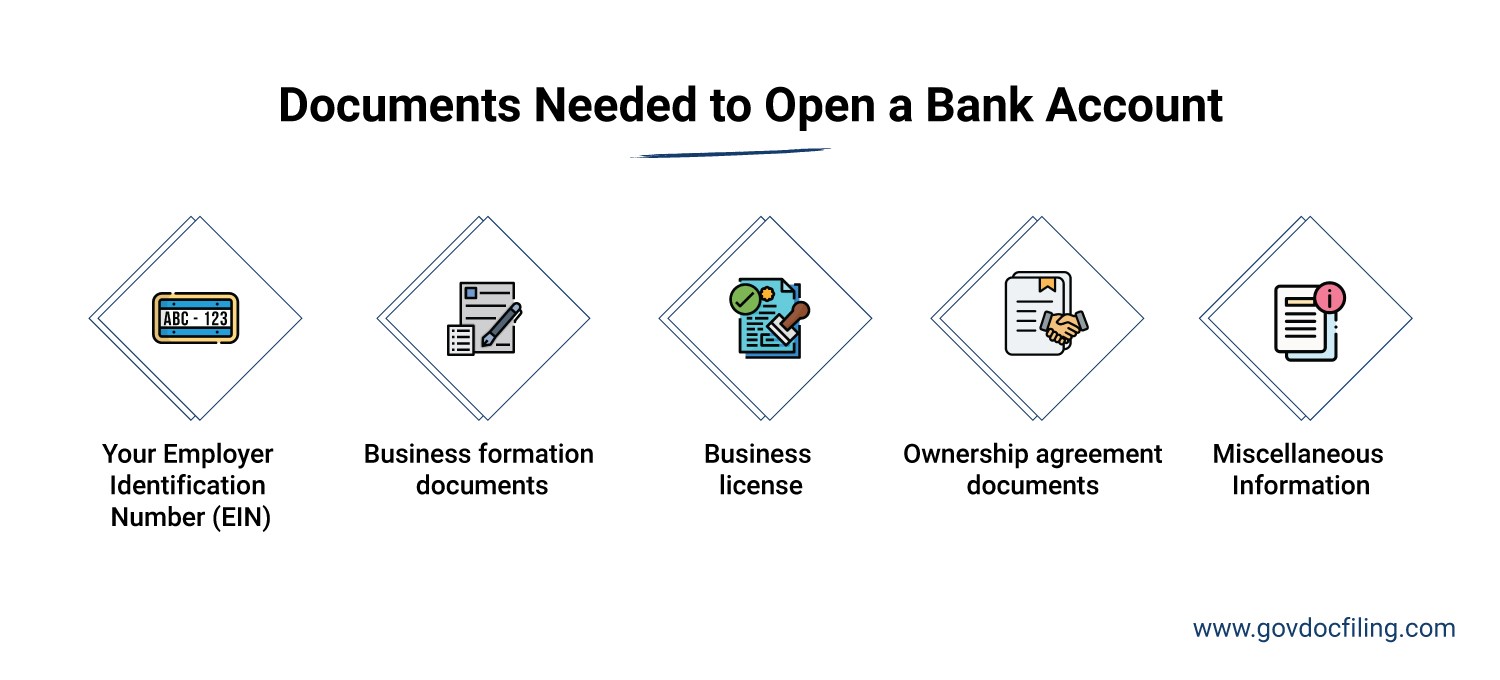
Consider the case of Maria, a freelance graphic designer who moved from Lisbon to Berlin. She has a Portuguese ID, a German residence permit, and an Airbnb lease. She tries to open a German bank account online. The system asks for her German tax ID (which she hasn't received yet), her Anmeldung (registration) certificate, and a German mobile number. She has none of these on day one. This is the "chicken-and-egg" problem of modern banking. The actionable takeaway? Don't fight the system; sequence it. Your first step in a new country should always be to obtain the official government registration, even before you have a permanent sofa. In the US, for immigrants, it’s about getting a Social Security Number (SSN) or an ITIN, not just a visa. The bank is not being mean; it is legally obligated to report your identity to the government. You are not just a customer; you are a data point in an anti-money-laundering (AML) algorithm.
Another critical scenario is the "thin file" applicant—a young adult, a recent immigrant, or someone who has been unbanked. They have no credit history, no old bills, and perhaps no passport because they never traveled. For these individuals, the path forward involves layering evidence rather than presenting one magic card. A school transcript, an employment verification letter, a lease signed by a notary, and even a library card can sometimes be combined to satisfy a bank's "risk tolerance." I once helped a friend open an account using his Spotify premium subscription statement as proof of address—the bank accepted it because it showed a recurring charge to a local address and his name. It was a victory for the gig economy age. The modern takeaway is to digitize everything. Scan your documents, take clean photos, and ensure your name is spelled identically on every single piece of paper. A missing middle initial is the silent killer of account applications.
For the privileged, the premium experience is now the "priority pass" of banking: biometric authentication. Some high-end banks in Singapore and Dubai allow you to open an account via a retina scan or a vein pattern in your palm. This eliminates the need for paper entirely. But this comes with a hidden caveat: while you can't lose your fingerprint, you can be coerced or hacked. Once your biometric data is stolen, you can't change it like a password. The practical advice here is to always pair biometric verification with a traditional PIN or password, ensuring you have a "fallback" layer of privacy. The future is not about having one perfect ID; it’s about having a robust matrix of cross-referenced signals that collectively scream "I am real."
Your Burning Questions, Answered
1. Can I open a bank account without a government-issued photo ID?
Technically, yes, but you will face a gauntlet of hurdles. In the United States, under the Patriot Act, a bank must verify your identity to some degree, but it doesn’t strictly require a photo ID. You can sometimes use a combination of a birth certificate, a Social Security card, and a signed letter from a recognized public official. However, in practice, most bank tellers are unaware of these alternative pathways and will default to demanding a driver’s license or passport. The Psychological reason for this is "default heuristics"—tellers are trained to take the easiest, most machine-readable document.
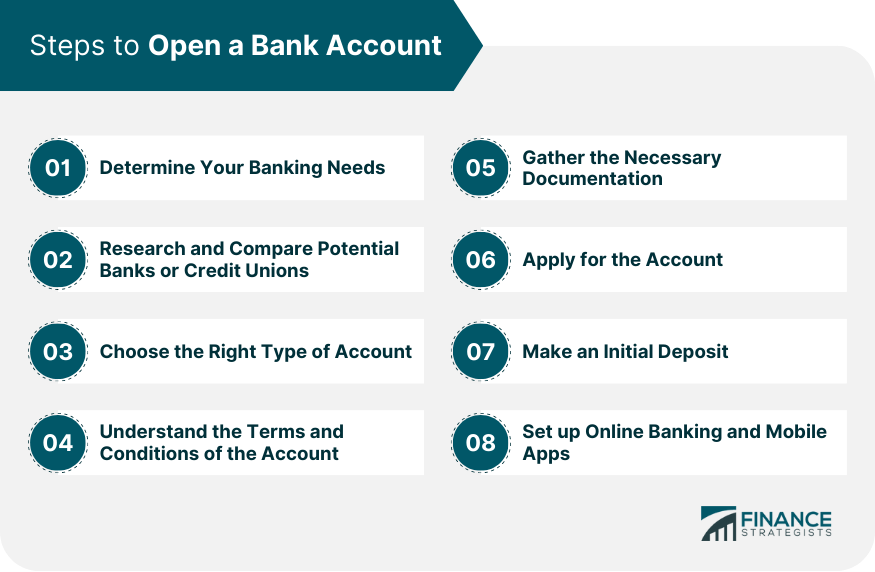
In the digital banking sphere, the situation is different. Many online-only banks (like Revolut or Chime) use AI to verify your identity via "alternative data." They might analyze your device's IP address, your social media presence, and your payment history with other apps. If you have no photo ID, you will likely be auto-declined because the algorithm cannot draw a facial match. The best workaround is to apply for a free state-issued non-driver ID card from your local DMV or equivalent. It’s a tedious afternoon, but it unlocks the financial world. Remember, the bank isn't trying to get you a childhood memory; they are trying to mitigate the risk of you being a shell entity for money laundering. The more they can trace you, the safer they feel.
2. What is the difference between KYC and AML, and why should I care?
Know Your Customer (KYC) and Anti-Money Laundering (AML) are two sides of the same coin. KYC is the specific process of identifying and verifying a customer's identity before providing services. Think of it as the bouncer checking your ID at the club door. AML, on the other hand, is the broader regulatory framework that dictates how the bank must monitor your transactions over time to flag suspicious activity—like depositing $9,000 in cash every week (which is $1,000 below the mandatory reporting threshold, a classic "structuring" red flag). You care because failing to comply with KYC means the bank can freeze your account pending investigation, and that is a bureaucratic nightmare.
The dark fun fact here is that KYC standards were heavily globalized after the 9/11 attacks, specifically through the USA PATRIOT Act, which forced foreign banks to comply with US standards or be cut off from the dollar. So, the reason you provide your mother's maiden name is not a random security question; it’s a direct lineage from a post-9/11 security policy. Yet, the system is flawed. A 2020 report by the UN estimated that global money laundering transactions still account for about 2-5% of global GDP (around $2 trillion). The KYC checks you painstakingly complete are shrapnel in a larger artillery battle against financial crime. Understanding this doesn't make the process fun, but it does explain why your bank asks for a "purpose of transaction" when you move $5,000—they are legally responsible for "knowing" your financial behavior.
3. My name is long or has special characters. Why does the system refuse to accept it?
Ah, the tyranny of the 25-character field. Many banking mainframes were coded in the 1970s and use a standardized ASCII format that simply cannot process accented characters like "ñ," "ö," or "č," nor can it handle multiple last names typical in Spanish or Portuguese cultures. This causes a "name mismatch" issue, where your passport shows "José María García López," but the bank's system only allows "JOSE MARIA GARCIA." This mismatch can trigger a false positive for fraud, locking your account.

The practical solution is to be meticulously consistent. You must choose one "official" version of your name (the primary ID name) and use it everywhere—for your bank, your credit cards, and your utility bills. Do not use a nickname or a anglicized version unless it is officially registered. If the bank system truncates your name, ask for a "manual override" or a "secondary ID alias" to be added to your profile. It also helps to contact the bank's fraud department directly rather than customer service, as they have the authority to whitelist your identity. This is a fight for your digital dignity, but it is winnable. Many banks in multicultural hubs have now upgraded to Unicode systems, but legacy institutions are slow to change.
4. Can I use a digital copy of my ID (a PDF or a photo) to open an account?
For in-person visits, a digital copy of your ID is almost universally invalid. The physical card is required because of the "hologram" and "micro-printing" which are difficult to replicate in a screenshot and serve as a physical anti-fraud mechanism. However, for online account openings, the rules have flipped. You are now required to upload a digital photo of your ID, and sometimes even a "liveness" video where you blink or turn your head. This is called "Remote Identity Verification" (RIV), and it is the new standard.
The catch is that your uploaded photo must be of the physical card, not a photo of a computer screen showing the card (a known fraud vector). The system uses a "Moire pattern" detection to ensure you aren't photographing a screen. So, the answer is: yes, you need a digital file, but it must be a fresh, high-resolution capture of the physical object. The dark side of this is the rise of "deepfake" fraud, where criminals use AI to generate a moving face that matches a stolen ID photo. Banks are fighting back with "anti-spoofing" algorithms that check for skin texture and microscopic eye movement. Don't be offended if the app asks you to smile—it’s just checking that you’re a human and not an algorithm in a trench coat.
5. What happens to my ID data after I submit it? Is it safe?
This is the most critically important question, and the answer is a mixture of reassurance and terror. Reputable banks treat your ID data as "PII" (Personally Identifiable Information) and are legally mandated to encrypt it (using AES-256 encryption) both at rest and in transit. They are also required to store it on segregated servers with strict access controls. They cannot legally sell your ID data to third-party marketers. However, they are required to share it with government agencies, credit bureaus, and, in some cases, foreign financial intelligence units.
:max_bytes(150000):strip_icc()/how-can-i-easily-open-bank-accounts-315723-FINAL-3547624de9a648379a90fe38c68a2f7c.jpg)
The terror part comes from the data breach scenario. In 2017, Equifax (a major credit bureau) had a breach exposing the ID and social security numbers of 147 million people. Once your ID data is out in the wild, you cannot "re-issue" your own face or your Social Security Number easily. The modern advice is to monitor your credit report obsessively (using free services like Credit Karma or AnnualCreditReport.com) and to use "credit locks" where possible. Also, check the bank's privacy policy to see if they ask for "data retention periods"—they should delete your ID selfie after a few months, keeping only the extracted data. If they retain the raw image indefinitely, that is a red flag. You are handing over a key to your life; make sure the locksmith is trustworthy.
In our daily lives, this process of identification is a quiet testament to the social contract we share. We surrender a piece of our privacy to gain access to a system that promises to safeguard our money. It is a micro-negotiation of trust, one that we perform dozens of times across our lives—from opening a swanky credit card to signing up for a digital wallet. The friction we feel is not a bug but a feature; it slows down the scammer and, occasionally, the legitimate customer, but it ensures that the financial river flows with a semblance of order.
Reflecting on this, it becomes clear that our hunger for convenience is constantly at war with our need for security. The easier it becomes to open an account (think tapping your phone), the thinner the veneer of verification becomes. We must ask ourselves: are we trading the security of the physical seal for the fragility of the algorithm? There is a strange comfort in the clunky paper form, a nostalgic weight that says, "This is real." Yet, as we move toward a fully digital identity, we must also embrace a new form of literacy—the ability to curate and protect our digital selves as fiercely as we protect our physical wallets.
Ultimately, the next time you hand over your ID, take a second to appreciate the gravity of that mundane exchange. You are participating in a centuries-old tradition of proving your existence to a stranger. You are asserting, "I am here, I am solvent, and I am legitimate." In a world of increasing anonymity and digital ethereality, that act of grounding oneself in a laminated card or a secure data cache is oddly poetic. It is a small, bureaucratic affirmation of a fundamental human need: to belong, to be counted, and to be trusted with the keys to our own economic future.