Ibkr Portfolio Margin Requirements
Okay, grab your coffee, because we need to talk about something that sounds scarier than it actually is: IBKR portfolio margin requirements. I know, I know, your eyes just glazed over. But stick with me, because this is basically the grown-up version of buying stocks with a little help from your friends.
Think of regular margin as training wheels. It’s rigid, it’s predictable, and it feels safe. Portfolio margin is more like riding a unicycle on a tightrope—exciting, a bit terrifying, but oh-so-much more efficient if you know what you're doing. The big difference? Regular margin looks at your individual positions, while portfolio margin looks at your entire portfolio's risk all at once. Fancy, right?
What’s the Big Deal?
Here’s the secret sauce: it’s all about risk-based calculations. Instead of a flat percentage for everything, IBKR uses a complex model (like a super-smart robot with a finance degree) to figure out your worst-case scenario. It asks, “Hey, if the market goes haywire, how much money could you actually lose?”
Must Read
The answer to that question decides your maintenance requirement. So, if you have a bunch of diversified stocks that don’t move together, the robot says, “Eh, you’re probably fine,” and lowers the requirement. That means you can use more leverage for the same amount of cash. Who doesn’t like that?
But wait, there’s a catch. Obviously. If you’re just loading up on one super-volatile meme stock, the robot will scream and demand way more collateral. It’s like the robot is judging your life choices. I’m not saying it’s wrong, but it’s definitely watching.

The Magic Numbers
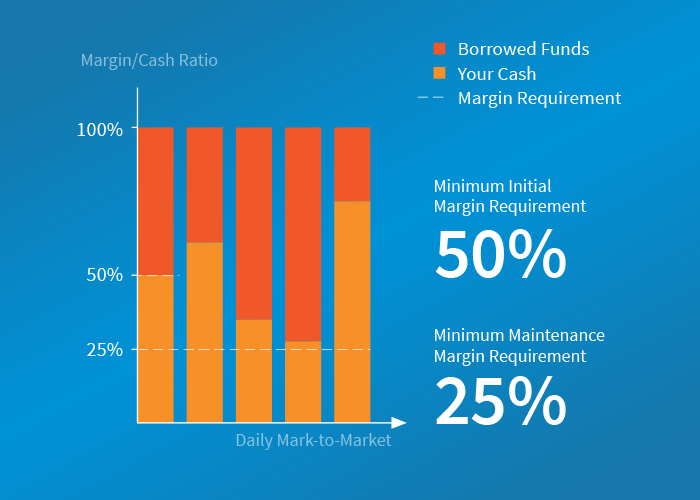
In the old world, you might need 50% of a stock’s value as a down payment. In portfolio margin land, that can drop to 15% or even less for a well-balanced account. That’s not a typo. It’s a whole new ballgame where your buying power gets a serious steroid shot.
But remember, this isn’t free money. It feels like it sometimes, but it’s not. The minimum to even get this VIP treatment is $110,000 in equity. Yes, you read that right. It’s a club for the slightly-well-off, not the broke college student. Sorry.
And don’t think you can just waltz in with your $110k and a dream. You have to apply for it. It’s like getting a special credit card, but with more paperwork and less free pizza. IBKR wants to make sure you understand the beast you’re about to ride.
How It Actually Works (The Math Part)
Let’s get real for a second. The system uses something called SPAN margin for futures and a similar risk array for stocks and options. It runs thousands of scenarios, like a dude in a bunker simulating the apocalypse, but for your portfolio. It checks what happens if the market drops 10%, jumps 15%, or does that weird sideways shuffle.
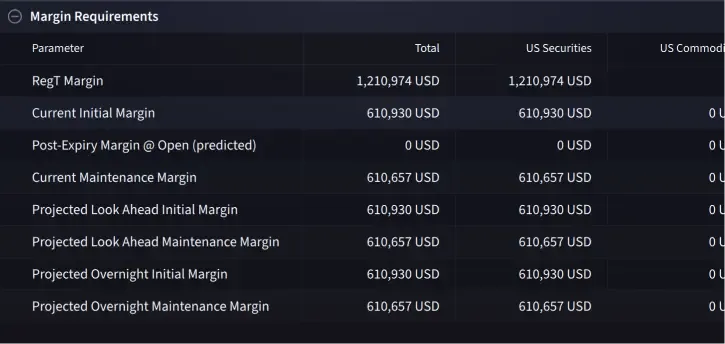
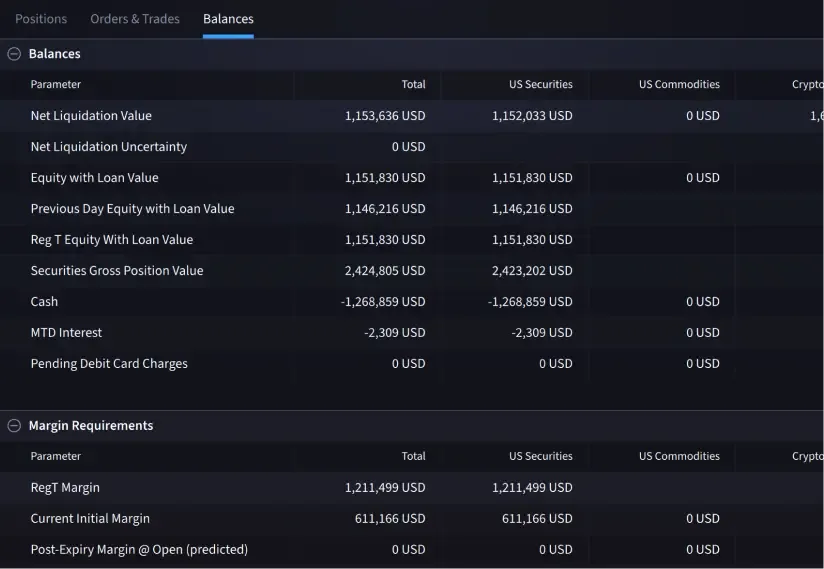
Your margin requirement is essentially the largest loss it predicts in those scenarios. So, if in the worst-case (but plausible) scenario, your portfolio loses $20,000, then your maintenance margin is $20,000. Simple, right?
This is why hedging is your best friend here. Buy a bunch of puts to protect your calls? The robot sees the risk canceling out and lowers your requirement. It’s almost like getting rewarded for being smart. I said almost.
The Good, The Bad, The Ugly
The good news? Better capital efficiency. You can take bigger positions without adding more cash. You’re basically getting a sports car with a smaller engine bill. Vroom, vroom.
The bad news? You will get a margin call faster than you can say “crap” if the market turns violent. The same model that lowers your requirement can spike it up instantly. It’s a two-way street, and sometimes that street is covered in ice.
The ugly? If you’re not diversified, a small drop can wipe you out. The safety net is much thinner. It’s not for the faint of heart. It’s for people who like to keep a stress ball on their desk.
My Two Cents
Should you do it? Look, if you’re a seasoned trader who understands Greeks, volatility, and correlation, then yes, it can be a game-changer. It’s like having a secret weapon. But if you’re just starting out, please, for the love of your bank account, stay away.
Start with regular margin. Get your toes wet. Feel the water. Then, once you’ve survived a few market dips without panicking, you can think about diving into the deep end. Just remember, you’re not gambling; you’re doing advanced risk management. That sounds better, doesn't it?
And always, always read the fine print. Or at least skim it. Because IBKR’s robot doesn’t care about your feelings. It only cares about numbers. And a margin call at 3 AM is a horrible way to wake up. Trust me on that one.