How.long Does It Take To Break A Habit

The concept of breaking a habit has been a fascinating topic for centuries, with ancient Greek philosophers like Aristotle and Plato discussing the importance of self-control and habit formation. However, it wasn't until the 20th century that the idea of breaking a habit became a mainstream topic, with the publication of books like The 7 Habits of Highly Effective People by Stephen Covey. Today, breaking a habit is more relevant than ever, as we struggle to cope with the pressures of modern life, from social media addiction to unhealthy eating habits. Understanding how long it takes to break a habit is crucial in our quest for self-improvement and a better quality of life.
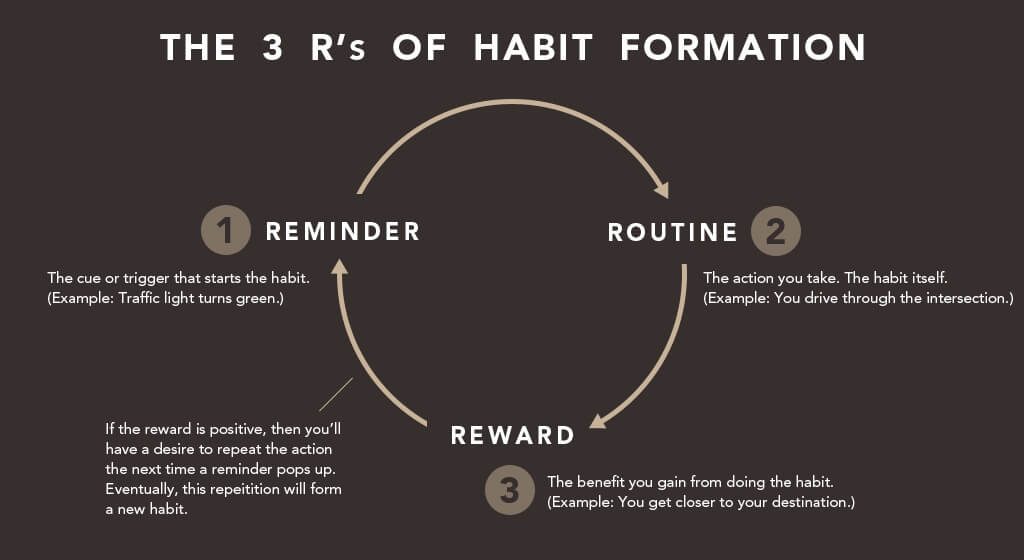
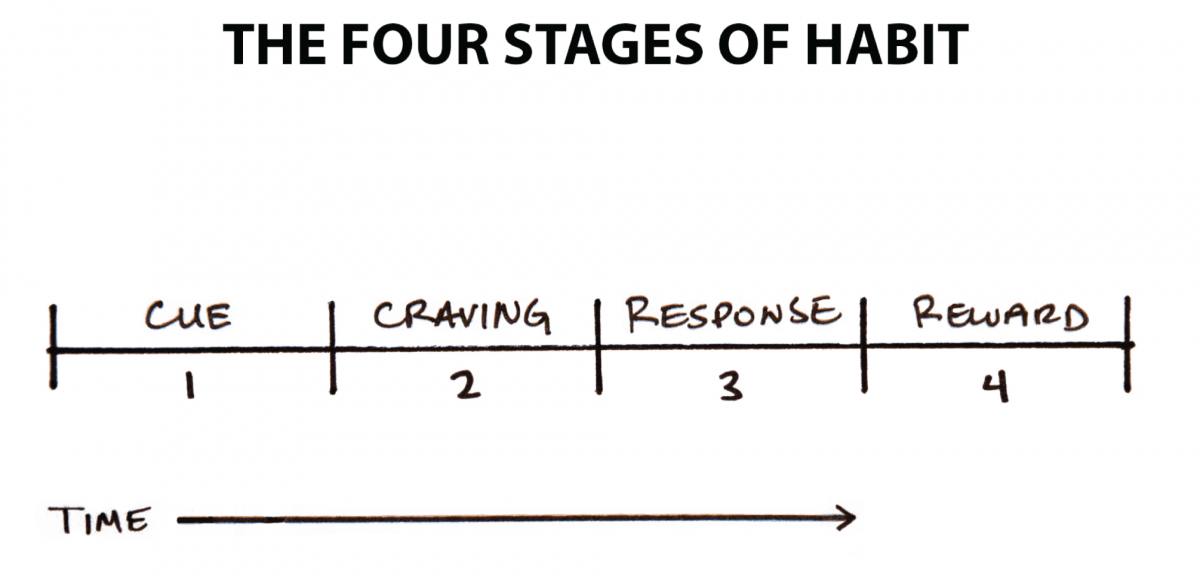
From a psychological perspective, habits are automatic responses to specific situations or cues, which can be triggered by various factors, including emotions, environment, and social influences. Breaking a habit requires a fundamental shift in our brain's wiring, which can be a challenging and time-consuming process. The good news is that with the right strategies and mindset, it is possible to break free from negative habits and develop healthier ones. In this article, we will delve into the world of habit formation and explore the intricacies of breaking a habit, including the time it takes, the psychological aspects, and the practical insights to help you overcome your unwanted habits.
The Science of Habit Formation
Habits are a fundamental part of our daily lives, and they can be both beneficial and detrimental to our well-being. The process of habit formation is complex and involves multiple brain regions, including the basal ganglia and the pre-frontal cortex. The basal ganglia play a crucial role in the formation of habits, as they are responsible for the automation of repetitive behaviors. The pre-frontal cortex, on the other hand, is involved in decision-making and executive function, which can help us override our habits and make conscious choices. Understanding the neural mechanisms underlying habit formation can provide valuable insights into the process of breaking a habit.
Must Read
One of the most interesting aspects of habit formation is the concept of neuroplasticity, which refers to the brain's ability to reorganize and adapt in response to new experiences and learning. Neuroplasticity is essential for breaking a habit, as it allows us to rewire our brain and form new connections between neurons. However, neuroplasticity can also work against us, as it can reinforce negative habits and make them more resistant to change. By understanding the mechanisms of neuroplasticity, we can develop strategies to overcome our unwanted habits and develop healthier ones.
The cultural impact of habits is another significant aspect of habit formation. Habits can be influenced by our social environment, cultural norms, and personal values. For example, social media addiction is a habit that has become increasingly prevalent in modern society, with many people spending hours scrolling through their feeds without even realizing it. Understanding the cultural context of habits can help us identify the triggers and cues that contribute to our unwanted behaviors and develop strategies to overcome them.
Breaking a Habit: Strategies and Insights
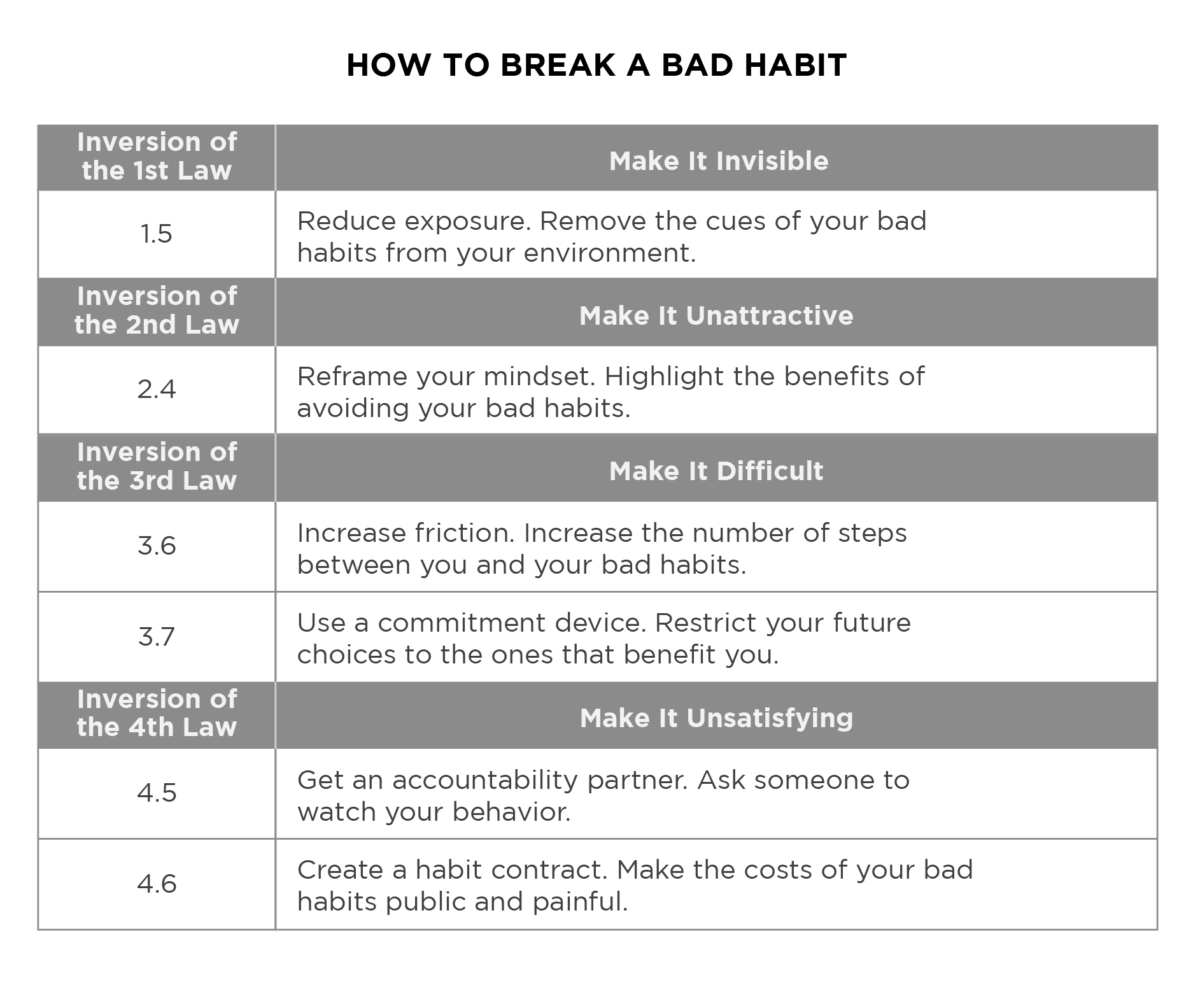
Breaking a habit requires a combination of self-awareness, motivation, and strategy. One of the most effective strategies for breaking a habit is to identify the triggers and cues that contribute to the behavior. For example, if you have a habit of checking your phone every hour, you may need to identify the situations or emotions that trigger this behavior, such as boredom or anxiety. Once you have identified the triggers, you can develop strategies to avoid or manage them, such as finding alternative activities or practicing relaxation techniques.
Another effective strategy for breaking a habit is to replace it with a new behavior. This can be a challenging process, as it requires us to form new connections between neurons and develop new habits. However, with consistent practice and reinforcement, it is possible to replace negative habits with healthier ones. For example, if you have a habit of smoking, you may need to replace it with a new behavior, such as exercising or meditating. By providing your brain with a new set of neural pathways, you can overcome your unwanted habits and develop healthier ones.

Case studies and scenarios can provide valuable insights into the process of breaking a habit. For example, a person who wants to break the habit of procrastination may need to develop strategies to manage their time and prioritize tasks. This can involve breaking down large tasks into smaller ones, setting deadlines, and creating a schedule. By providing a structured approach to task management, individuals can overcome their habit of procrastination and develop more productive habits.
Finally, accountability and support are essential for breaking a habit. Having a supportive network of friends, family, or a therapist can provide motivation and encouragement, which can be critical in the early stages of habit formation. Additionally, tracking progress and celebrating small victories can help reinforce new habits and provide a sense of accomplishment. By combining these strategies with a deep understanding of the psychological and cultural aspects of habit formation, individuals can overcome their unwanted habits and develop healthier ones.
Frequently Asked Questions
How long does it take to break a habit?
The amount of time it takes to break a habit can vary depending on the individual and the habit. Research suggests that it can take anywhere from 18 to 254 days to form a new habit, with the average time being around 66 days. However, breaking a habit can be a more complex process, as it requires us to overcome the underlying neural mechanisms that contribute to the behavior. In general, it is recommended to allow at least 30 days to break a habit, as this can provide sufficient time for the brain to rewire and form new connections.
One of the most interesting aspects of breaking a habit is the concept of habit formation curves. These curves illustrate the process of habit formation, which can be divided into three stages: the initial stage, the transition stage, and the maintenance stage. The initial stage is characterized by a rapid decline in the behavior, as the individual becomes aware of the habit and starts to make conscious changes. The transition stage is marked by a plateau, as the individual struggles to maintain the new behavior. Finally, the maintenance stage is characterized by a gradual increase in the new behavior, as it becomes more automatic and ingrained.
What are the most common habits that people struggle to break?
There are many habits that people struggle to break, including smoking, drinking, and overeating. These habits can be particularly challenging to break, as they are often driven by underlying emotional or psychological factors. For example, smoking may be used as a coping mechanism for stress or anxiety, while overeating may be triggered by emotional states such as boredom or sadness. Understanding the underlying causes of these habits is essential for developing effective strategies to break them.
Another common habit that people struggle to break is social media addiction. This habit can be particularly challenging, as social media platforms are designed to be highly engaging and addictive. However, by understanding the psychological mechanisms that contribute to social media addiction, such as dopamine release and
How can I increase my motivation to break a habit?
Motivation is a critical factor in breaking a habit, as it provides the drive and energy to make changes. One of the most effective ways to increase motivation is to set clear goals and identify the reasons why you want to break the habit. This can involve writing down your goals and tracking your progress, as well as finding a supportive network of friends or family members who can provide encouragement and accountability.
Another effective way to increase motivation is to celebrate small victories. This can involve rewarding yourself for small achievements, such as reaching a milestone or completing a challenging task. Celebrating small victories can help reinforce new habits and provide a sense of accomplishment, which can be critical in the early stages of habit formation. Additionally, finding a habit buddy or accountability partner can provide an added motivation to break a habit, as it can provide a sense of responsibility and obligation to make changes.

What role does environment play in breaking a habit?
Environment plays a significant role in breaking a habit, as it can provide cues and triggers that contribute to the behavior. For example, if you have a habit of snacking in front of the TV, you may need to change your environment by removing unhealthy snacks or finding alternative activities to do while watching TV. By changing your environment, you can reduce the cues and triggers that contribute to the habit and make it easier to break.
Another way to use environment to break a habit is to create an environment that supports the new behavior. This can involve setting up a home gym or finding a healthy restaurant that supports your new habits. By creating an environment that supports the new behavior, you can make it easier to maintain the habit and reduce the likelihood of relapse. Additionally, using visual reminders such as post-it notes or a habit tracker can provide a constant reminder of your goals and help you stay motivated to break the habit.
Can breaking a habit be a permanent change?
Breaking a habit can be a permanent change, but it requires a long-term commitment to maintaining the new behavior. Research suggests that it can take up to 6 months for a new habit to become automatic, and even then, it can be vulnerable to relapse. However, by continuing to reinforce the new behavior and providing ongoing support and accountability, individuals can make permanent changes and break their unwanted habits.
One of the most effective ways to make breaking a habit a permanent change is to focus on progress, not perfection. This can involve tracking progress and celebrating small victories, as well as being kind and compassionate when you make mistakes. By focusing on progress, not perfection, individuals can develop a growth mindset and make permanent changes that can improve their overall well-being. Additionally, finding a sense of purpose and meaning in life can provide a long-term motivation to break a habit and make positive changes that can last a lifetime.

How can I prevent relapse when breaking a habit?
Preventing relapse is a critical aspect of breaking a habit, as it can be a major obstacle to long-term success. One of the most effective ways to prevent relapse is to identify the triggers and cues that contribute to the behavior. This can involve keeping a habit journal or tracking your progress to identify the situations or emotions that trigger the habit. By understanding the triggers and cues, individuals can develop strategies to avoid or manage them, such as finding alternative activities or practicing relaxation techniques.
Another effective way to prevent relapse is to create a relapse prevention plan. This can involve identifying the signs of relapse, such as increased cravings or stress, and developing strategies to manage them. Additionally, having a support network of friends or family members can provide ongoing support and accountability, which can be critical in preventing relapse. By combining these strategies with a deep understanding of the psychological and cultural aspects of habit formation, individuals can prevent relapse and make permanent changes that can improve their overall well-being.
Breaking a habit is a complex and multifaceted process that requires a deep understanding of the psychological and cultural aspects of habit formation. By providing a comprehensive overview of the topic, including the history, science, and cultural impact of habits, individuals can develop a thorough understanding of the process of breaking a habit. Additionally, by exploring the lesser-known facts, psychological aspects, and cultural impact of habits, individuals can gain a deeper insight into the mechanisms that drive habit formation and develop effective strategies to break their unwanted habits.
One of the most significant connections between breaking a habit and human nature is the concept of self-control. Self-control is the ability to regulate our thoughts, feelings, and behaviors, and it is a critical factor in breaking a habit. By understanding the mechanisms of self-control, individuals can develop strategies to overcome their unwanted habits and develop healthier ones. Additionally, recognizing the importance of emotional intelligence in breaking a habit can provide valuable insights into the process, as emotional intelligence is essential for managing stress, anxiety, and other emotions that can trigger habits.
Finally, breaking a habit is not just about individual change; it is also about cultural transformation. By recognizing the cultural aspects of habits and the ways in which they are shaped by our social environment, individuals can develop strategies to break their unwanted habits and create a more supportive and healthy culture. This can involve promoting healthy norms and values, such as exercise and healthy eating, and creating supportive environments that encourage positive behaviors. By combining these strategies with a deep understanding of the psychological and cultural aspects of habit formation, individuals can break their unwanted habits and create a better future for themselves and their communities.