How To Write Sexual Tension

The art of writing sexual tension is a delicate balance of suggestion and subtlety, a masterful dance of words that can leave readers breathless and wanting more. It's a technique that has been employed by writers for centuries, from the simmering undercurrents of Jane Austen's novels to the explicit eroticism of modern bestsellers. But what exactly is sexual tension, and how can writers harness its power to create compelling, pulse-pounding fiction? To understand the concept, it's essential to delve into its history and evolution, tracing the threads of societal and cultural influences that have shaped our perceptions of sex, desire, and relationships.
As we explore the world of writing sexual tension, we find ourselves navigating a complex landscape of psychological, emotional, and physical dynamics. It's a realm where the nuances of human interaction are magnified, where a single glance or touch can speak volumes about the desires and intentions of the characters involved. The stakes are high, with the potential to either enthrall or alienate readers, depending on the writer's skill and sensitivity. By examining the ways in which writers have historically approached this topic, we can gain valuable insights into the craft of creating compelling, believable sexual tension that draws readers in and refuses to let go.
Unpacking the Psychology of Sexual Tension
One of the most fascinating aspects of writing sexual tension is the psychological underpinnings that drive human desire and attraction. Chemistry is a term often used to describe the spark that flies between two people, but what exactly does it mean, and how can writers capture its essence on the page? The answer lies in the subtle interplay of body language, dialogue, and emotional cues that signal interest and intent. When characters are drawn to each other, their words and actions take on a sensual quality, a heightened awareness of each other's presence that is both exhilarating and terrifying.
Must Read
As we delve deeper into the psychology of sexual tension, we find that anticipation plays a significant role in building the tension between characters. The promise of something to come, the hint of possibility, can be a powerful catalyst for desire, creating a sense of longing that is both poignant and palpable. Writers can exploit this dynamic by introducing obstacles, conflicts, or misunderstandings that delay the inevitable, ratcheting up the tension to almost unbearable levels. The key is to create a sense of yearning, a deep-seated emotional connection that underscores the physical attraction between the characters.
Cultural references and historical context can also inform our understanding of sexual tension, highlighting the ways in which societal norms and expectations have shaped our perceptions of sex and relationships. From the repressive social mores of the past to the more permissive attitudes of today, writers have had to navigate a complex web of taboos and conventions to create authentic, compelling portrayals of human desire. By acknowledging these cultural influences, writers can add depth and nuance to their explorations of sexual tension, creating fiction that is both timeless and timely.
Mastering the Craft of Writing Sexual Tension
So, how do writers actually craft sexual tension, and what techniques can they use to create a sense of sizzling attraction between characters? One approach is to focus on the sensory details of the scene, using descriptive language to bring the characters' experiences to life. This might involve describing the way a character's eyes lock onto someone across the room, the sound of their voice, or the scent of their skin. By engaging the reader's senses, writers can create a vivid and immersive experience that draws them into the world of the story.

Another technique is to use subtext to convey the underlying emotions and desires of the characters. This might involve layering dialogue with multiple meanings, using body language to signal attraction or interest, or introducing symbolic objects or motifs that carry erotic connotations. By implying rather than stating, writers can create a sense of tension that is both subtle and powerful, leaving readers to fill in the gaps with their own imaginations.
Case studies of successful authors who have mastered the art of writing sexual tension can provide valuable insights into the craft. For example, Woody Allen's films often feature characters navigating the complexities of relationships, desire, and intimacy, while Anne Rice's novels explore the erotic and the unknown. By analyzing these authors' techniques and approaches, writers can gain a deeper understanding of how to create compelling, believable sexual tension that resonates with readers.
In addition to these techniques, writers can also draw on their own experiences and observations to inform their portrayals of sexual tension. By tapping into their own emotions and desires, writers can create characters and relationships that feel authentic and relatable, with conflicts and dynamics that are both universal and unique. The key is to approach the topic with sensitivity and honesty, acknowledging the complexities and nuances of human desire.
Frequently Asked Questions
What is the difference between sexual tension and explicit content?
The distinction between sexual tension and explicit content is a crucial one, as it can make or break the impact of a scene. While explicit content can be graphic and detailed, sexual tension is often more suggestive and implicit, relying on the reader's imagination to fill in the gaps. Writers who can master the art of implication, using suggestion and inference to convey the characters' desires and intentions, can create a more intimate and immersive experience for the reader.

One of the key challenges of writing sexual tension is walking the fine line between suggestion and explicitness. Writers need to be mindful of their audience and the context in which the scene is taking place, using their discretion to determine how much to reveal and how much to leave to the reader's imagination. By trustinging their readers to fill in the gaps, writers can create a sense of complicity and shared experience that is both powerful and intimate.
How can writers create sexual tension in a same-sex relationship?
Creating sexual tension in a same-sex relationship requires the same attention to detail and sensitivity as any other portrayal of desire and attraction. Writers should focus on the emotional connection between the characters, using dialogue, body language, and sensory details to convey their feelings and intentions. By avoiding stereotypes and clichés, writers can create a nuanced and authentic portrayal of same-sex desire that feels both universal and unique.
One of the key challenges of writing same-sex relationships is navigating the complexities of representation and identity. Writers should be mindful of the need to avoid tokenism and exoticization, instead focusing on creating characters that feel fully realized and multidimensional. By doing so, writers can create a sense of validation and recognition that is both powerful and important.
What role does power play in writing sexual tension?
Power dynamics can play a significant role in writing sexual tension, particularly in situations where there is an imbalance of power or control. Writers should be mindful of the need to avoid exploitation and manipulation, instead focusing on creating characters that feel empowered and autonomous. By acknowledging the complexities of power and consent, writers can create a sense of mutuality and respect that is both essential and healthy.

One of the key challenges of writing power dynamics is navigating the complexities of consent and communication. Writers should be mindful of the need to create characters that feel fully informed and enthusiastic, using dialogue and body language to convey their desires and intentions. By doing so, writers can create a sense of trust and intimacy that is both powerful and intimate.
How can writers avoid writing sexual tension that feels forced or unnatural?
Writing sexual tension that feels forced or unnatural can be a major turn-off for readers, undermining the credibility and authenticity of the story. To avoid this, writers should focus on creating characters that feel fully realized and multidimensional, with desires and intentions that feel organic and consistent. By listening to their characters and trusting their instincts, writers can create a sense of chemistry and connection that feels both realistic and compelling.
One of the key challenges of writing sexual tension is avoiding the temptation to manipulate or force the plot, instead allowing the characters' desires and intentions to emerge naturally from the story. By resisting the urge to rush or manufacture the tension, writers can create a sense of anticipation and expectation that feels both exciting and authentic.
What is the importance of writing sexual tension in a way that is respectful and considerate of all readers?
Writing sexual tension in a way that is respectful and considerate of all readers is essential, particularly in today's diverse and inclusive literary landscape. Writers should be mindful of the need to avoid stereotypes and clichés, instead focusing on creating characters and relationships that feel nuanced and authentic. By acknowledging the complexities of human desire and validating the experiences of all readers, writers can create a sense of connection and community that is both powerful and important.
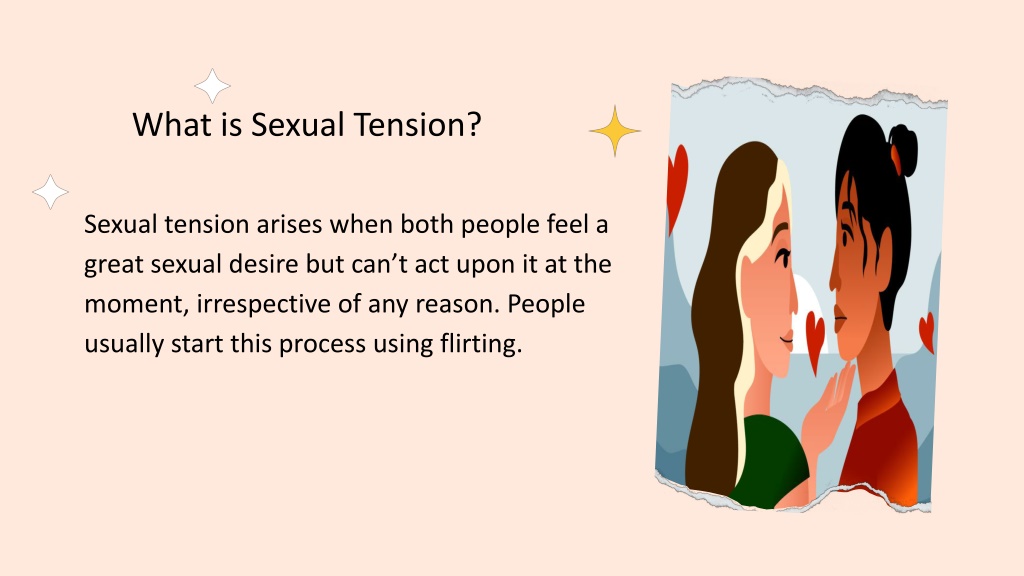
One of the key challenges of writing sexual tension is navigating the complexities of representation and identity, particularly in situations where characters may identify as LGBTQ+ or non-binary. Writers should be mindful of the need to create characters that feel fully realized and multidimensional, with desires and intentions that feel organic and consistent. By doing so, writers can create a sense of validation and recognition that is both essential and healthy.
As we reflect on the art of writing sexual tension, it's clear that this is a complex and multifaceted topic, one that requires sensitivity, nuance, and a deep understanding of human desire and relationships. By examining the ways in which writers have historically approached this topic, and by exploring the psychological, emotional, and cultural dynamics that underpin sexual tension, we can gain valuable insights into the craft of creating compelling, believable fiction that resonates with readers.
The connection between writing sexual tension and our daily lives is a profound one, highlighting the ways in which human desire and relationships shape our experiences and interactions. By acknowledging the complexities and nuances of sexual tension, we can create a more empathetic and inclusive society, one that values consent and communication above all else. As writers, we have a unique opportunity to explore these themes and dynamics, using our words to create a sense of connection and community that transcends the page.
Ultimately, the art of writing sexual tension is a delicate balance of suggestion and subtlety, a masterful dance of words that can leave readers breathless and wanting more. By embracing the complexities and nuances of human desire, and by validating the experiences of all readers, writers can create fiction that is both timeless and timely, with a sense of chemistry and connection that feels both realistic and compelling. As we continue to explore and push the boundaries of this topic, we may just find that the art of writing sexual tension is not only a key component of great fiction, but also a powerful tool for building empathy and understanding in our daily lives.