How To Write A Review On An Article
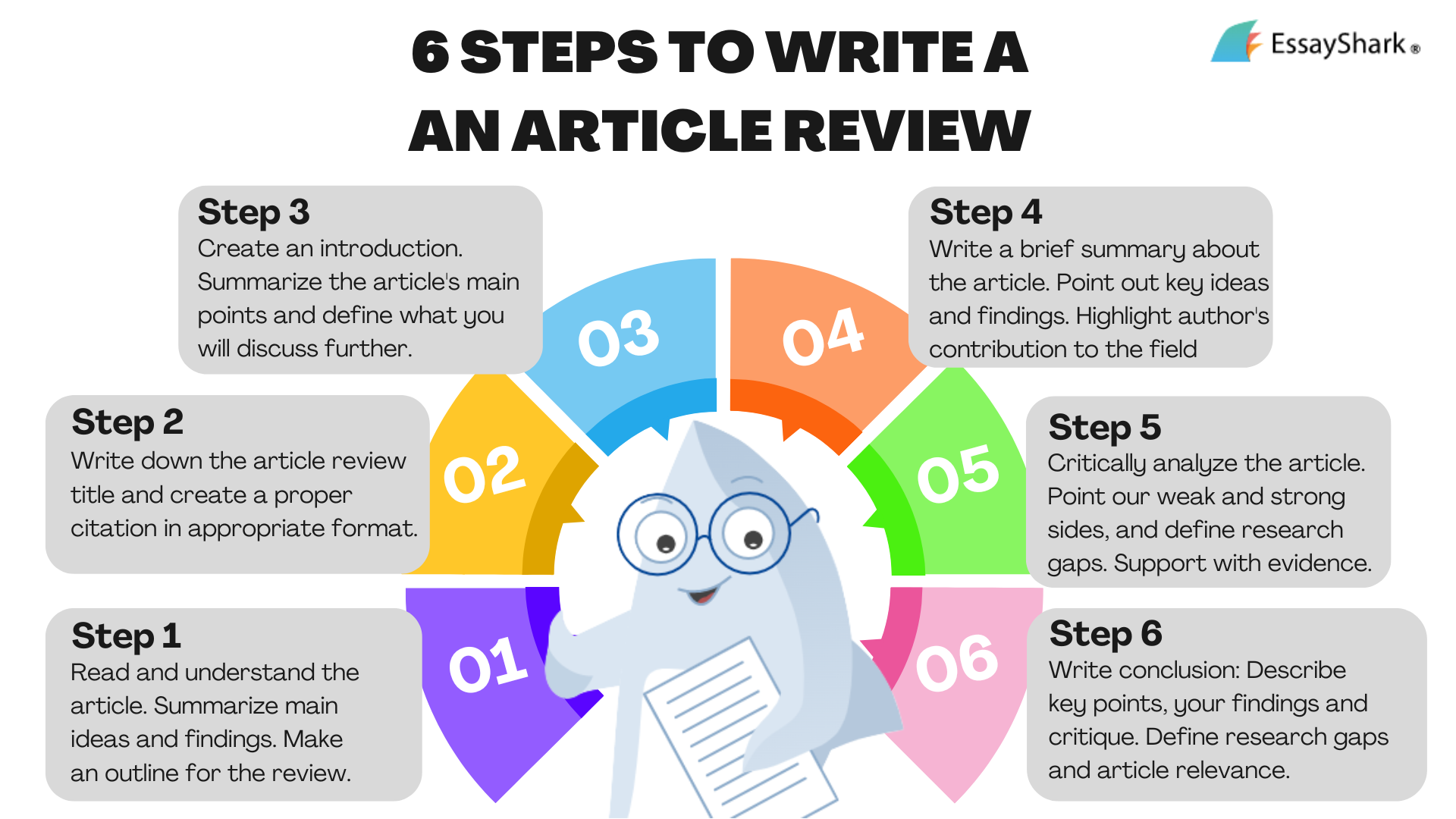
Let’s be honest—you’ve probably read a dozen articles this week alone. But how often do you actually stop to think about what you just read? Writing a review isn’t a dusty homework assignment; it’s your chance to join a conversation, sharpen your own thinking, and even help a stranger decide what to read next.
Think of it as being a food critic for ideas, but without the fancy tasting menu. You get to sample the author’s thoughts, savor the good parts, and politely point out where the dish felt a little undercooked. That’s power, my friend. And it’s surprisingly fun once you get the hang of it.
Start With the “What” Before the “So What”
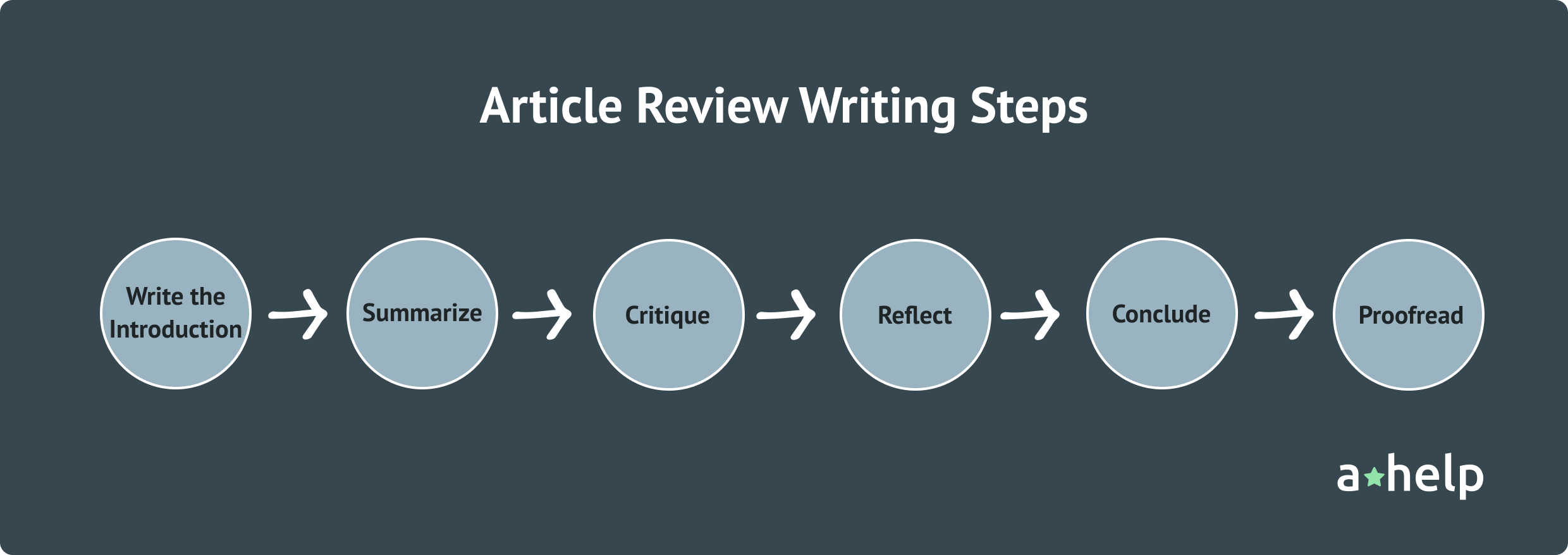
Before you unleash your opinions, take a breath and summarize the article in two sentences—out loud or on paper. If you can’t, you weren’t reading closely enough. This isn’t busywork; it’s your anchor.
Must Read
Ask yourself: What is the author’s main claim? Then, ask: What evidence did they use? You’re not just reporting facts; you’re setting the stage for your own brilliant take. This simple step makes your review feel grounded and credible, not like a random rant.
Now, Get a Little Personal (In a Good Way)
Here’s the secret sauce: your reaction matters. Did a line make you laugh? Did a statistic make you wince? Did you disagree so hard you almost threw your phone across the room? Capture that. That’s the good stuff.
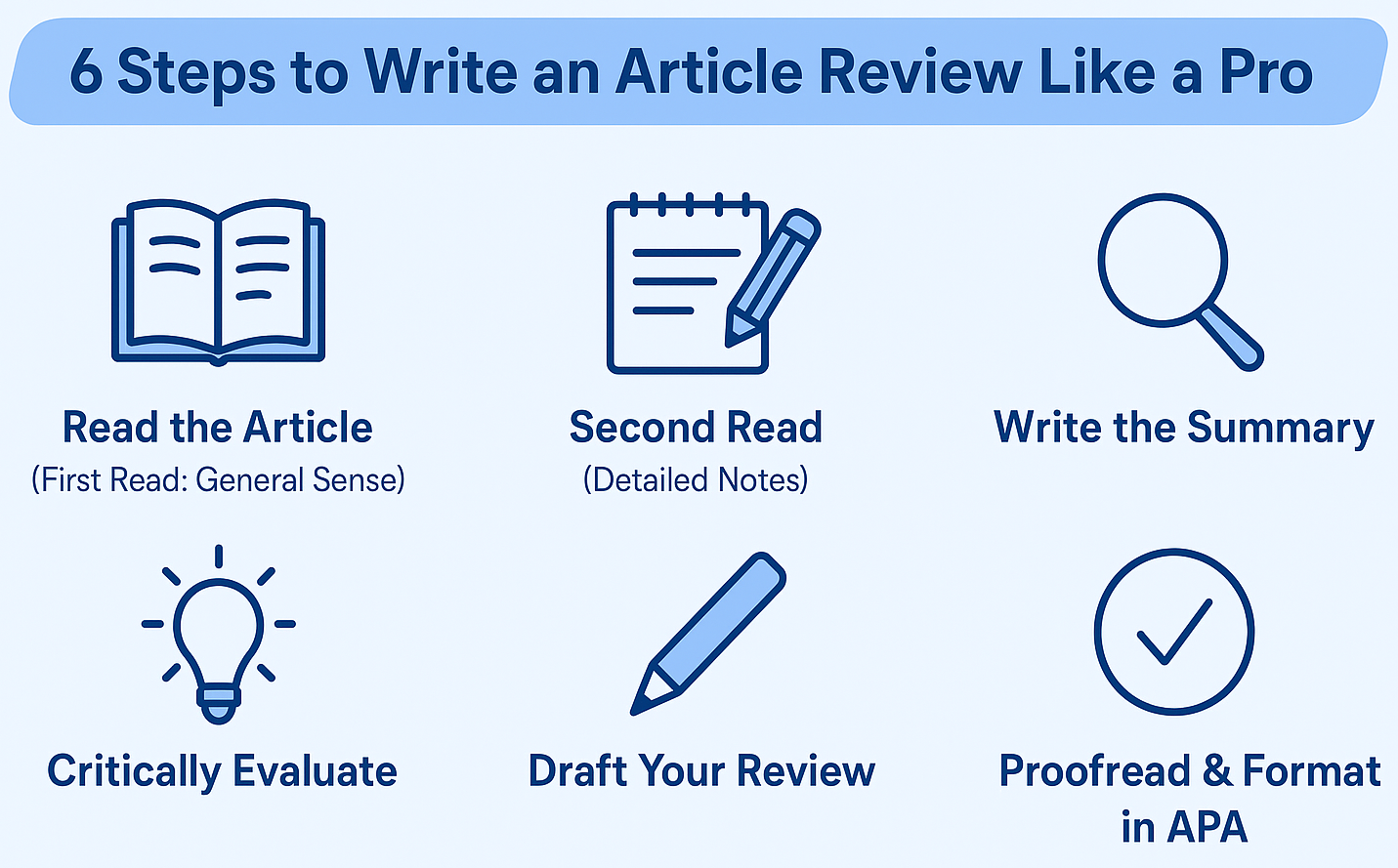
Don’t write “I liked it.” Write “The author’s argument that naps boost productivity made me want to schedule a meeting with my pillow.” Specificity is your best friend. It turns your review from a boring grade into a tiny, delightful story.
Be Kind, But Don’t Be a Pushover
Here’s the golden rule: Critique the article, not the author’s soul. You can say “This argument felt weak because it ignored X,” but skip “The author is an idiot.” The first is a thoughtful observation; the second is just noise. You’ll get more respect—and better comments—by being sharp but fair.
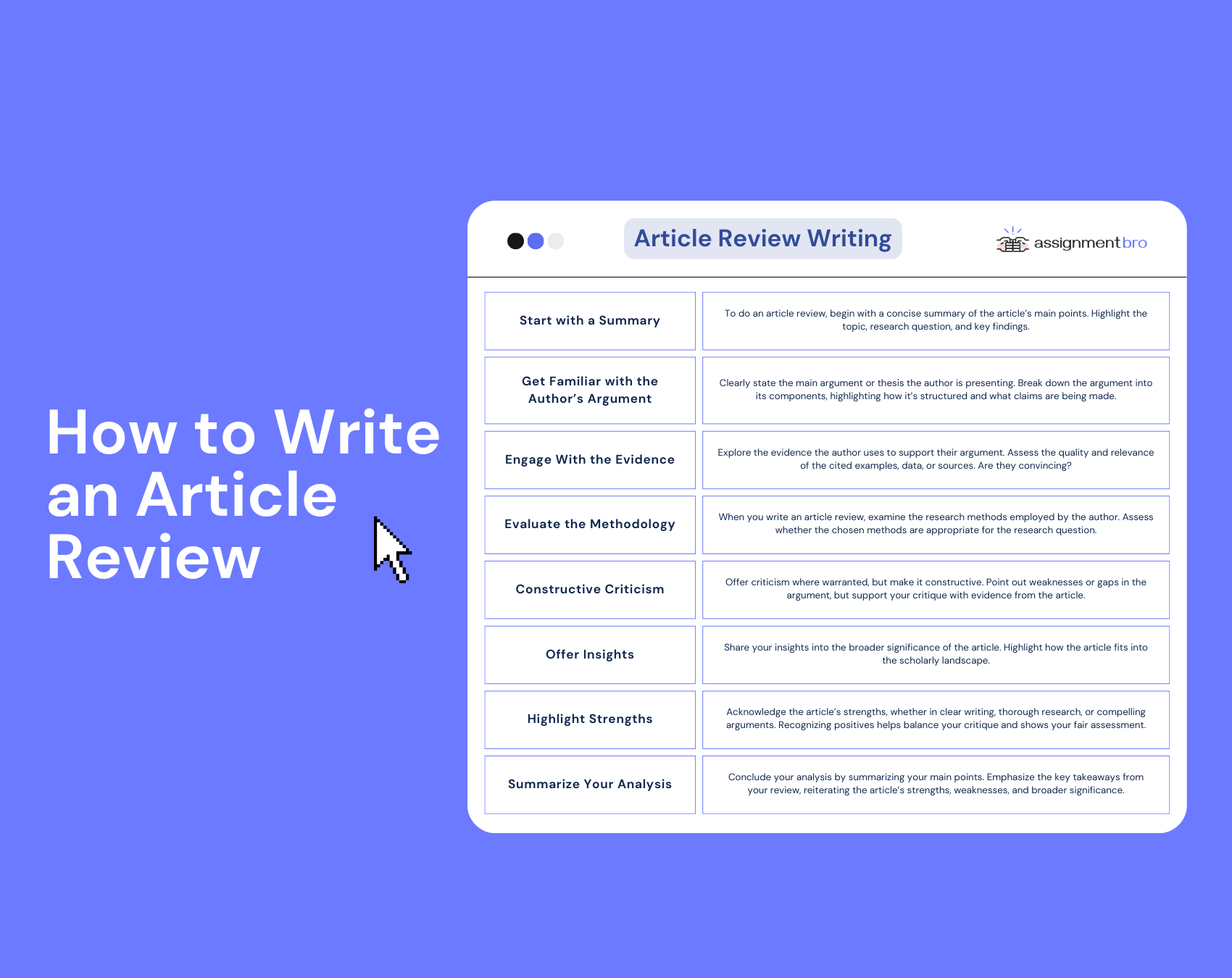
Also, remember that a good review isn’t a summary. If someone just wants the article’s content, they can read the original. Your job is to add a new layer. What did the author miss? What question are you still chewing on? That’s where you bring the magic.
End With a Clear Verdict & a Soft Nudge
Wrap it up with a clear recommendation: “Read this if you’re curious about X, but skip it if you’re tired of Y.” This helps your reader make a smart decision in five seconds. And don’t be afraid to include a personal rating, whether it’s stars, thumbs up, or a simple “worth your coffee break.”
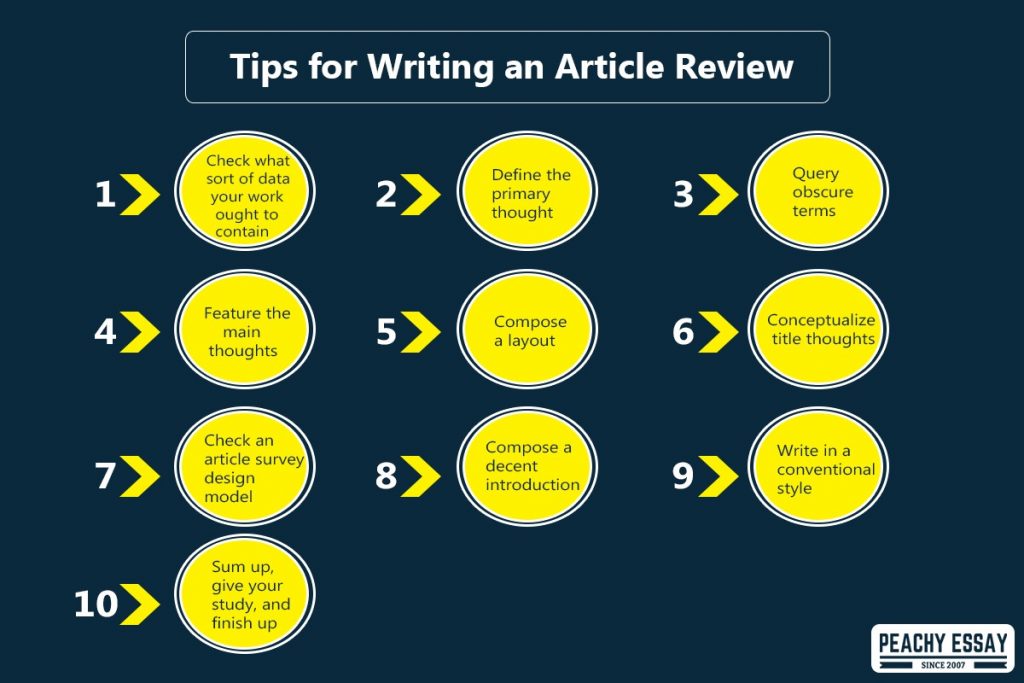
Finally, leave your reader with a question. “Do you agree that remote work kills creativity?” That invites a conversation, turning your review into a tiny campfire where other people want to sit and chat.
So next time you finish an article, don’t just scroll away. Open your notes app, write three honest sentences, and hit publish. You’ll be amazed at how much clearer your own thinking becomes—and how good it feels to have a voice in the digital crowd.
Here’s the beautiful part: every review you write makes you a more curious, critical, and engaged human. You’re not just consuming ideas; you’re playing with them. So go ahead—be the reviewer you wish you’d found. The internet needs your voice, and honestly, you’ll have a blast finding it.