
How To Use Permanent Creme Hair Color

Let’s be real for a second: if your TikTok “For You” page hasn’t served you a video of someone dramatically snapping on rubber gloves and slathering a thick, suspiciously pudding-like substance onto their scalp at 2 AM, are you even online? The permanent creme hair color renaissance is not just a beauty trend; it’s a full-blown cultural event. We’ve collectively decided that the salon chair is for special occasions and therapy co-pays, while the bathroom floor is for chemical warfare—in the chicest way possible. It’s the DIY revolution that has turned every Gen Z renter into a Mad Scientist of Melanin, trading $300 balayages for a $12 box of ammonia-infused destiny.
But make no mistake—this isn't your mom's "nice 'n easy" situation. This is the era of the “Money Piece” and the “Lived-In Brunette,” where the goal is less about covering grays and more about crafting a personalized aesthetic that screams “I have my life together” while you’re actually just hoping you don’t stain your grout. The virality is fueled by a potent cocktail of economic anxiety (who has $400 for highlights right now?), a thirst for instant gratification, and the sheer dopamine hit of watching that glossy, jet-black transformation in real-time. We are no longer passive consumers; we are alchemists, and the stakes have never been higher—or more hilarious.
So, before you blindly add "Permanent Creme Hair Color" to your Instacart order, let’s unpack the chaos. This isn't just about changing your shade; it’s about navigating a landscape riddled with porous hair, uneven application, and the very real possibility of looking like a startled raccoon for two weeks. Let’s dive into the chemical pool, shall we? The water is fine, as long as you read the instructions.
Must Read
The Subculture of the Bathroom Chemist
Welcome to the niche—but terrifyingly large—subculture of the “Bathroom Chemists.” These are the brave souls who have eschewed professional licensing in favor of YouTube tutorials and Reddit threads. The community is fascinating because it operates on a strict hierarchy of bravado. You have the Veterans, who can eyeball a developer-to-color ratio like a seasoned bartender, and the Casualties—the poor souls who post their “brassy orange disaster” to r/HairDye, seeking advice from the 47-year-old moderator who swears by a specific brand of purple shampoo from 2008. This subculture is fueled by a shared trauma bond over banding (that unfortunate stripey look) and the eternal quest for the perfect “Rooty” blend.
Social media has accelerated this shift, turning hair dyeing into a spectator sport. The hashtag #HairTok is a swirling vortex of contradictions: creators preach radical self-acceptance while simultaneously showing you how to erase your natural pigment in 20 minutes. The commentary is sharp and merciless; if you use a developer that’s too high, the comments will eviscerate you faster than the ammonia eats your cuticle. There’s also a weird eco-conscious angle emerging, with a push toward “cleaner” formulas, which is lovely, but let’s be honest—we are all still one patch test away from a chemical burn that looks like a geographical map of the Balkans. It’s a toxic, beautiful, and deeply democratic space where the only currency is your hair’s integrity.

The Pragmatic Guide to Not Ruining Your Life (Or Your Shower)
Okay, you’ve seen the influencer with the shiny, raven-black bob, and you’re ready to commit. But before you perform this “cosmetic lobotomy” on yourself, let’s talk logistics. The first rule of permanent creme color is that it is permanent. Unlike semi-permanent dyes that fade gracefully, this stuff is a lifetime commitment (well, until it grows out). So, your first pragmatic step is to buy two boxes—always. Long, thick, or curly hair laughs at the "one size fits all" marketing. Running out of dye mid-melt is how you end up with half a head of questionable caramel and a full-blown panic attack. It’s better to have extra goo than not enough; trust me, you cannot "stretch" the remaining product with conditioner without sacrificing the integrity of the tone.
Let’s talk about the Patch Test. Yes, it is tedious. Yes, it ruins the vibe of spontaneous transformation. But the internet is littered with stories of people who skipped it and ended up with a scalp that looks like a strawberry. Do it 48 hours before. Put a dab behind your ear. If you wake up with an itchy, rashy ear, ditch the dream and go back to your natural color. If you’re allergic to PPD (a common ingredient), the alternative is not a cool new hair color; it’s anaphylaxis. Not cute. Also, please—and I cannot stress this enough—do not wash your hair the day of application. Your natural oils are your shield. They protect your scalp from irritation. I know the packaging says "clean hair" but that is a myth from the 90s. You want that greasy, day-old shampoo vibe. It gives the color something to grip onto that isn't your raw skin.
Now, for the application strategy. The “Bowl and Brush” method is superior to the bottle, period. Squeezing goo directly onto your head in hopes of even distribution is like throwing spaghetti at the wall and expecting a gourmet meal. Section your hair into four quadrants. Use clips. Start at the roots but don’t saturate the ends immediately—unless you want the coveted "hot roots" effect (where your scalp is a different, warmer color than your lengths). The heat from your scalp processes the color faster. So, apply to the roots first, wait 15 minutes, then drag the color through the ends for the final 15-20 minutes. This ensures a uniform, dimensional result rather than a flat, one-dimensional helmet. And for the love of all that is holy, set a timer. A kitchen timer. A phone timer. Any timer. "I'll just scroll Reels for a sec" turns into 45 minutes of processing, and you emerge with hair so dark it absorbs light.
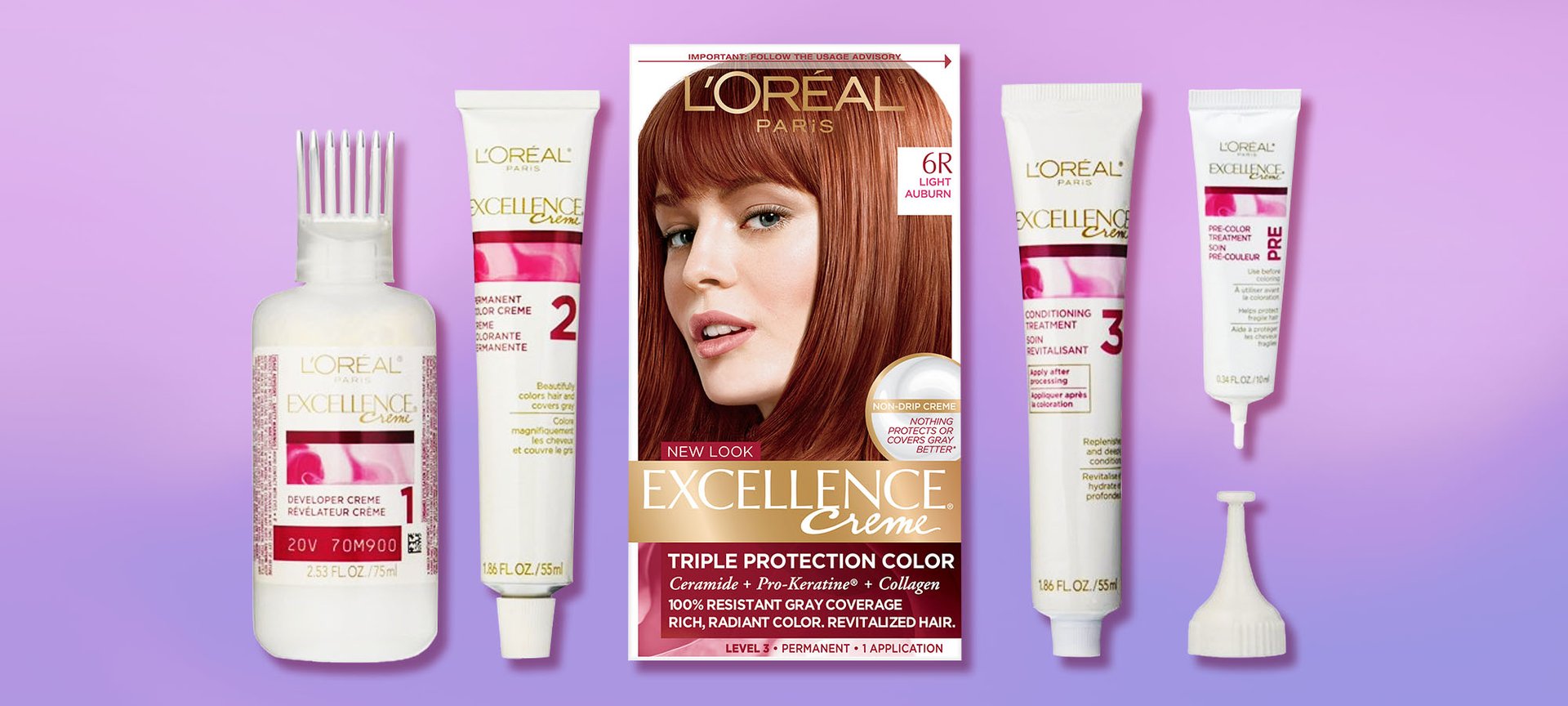
Finally, the aftercare. The moment you rinse (with cool water, not hot!), the maintenance begins. Investing in a color-depositing conditioner or a sulfate-free shampoo is not optional; it’s mandatory. Permanent creme color strips your cuticle to embed the pigment, leaving it wide open and ready to lose that pigment if you look at it with harsh detergents. Wash your hair less. Two or three times a week max. And ditch the scalp scrubbers—they are for people who don't value their salon-grade root melt. You are now a person with a "color budget," and every time you shampoo, you are literally draining money down the drain. Treat your hair like an expensive silk blouse: gentle, cold, and with a side of deep conditioning masks. Your shower floor will also appreciate the investment in a separate "dye rag" because that creme will laugh at your bleach spray and stain your ceramic for eternity.
The Great Internet F.A.Q. Debates
1. Can I dye my hair from black to blonde at home with permanent creme color?
Absolutely not. Full stop. This is the internet’s favorite pipe dream, and it ends in tears. Permanent color cannot lift permanent color. It can only deposit. If you have box-dyed black hair, applying a "light blonde" permanent creme will literally do nothing except give you a shiny, slightly-smelling scalp. You would need to strip the color or bleach it first, which is an entirely different, much more dangerous chemical process. The internet is full of "natural hair lightening" hacks with vitamin C and dish soap, but even those won't get you to platinum. If you want to go blonde, you are looking at a multi-stage process that requires foils, toners, and likely a professional intervention. Ignore the viral video of the girl doing it in her dorm room—she either has a cosmetology license she’s hiding, or her hair is secretly made of synthetic wig fiber.
The other side of this debate involves the "hair color remover" products. Yes, these exist, and they shrink the color molecules to flush them out. But this process leaves your hair incredibly porous and fragile. Dropping a permanent color on top of that immediately will result in a muddy, uneven, and likely green-tinged mess if you have any residual red tones. The smart move? Don't try to be a hero. The cost of a corrective color at a salon is triple the cost of the initial salon visit. If you want to go lighter, save your pennies and seek a professional who uses bleach with bond builders. The trend of DIY bleach is a horror story waiting to happen, and the internet is tired of scraping you off the ceiling.

2. Is permanent creme color the same as "box dye" and is it really that bad?
Yes, technically, "box dye" is usually a permanent creme color. But the hate that "box dye" gets on social media is less about the product itself and more about the one-size-fits-all developer that comes in the kit. Professional colorists can mix different volumes of developer (10, 20, 30, 40) to control how much lift occurs. Box kits usually use a 20 or 30 volume on everything, which is fine for covering grays, but terrible if your hair is fine or color-treated. The nefarious part is the high dye load—they pack in more pigment to guarantee a drastic visible change, which can lead to a very matte, flat, and even brittle result. It’s the difference between a tailored suit and an off-the-rack one. It fits, but the proportions are often off.
However, the counter-culture trend claims that modern box dyes are fine, as long as you know what you're buying. Some brands have upgraded their formulas with moisturizing agents and are moving away from the harshest ammonia. The real enemy isn't the product in the box; it's the marketing. The box leads you to believe you can completely change your base color in one sitting. Permanent color is a beautiful tool for glossing, toning, and deepening an existing color. It is not a magic eraser for years of sun damage or previous dye jobs. The viral "rites of passage" videos where girls destroy their hair with a $8 kit from the drugstore are not a failure of the trend; they are a failure of expectation. Read the box. If it says "for dark hair only" for a dark brown shade, don't buy the "vibrant red" expecting to look like a sunset. You will look like a sunburn.
3. Why does my permanent color fade to orange/red, and why does everyone scream "copper" on my feed?
Welcome to the world of undertones, the most misunderstanding concept in hair chemistry. When permanent color fades, it doesn't fade to "nothing." It fades down to the underlying pigment of your natural hair level. Every hair color has a base—for levels 1-3 (black/dark brown), the base is red/orange. For levels 4-6 (brown/dark blonde), it’s orange/yellow. So, when your permanent dye washes out, you are exposing that warm undertone. This is why influencers scream "WARMTH" at you. When you apply an ash (green/blue-based) toner over previously dyed hair, it neutralizes the orange, but as that toner fades, the warmth peeks through again. It's physics. It’s biology. It’s annoying.

The clickbait around "permanent hair color fades orange" is huge right now because it drives engagement. Creators use this fear-mongering to push their proprietary "anti-fade" haircare lines. But the truth is, permanent color always fades eventually. The trick isn't to find a color that never fades (they don't exist); it's to embrace the fade or maintain the tone with toning shampoos that deposit the opposite color on the spectrum. If you dye your hair a level 4 brown and it goes fiery red on you, you need a green-based shampoo to cancel that out, not a purple one. The internet will push purple shampoo on everyone, but that only works on blonde. Do your research, know your level, and accept that your "permanent" color is actually a "temporary-until-the-minerals-attack" situation. It’s a constant battle, and the detergent industry is winning.
So, is this permanent creme revolution just a flash in the pan of internet trends, or is it here to stay? Looking at the economic landscape, the "salon-less" movement feels less like a fad and more like a permanent shift in consumer behavior. With the average cost of living skyrocketing, the $250 appointment is becoming a luxury, not an essential. The democratization of beauty information via TikTok has created a generation of informed (or at least confidently misinformed) consumers who would rather experiment with a $15 product than risk a $500 mistake. This isn't going away—the technology in at-home cremes is improving, and the culture is embracing the messiness of DIY.
However, the application will evolve. We’re likely moving toward smarter products with indicators that tell you exactly when to rinse, or custom-blended formulas digitized by an app scan of your hair. But the soul of the trend—the urge to take control of your appearance in an uncontrollable world—that is absolutely permanent. We will always want to change ourselves, and we will always find a socially acceptable (and slightly dangerous) way to do it in our kitchens. The creme color is just the vehicle; the driver is our relentless desire for reinvention. And that, my friends, never fades.

![[New Launch] Pravana's ChromaSilk Smokey Series | Beauty Launchpad](https://img.beautylaunchpad.com/files/base/allured/all/image/2022/11/PRAVANA_Smokey_Series_B_A.636a8dbf00546.png?auto=format%2Ccompress&dpr=2&q=70&rect=0%2C0%2C1920%2C1080&w=700)

