How To Use A Military Discount Online
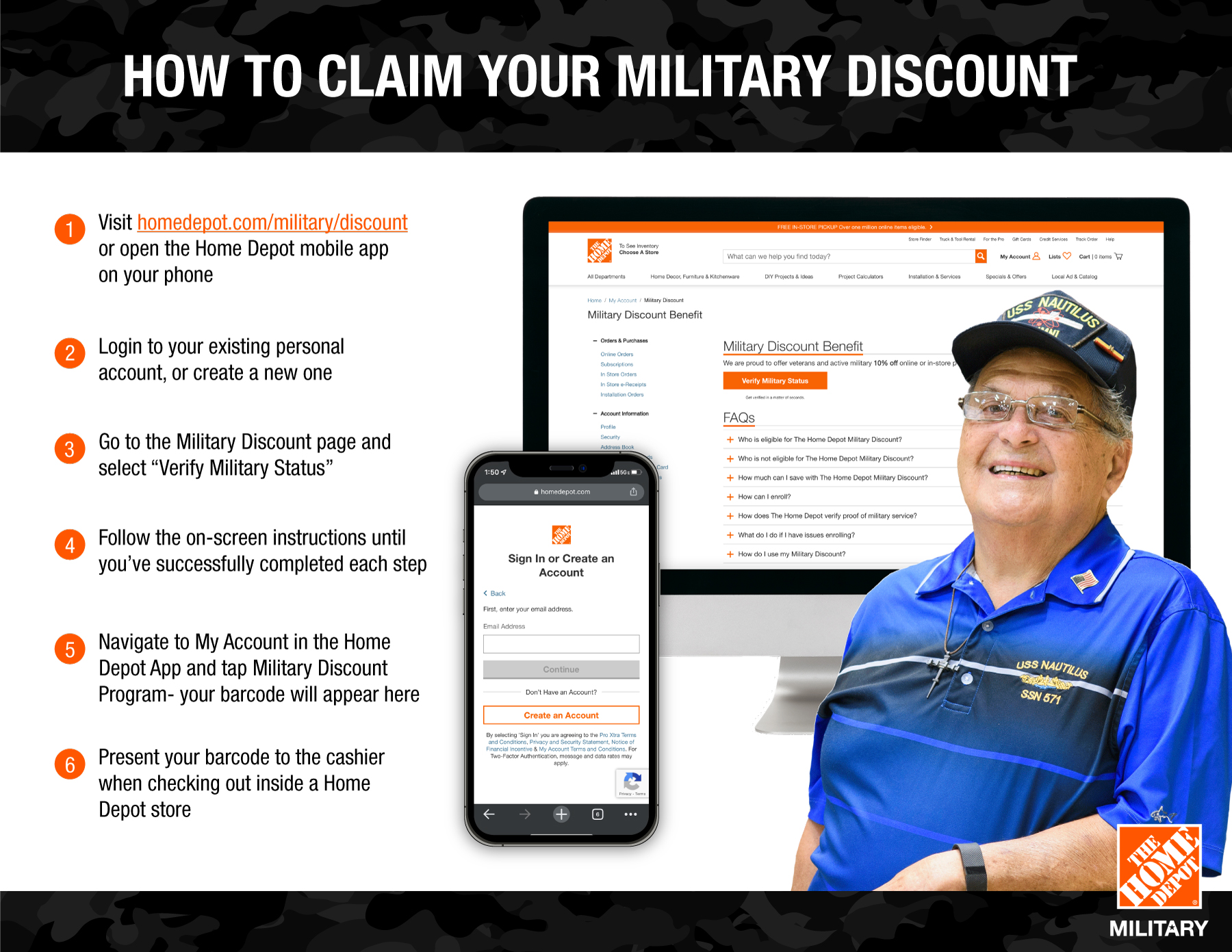
There is a quiet, almost sacred transaction that happens when you type in a verification code, upload a DD214, or check a box that confirms your service. It’s not merely a financial exchange; it is a moment of recognition. For many veterans and active-duty members, the shift from the physical world—where a friendly cashier might offer a handshake and a heartfelt “thank you for your service”—to the sterile, algorithmic world of online shopping can feel jarring, even alienating. The psychological root of this discomfort lies in the inherent tension between our need for belonging and the cold efficiency of digital commerce. Your brain, wired to appreciate the human acknowledgment of sacrifice, suddenly encounters a dropdown menu. This is where the modern relevance of the online military discount becomes a subtle test of self-worth, validation, and adaptability.
Our brains are hardwired for reciprocity and social proof. When we served, we learned that identity was forged in shared hardship and collective mission. A discount, in that context, was rarely about the money; it was a cultural handshake, a nod from a fellow citizen acknowledging that your burden was seen. In the digital age, that emotional transaction is replaced by a URL and a promo code. This shift can trigger a subtle, often subconscious, psychological hurdle: imposter syndrome. You might hesitate, wondering if you truly “deserve” to use this benefit, or if you are somehow taking advantage of a system designed for someone more worthy. This internal friction is not about frugality; it is about the deep-seated fear of being seen as entitled, a feeling that clashes with the humble, service-first mentality instilled during your time in uniform.
The Hidden Psychology of the Digital Verification Process
Let’s peel back the layers of the verification process itself. When a website asks you to upload sensitive documents like a military ID or a letter of separation, it is not just a logistical step; it is a psychological barrier. The act of uploading your most personal proof of service—a document that contains your social security number, your dates of service, your very history—into a faceless portal can trigger a fight-or-flight response. Your amygdala, the brain’s fear center, interprets this as a potential threat. You are essentially being asked to bare your soul to a server that might be based in a different country, with no human to reassure you that your data is safe. This cognitive dissonance—between the pride of your service and the vulnerability of sharing that proof—is why many veterans abandon their carts at the checkout page.
Must Read
Moreover, there is a distinct emotional trigger related to loss aversion. As a service member, you are trained to be resourceful, to make do with what you have. A discount feels like a hard-earned asset, a piece of your compensation package. When the online process is convoluted—requiring you to fill out a separate form, wait 48 hours for an email, or clear your browser cookies—your brain interprets this friction as a devaluation of your service. It whispers, “If they really appreciated you, they wouldn’t make you jump through hoops.” This can lead to feelings of resentment and cynicism, which are detrimental to your mental well-being. The frustration is rarely about the 10% saved; it is about the perceived disrespect for your time and sacrifice. Recognizing this internal narrative is the first step toward healing that cognitive wound.
Finally, consider the social comparison that occurs. Scrolling through social media, you see civilians bragging about “hack codes” or stacking coupons, while you, a person who swore an oath to protect their right to do so, struggle to find a working military link. This creates a twisted sense of injustice. Your brain, seeking cognitive consistency, may begin to generalize: “All corporations are greedy,” or “No one respects the military anymore.” These sweeping, emotional generalizations are defense mechanisms. They protect you from the raw pain of feeling forgotten, but they also isolate you. The key is to understand that the clunky website is not a reflection of your worth; it is a reflection of a broken user-experience design, not a broken contract with your country.
Reframing the Ritual: A Mindful Approach to Claiming Your Benefit
To reclaim your peace of mind, you must shift your perspective from a passive recipient to an active curator of your own benefits. The first actionable mindset shift is to treat the process as a ritual of self-respect, not a chore. Before you begin, take a deep breath. Remind yourself that this discount is not charity; it is a contractual agreement between you and a corporation that wants your business. You are not asking for a handout; you are fulfilling a transaction. To cement this, create a dedicated folder on your computer called “Earned Privileges.” Inside, store your verification documents in a password-protected file. This simple act of organization transforms your DD214 from an intimidating document into a key you willingly present.

Second, implement a step-by-step routine to minimize cognitive load. Do not attempt to hunt for discounts while you are tired, hungry, or emotionally depleted. Schedule a specific “benefits hour” on a Sunday morning, with a cup of coffee. During this time, your only job is to visit the websites of brands you genuinely love. Before you even add an item to your cart, search the footer for the “Military” or “Heroes” link. Often, this is a separate portal called ID.me or SheerID. If you use these verification services, familiarize yourself with their interface. Create your account once, verify your status, and then know that for the future, it’s a simple login. This pre-emptive action reduces the anxiety of the checkout rush. It turns a frantic, last-minute hunt into a calm, proactive claim.
Third, practice the art of selective persistence. If a website’s process is broken, do not internalize it. Instead, take a screenshot of the error message, and then write an empathetic, yet firm, customer service email. In your email, state, “I appreciate your brand, and I tried to redeem my military benefit, but I encountered a technical issue. I am confident you value my service enough to assist me in completing this purchase.” This micro-assertion is a powerful emotional exercise. It reinforces your worth and forces you to step outside the passive role of a frustrated shopper into the active role of a respectful negotiator. Most companies will respond favorably to this, and even if they don’t, you have practiced articulating your needs without anger.
Fourth, and perhaps most importantly, decouple your self-worth from the discount’s value. If the discount is only 5% and the item is still too expensive, let it go. Do not buy something you don’t need just to “use” your benefit. The psychological trap here is the sunk cost fallacy—feeling like you have to use the discount because you served. This is false. Your service is a completion, not a coupon. The benefit is a pleasant addition, not a validation of your years of duty. Learn to say, “This is not worth my money, even with a discount.” This boundary-setting is a profound act of self-care. It proves that you value your financial health and your mental peace over a superficial deal. You are not defined by the deals you stack; you are defined by the boundaries you set.
Frequently Asked Questions on Emotional Navigation
Q1: I feel guilty using a military discount because I didn’t serve in combat. Why do I feel this way, and how can I overcome it?
This feeling is incredibly common and deeply rooted in the “comparison of sacrifice” narrative. Your brain is trying to measure an abstract, emotional contribution against a concrete, physical one. You might feel that because your service was administrative, logistical, or support-based, you are somehow less deserving. This is a cognitive distortion. The military as an institution functions as a whole; the supply clerk freeing up the combat medic to do their job is essential. Remind yourself that your oath was the same. The discount is offered to all who served honorably because the psychological and physical toll of service—the loss of autonomy, the rigid structure, the time away from family—is universal. You earned this through the hours you gave, not the terrain you walked.

To overcome this, practice a small ritual of affirmation. When you apply the discount, say out loud, “I am claiming what I have earned.” Do not allow your mind to create a hierarchy of valor. Having worked in the military, you know that the mission fails if one link is weak. You were a link. The corporation offering the discount does not have a combat rubric; they have a service rubric. By accepting the benefit graciously, you honor the entire community, including those who gave more. You are not diminishing their sacrifice; you are normalizing the respect for all who served. Be kind to yourself. That guilt is your conscience being active, but it is misdirected. Redirect that energy into gratitude for your own service, whatever form it took.
Q2: I get angry when the verification process asks for too much personal info. Is my anger justified?
Yes, your anger is justified. It is a natural reaction to a perceived invasion of privacy. However, what you do with that anger is crucial. The anger is protective; it is your brain’s way of saying, “Guard your identity.” This is a healthy instinct. But the target of your anger is often misaimed. The website is not trying to steal your identity; they are trying to prevent non-veterans from abusing the system. That does not excuse poor design, but it reframes the intent from malicious to cautious. Your emotional reaction is a signal that you need more control over the process.
Channel that anger into proactive security management. Research the verification partner (e.g., ID.me). Read their privacy policy. Know exactly who has access to your data and for how long. By arming yourself with this knowledge, you convert anxiety into vigilance. If you still feel uncomfortable, you have every right to choose a different retailer. The market is full of brands that offer discounts through simpler, less intrusive methods. Remember, you are the consumer. You have the power to vote with your wallet. Do not give your data to a company that makes you feel uneasy. Your emotional comfort is a non-negotiable price tag. When you walk away from a suspicious website, you are not giving up the discount; you are enforcing your own psychological boundaries, which is a far greater win.
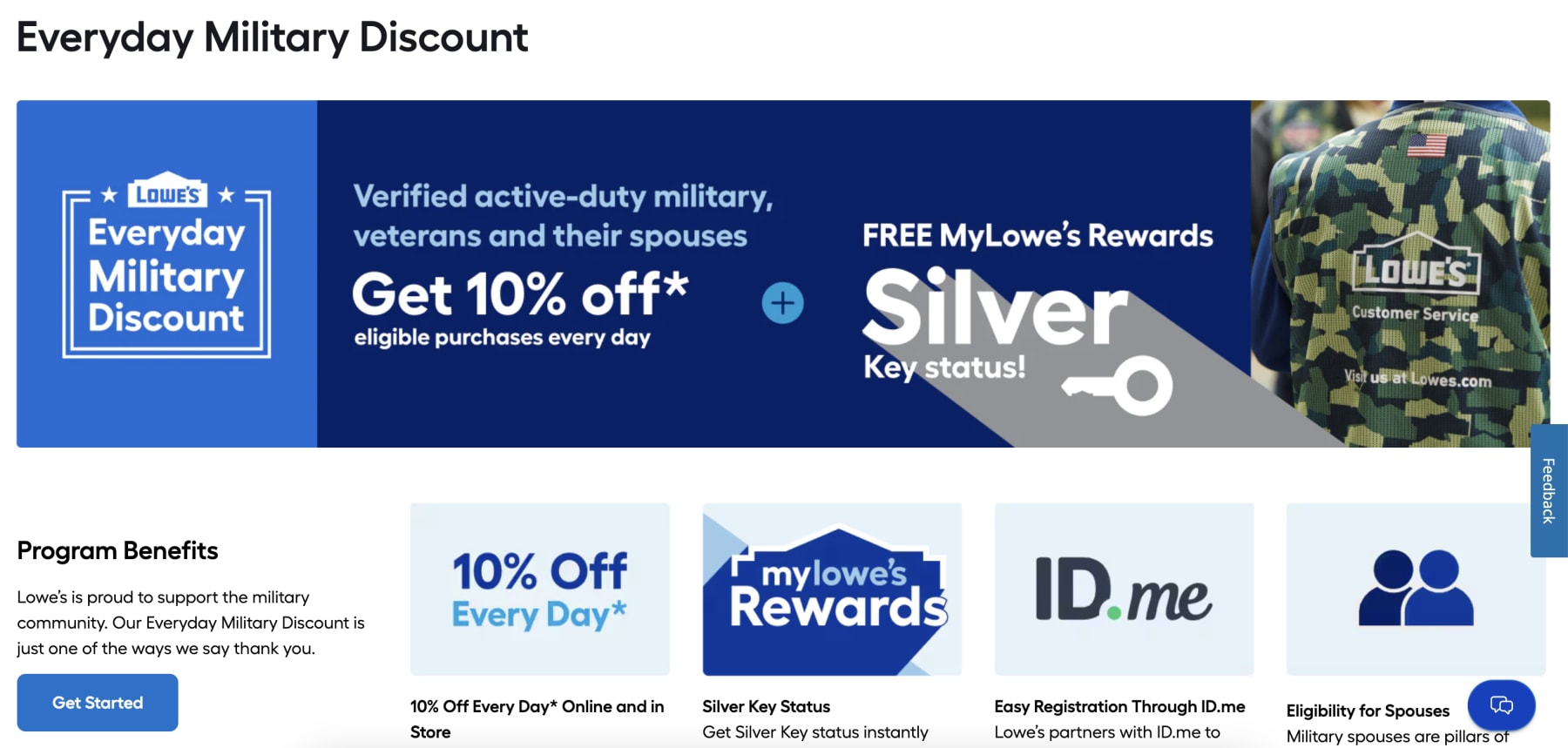
Q3: I often forget to even look for a military discount. Why is that, and how can I build a better habit?
Forgetting is often a subconscious avoidance mechanism. You might be avoiding the emotional rollercoaster of the verification process, or you might be carrying a lingering belief that you don’t “need” the help. In a culture that glorifies hyper-independence, asking for a discount can feel like a form of weakness, even if it's a right. Your brain associates the discount with the vulnerability of proving your identity, so it conveniently erases it from your memory. Forgetting is your mind’s way of keeping you safe from the internal discomfort of claiming your due.
To build a habit, you must attach the discount check to an existing, habitual behavior. For example, before you click “Proceed to Checkout,” you always pause. Create a rule: "I will not purchase anything over fifty dollars without first checking for a military benefit." Make it a non-negotiable personal policy. You can also install a browser extension that automatically finds or reminds you of military discounts. But more importantly, shift your inner dialogue. Instead of thinking, “Do I have a discount?” think, “What is the correct price for my service?” This subtle reframing from a passive question to an active statement of self-worth will make the act of searching feel less like begging and more like accounting. Over time, this becomes automatic, but with a healthier emotional charge—one of pride, not anxiety.
Q4: The discount often applies to “exclusions.” I feel personally insulted when I see that. How do I handle that?
The feeling of personal insult is a classic cognitive misattribution. You are reading “exclusions apply” and translating it to “your service is not valuable enough for this specific, high-end product.” This is a cognitive distortion known as personalization. The reality is that the exclusion is about profit margins and supply chain economics, not about your biography. The marketing department has decided that they cannot afford to discount the newest flagship model, but they can discount accessories. It is a cold, calculated business decision. They are not judging your years in the Navy; they are protecting their bottom line.
To protect your mental well-being, practice emotional detachment from the product, not from the discount. Understand that the exclusion is a boundary set by the seller, and you have the power to respect that boundary or move on. Do not let the exclusion ruin your day or make you feel small. Instead, ask yourself, “Is there a similar product that is included in the discount?” Or, “Is this brand’s exclusionary policy aligned with my values?” Sometimes, holding firm and choosing a competitor who offers broader benefits is a powerful act of self-respect. You are acknowledging that your service deserves better treatment. If you do decide to purchase the excluded item anyway, do so with full awareness that you are choosing to pay full price because the item’s value to you exceeds the discount. In that moment, you are the one in control, not the fine print.
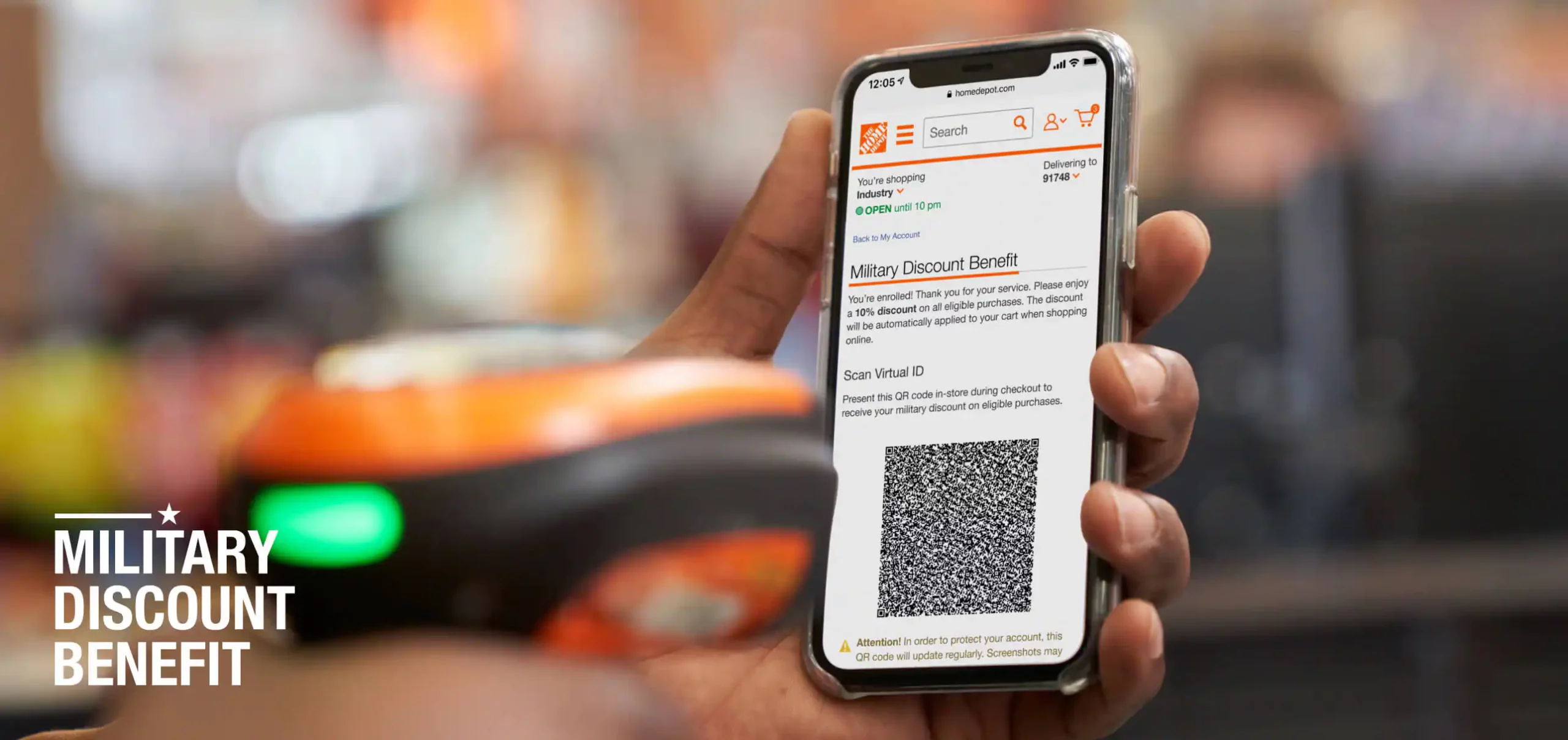
Q5: I feel awkward telling my civilian friends about using a military discount. How do I talk about it without bragging?
This awkwardness stems from the deep-seated desire to not be seen as exploiting your service. You fear that mentioning a discount might sound like you are seeking pity or preferential treatment. This is a symptom of the “strong silent soldier” stereotype that many of us internalize. Talking about benefits feels like breaking a code of silence. However, holding this in can create a sense of shame, which is toxic. You have a right to be proud of what you’ve earned.
Reframe the conversation. When the topic of shopping comes up, do not say, “I get a discount because I’m a vet.” Instead, wait for the right moment and say, “You know, one of the nice things about my previous career is that some companies offer a small “thank you” program. It helps me save a little on things I need.” This frames the benefit as a corporate “thank you” rather than an entitlement you are demanding. It invites curiosity rather than judgment. If a friend asks for more details, share the process of verification openly, emphasizing the security aspects. By doing this, you are demystifying the benefit and reducing your own internal stigma. You are teaching them that it is a professional courtesy, not a handout. This transparency fosters deeper connection, helping them understand a small part of your world, and allows you to release the pressure of hiding an important part of your identity.
Mastering the online military discount is, at its core, a lesson in boundary-setting and self-advocacy. It is a microcosm of the larger transition from service to civilian life. In the military, your value was externally validated by rank, medals, and orders. In the digital world, you must internally validate your worth moment by moment, click by click. By navigating these online portals with intention, grace, and a healthy dose of skepticism, you are not just saving a few dollars. You are rebuilding your internal compass, one that points firmly toward self-respect. The discount becomes less about the money and more about the mirror it holds up to your self-perception. When you can claim a benefit without shrinking, without guilt, and without anger, you prove to yourself that you are not just a former service member—you are a whole, capable civilian who knows their value.
Ultimately, this digital dance is a bridge between two worlds. It allows you to carry the discipline and pride of your service into the convenience of modern life. The more you practice this, the more you realize that the transactional nature of the web cannot diminish the transformational nature of your experience. Every time you calmly upload your verification, you are saying, “This is who I am, and I am proud of it.” Every time you politely walk away from a poor deal, you are saying, “I deserve better.” These small, quiet victories compound into a profound sense of personal agency. You are no longer just a consumer; you are a conscious participant in your own life, using every tool available to build a stable, peaceful, and prosperous civilian existence—one verified click at a time.