
How To Unflag Social Security Number
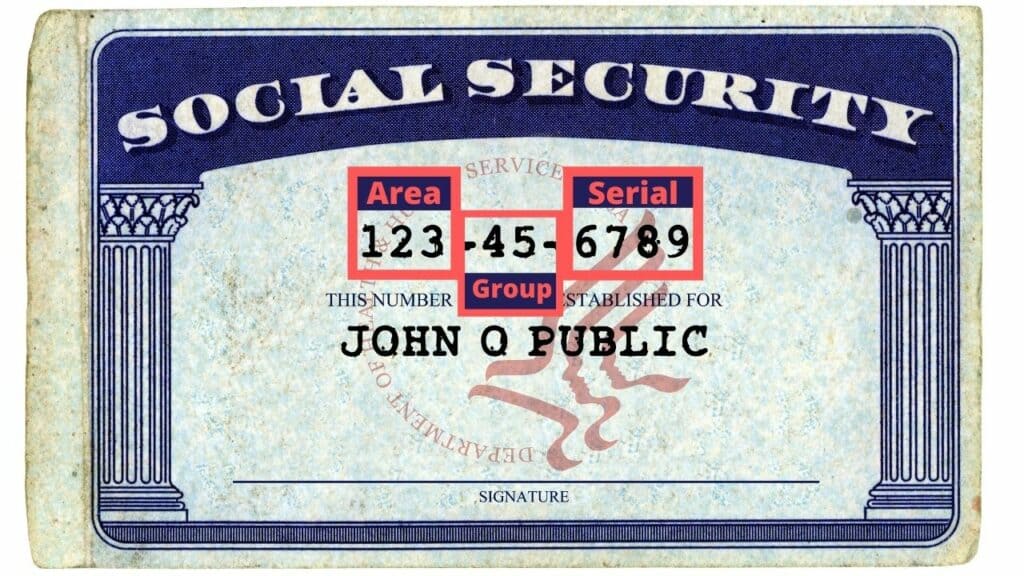
Last Tuesday, my friend Dave tried to buy a used kayak on Craigslist. The seller, a very intense man named Chuck, demanded Dave’s Social Security number to “run a quick background check,” which is a sentence that should immediately make you hang up the phone and move to a different state. Dave, being the trusting soul he is, obliged. The next day, his credit card was declined at a taco stand, and his bank account had a mysterious hold on it. That’s when he learned his SSN had been flagged for potential fraud—a digital scarlet letter that makes everything from renting an apartment to signing up for a gym membership a total nightmare.
If you’re reading this because you’ve been “flagged,” I feel you. It’s like your government ID suddenly has a low credit score, and nobody will tell you why. But don’t panic, because getting un-flagged is less about secret handshakes and more about patience and paperwork—two things that are basically the opposite of fun. Let’s walk through the process, shall we? (Grab a snack, this takes a while.)
First, What Does “Flagged” Even Mean?
Think of it like a sticky note that some bureaucrat slapped on your file saying, “Hey, double-check this human.” It’s often triggered by a mismatch in your earnings report, a credit freeze gone wrong, or—like Dave—someone else trying to use your number. The Social Security Administration (SSA) doesn’t exactly send you a party invitation when this happens. You’ll usually find out when a bank or employer says, “We can’t verify you, sorry.”
Must Read
Here’s the kicker: the SSA doesn’t have a direct “unflag” button. (I know, I asked a very confused agent on the phone.) It’s all about proving that you are you, and that the flag was a mistake or a glitch. You’re essentially playing a game of forensic identity jenga.
Step One: Get Your Social Security Statement (Yes, the Boring One)
Go to the SSA’s website and create an account (or log into your existing one). Look for your “Earnings Record” and check for any wages you didn’t earn—like a job at a shrimp boat company in Louisiana when you’ve never left Ohio. If you spot anything weird, that’s your smoking gun. Print that sucker out. You’ll need it as evidence.

If you can’t create an online account because the system thinks you’re a ghost, you’ll have to mail in a paper form (SSA-7050). Yes, in the year 2024, we are still mailing things. Ironic, isn’t it? (Hint: use certified mail, because “it got lost” is their favorite excuse.)
Step Two: File a Report with the Inspector General (If It’s Fraud)
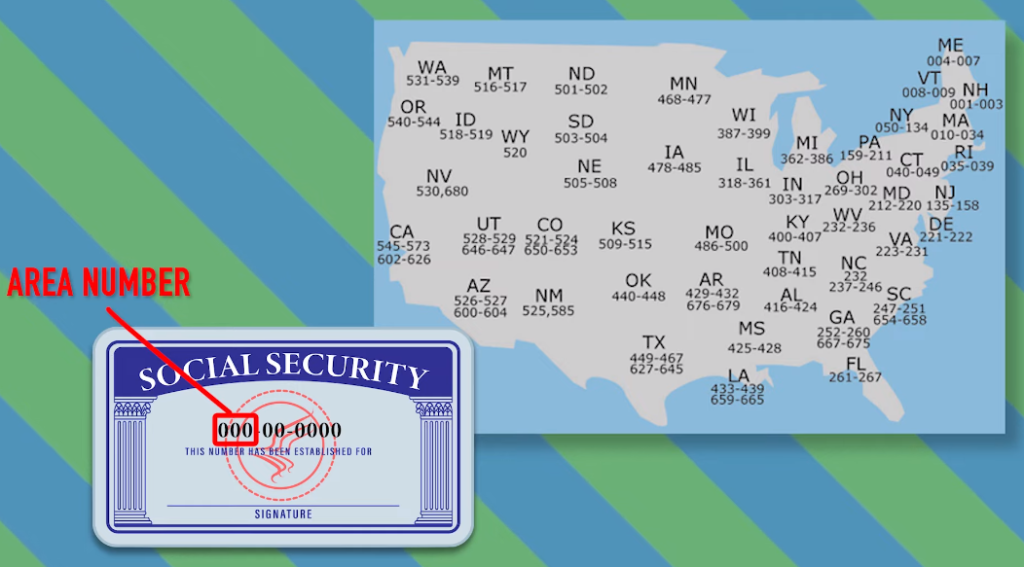
If you suspect someone else used your number, you need to contact the SSA’s Office of the Inspector General (OIG). This is the serious division that handles identity theft. You can file a report online (OIG.SSA.GOV) and get a complaint number. Do this before anything else, because that number is your golden ticket.
Now, here’s a fun side note: when you call the OIG, the hold music is the same cheesy synth loop for 45 minutes. Embrace it. You’ll develop a weird Stockholm syndrome with that tune. Don’t say I didn’t warn you.
Step Three: The Identity Verification Dance
Once you have your fraud report number, you’ll likely be asked to verify your identity in person at a local SSA office. This is a joyride, let me tell you. Bring your birth certificate, passport, driver’s license, a utility bill, and maybe a blood sample for good measure. Seriously, they want to see the originals, not copies. They’ll look at your face, then your ID, then your face again, like you’re a suspect on a police lineup.
During this meeting, you’ll fill out a form called the “SSA-795” (Statement of Claimant or Other Person). This is where you write, in your own words, “I swear this is my number and I didn’t earn that money.” It’s the most passive-aggressive legal document you’ll ever sign. Pro tip: bring a pen that works. The ones chained to the counter are always out of ink.

Step Four: Wait, Wait, and Then Wait Some More
After the meeting, the SSA will do their “internal review,” which is government-speak for “we’ll get to it eventually.” This can take anywhere from 4 to 12 weeks. Don’t hold your breath. Meanwhile, you should also contact the credit bureaus (Equifax, Experian, TransUnion) and add a fraud alert to your file. This won’t remove the SSA flag, but it’ll stop new accounts from being opened in your name.
It’s like putting a deadbolt on a door that’s already been kicked in, but hey, it’s something. And you’ll feel productive, even if you’re just click-click-clicking through a menu. (You’re welcome for the illusion of control.)
Step Five: The Un-Flagging (When It Works)
Eventually, you’ll get a letter in the mail—a real envelope, not an email—stating that they’ve “corrected your record.” That’s it. No confetti, no celebratory emoji. Just a dry, two-sentence letter that changes your life. You can then try to apply for that rental, loan, or kayak again. Just tell Chuck you’re all good now. He probably won’t care.
Look, the whole system is ridiculous, and it runs on “hurry up and wait.” But the key is to be a polite, persistent squeaky wheel. Call them, but don’t be a jerk to the agent—they’re just as frustrated as you are. And remember, a flag isn’t forever. It’s just a very, very slow, paper-cut of a temporary setback.
So go forth, print those documents, and reclaim your digital existence. And maybe next time, tell Chuck to just bring cash.

.webp)