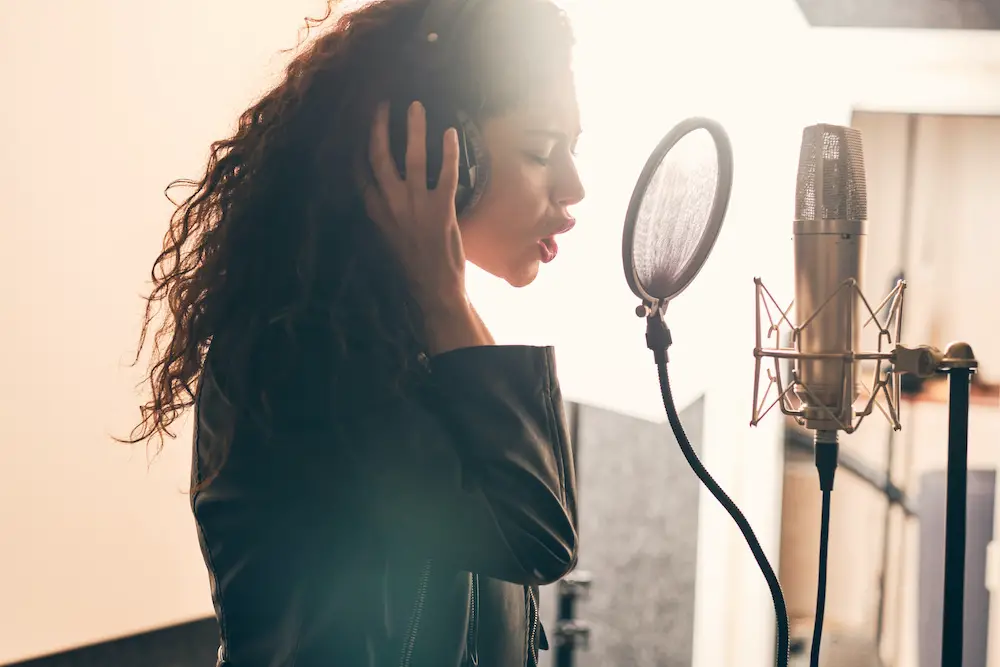
How To Start A Singing Career At 16

So, you’re 16, you’ve got a voice that could charm birds out of trees, and you’re ready to take the world by storm. Guess what? You’ve picked the absolute perfect time to start. At your age, you have energy, flexibility, and a built-in social network that can become your first fan club overnight.
Why Now Is Your Superpower
Starting at 16 isn’t just "early"—it’s strategic. You have time to make mistakes, experiment with genres, and build a foundation before adult pressures kick in. Your voice is still changing and developing, which means you can train it into something truly powerful. The best part? You don’t need a record deal or a million dollars to begin.
The purpose of this journey is simple: to get your voice heard while having a blast. You’ll gain confidence, learn discipline, and discover who you are as an artist. Plus, you’ll join a massive community of young creators who are all rooting for each other (and secretly competing).
Must Read
Step 1: Train Like a Pro (For Free)
You don’t need an expensive vocal coach at first. Start with free YouTube tutorials from channels like Jacobs Vocal Academy or Cheryl Porter Vocal Coach. Do 15 minutes of breathing exercises every single morning—your diaphragm is your engine.
Record yourself singing every day, even if it’s just for two minutes. Listen back, cringe, fix the pitch, and repeat. That cringe is your best friend—it means your ears are getting sharper.
"The voice you have today is not the voice you’ll have tomorrow. Every day of practice is a step toward a better one."
Join your school’s choir, musical theater, or even a local community choir. Being in a group teaches you blend, harmony, and stage presence faster than any private lesson. And if your school doesn’t have one? Start an acapella group with friends this week.

Step 2: Build Your Digital Stage
You live in the golden age of music—thanks to TikTok, Instagram Reels, and YouTube Shorts. Post a 30-second clip of you singing a trending song or an original hook. Use hashtags like #singer, #16, and #newmusic to get discovered.
Don’t wait for perfection—post the raw, real, slightly-off-key version too. Fans love authenticity more than polish. Aim to post three times a week, and respond to every comment you get. Those comments are your first "fan meetings."
Create a simple linktree with your socials and a free Spotify for Artists account. Even if your music isn’t on streaming yet, having a professional presence shows labels you’re serious. And don’t forget to collaborate with other young creators—duets and features double your audience instantly.

Step 3: Write Your Own Songs (Yes, You Can)
Original songs are your golden ticket because nobody can sue you for copying. Start with a simple chord progression (C – G – Am – F) and hum a melody over it. Write about things you actually feel: school stress, first crushes, or feeling invisible.
Use your phone’s voice memo app to capture ideas, even if they’re nonsense syllables. Later, turn those syllables into words. Don’t overthink it—your first song will be meh, and that’s okay. The tenth song will be better, and the fiftieth might be a hit.
For writing help, free tools like RhymeZone or Songwriters Chop Shop are lifesavers. Also, keep a tiny notebook in your backpack for random lines that pop into your head. Those little lines are gold.

Step 4: Perform Anywhere and Everywhere
Stage fright is normal, but you beat it by doing small, low-stakes gigs first. Sing at family dinners, your local library’s open mic night, or your city’s farmers market. Even a two-song set at a friend’s birthday party counts as live experience.
Ask your local coffee shop if you can play for tips—many places love live music and will say yes to a polite, prepared teen. Bring a small speaker or an acoustic guitar if you play one. Remember to introduce yourself with a smile and say the song’s name. That’s called showmanship.
And here’s a secret: stage fright never fully goes away. What changes is that you learn to perform with it. Breathe deep, look at the back wall, and start singing—the crowd will follow.

Step 5: Protect Your Voice and Your Mind
Your voice is a muscle, not a toy. Drink water, avoid screaming at football games, and warm up before every practice. Sleep is your best vocal coach—never skip it for late-night singing sessions.
Also, ignore the haters. For every nice comment, there will be a weird troll. Block them, delete their words, and keep moving. Build a small circle of friends or family who genuinely support you—they’re your dream team.
And always remember: you’re not just building a career, you’re building a relationship with music. That joy, that shiver when you hit a high note—that’s what keeps you going for decades. So, take a breath, hit record, and let the world hear you.