
How To Shave The Pubic Area
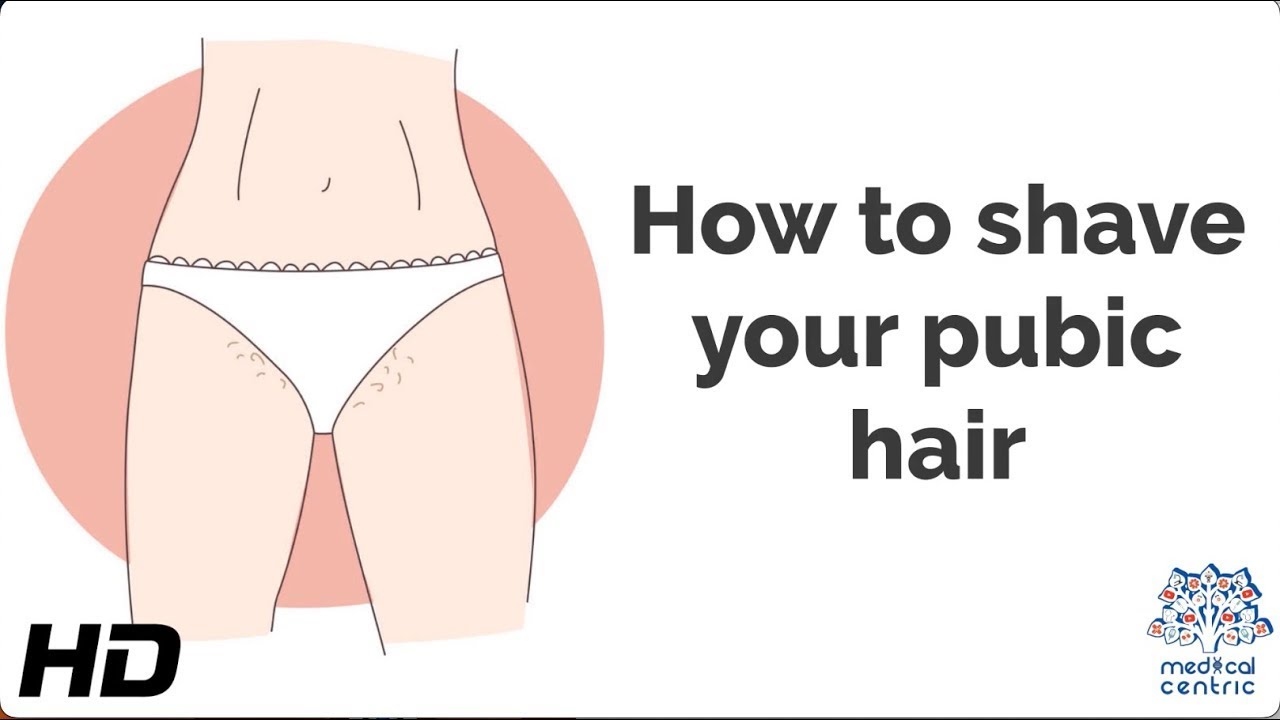
The art of shaving the pubic area has been a topic of discussion and debate for centuries. From ancient civilizations to modern times, the practice has undergone significant transformations, shaped by societal norms, technological advancements, and cultural values. The earliest recorded evidence of pubic hair removal dates back to 4000 BC, in ancient Egypt, where it was considered a symbol of beauty, hygiene, and social status. The use of primitive tools, such as sharpened stones and copper razors, marked the beginning of a long and winding road that would lead to the sophisticated methods we use today.
As civilizations rose and fell, the practice of shaving the pubic area continued to evolve. In ancient Greece and Rome, public baths and barber shops became popular establishments where people would gather to socialize, bathe, and groom themselves. The use of depilatory creams and waxing techniques emerged during this period, offering alternative methods for hair removal. However, it wasn't until the 20th century that the modern era of pubic hair removal began to take shape, with the introduction of electric razors and disposable blades.
Despite its long history, the topic of shaving the pubic area has often been shrouded in mystery and taboo. In the 1960s and 1970s, the rise of the counterculture movement and feminist revolution led to a shift in attitudes towards body hair, with many people embracing their natural appearance and rejecting the notion of shaving as a necessary practice. However, with the advent of pornography and mainstream media in the 1980s and 1990s, the ideal of a hairless body began to gain traction, particularly among young women. This phenomenon has been attributed to the influence of celebrity culture and the beauty industry, which have perpetuated unrealistic beauty standards and contributed to the normalization of pubic hair removal.
Must Read
The Evolution of Pubic Hair Removal
The journey of pubic hair removal has been marked by significant milestones and forgotten vintage facts. In the 18th century, European aristocrats used sugaring techniques to remove unwanted hair, a practice that involved applying a mixture of sugar, water, and lemon juice to the skin. This method was not only time-consuming but also painful, often resulting in skin irritations and ingrown hairs. The introduction of depilatory creams in the 19th century offered a more convenient alternative, but these early formulas were often harsh and contained toxic chemicals, such as mercury and arsenic.
In the 1920s, the first electric razors were introduced, revolutionizing the way people removed pubic hair. These early devices were often cumbersome and prone to causing nicks and cuts, but they paved the way for the development of more sophisticated models. The 1950s saw the rise of waxing salons, which offered a more permanent solution for hair removal. However, this method was not without its risks, as waxing accidents and skin reactions were common occurrences.

One of the most bizarre ways pubic hair was treated in previous decades was the use of X-ray hair removal in the 1920s and 1930s. This dangerous practice involved exposing the skin to X-ray radiation to damage the hair follicles and prevent regrowth. The treatment was not only ineffective but also cancer-causing, leading to a multitude of health problems and disfigurements. It wasn't until the 1970s that the American Medical Association officially condemned the practice, citing its unsafe and ineffective nature.
Despite these setbacks, the pursuit of hairless perfection has continued to drive innovation in the field of pubic hair removal. The 1990s saw the emergence of laser hair removal, a technique that uses high-intensity light to target and destroy hair follicles. This method has proven to be a game-changer, offering a more permanent solution for hair removal and reducing the risk of ingrown hairs and skin irritations.
Modernizing the Art of Pubic Hair Removal
Classic principles of pubic hair removal are being hacked and modernized for today's fast-paced world. The rise of at-home waxing kits and depilatory creams has made it easier for people to remove unwanted hair in the comfort of their own homes. However, these DIY methods often come with their own set of risks, such as skin irritations and ingrown hairs. To address these concerns, companies are developing more advanced and gentle formulas, such as sugar-based waxes and soy-based depilatory creams.

The increasing popularity of body positivity and self-acceptance has also led to a shift in attitudes towards pubic hair, with many people embracing their natural appearance and rejecting the notion of shaving as a necessary practice. This movement has been fueled by social media influencers and celebrities who are challenging traditional beauty standards and promoting a more inclusive and diverse definition of beauty. As a result, the demand for natural and organic hair removal products has increased, with companies responding by developing more eco-friendly and sustainable solutions.
Frequently Asked Questions
What are the benefits and risks of shaving the pubic area?
The benefits of shaving the pubic area include improved hygiene, enhanced sexual pleasure, and a more streamlined appearance. However, there are also risks associated with this practice, such as ingrown hairs, skin irritations, and cuts. To minimize these risks, it's essential to use proper techniques, such as exfoliating and moisturizing the skin, and to choose high-quality razors and creams. Additionally, alternative methods, such as waxing and sugaring, can provide a more permanent solution for hair removal and reduce the risk of ingrown hairs and skin irritations.
One of the most significant benefits of shaving the pubic area is the enhanced sensation it can provide during intimate activities. However, this benefit is often outweighed by the risks associated with shaving, particularly for those with sensitive skin. To mitigate these risks, it's crucial to follow proper shaving techniques, such as shaving in the direction of hair growth and using a sharp razor. Furthermore, maintaining good hygiene and practicing safe sex can reduce the risk of infections and STIs.

How has the perception of pubic hair changed over time?
The perception of pubic hair has undergone significant changes throughout history. In ancient civilizations, pubic hair was seen as a symbol of beauty and fertility. However, with the advent of Christianity and the Victorian era, pubic hair became associated with shame and immorality. It wasn't until the 1960s and 1970s that the counterculture movement and feminist revolution led to a shift in attitudes towards body hair, with many people embracing their natural appearance and rejecting the notion of shaving as a necessary practice.
Today, the perception of pubic hair is more nuanced, with people embracing a range of styles and preferences. The rise of social media and influencer culture has created new beauty standards and ideals, with many people opting for a more natural and authentic appearance. However, this shift has also been accompanied by the -normalization of hairlessness, particularly in the porn industry and mainstream media. As a result, the pressure to conform to unrealistic beauty standards remains a significant challenge, particularly for young women and marginalized communities.
What does the future hold for pubic hair removal?
The future of pubic hair removal is likely to be shaped by advances in technology and changes in societal attitudes. The development of new methods, such as lasers and IPL, is expected to continue, offering more effective and permanent solutions for hair removal. Additionally, the rise of body positivity and self-acceptance is likely to lead to a shift in attitudes towards pubic hair, with more people embracing their natural appearance and rejecting the notion of shaving as a necessary practice.
One of the most significant trends in the future of pubic hair removal is the increasing popularity of at-home hair removal devices. These devices, such as DIY laser hair removal kits and at-home waxing systems, offer a convenient and cost-effective solution for hair removal. However, they also come with their own set of risks, such as skin irritations and ingrown hairs. To mitigate these risks, it's essential to follow proper usage guidelines and to choose high-quality devices that are safe and effective.
As we look to the future, it's clear that the topic of shaving the pubic area will continue to evolve, driven by advances in technology and changes in societal attitudes. The next 20 years will likely see significant innovations in hair removal methods, including the development of new laser technologies and more advanced depilatory creams. Additionally, the rise of body positivity and self-acceptance will continue to challenge traditional beauty standards and promote a more inclusive and diverse definition of beauty.
The implications of these changes will be far-reaching, affecting not only the way we remove pubic hair but also the way we perceive and interact with our bodies. As we move towards a more accepting and inclusive society, the pressure to conform to unrealistic beauty standards will decrease, and people will be free to choose their own path, whether that involves shaving, waxing, or embracing their natural appearance. Ultimately, the future of pubic hair removal will be shaped by our collective values and attitudes towards body hair, beauty, and identity.

