
How To Respond To A Dick Pic

The world of digital communication has opened up a plethora of ways for us to connect with each other, but it has also given rise to some deeply unsettling experiences. One such phenomenon is the unsolicited receipt of explicit images, commonly referred to as "dick pics." This issue, while often treated with humor or disdain, carries a profound psychological impact on the recipients. Our brains are wired to react to unexpected and unwelcome visual stimuli with a mix of shock, disgust, and even fear. This reaction is not merely about the explicit nature of the content but also about the violation of personal boundaries and the sense of loss of control over one's digital environment.
In today's digital age, where the lines between private and public spaces are continually blurred, understanding how to respond to such incidents is crucial for maintaining our mental well-being and emotional resilience. The psychological root of why we find these images so distressing can be traced back to our evolutionary responses to threat and invasion. When we receive an unsolicited explicit image, our brain processes it as a form of visual invasion, triggering a stress response that can leave us feeling anxious, embarrassed, or even threatened. This response is heightened in digital spaces because the boundaries between what is considered private and public are not as clearly defined as they are in physical spaces.
Navigating the Emotional Landscape
Delving deeper into the emotional triggers associated with receiving unsolicited explicit images, it becomes clear that the impact goes beyond mere discomfort. The experience can evoke feelings of vulnerability and safety concerns, especially in a digital context where physical distance does not necessarily translate to emotional or psychological distance. Individuals may also experience cognitive dissonance, a state of tension due to the discrepancy between their expectation of a safe digital interaction and the reality of receiving an explicit image. This dissonance can lead to self-doubt and anxiety about how to navigate future interactions in the digital sphere.
Must Read
A common cognitive bias that may arise is the tendency to overthink and overanalyze the situation, wondering if there was something the recipient did to encourage such behavior or if this is a reflection of their self-worth. This self-blame can exacerbate the negative emotional impact, highlighting the need for individuals to recognize these thought patterns and actively work to reframe their perceptions in a more balanced and self-compassionate light.
The psychological aspect of dealing with such incidents also touches upon the concept of emotional labor, where individuals, especially women, are often expected to manage their emotions and reactions to maintain social harmony or avoid conflict. In the context of receiving unsolicited explicit images, this can mean feeling pressured to downplay their discomfort or laugh it off to avoid making the situation more awkward or to protect the sender's feelings. Recognizing and challenging these societal expectations is crucial for fostering a supportive environment where individuals feel empowered to express their true feelings and set boundaries without fear of judgment.
Coping Mechanisms and Mindset Shifts
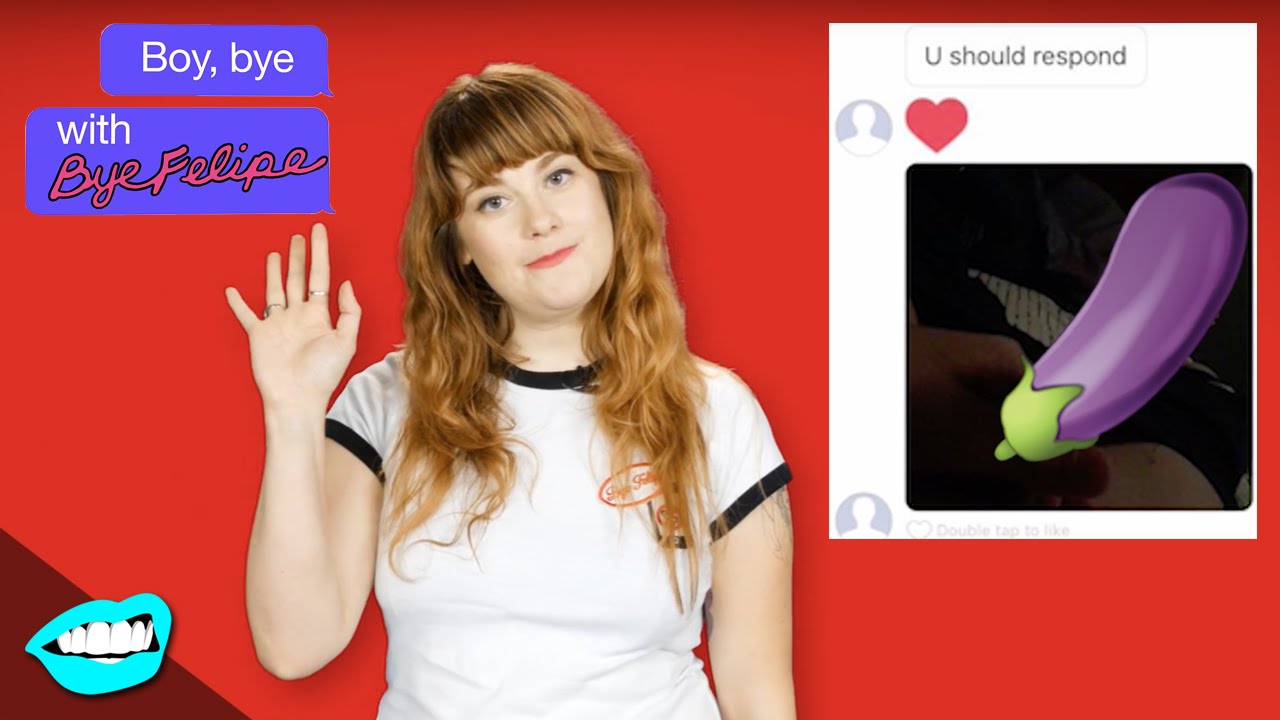
Another crucial step is to set clear boundaries in digital interactions. This can involve being more discerning about who one engages with online, using privacy settings to control who can see or interact with one's content, and not hesitating to block or report individuals who violate these boundaries. Establishing and communicating these boundaries clearly can help prevent such incidents and reduce the sense of violation should they occur.
A significant mindset shift involves recognizing that the receipt of unsolicited explicit images is not a reflection of one's worth or attractiveness but rather a reflection of the sender's behavior and disrespect for boundaries. This understanding can help in depersonalizing the experience and reducing the emotional impact. Furthermore, adopting a growth mindset can help individuals view these experiences as opportunities for personal growth and learning, focusing on how to Enhance their digital literacy, boundaries, and coping strategies rather than dwelling on the negative emotions associated with the incident.
In terms of step-by-step routines for applying these mechanisms, individuals can start by assessing their digital footprint and adjusting privacy settings accordingly. They can also develop a response plan for if they receive such images, which might include blocking the sender, reporting the incident (if appropriate), and reaching out to a trusted friend, family member, or professional for support. Having a clear plan in place can reduce feelings of helplessness and increase the sense of control and agency over one's digital life.
Frequently Asked Questions
How Can I Prevent Receiving Unsolicited Explicit Images?
The prevention of receiving unsolicited explicit images involves a combination of digital literacy, boundary setting, and vigilance. Individuals can start by being cautious about the information they share online and with whom they engage in digital conversations. Using strong, unique passwords and enabling two-factor authentication can also help protect against hacking attempts that could lead to personal information being used to send or solicit explicit content. Furthermore, staying informed about the latest online safety tips and best practices for managing digital interactions can empower individuals to navigate the digital world more safely.

On a deeper level, prevention also involves challenging societal norms that may contribute to the prevalence of sending unsolicited explicit images. This includes advocating for consent education and promoting a culture where respect for boundaries is emphasized. By fostering a culture of consent and respect, we can work towards reducing the incidence of such behaviors and create a safer, more respectful digital environment for everyone.
What Are the Long-Term Psychological Effects of Receiving Unsolicited Explicit Images?
The long-term psychological effects of receiving unsolicited explicit images can be profound and varied. For some, the experience may lead to anxiety or avoidance of digital interactions, fearing similar incidents in the future. Others may experience hypervigilance, constantly being on the lookout for potential threats in their digital environment. In severe cases, repeated exposure to such incidents can contribute to the development of post-traumatic stress disorder (PTSD) symptoms, including flashbacks, nightmares, and severe anxiety, as well as uncontrollable thoughts about the incident.
It's crucial for individuals who have experienced such incidents to seek professional help if they find that their daily life and mental well-being are significantly impacted. Therapists and counselors can provide support and strategies to manage these effects, helping individuals to process their emotions, develop coping mechanisms, and work towards healing and recovery. The journey towards recovery is highly personal and may involve trauma-informed care, cognitive-behavioral therapy, or other therapeutic approaches tailored to the individual's needs and experiences.

How Can I Support a Friend Who Has Received an Unsolicited Explicit Image?
Supporting a friend who has received an unsolicited explicit image involves empathy, understanding, and validation of their feelings. It's essential to listen without judgment, allowing them to express their emotions and concerns without interruption or criticism. Avoid minimizing their experience or suggesting that they "should have" done something differently, as this can exacerbate feelings of guilt or shame. Instead, focus on offering practical support, such as helping them report the incident, block the sender, or find resources for further assistance.
A supportive environment can also involve encouraging professional help if the friend seems to be struggling with the aftermath of the incident. Sometimes, individuals may not recognize the full extent of their emotional distress or may hesitate to seek help due to stigma or fear of being judged. A supportive friend can help bridge this gap by normalizing the experience of seeking help and offering to accompany them to appointments or support groups. This kind of support can be invaluable in aiding the friend's recovery process and fostering a stronger, more resilient bond between you.
Can Receiving Unsolicited Explicit Images Ever Be a Form of Harassment?
Yes, receiving unsolicited explicit images can indeed be a form of harassment, particularly if the images are sent repeatedly, if there are threats or demands accompanying the images, or if the sender continues to contact the recipient after being asked to stop. This behavior can create a hostile environment for the recipient, making them feel intimidated, threatened, or violated. It's essential to recognize that such behavior is never acceptable and that recipients have the right to feel safe and respected in their digital interactions.
In cases where the behavior constitutes harassment, individuals should not hesitate to report the incidents to the relevant authorities or platforms. Many social media platforms and messaging services have strict policies against harassment and the sending of unsolicited explicit content, and reporting such incidents can help prevent the harasser from targeting others in the future. Moreover, seeking support from law enforcement, legal professionals, or advocacy groups can provide individuals with the resources and protection they need to address the situation effectively.
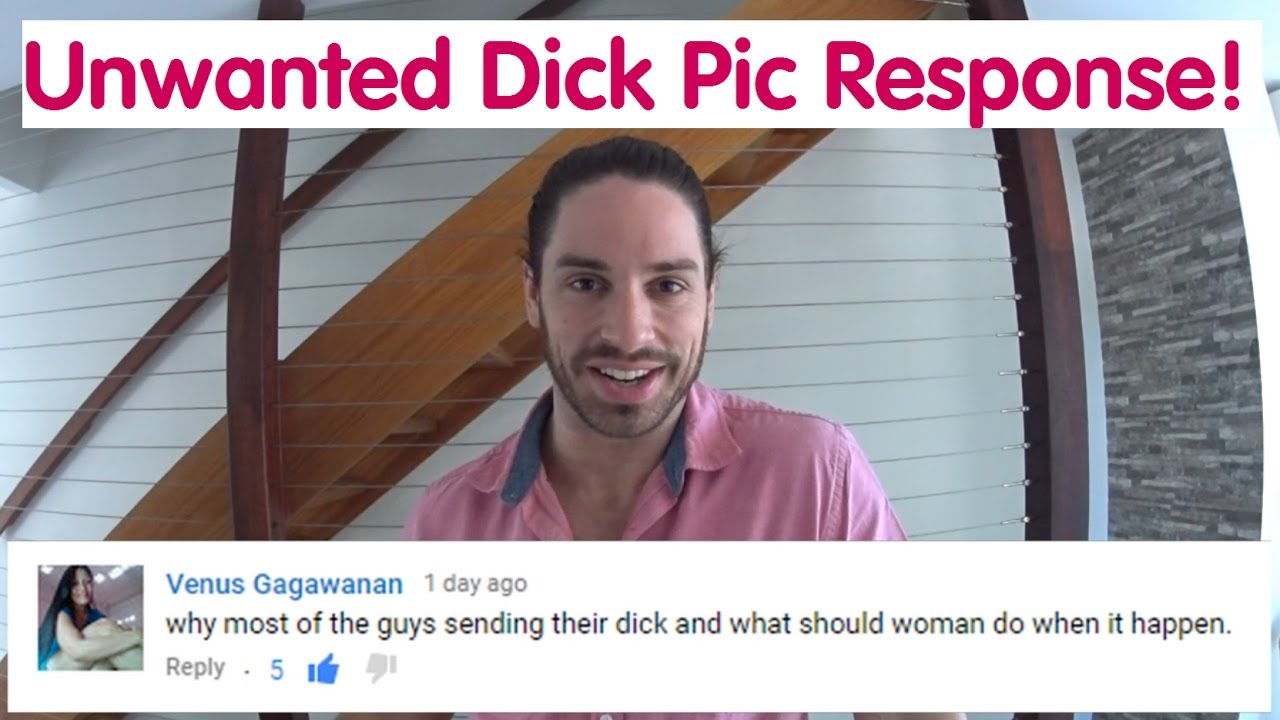
How Can We Educate Others About the Impact of Sending Unsolicited Explicit Images?
Education about the impact of sending unsolicited explicit images involves promoting a culture of consent and respect in all interactions, digital or otherwise. This can start with open and honest conversations about boundaries, consent, and the potential consequences of such actions. Incorporating consent education into school curricula and community programs can help ensure that future generations understand the importance of respecting others' boundaries and the severity of violating them.
Furthermore, utilizing social media and digital platforms to raise awareness about the issue can help reach a wider audience. Campaigns and movements that amplify the voices of those who have been affected can help personalize the issue, making it clearer that sending unsolicited explicit images is not just a minor infraction but a serious violation of someone's autonomy and dignity. By fostering a societal shift towards respect, empathy, and consent, we can work towards creating a digital environment where such behaviors are universally recognized as unacceptable and where everyone can feel safe and respected.
Mastering the art of responding to and coping with unsolicited explicit images is a journey that not only fosters digital resilience but also contributes to a broader sense of well-being and personal growth. By understanding the psychological impacts, setting clear boundaries, and supporting one another, we can navigate the complexities of digital interactions with greater awareness and confidence. This mastery is not just about mitigating negative experiences but also about cultivating a deeper understanding of ourselves and our place within the digital world, leading to a more balanced and fulfilling human experience.
Ultimately, the ability to navigate and respond to unsolicited explicit images in a healthy and constructive manner reflects a broader capacity for self-awareness, empathy, and resilience. As we grow and learn from these experiences, we are not just becoming more adept at handling digital challenges; we are also refining our skills in boundary-setting, emotional regulation, and interpersonal communication. These skills are invaluable in all aspects of life, contributing to stronger, more meaningful relationships and a greater sense of security and confidence in our interactions, both online and offline. By embracing this journey of growth and learning, we can transform what might initially seem like a purely negative experience into an opportunity for profound personal development and empowerment.

