
How To Record Yourself Playing Piano

There’s something magical about capturing a live piano performance—whether it’s a clumsy but heartfelt rendition of “Clair de Lune” or a jazz improvisation that only happens once in a blue moon. Recording yourself isn’t just for aspiring YouTubers or classical prodigies; it’s for anyone who wants to hear their own musical story unfold. In our busy lives, those few minutes at the keys become a personal time capsule, a way to freeze emotion and effort into something you can revisit years later. Plus, it’s the fastest way to become your own toughest—but most honest—music teacher.
The benefits go far beyond vanity or social media likes. When you record yourself, you suddenly hear what the audience hears, not what you think you’re playing—and that gap is where real growth happens. It builds confidence, because you’ll finally notice those subtle dynamics and flourishes you didn’t realize you were nailing. It also serves as a practical progress tracker: play the same piece monthly, and you’ll have undeniable proof of improvement. For parents, it’s a gentle bribe to get kids to practice, and for hobbyists, it’s a low-stress way to share music with distant relatives without hosting a live concert.
Common applications are everywhere. You might record a simple lullaby for your newborn, a birthday surprise for a spouse, or a quirky walk-down-the-aisle original for your wedding. Many pianists use recordings to audition for local bands, accompany silent film nights, or simply create a bedtime playlist of their own soft improvisations. Even if you only press “record” to critique your own chord voicings, you’re joining a tradition that spans from Chopin’s wax cylinders to today’s phone apps.
Must Read
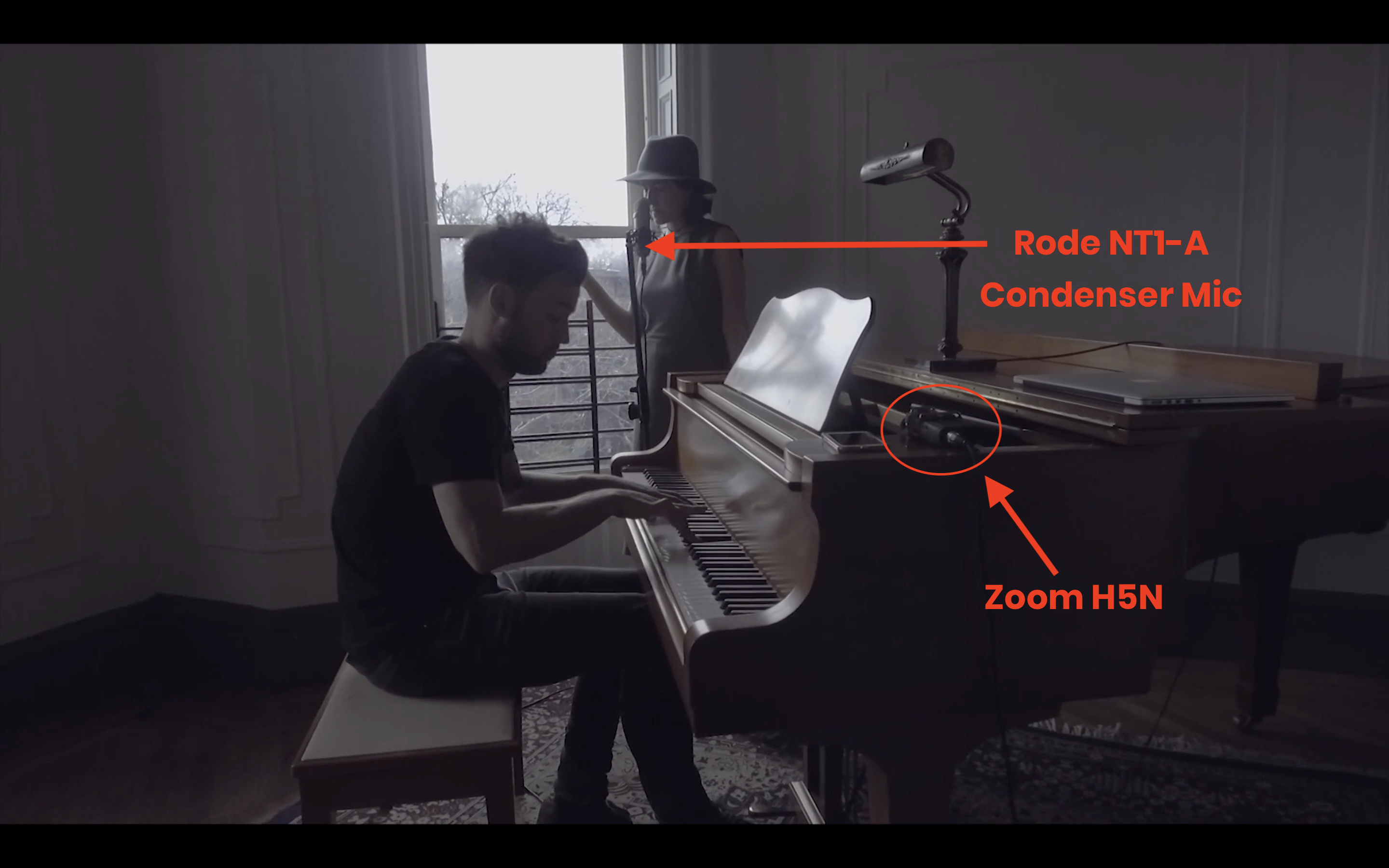
Now, for the practical gold: you don’t need a studio to get a decent take. Place your smartphone on a stack of books about three feet from the piano’s open lid, and avoid pointing the mic directly at the sound holes—angle it slightly to reduce harsh overtones. For richer sound, record in a quiet room with soft curtains or a rug, because bare walls turn your piano into an echo chamber. If you’re using a digital piano, plug it directly into your laptop with an audio interface (about $50) to skip room noise entirely—that’s the single smartest upgrade.
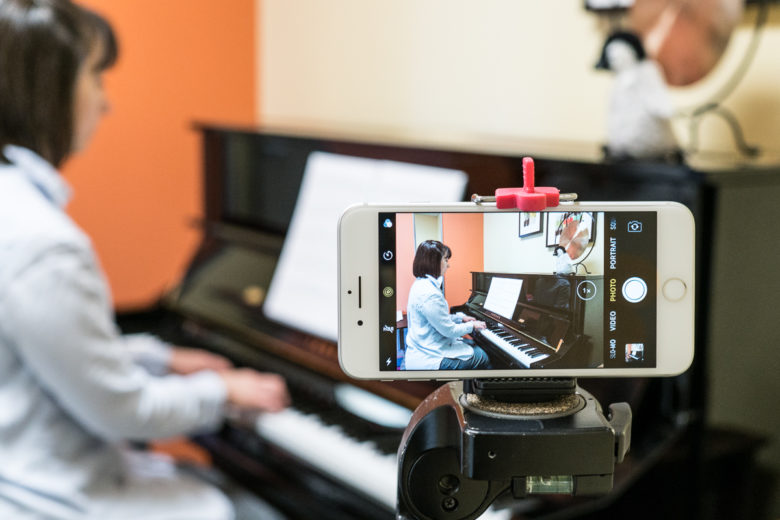
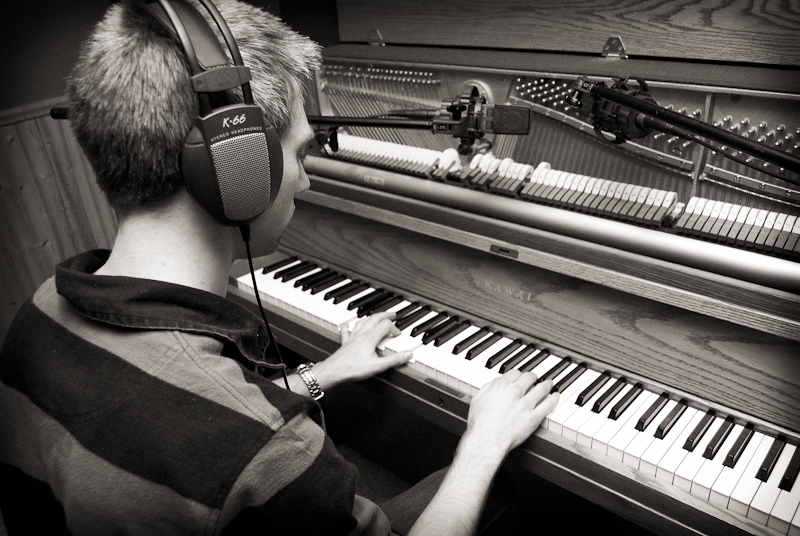
When you’re ready to hit that red button, do a 10-second test clip first and listen with headphones. You’re checking for clipping (that ugly distortion when you slam the keys) and balance—your left hand shouldn’t be drowning your melody. Set the input level at about 70% and leave headroom, then play your piece once through without stopping, even if you mess up. It’s tempting to re-record endlessly, but a single imperfect take often has more soul than a sterile, edited one. Afterward, use a free tool like Audacity to trim silence and add a tiny reverb—instant “hall” sound that flatters any piano.
Finally, enjoy the process, not just the product. Don’t obsess over “the perfect take” on your first try; instead, record a 15-minute practice session and listen to it while cooking dinner. You’ll be amazed at what your ears missed live—like a gorgeous pedal smear or a rushing tempo. Share your recording with one friend, but not the internet, at least for the first week. That little bit of privacy removes performance anxiety and lets you be playful. And remember: every famous pianist has hundreds of dreadful practice recordings buried in their archives. Yours are just as valuable—they’re the mile markers on a road that only you are walking.



![[Revealed!] How I Record Digital Piano/Keyboard in High Quality](https://i.ytimg.com/vi/_C1JsuMLrRE/maxresdefault.jpg)
