How To Put On A Condom Right
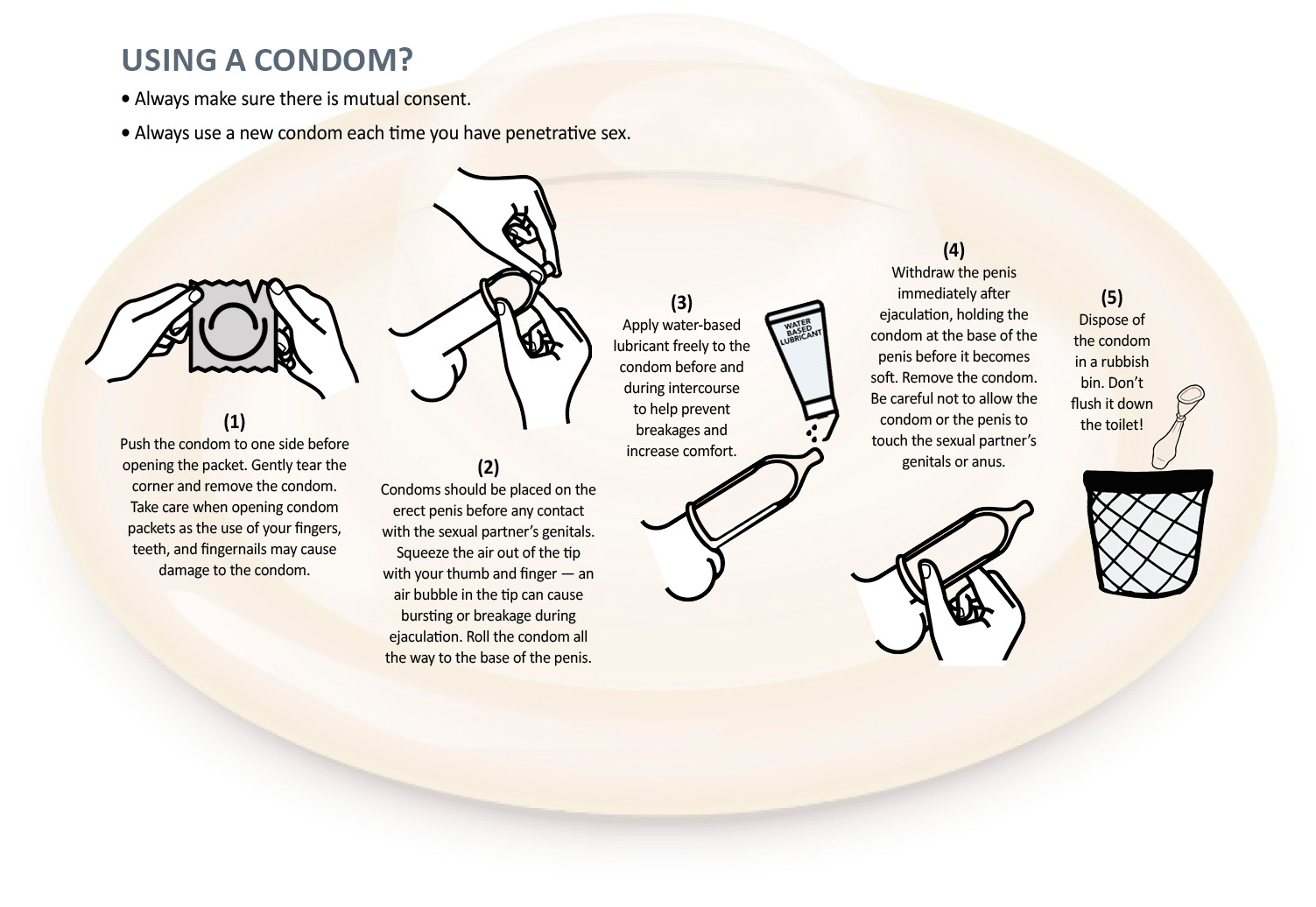
The use of condoms is a highly effective method of preventing the transmission of sexually transmitted infections (STIs) and unwanted pregnancies. However, the efficacy of condoms largely depends on their proper use. Understanding the anatomy and physiology of the human body, as well as the material properties of condoms, is crucial for their optimal application. The process involves a series of precise steps that, if followed correctly, can significantly reduce the risk of STI transmission and unplanned pregnancies.
A key aspect of putting on a condom correctly is ensuring that it is applied before any genital contact occurs. This is because pre-ejaculate fluids can contain sperm and STI pathogens, posing a risk even before full intercourse. Furthermore, the condom must be taken from its packaging carefully to avoid any damage, such as tears or punctures, which could compromise its integrity. The rolling of the condom down the penis is a critical step, requiring attention to ensure it is smooth and even, without any wrinkles or
Another critical factor is the size and fit of the condom. Using a condom that is too small can increase the likelihood of it breaking during intercourse, while one that is too large may slip off. Therefore, being aware of one's size and choosing the appropriate condom is a practical life hack for optimizing condom use. Moreover, understanding the materials used in condom manufacture, such as latex, polyurethane, or polyisoprene, can help individuals make informed choices based on their needs and preferences, including considerations for
Must Read
Optimizing Condom Use: Biological and Chemical Considerations
From a biological standpoint, the human immune system plays a crucial role in defending against STI pathogens. However, the use of condoms provides an additional, critical barrier that prevents the initial contact between pathogens and the body's mucous membranes, thereby preventing infection. The microbiome of the human body, particularly in genital areas, is complex and sensitive, and the use of condoms helps maintain this balance by reducing the introduction of foreign organisms. Moreover, the pH level of the genital area can affect the integrity of the condom, with extreme alkalinity or acidity potentially compromising its material properties.
Chemically, condoms are designed to withstand the friction and moisture associated with intercourse. Lubricants can enhance the experience and reduce the risk of condom breakage, but it's essential to choose lubricants compatible with the condom material. For instance, should not be used with latex condoms as they can cause the latex to degrade. Understanding these chemical interactions can help individuals optimize their condom use and reduce potential risks.
The psychological aspect of condom use should not be overlooked. The stress or anxiety associated with the possibility of STI transmission or unplanned pregnancy can be significantly mitigated by the confident and correct use of condoms. This psychological factor can enhance sexual experiences by reducing worry and allowing individuals to focus on their sexual health and wellbeing. Furthermore, open communication with partners about condom use can foster a sense of trust and respect, contributing to healthier relationships.

Mastering the Practical Strategies of Condom Use
One of the most practical strategies for mastering condom use is practice. Becoming familiar with how to properly put on a condom can reduce anxiety and increase the likelihood of correct use during sexual activity. Additionally, visual aids and educational resources can provide step-by-step guidance for those looking to improve their technique. Another strategy is to check the expiration date of the condom, as using an expired condom can increase the risk of failure.
For individuals who find that condoms reduce sensation, exploring different types and brands can help find a product that meets their needs for both protection and pleasure. Some condoms are designed to be ultra-thin or have textured surfaces for enhanced sensation. Moreover, using condoms as part of a comprehensive approach to sexual health, including regular STI testing and communication with partners, can provide a sense of security and promote healthy sexual practices.
A critical life hack for optimizing condom use is being prepared. Always carrying condoms and having them readily available can ensure that protection is not neglected in the heat of the moment. Furthermore, regularly discussing condom use with sexual partners can help normalize the practice and reduce any stigma associated with it, leading to a more positive and healthy attitude towards sexual protection.
Incorporating condoms into one's sexual routine can also involve exploring different sizes and styles to find the most comfortable and effective fit. This process of exploration can be seen as a positive aspect of sexual health, allowing individuals to take control of their protection and wellbeing. By adopting a proactive and informed approach to condom use, individuals can optimize their sexual health outcomes and reduce risks associated with sexual activity.

Frequently Asked Questions
How do I know if I'm allergic to latex condoms?
Determining a latex allergy involves being aware of the symptoms that may occur after using latex condoms, such as itching, redness, or hives in the genital area. If such symptoms are experienced, it is advisable to consult a healthcare provider for proper diagnosis and guidance. They may recommend alternative materials such as polyurethane or polyisoprene condoms. It's also worth noting that while rare, severe allergic reactions can occur, and individuals should be aware of the signs of an allergic emergency and seek immediate medical attention if they suspect an severe reaction.
In the case of a suspected allergy, medical consultation is essential. A healthcare provider can conduct tests to confirm the allergy and provide recommendations for alternative condom materials. Additionally, discussing any medications or treatments for allergies with a healthcare provider can help individuals manage their condition effectively while still practicing safe sex. This proactive approach to sexual health ensures that protection against STIs and unplanned pregnancies is maintained without compromising comfort or safety.
Can I use oil-based lubricants with latex condoms?
Using oil-based lubricants with latex condoms is not recommended. Oils can cause the latex to degrade, leading to a higher risk of the condom breaking during use. Instead, individuals should opt for water-based or silicone-based lubricants, which are compatible with latex and can enhance the sexual experience while maintaining the protective integrity of the condom. It's worth noting that some lubricants are specifically designed to be used with condoms and are labeled as such, making it easier for consumers to make informed choices.

How often should I get tested for STIs if I'm sexually active and using condoms?
The frequency of STI testing depends on several factors, including the number of sexual partners, the type of sexual activities, and the presence of any symptoms. Even with consistent and correct condom use, it's recommended that sexually active individuals get tested regularly. The Centers for Disease Control and Prevention (CDC) suggest that individuals who are sexually active should get tested at least once a year, with more frequent testing advised for those with multiple partners or other risk factors. Discussing testing frequency with a healthcare provider can help determine the best approach based on individual circumstances.
Regular STI testing is a crucial component of comprehensive sexual health care. It allows for the early detection and treatment of infections, reducing the risk of long-term health consequences and the potential for transmission to others. Furthermore, being open with sexual partners about testing status and encouraging mutual testing can foster a culture of transparency and respect, contributing to healthier relationships and sexual practices. By combining condom use with regular testing, individuals can take a proactive and multi-faceted approach to their sexual health.
Can I reuse a condom?
Reusable condoms are not a recommended practice. Condoms are designed for single use, and attempting to reuse them can lead to a significant increase in the risk of STI transmission and unplanned pregnancy. The physical properties of condoms are compromised after use, making them less effective as a barrier against pathogens and sperm. Moreover, the process of cleaning and reapplying a condom can introduce additional risks, such as damage to the condom material or the introduction of bacteria into the genital area.
Instead of reusing condoms, individuals should prioritize the use of a new condom for each act of intercourse. This ensures the highest level of protection against STIs and unplanned pregnancies. Carrying a sufficient supply of condoms and being prepared can help prevent the temptation to reuse a condom. Additionally, understanding the reasons behind the recommendation against reuse, such as the mechanical stress condoms undergo during intercourse and the potential for microscopic damage, can reinforce the importance of using a new condom each time.
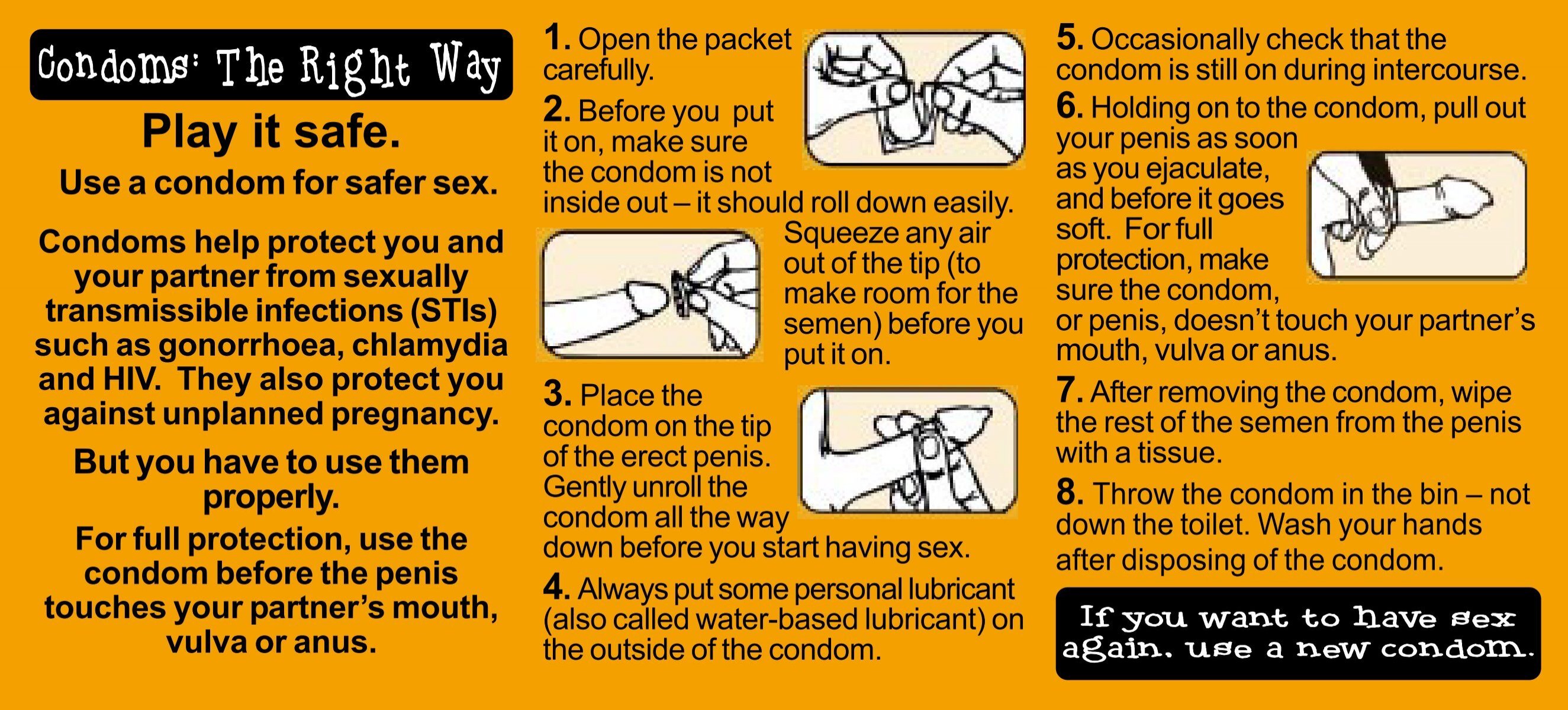
Do condoms expire, and how do I check the expiration date?
Yes, condoms do have an expiration date. The expiration date indicates the last date on which the condom is expected to retain its original properties and effectiveness. Using an expired condom can increase the risk of breakage and STI transmission. To check the expiration date, look for the manufacturing date and expiration date printed on the packaging or the condom foil wrapper. The format may vary but typically includes the month and year of expiration.
It's crucial to only use condoms that are within their expiration dates. If a condom is past its expiration date, it should be discarded and replaced with a new one. Regularly checking the expiration dates of condoms in one's supply can help ensure that only effective and safe condoms are used. Furthermore, being aware of the factors that affect condom degradation, such as storage conditions and exposure to heat, can help prolong the usability of condoms within their expiration dates, although the expiration date should always be the final determinant of a condom's usability.
Respecting the science behind condom use makes us better, more efficient humans by empowering us with the knowledge to protect ourselves and our partners effectively. By understanding the biology, chemistry, and physics involved in condom use, individuals can make informed decisions about their sexual health, reducing risks while maintaining a healthy and fulfilling sexual life. This approach to sexual health is proactive, knowledgeable, and respectful of the complexities of human sexuality and relationships.
Moreover, embracing the science of condom use contributes to a broader culture of sexual health awareness and responsibility. By prioritizing protection and promoting open discussions about sexual practices, individuals can foster healthier relationships and communities. The data-driven and pragmatic approach to condom use, focusing on optimization and life hacks, not only enhances personal sexual health but also supports public health initiatives aimed at reducing the incidence of STIs and unplanned pregnancies. Through education, awareness, and the consistent practice of safe sex, we can create a more informed and sexually healthy society.