How To Pull Money From A Credit Card
Okay, let’s talk about something that feels a little bit like a magic trick, but with more fine print: pulling actual, physical cash out of your credit card. It’s not just for sketchy back-alley deals anymore. Done right, it can be a clever financial backflip, and done wrong, it’s like setting your wallet on fire for fun.
The Classic Cash Advance: The Ouch Button
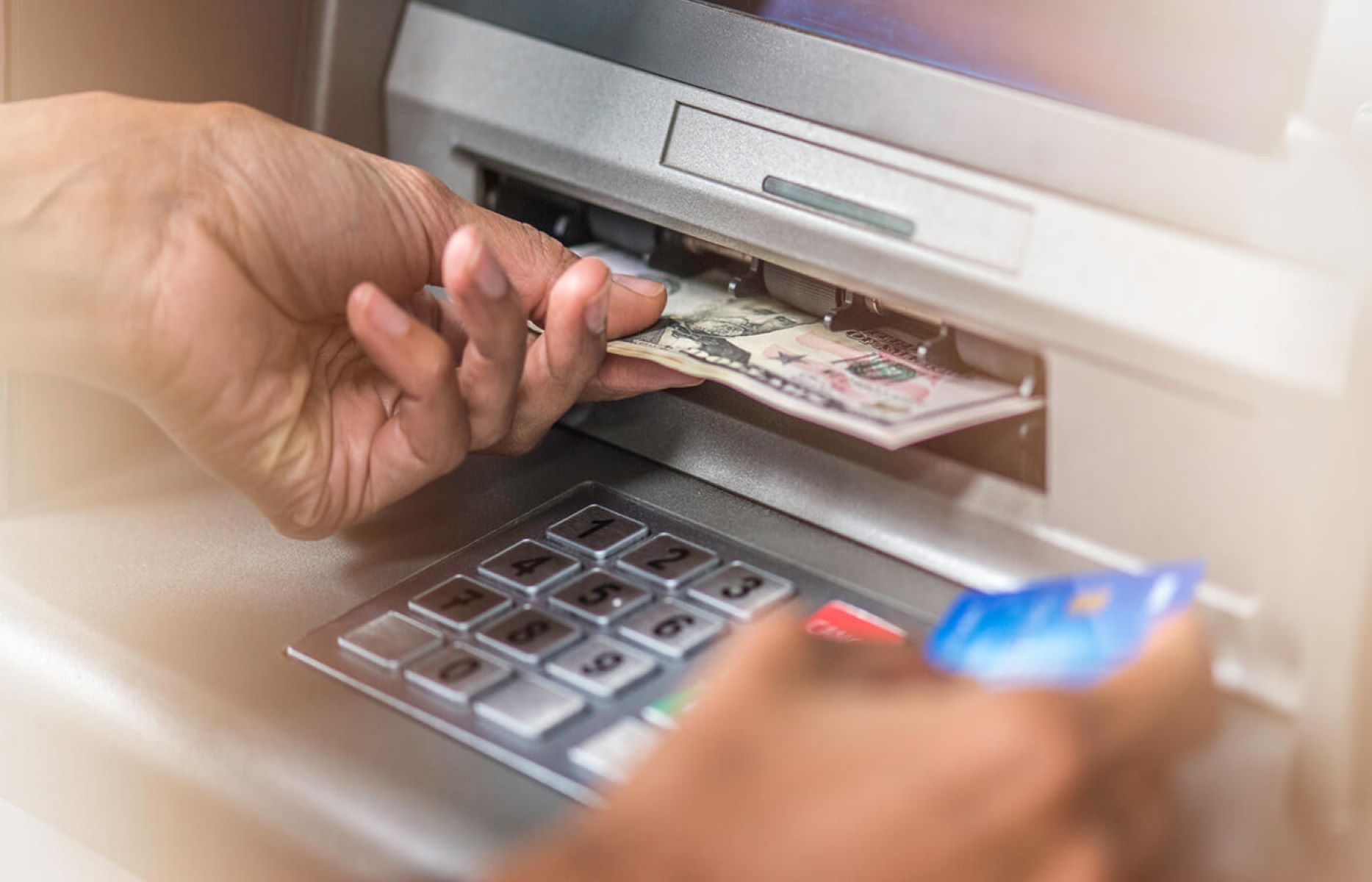
The most straightforward way is hitting an ATM with your credit card and entering your PIN. It feels like a free money cheat code for about five seconds, right? Then you check your statement and realize the bank charged you a “cash advance fee” (usually 3% to 5%), plus a higher interest rate that starts ticking immediately—no grace period, no chill.
Think of it like borrowing a friend’s car, but they bill you for every mile and also charge you to open the door. It works, but it’s the clunkiest, most expensive tool in the toolbox.
Must Read
Why would anyone do this? Emergencies, mostly. But there’s a cooler way.
Here’s where it gets interesting. Instead of hitting the ATM, you can use the “overpayment trick” or a “negative balance withdrawal.” You know how you sometimes overpay a store and they owe you money? Same concept, but with your credit card account.
You get to a point where your card balance is zero, and you just… send the credit card company more money. Just a few hundred bucks. Now your account shows a negative balance—meaning they owe you money. Now the magic: you call your bank or log into the app and ask for a refund of that negative balance. They’re legally obligated to send it back—usually via direct deposit or a check. Boom, you just pulled money from your credit card without a cash advance fee.
The “Buy-and-Refund” Loop: A Cautionary Tale
Another creative (and slightly naughty) approach is buying a refundable item with your card and then returning it for cash. For example, buy a $500 gift card or a returnable appliance, then immediately return it and ask for the refund in cash—many stores will hand it over if the original purchase was with a credit card.
This is clever, but it’s also walking a tightrope over a piranha tank. Retailers can flag you as a “return abuser,” and your credit card company might see it as a “manufactured spend” to earn points. Your rewards points don’t, like, cancel out the risk of getting your account frozen. Is it cool? Sure, as a party trick. Is it smart? Only if you’re absolutely sure you can keep your story straight and your receipts handy.

The Real Winner: The “Balance Transfer” Backdoor
Here’s the cleanest, sneakiest path: get a new credit card with a 0% balance transfer offer and a $0 transfer fee. Instead of moving a balance from another card, you move cash to your checking account. Some banks let you initiate a “balance transfer” to a bank account directly, which is technically a cash advance disguised as a transfer.
Why is this cool? Because the 0% APR usually lasts for 12 to 18 months. You get the cash today, and you have over a year to pay it back interest-free. Just note that you must pay it off before the promo ends, or the leftover balance gets hit with a 25% APR and starts doing parkour on your credit score.
So, Is It Worth It?
Honestly, pulling money from a credit card is less about “free cash” and more about timing. It’s like using a trampoline to get over a fence—fun, but you have to be ready to land on your feet. The coolest part? You’re using the system’s own rules against it. Just remember: credit cards are not money printers; they’re very polite loan sharks with better marketing. Use the tricks for emergencies or a strategic float, never for a shopping spree. Your future self will be way less stressed than your current self is excited.